REVIEW · BERLIN
Private Berlin WWII and Cold War History Tour with Local Expert Guide
Book on Viator →Operated by Friendly Local Guides · Bookable on Viator
Berlin’s past gets real fast. This private Berlin WWII and Cold War history tour turns big landmarks into a clear walking story, from the Palace of Tears to Checkpoint Charlie. You get a local guide plus built-in photo stops so you can follow the city’s layers without feeling lost.
I especially like two things: the currywurst break that keeps the tour human, and the way the route is paced for your group. Guides like Dimitri, Eleni, and Despina are also known for answering lots of questions and adjusting the walk on the fly, which matters when Berlin involves real sidewalks and real hills.
One drawback to consider is simple: this is still a walking tour, so you’ll want comfortable shoes and a willingness to move. If you’re very limited physically, ask about pacing early, because the tour is designed for a moderate fitness level and time on your feet.
In This Review
- Key highlights worth your time
- Why This 4-Hour Berlin Walking Route Works
- Meeting at Oranienburger Strasse and Starting With Jewish Berlin
- Palace of Tears: When the Cold War Became a Doorway
- Holocaust Memorial and Führerbunker: Berlin’s Darkest Compass Points
- Reichstag, Brandenburg Gate, and the Photo Stops That Mean Something
- Currywurst Break and the Berlin Streets Between Sights
- Museum Island and Bebelplatz: The Book Burning Story in Place
- Checkpoint Charlie: The Cold War in One Crossing
- Mitte Side Streets: Missing House and Heckmann Höfe
- Price and Value: What You Get for $129
- Who Should Book This Tour (and Who Might Not)
- Should You Book This Berlin WWII and Cold War Tour?
- FAQ
- How long is the tour?
- Is this a private tour?
- What language is the tour offered in?
- What’s included in the price?
- Is admission required for the stops?
- Where do we meet, and where does the tour end?
- Do I need a certain fitness level?
- Are drinks included?
- What is the cancellation policy?
Key highlights worth your time
- Private guide, real Q&A: You’re not just following a script.
- WWII to Cold War in one line: The story connects from Nazi-era sites to the divided-city years.
- Currywurst included: A classic Berlin stop that breaks up the heavier parts.
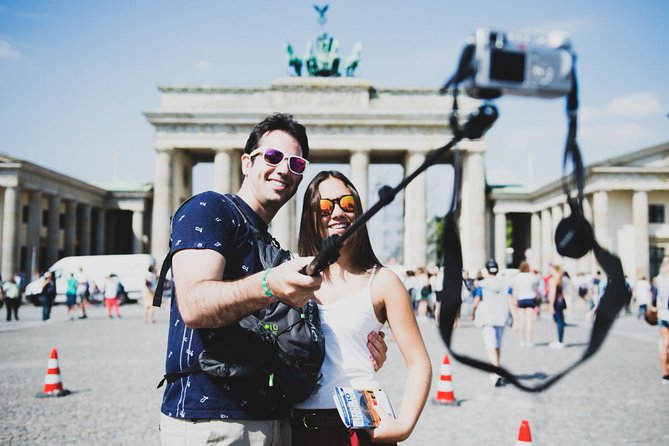
- Major Berlin sights on foot: Brandenburg Gate, the Holocaust Memorial, Reichstag area viewpoints, and more.
- Museum Island and Bebelplatz included: You get context for the famous book burning story tied to the square and area.
- Mitte side streets get attention: You’ll see small, lesser-known spots like the Missing House and Heckmann Höfe.
Why This 4-Hour Berlin Walking Route Works
Berlin is one of those cities where the history is everywhere, but the connections aren’t always obvious. This tour is built to make those connections make sense, using a walking format that keeps you oriented as you go. You’re in control of the pace, since it’s private, and that changes the whole experience.
At about 4 hours, you get a strong overview without turning your day into a marathon. Many stops are ticket-free, so you spend time looking at what matters rather than waiting in lines. I also like that you start and end at the same place near public transportation, which makes it easy to fit into your first day.
One practical note: it’s a moderate-fitness walk. If it’s chilly or icy, dress for it. Guides tend to build in rest breaks, and you’ll appreciate that more than you think once you’ve been outside for a while.
You can also read our reviews of more guided tours in Berlin

Meeting at Oranienburger Strasse and Starting With Jewish Berlin

You meet at Oranienburger Str. 28–30 (West Berlin area), and the tour begins with the kind of context that makes later Cold War sites hit harder. The opening area puts you near the New Synagogue and the related Jewish landmarks connected to the Centrum Judaicum.
A stop at the Stiftung Neue Synagoge Berlin – Centrum Judaicum helps you understand continuity, not just tragedy. The center describes itself as a link between the past and the future, and even if you skim quickly, the location gives you a grounding point. You’ll also notice the striking Moorish architecture, which is a nice visual contrast to the darker WWII and division-era stories that come next.
If you care about architecture as storytelling, this beginning works well. If you don’t, it still serves a purpose: it reminds you Berlin wasn’t only a war-stage. It was a real home before, during, and after.
Palace of Tears: When the Cold War Became a Doorway
The Palace of Tears is one of the tour stops that makes the Cold War feel personal. It was a former border point between East and West Berlin, and the building itself is designed to make you slow down and look closely.
The interior details are part of the experience: the floor tiles, a wall clock, and the 1960s style elements. Even if you’re not a museum person, this is the kind of place where you can picture real moments—goodbyes, paperwork, and the tension in the air.
The guide’s storytelling matters here. You’ll hear how residents tried to flee from Russian-occupied East Berlin into Allied-occupied West Berlin, and you’ll get the emotional weight behind the headlines. The drawback? This is not a quick stop if you let the story land. Plan to take your time and accept a little heaviness.
Holocaust Memorial and Führerbunker: Berlin’s Darkest Compass Points
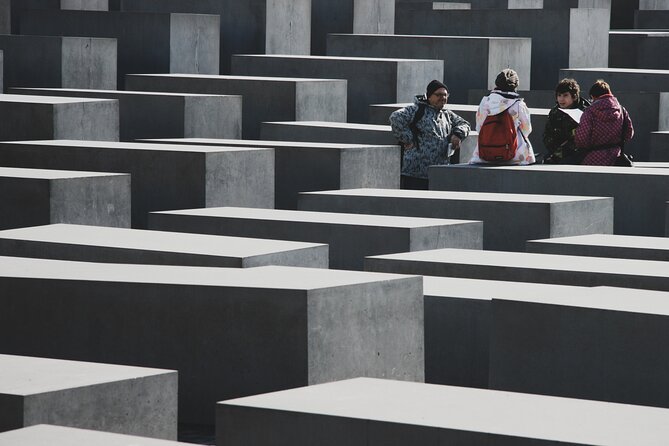
From the Palace of Tears, the route moves into WWII territory where the city’s moral gravity becomes obvious. You’ll pause by the Memorial to the Murdered Jews of Europe, described as imposing and meant as remembrance and warning. The walking experience around it is different from a museum room—you can’t fully separate yourself from the space.
After that, the tour includes Hitler’s bunker area context, often framed as a visit to the Führerbunker, where he spent his final hours. The goal isn’t to shock you for shock’s sake. It’s to help you understand how quickly a country can slide into catastrophe, and how Berlin’s later Cold War identity grew in the shadow of that collapse.
This part of the tour is emotionally intense, so it’s worth taking advantage of your private format. If your group needs a short reset, you can ask. Guides such as Dmitry and Demetrios are known for adjusting the pace and handling lots of questions, which can turn this section from awkward to meaningful.
Reichstag, Brandenburg Gate, and the Photo Stops That Mean Something
Berlin’s big monuments can feel like postcard stops unless someone ties them to real events. This tour tries to do that, using quick photo moments at the right places.
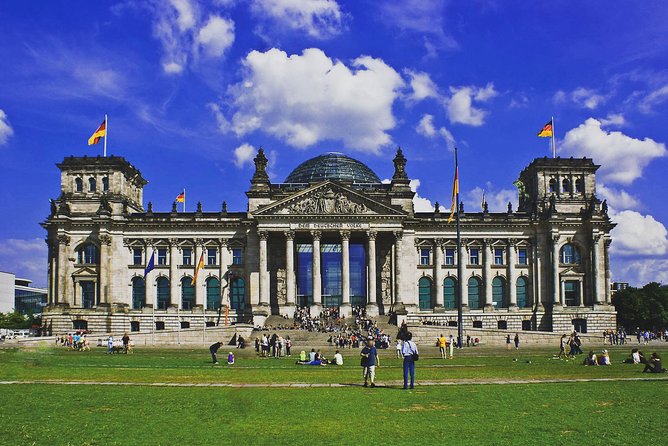
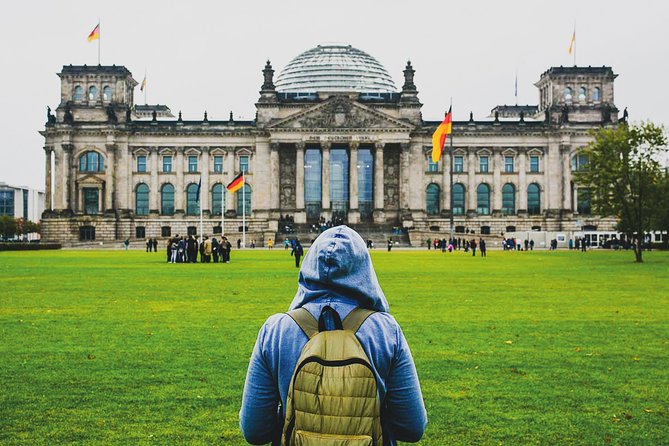
You’ll see the Reichstag Building from the outside and take in the atmosphere of Berlin where older and newer architecture sit side by side. Even if you only have a small window, the guide’s explanations help you read the space instead of just seeing it.
Then there’s Brandenburg Gate, called one of the city’s most significant historic monuments for a reason. It’s an easy stop to recognize, but the value is in what you learn about how Berlin’s political story played out around it. It’s also a great place to pause if your group needs a breather before moving into memorial-heavy areas again.
If you like getting the best photo angles, this is where your guide earns their fee. One key theme from guide feedback is that they know shortcuts—routes that keep your time efficient—so you’re not stuck in the wrong crowd at the wrong moment.
You can also read our reviews of more private tours in Berlin
Currywurst Break and the Berlin Streets Between Sights
Some tours feel like nonstop stops, which makes the history feel like homework. Here, you get a German traditional snack: currywurst included, which is as practical as it is fun.
Currywurst is more than food in Berlin. It’s a taste of daily life, and that balance matters when you’re walking through some of Europe’s hardest chapters. You’ll have a chance to refuel, talk, and reset your energy before the next emotional section.
There’s also time built around walking through central squares like Gendarmenmarkt and Bebelplatz, so the tour doesn’t stay locked in one mood. The Gendarmenmarkt area gives you a classic Berlin streetscape, while Bebelplatz is more complicated, which helps you feel the shift from aesthetic to historic significance.
You might also hear suggestions for where to grab a coffee or tea along the way. Drinks and extra food aren’t included, so keep that in mind if your group tends to stop often.
Museum Island and Bebelplatz: The Book Burning Story in Place
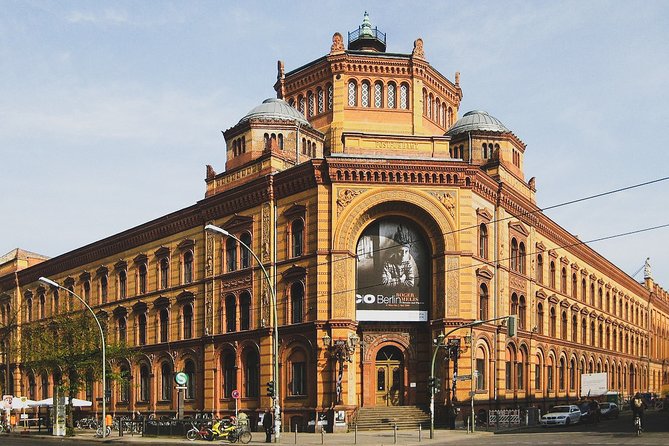
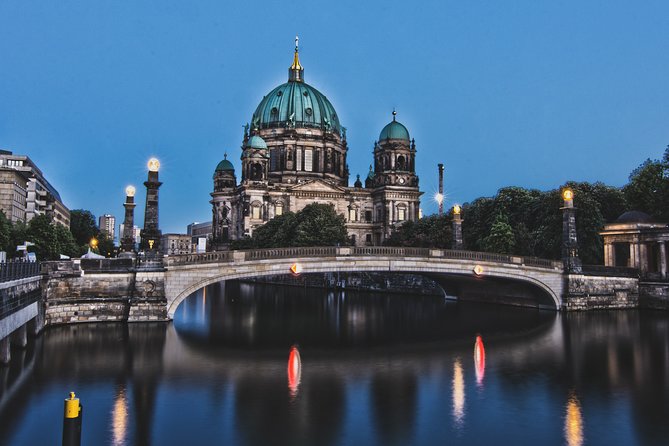
Two stops that work together are Museum Island (Museumsinsel) and Bebelplatz. Museum Island is UNESCO-listed and presented as a major ensemble of museums, and it earns its place even if you don’t step inside any galleries. The area helps you connect Berlin’s intellectual life with the forces that tried to control it.
At Museum Island, you’ll learn about the infamous book burning organized by the Nazis. Hearing that story right where it connects to the city’s institutions makes it feel specific instead of abstract. It also helps explain why Nazis attacked not only people but ideas.
Bebelplatz brings another angle because it’s tied to some of the city’s chequered history and works as a symbolic public square. Even if you only spend a little time there, the guide’s framing helps you understand why this area became a stage for ideology and fear.
Potential drawback: this section is very thoughtful, and you may want more time. If you’re the kind of traveler who reads every plaque, you might run a bit past the ideal pacing. The good news is your private guide can often adjust what gets more time.
Checkpoint Charlie: The Cold War in One Crossing
Checkpoint Charlie is the stop most people already recognize, but the tour aims to make it more than a photo line. The crossing was the best-known border crossing between East and West Berlin during the Cold War, and it still carries huge historical and emotional resonance.
The guide’s job here is to give the context behind what you see. Instead of treating it as a set piece, you’ll connect it to how the divided city worked—who had access, who didn’t, and why attempts to leave were so dangerous.
If your group loves straightforward explanations, this portion usually lands well. If you prefer deep nuance, you’ll still get it, because guides are used to answering questions and building in time for them. One of the most consistent praises in guide feedback is how they keep the tour moving without rushing people through the hard parts.
Mitte Side Streets: Missing House and Heckmann Höfe
One of the nicest surprises is that the walk doesn’t end with only the headline sites. You’ll explore the urban quarter of Mitte and get directed toward smaller, less obvious attractions.
Two specific examples included are the Missing House on Große Hamburger Strasse and the Heckmann Höfe. These stops are valuable because they show how Berlin’s damage and rebuilding shaped everyday spaces. They also let you experience the city like a local does—by looking at what’s right in front of you instead of only what’s famous on posters.
This is also a good part of the tour if you want ideas for later in your trip. The guide often shares where to go next after the walking portion ends, based on what you’ve seen.
Price and Value: What You Get for $129
At $129 per person for around 4 hours, the price makes sense when you think about what’s included. You’re paying for a private local expert guide, a customizable itinerary, and a currywurst snack. Many stops are ticket-free, so your money goes to guiding and time, not admissions.
The private format is the biggest value driver. Your guide can tailor the pace and angle to your interests—whether your group wants more WWII detail, more Cold War details, or more city wandering between. Several guide notes highlight personalization, pacing with rest breaks, and answering lots of questions, which is exactly what you want in a complex topic like divided Berlin.
If you’re comparing options, think about this: a self-guided route can get you to landmarks, but it won’t explain the why. A private guide adds structure so the city stops being a set of unrelated stops and starts behaving like a story.
Who Should Book This Tour (and Who Might Not)
This tour is a great fit if you want a first-time Berlin overview that connects WWII and Cold War history without dragging you through a long list of sites. If you care about memorials, border history, and the way ideology shaped public life, you’ll get a lot out of it.
It’s also a solid choice if you like walking but dislike guessing. The route helps you see major landmarks in an efficient order while still giving time for photos and small side streets.
The main reason not to book: if walking four hours is a strain. Even with rest breaks, you should be ready for real time on foot. If mobility is limited, ask about how the guide handles pacing for your group needs.
One last balanced point: there’s been at least one reported case of a guide not showing up at the meeting point, including an account of a delayed or missing start. The provider response in that case said they refunded promptly and removed the guide involved. You can reduce risk by double-checking your meeting details the day of and having a way to contact the provider if something seems off.
Should You Book This Berlin WWII and Cold War Tour?
If you’re doing Berlin for the first time and you want a guided thread through the hardest chapters, I’d book it. The combination of major landmarks (Brandenburg Gate, Holocaust Memorial, Checkpoint Charlie) with context stops (Palace of Tears, Museum Island and the book burning story) is exactly how history becomes understandable.
Also, the included currywurst is a small thing that makes the whole day feel more livable. And with guides like Dimitri and Eleni called out for pace and tailoring, you’re more likely to feel like you spent your time well rather than just ticking boxes.
If your group hates walking or wants only quick landmark photos, you might prefer something shorter. But if you want meaning with your steps, this is a strong choice.
FAQ
How long is the tour?
The tour is listed at about 4 hours.
Is this a private tour?
Yes. It’s a private walking tour, so only your group participates.
What language is the tour offered in?
The tour is offered in English.
What’s included in the price?
The price includes a private local guide, a private walking tour, all fees and taxes, and a German traditional snack (currywurst). The itinerary is also customizable, and you’ll get expert advice on what to do after the tour.
Is admission required for the stops?
The stops included are listed with admission ticket free.
Where do we meet, and where does the tour end?
You meet at Oranienburger Str. 28-30, 10117 Berlin, Germany. The tour ends back at the meeting point.
Do I need a certain fitness level?
The tour notes a moderate physical fitness level. It’s a walking route, so comfortable shoes help.
Are drinks included?
No. Extra food and drinks are not included, though you may have chances to buy them along the route.
What is the cancellation policy?
You can cancel for a full refund up to 24 hours in advance. If you cancel less than 24 hours before the start time, the amount paid is not refunded.