REVIEW · WARSAW
Warsaw Old Town UNESCO HERITAGE walking tour in English
Book on GetYourGuide →Operated by Orange Umbrella Tours Warsaw · Bookable on GetYourGuide
Warsaw’s Old Town tells two stories. This English walking tour threads Warsaw’s UNESCO World Heritage area together with the grit of WW2 and the rebuild that followed. You start by Sigismund’s Column, then move through medieval streets, city walls, and into the New Town beyond the old defenses.
I like how the guide keeps the story balanced: history facts, plus anecdotes and legends that actually make the places feel alive. I also like the practical way the tour is timed and paced, with short guided stops at the Royal Castle, St. John’s Arch Cathedral, the Old Town Market Place, and more.
One thing to consider: it is a focused, 2-hour route, so if you want lots of extra detours or a longer day of sightseeing, you may wish it ran farther.
In This Review
- Key highlights you’ll feel on this walk
- Why start at Sigismund’s Column for a UNESCO Old Town tour
- Stop-by-stop: what you get (and what to watch for)
- 1) Sigismund’s Column: 20 minutes of context
- 2) Royal Castle, Warsaw: a quick guided introduction
- 3) St. John’s Arch Cathedral: interior access when services allow
- 4) Old Town Market Place: how medieval city life worked
- 5) Warsaw Barbican: the fortification that makes sense visually
- 6) Maria Skłodowska-Curie Museum: a science figure in the city mix
- 7) Rynek Nowego Miasta: finishing at the New Town side
- The UNESCO angle: why this walk works for first-time Warsaw
- Price and value: $5 for a structured 2-hour guide
- Group size and guide style: what small groups change
- Walk logistics you should plan for
- Who should book this UNESCO Old Town walking tour
- Should you book? My practical take
- FAQ
- How long is the Warsaw Old Town UNESCO walking tour?
- Is the tour in English?
- How much does it cost?
- Where do I meet the guide?
- Where does the tour end?
- What stops are included on the route?
- Is St. John’s Arch Cathedral interior included?
- Are the groups small?
- Is it wheelchair accessible?
- Can I cancel and get a refund?
- Can I reserve without paying right away?
Key highlights you’ll feel on this walk
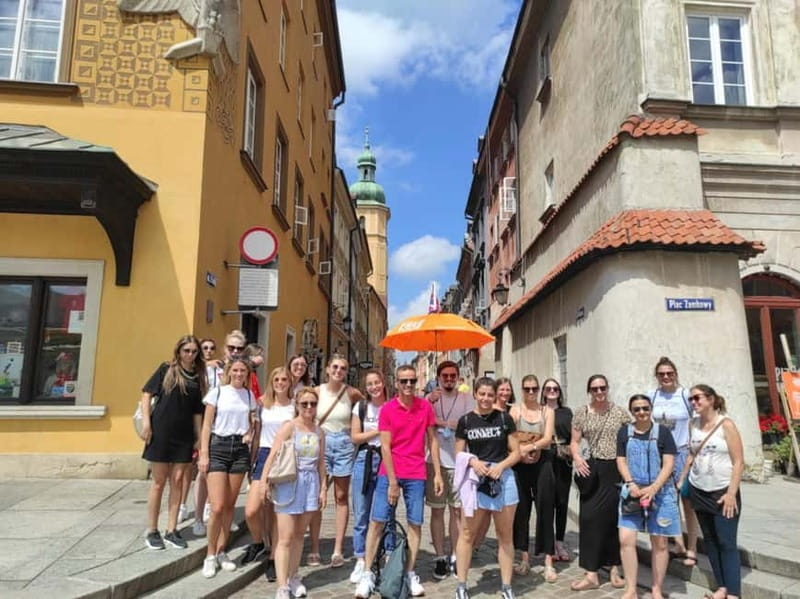
- Varsovians guiding you: Poles born and raised in Warsaw bring local stories you can’t get from a textbook.
- UNESCO Old Town, done in order: you’ll cover the core medieval area within the UNESCO zone, plus the New Town that sits beyond the walls.
- Stories with legends and facts: the format keeps moving, mixing straightforward history with talk-worthy legends.
- St. John’s Cathedral interior access when possible: the interior is included when there is no service.
- Small groups and free maps: the low-friction format helps you orient fast in a compact area.
- A tight loop: the walk concentrates on the big-name sights without turning into a marathon.
Why start at Sigismund’s Column for a UNESCO Old Town tour
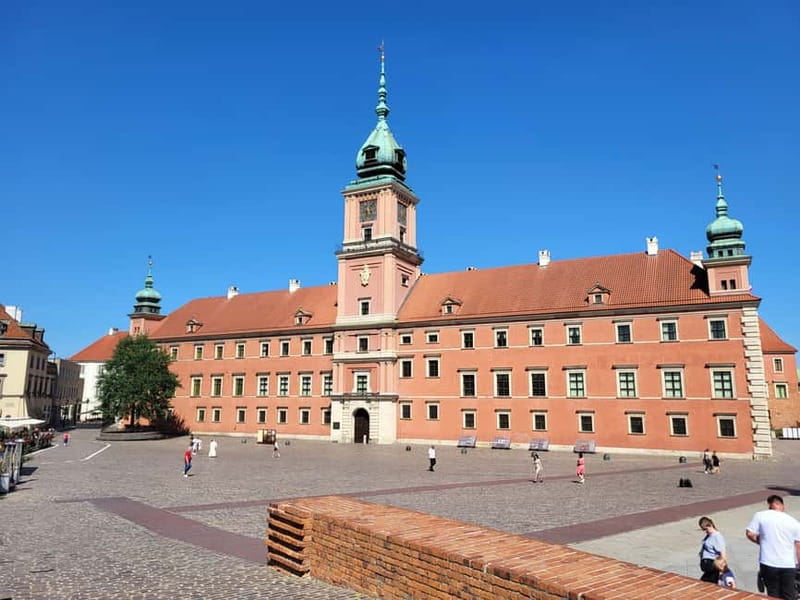
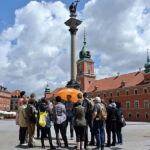
Most walking tours begin in the middle of things. This one starts at Kolumna Zygmunta III Wazy (Sigismund’s Column), which is a smart move because it gives you an anchor point for the whole Old Town story. You get an orientation moment before the route starts folding into narrower medieval streets.
From there, you move right into the column itself with a guided section of about 20 minutes. It sets the tone: Warsaw here is not just pretty facades. It is identity—who gets remembered, what gets rebuilt, and how the past is used in the present.
If you’re new to Warsaw, this is also a confidence boost. You learn where the main landmarks sit relative to each other, so later, when you wander on your own, you’re not just guessing.
You can also read our reviews of more walking tours in Warsaw

Stop-by-stop: what you get (and what to watch for)
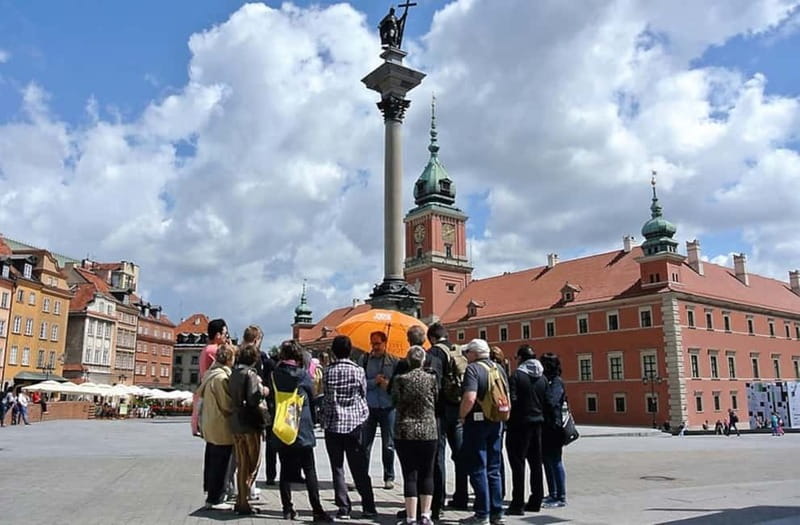
1) Sigismund’s Column: 20 minutes of context
The tour’s first guided block is devoted to Sigismund’s Column. Even if you’ve seen photos before, it helps to have someone explain why it matters in the Warsaw story. Think of it as your launchpad for everything that follows in the UNESCO area.
In a 2-hour tour, that kind of early framing matters. It means the guide’s later comments about medieval life, later destruction, and communist-era reconstruction won’t sound random. You’ll connect the dots while you’re still close to the starting point.
2) Royal Castle, Warsaw: a quick guided introduction
Next up is the Royal Castle with about 15 minutes of guided time. This stop is ideal if you want the headline version without losing momentum. You’ll get the place placed in the city’s long arc—political power, national identity, and the way Warsaw re-made itself after catastrophe.
A short guided segment can feel too brief if you love museums. But the advantage is focus. You’re getting orientation and interpretation, not a slow crawl through details that would eat the whole 2-hour schedule.
3) St. John’s Arch Cathedral: interior access when services allow
Then the route turns to St. John’s Arch Cathedral for about 15 minutes, and this is a key selling point. The tour includes the interior whenever there is no service, so you can get more than exterior sightseeing.
That matters because cathedral interiors are often where the atmosphere shifts from “touristic” to “real place.” Even a short visit helps you connect the building to the daily and ceremonial life that shaped the city before modern wars and modern borders.
One practical note: if a service is happening, the guide’s plan adjusts. You still get a guided explanation, but you might not get the interior moment. It’s good to go in with flexibility and remember that the tour is built around current site conditions.
You can also read our reviews of more historical tours in Warsaw





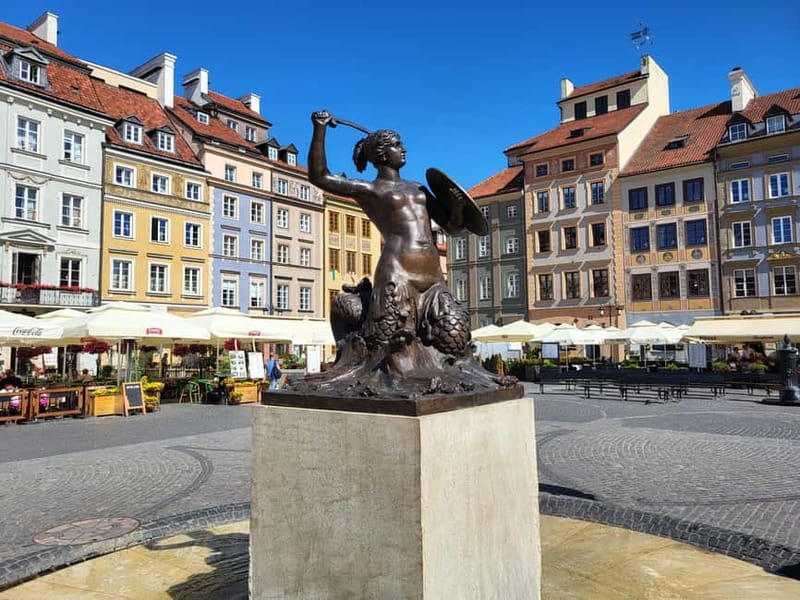
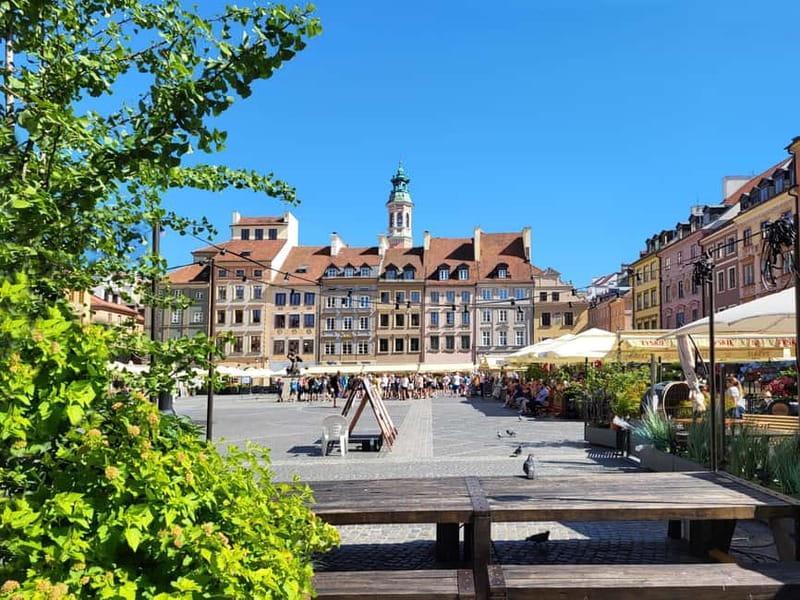
4) Old Town Market Place: how medieval city life worked
The Old Town Market Place stop (around 15 minutes) is where the tour’s “life in a medieval city” theme starts to feel concrete. Markets weren’t just about shopping. They were information hubs, social meeting points, and a daily rhythm that shaped how people moved through the city.
I like this kind of stop on walking tours because it turns architecture into behavior. When you hear how the market functioned, you naturally imagine where people would gather, where announcements would matter, and how the street layout supported daily trade.
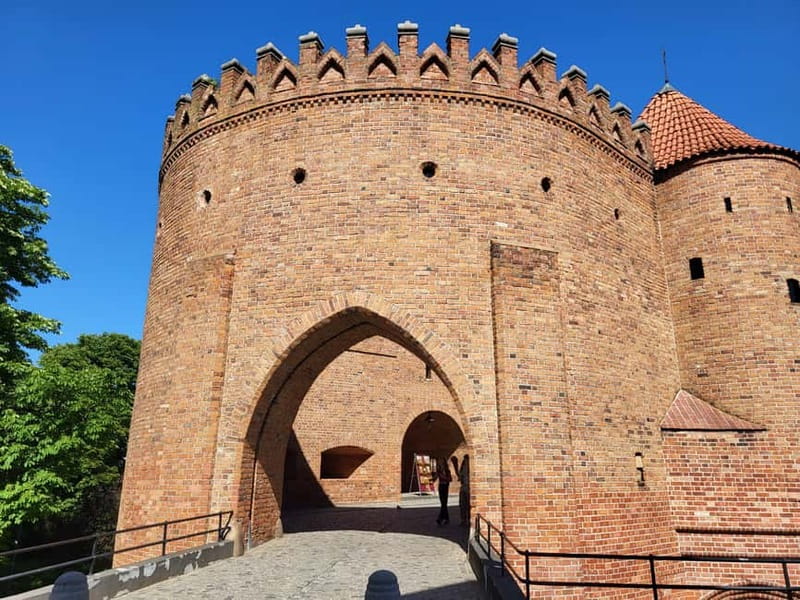
5) Warsaw Barbican: the fortification that makes sense visually
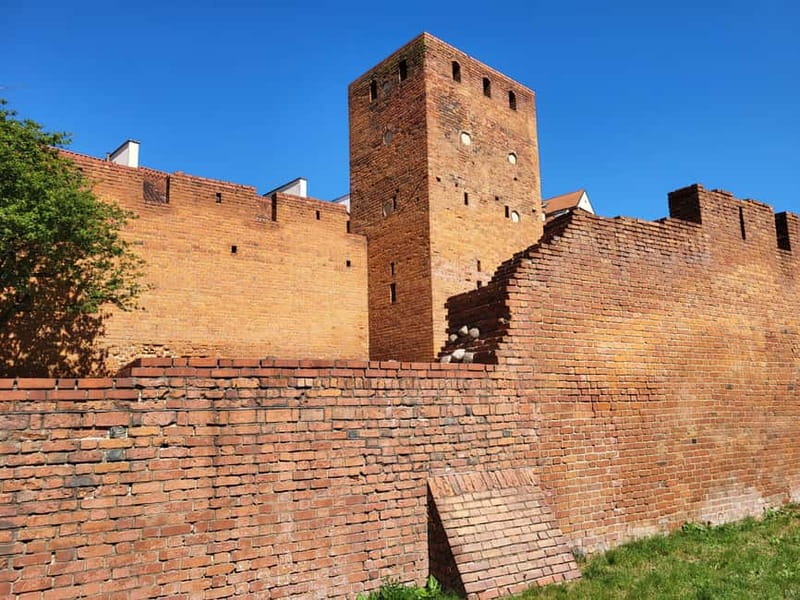
Next comes the Warsaw Barbican with another guided 15 minutes. Fortifications can be hard to appreciate from a distance. In a short tour, the best guides point out what you should notice right away: defensive design cues and why this kind of structure existed where it did.
You also learn how city defenses relate to the UNESCO idea of the Old Town. The UNESCO zone isn’t just about individual monuments. It’s about the broader medieval core and the way protection shaped the city’s footprint.
6) Maria Skłodowska-Curie Museum: a science figure in the city mix
The itinerary also includes a stop at the Maria Skłodowska-Curie Museum with guided time of about 15 minutes. Even without a long museum session, this is a useful contrast point. Warsaw isn’t only medieval walls and royal seats. It’s also modern cultural pride and scientific legacy tied to a world-famous Polish name.
Because the tour keeps things compact, treat this stop as a thematic pause. You’ll likely get an explanation that connects Curie’s place in Polish identity with the city you’re walking through. If you want deeper museum time, you can always come back later on your own using the free maps from the tour.
7) Rynek Nowego Miasta: finishing at the New Town side
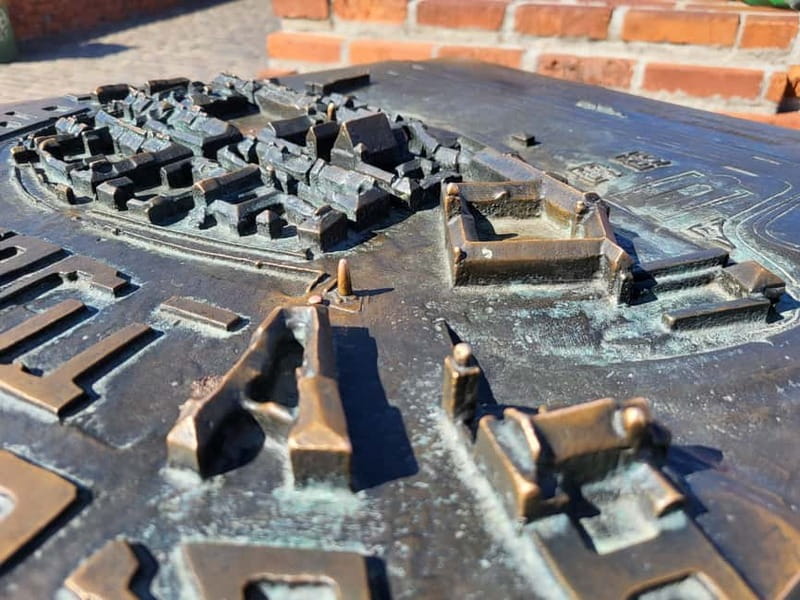
The walk finishes at Rynek Nowego Miasta. This is where the tour’s larger structure pays off: you’re not only staying trapped inside the medieval core. You also get the shift beyond the old city walls into the New Town, which the tour frames as Warsaw’s second oldest district.
Finishing in the New Town is a smart way to extend the story without adding hours. It encourages you to keep walking after the tour ends, using what you just learned as your mental map.
One small data quirk to note: the activity details say the tour ends back at the meeting point, but the itinerary lists a finish at Rynek Nowego Miasta. Either way, the safe plan is simple: confirm the exact final stop with the guide at the start, so you don’t waste time searching at the end.
The UNESCO angle: why this walk works for first-time Warsaw
UNESCO World Heritage areas can feel like a label on a brochure. This tour treats it like a framework for understanding how the city grew and changed.
The route stays inside the UNESCO borders while also reaching the “New Town” area beyond the medieval walls. That combination helps you see how Warsaw’s identity is layered: medieval core, later expansion, and then the 20th-century shock of destruction and post-war reconstruction carried out under the communist regime.
I like tours that explain the why behind the what. Here, you’re not just collecting names of places. You’re getting a city overview: how daily life might have worked in medieval times, what war broke, and what rebuilding did to the look and feel of the streets you’re standing on.
This is also where the local guide matters. A Warsaw-born guide can connect stories in ways that feel normal, not scripted. The tour’s emphasis on legends and anecdotes is part of that. It helps the UNESCO designation feel like living culture rather than museum paperwork.
Price and value: $5 for a structured 2-hour guide
At $5 per person, this tour is priced in the “seriously good value” zone. You’re not just paying for someone to point at monuments. You’re getting a professional local guide, small group format, and free maps—plus guided stops at major sights that would normally take far longer if you tried to stitch together yourself.
Two hours can sound short, but the structure is dense: you get guided blocks around key landmarks rather than long stretches of unbroken walking. That’s how budget-friendly tours still feel worth your time—you’re guided enough that the walk stays meaningful.
If you’re comparing value, consider what you would do without the guide. You’d either:
- spend more time trying to understand the city on your own, or
- pick one or two sites and miss the overall UNESCO story.
This tour gives you the overview for a price that won’t blow up your Warsaw budget. Just remember the tradeoff: it’s a focused highlight loop, not a full day of deep dives into every building.
Group size and guide style: what small groups change
This walk is set up for small groups, which makes a difference on Old Town streets. Narrow lanes, uneven sidewalks, and frequent photo moments can quickly turn a tour chaotic in a big crowd.
With fewer people, the guide can keep the pace controlled and answer questions without losing the flow. It also makes the stories feel more personal. This is especially helpful for a tour that mixes history facts, anecdotes, and legends—you want the energy to land, not get drowned out.
The tour also emphasizes being guided by true Varsovians—Poles born and raised in Warsaw. I treat that as more than marketing. A local guide can tell you what visitors often miss: the tone of the city, how neighborhoods connect, and which stories people actually keep repeating in Warsaw life.
Walk logistics you should plan for
This is a 2-hour walking tour, so wear shoes you can trust. Even if you’re only moving through one UNESCO area, the streets are old and the walking adds up.
Also, expect short guided time at each stop (usually around 15 minutes, with a longer start at the column). That structure is efficient, but it means you won’t have long to linger and read every sign.
If you want photos, I suggest doing it in quick bursts between guided segments. If you love taking your time, save deeper photo time and extra reading for after the tour when you know what each landmark is in the bigger story.
Who should book this UNESCO Old Town walking tour
Book it if you:
- want a clear overview of Warsaw’s UNESCO Old Town area plus the New Town beyond the walls
- like guided storytelling that mixes legends and anecdotes with historical facts
- are visiting for a first time and want orientation you can build on
- appreciate a local, Warsaw-born perspective rather than a generic narration
You might skip it if you:
- want a long, slow pace with extended time inside multiple museums
- plan to spend most of your day on deep interior visits and long exhibitions
- want more than a compact highlight route in just 2 hours
Should you book? My practical take
Yes, I’d book this if your goal is to understand Warsaw quickly and correctly, especially the UNESCO Old Town story and what happened through WW2 and reconstruction. The low price, small group setup, and strong local-guided structure make it a smart first stop on any Warsaw itinerary.
If you’re the type who needs long time at fewer places, then treat this as your orientation tour. After it ends, plan to return to the places that hooked you most—like the cathedral interior (when available) or the museum—so you can spend the extra time you want.
FAQ
How long is the Warsaw Old Town UNESCO walking tour?
It lasts about 2 hours.
Is the tour in English?
Yes, the live tour guide speaks English.
How much does it cost?
The price is listed as $5 per person.
Where do I meet the guide?
Meet by Sigismund’s Column. Look for a guide holding an ORANGE UMBRELLA with a British flag on top.
Where does the tour end?
The itinerary lists a finish at Rynek Nowego Miasta. The activity info also notes it ends back at the meeting point, so it’s smart to confirm the final closing spot with the guide.
What stops are included on the route?
You’ll have guided stops at Sigismund’s Column, the Royal Castle, St. John’s Arch Cathedral, the Old Town Market Place, the Warsaw Barbican, and Maria Skłodowska-Curie Museum.
Is St. John’s Arch Cathedral interior included?
The interior is included whenever there is no service.
Are the groups small?
Yes, the tour is described as small groups.
Is it wheelchair accessible?
Yes, it is wheelchair accessible.
Can I cancel and get a refund?
Free cancellation is offered up to 24 hours in advance for a full refund.
Can I reserve without paying right away?
Yes, reserve now & pay later is available.