REVIEW · NEW ORLEANS
Dark History Tour In New Orleans
Book on Viator →Operated by Jonathan Weiss Tours · Bookable on Viator
Every shadow in the French Quarter has a story.
This Dark History Tour in New Orleans is a practical, walking-friendly way to hear the darker threads that often get skipped, with true stories told in a human tone. I especially like the stop choices around iconic landmarks, and the fact that the guides are long-time locals licensed before Hurricane Katrina, so you get more than secondhand trivia.
One thing to consider: it’s a walking tour through busy streets, and the stories are intense in theme. If you prefer light-and-fast sightseeing, you may find the tone heavy and the route length (about two hours) a bit much.
In This Review
- Key highlights worth planning for
- Entering the French Quarter’s darker storylines at 5:00 pm
- Why the guide background matters more than you’d think
- The route: what each stop adds to the big picture
- St. Louis Cathedral: the oldest landmark to anchor the story
- Lafitte’s Blacksmith Shop Bar: the oldest tavern break
- Madame John’s Legacy: French architecture and one specific residence
- City Hall of the Spanish and Americans until the Civil War
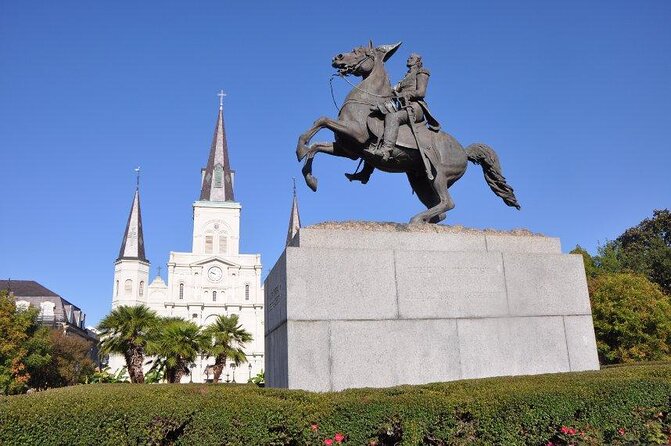
- Jackson Square: pretty design with a terrifying edge
- The storytelling style: dark, but not careless
- Group size and pace: what to expect on the street
- Value check: is $30 a fair deal?
- Who this tour is for (and who should skip it)
- Quick tips to get the most out of it
- Should you book Dark History in New Orleans?
- FAQ
- How long is the Dark History Tour in New Orleans?
- What is the meeting point and where does the tour end?
- How much does it cost?
- Are the tour stops free to enter?
- What language is the tour offered in?
- Is there a refund if plans change?
Key highlights worth planning for
- Licensed local guides with long experience in the neighborhood, including licensing before Hurricane Katrina
- Real French Quarter stops with free access at each featured landmark
- A dark-but-human storytelling style that aims to explain people, not just shock you
- Small-group feel with a maximum of 28 travelers
- A clear evening start at 5:00 pm that fits nicely into a first-night plan
Entering the French Quarter’s darker storylines at 5:00 pm
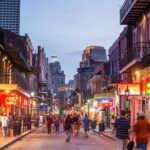
If your New Orleans plan is mostly about photo spots, this tour nudges you in a different direction. You meet at Pirate’s Alley Cafe (622 Pirates Alley, New Orleans) on the corner of Ursulines and Chartres, then head into the French Quarter streets where the history is right there in the buildings.
The timing is smart. A 5:00 pm start means you’re not fighting the midday heat, and you’re also lining up with when the Quarter starts to feel more atmospheric. It also keeps the experience compact: plan on about two hours total.
Price matters here. At $30 per person, you’re paying for guided storytelling and a focused route, not museum tickets. The stops you’ll hit also list free admission, which is a big value factor if you’re trying to keep the trip budget in check.
You can also read our reviews of more historical tours in New Orleans



Why the guide background matters more than you’d think
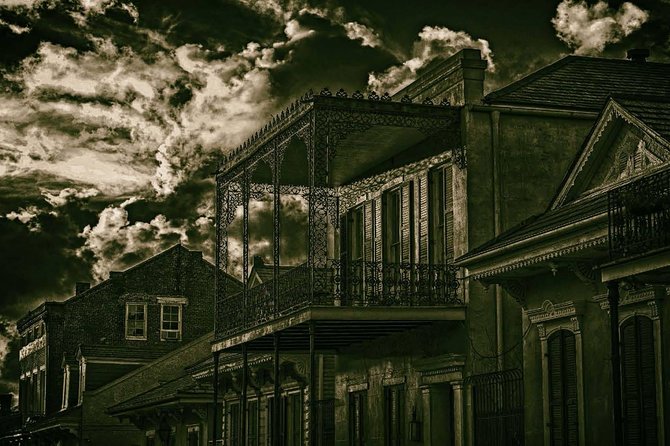
A lot of “history tours” are basically timelines with costumes. This one leans the other way: guides with deep ties to the area, including being licensed before Hurricane Katrina. That matters because it usually correlates with smoother pacing, better crowd sense, and stories anchored to what the neighborhood actually feels like.
In the reviews, I saw multiple guide names tied to high satisfaction, including Doug and Jonathan, plus the provider Jonathan Weiss Tours. That’s a useful clue for you: you’re not relying on a rotating, unknown script. You’ll still want to show up ready to listen, but the tour appears built around a guide who can connect details to the places you’re standing in.
One more practical note: the tone is described as compassionate and humanizing. That’s an important distinction for “dark history.” You’re not just getting gloom for shock value; you’re getting explanation and context for why things happened.
The route: what each stop adds to the big picture
This tour moves landmark to landmark, but it’s not just a chain of famous points. Each stop plays a role in the story, and the pacing gives you small breaks without losing momentum.
St. Louis Cathedral: the oldest landmark to anchor the story
Your first stop is St. Louis Cathedral, described as the oldest cathedral of the United States. In a walking tour like this, that’s more than a bragging right. It sets a baseline for how long the city’s spiritual and civic life has shaped the Quarter.
Expect this to feel like a “start here” moment. Even if you’ve seen pictures of the cathedral before, being there while the guide frames the darker historical threads helps you connect eras rather than treating them like separate chapters.
Also good for you: this stop lists free admission, so you’re not stuck budgeting extra time or ticket lines early in the tour.
Lafitte’s Blacksmith Shop Bar: the oldest tavern break
Next up is Lafitte’s Blacksmith Shop Bar, highlighted as the oldest tavern in the city. This is where the tour becomes easier to enjoy, because it’s a mid-route break point.
A bar stop can be risky on tours if you’re forced into buying drinks. Here, the emphasis is on the story and the pause—so you get a chance to reset your legs and mental focus. It’s also a practical location to regroup if your group includes mixed pace walkers.
If you’re the type who likes your history with atmosphere, this stop is likely one of your favorites. Taverns are where everyday people intersected with bigger events, and that’s usually where “dark history” turns from abstract to personal.






Madame John’s Legacy: French architecture and one specific residence
Then you’ll reach Madame John’s Legacy, described as one of the only French buildings in the Quarter and the only residence from the French period. That building description is already a story hook: it signals how rare surviving French-era structure is in a place that has been rebuilt and reshaped.
What I like about this stop is that it’s not just about a person’s name on a plaque. The tour treats the building as evidence—something that still stands to let you visualize a particular time period.
This is also listed as free for access, so you’re not paying extra to see the architectural link to the French period.
City Hall of the Spanish and Americans until the Civil War
From there, you’ll be in the orbit of the City Hall of the Spanish and Americans until the Civil War. Even without more detail provided here, you can see what this stop is doing. It’s shifting the frame from one ruling period to another, and in a city like New Orleans, regime changes often come with power struggles, laws, and social pressure.
If you pay attention to what the guide emphasizes at this point, you’ll likely understand how the city’s “official” buildings connect to the private lives the tour is describing.
In other words: this stop is where the tour’s theme starts to feel like more than gossip. It starts to look like systems—who had power, who didn’t, and how the city’s structure shaped people’s choices.
Jackson Square: pretty design with a terrifying edge
The final major stop is Jackson Square, described as a lovely square designed by a woman—and also as a place of absolute horror. That pairing tells you what to expect from the tour’s ending tone: you’re finishing in a bright, iconic public space that can also carry brutal history.
If you’ve ever wondered how a postcard place can hold grim realities, this stop is meant to connect those dots. It’s also a fitting closer because Jackson Square is where lots of people naturally drift. When the tour ends there, you can continue exploring with eyes opened wider.
This stop is also listed with free admission, so your last steps stay budget-friendly and low-friction.
The storytelling style: dark, but not careless
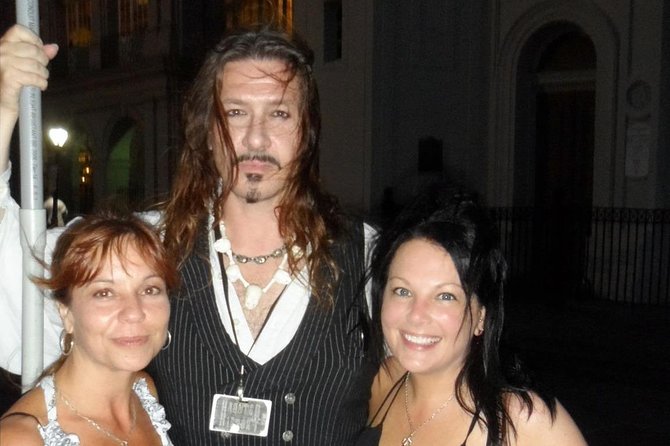
The strongest praise in the reviews clusters around guidance style and clarity. I like that the guide approach is described as knowledgeable without being theatrical. One review specifically called out a lack of gimmicky theatrics, which is exactly what I want from a dark-history walk.
I also like the emphasis on compassion. In dark tours, there’s a fine line between explanation and spectacle. Here, multiple comments point to storytelling that aims to humanize the people involved—an approach that usually feels more respectful and more informative.
That said, not every review is perfect. One review complained that a guide could be long-winded, rambled, and get off track. If you’re the kind of person who likes crisp, timed segments, you might want to keep your expectations realistic: you’re covering enough ground that stories may expand when questions come up.
Group size and pace: what to expect on the street
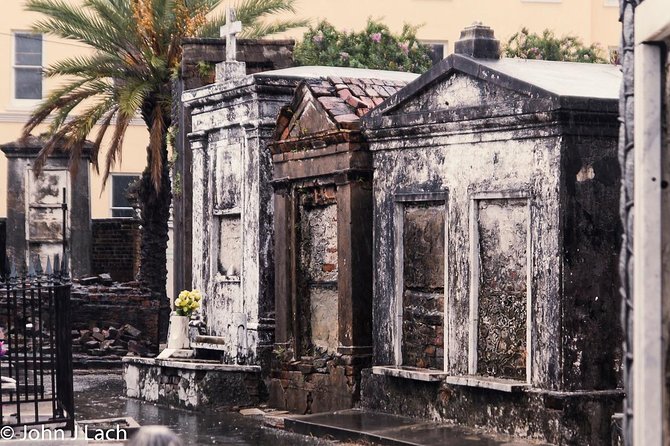
With a maximum of 28 travelers, you’re not going to feel lost in a huge crowd. It’s large enough to feel like a real tour group, but small enough that the guide can still read the room—especially at stops where foot traffic changes.
The tour is scheduled for mobile ticket use and starts at 5:00 pm. That combo matters because you’re not spending time hunting confirmations at the last second. You also get to stay in the walking rhythm rather than pausing for admin.
On pacing, the tour appears structured into short stop blocks. For you, that means you’re not committing to a long sit-down at any single place. It’s better for people who like movement and quick context, though it can be less ideal if you want a slow, linger-along kind of sightseeing.
Value check: is $30 a fair deal?
At $30 per person for about two hours, value comes from three areas:
First, you’re paying for guided interpretation, not a paid entry experience. Second, the listed stops include free access, so you aren’t layering extra costs on top. Third, the guide quality seems to be the main differentiator—multiple reviews describe high engagement, strong facts, and a guide who can make the city’s darker side make sense.
If you already plan to spend time in the French Quarter anyway, this tour is the kind of add-on that changes what you notice. You’ll likely walk away feeling like you understood more than just architecture and street names.
Who this tour is for (and who should skip it)

You’ll likely love this tour if you:
- Want a more serious French Quarter experience than the typical ghost-story circuit
- Like your history grounded in place—standing at the building while hearing what happened there
- Prefer a conversational guide style over costume theatrics
- Are comfortable with heavy themes presented with care
I’d suggest skipping (or at least considering alternatives) if you:
- Only want upbeat sightseeing or lighter cultural facts
- Get impatient with longer story explanations
- Are sensitive to dark subject matter without much humor or lightness
Also, if you go with friends or family, set expectations early. A dark history tour can feel intense even when it’s handled respectfully.
Quick tips to get the most out of it
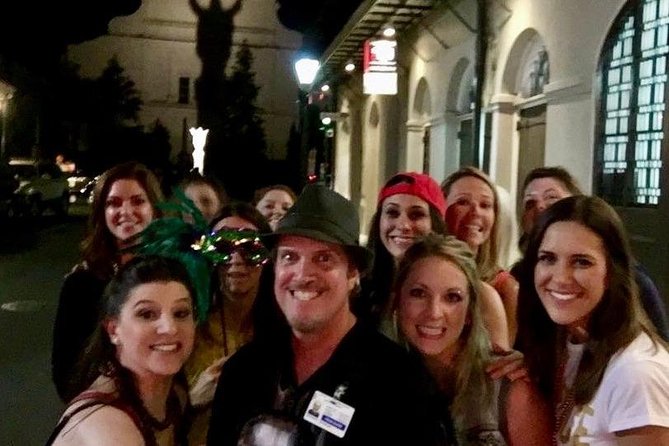
Bring a listening posture. The tour’s value is in what the guide connects—how one site’s story links to the next.
Wear shoes you trust. You’re walking between several stops in the Quarter in an evening timeframe, and the streets can get busy.
If you’re someone who likes to process in your head, plan a short decompression moment after the tour. Jackson Square is a good place to do it since you can step back into open space and let the stories settle.
Should you book Dark History in New Orleans?
Yes, if you want a French Quarter plan with meaning. The combination of free-access stops, a focused two-hour route, and guides described as strong on compassion and accuracy makes this a solid value at $30.
I’d especially book it if you like your city with context. New Orleans isn’t just pretty streets and food—it’s also layers of power, survival, and human decisions. This tour seems designed to help you see those layers without turning them into cheap shock.
FAQ
How long is the Dark History Tour in New Orleans?
It lasts about 2 hours.
What is the meeting point and where does the tour end?
You meet at Pirate’s Alley Cafe, 622 Pirates Alley, New Orleans, LA 70116 (corner of Ursulines and Chartres). The tour ends at 1035 Chartres St, New Orleans, LA 70116.
How much does it cost?
The price is $30.00 per person.
Are the tour stops free to enter?
The listed stops show free admission tickets.
What language is the tour offered in?
The tour is offered in English.
Is there a refund if plans change?
Yes. You can cancel for free up to 24 hours in advance for a full refund, and the tour may be rescheduled or refunded if poor weather cancels it.