REVIEW · CHARLESTON
Charleston History Tour /
Book on Viator →Operated by Charleston History Tours · Bookable on Viator
Charleston is the kind of place that pulls you forward. In this 2-hour history tour, I love how the route mixes big turning points (like a 1771 Constitution-ratification connection) with street-level details you can actually picture, and I also like that you get quick hits of culture like the Gullahs story instead of only buildings. The one drawback to keep in mind is that it depends on good weather, and you’ll be on your feet for the full walk.
The tour runs with a small maximum of 10 people, and it starts at 80 Broad St—one convenient central point. You’ll also appreciate the practical setup: it uses a mobile ticket, and all listed sites come with admission so you don’t have to track extra entry costs on the spot.
In This Review
- Key highlights before you go
- Why this 2-hour Charleston history walk is a smart use of time
- Starting at 80 Broad St: you’ll feel the city’s center fast
- A 1771 home tied to the Constitution ratification
- Dock Street Theater (circa 1810): where Charleston’s elegance shows up
- St. Michael’s Church (circa 1764): the oldest religious building in the city
- Rainbow Row: nine attached buildings and why the details matter
- The Battery & White Point Gardens: a defensive seawall that became a promenade
- French Huguenot Church (1844): Gothic Revival and an immigrant community’s faith
- Gullahs of Charleston: more than a side topic
- Small group size and how it changes the vibe
- What’s included (and what to bring with you)
- Who this tour is best for
- Should you book Charleston History Tours?
Key highlights before you go
- Constitution-era storytelling starting with a 1771 home tied to the U.S. Constitution ratification
- Gullah culture woven into the experience, not treated as an afterthought
- Architectural variety in a tight route, from theaters and churches to harbor defenses
- Included admissions at every stop, so the plan stays simple
- Small-group pacing (max 10), which makes questions easier
- Rainbow Row’s exact layout, nine attached buildings with the right historical context
Why this 2-hour Charleston history walk is a smart use of time
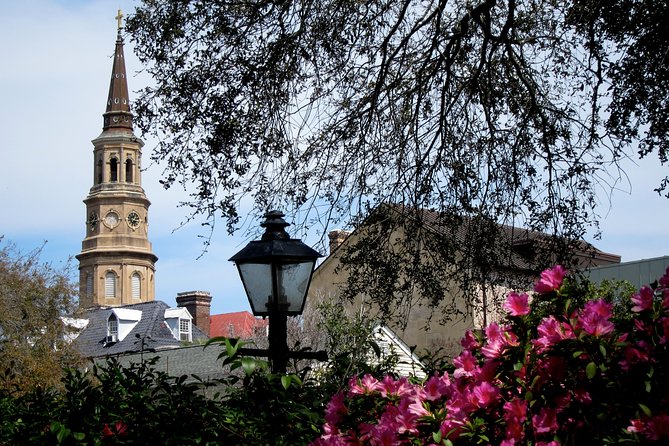
If you only have a little time in Charleston, this kind of tour is ideal. You’re not trying to cover the whole city in one day. Instead, you get a focused loop that hits major historical and cultural themes while still letting you register what you’re looking at—brickwork, church fronts, harbor walls, and those iconic waterfront views.
What I like is the balance. The tour connects political history with daily life and faith—then it adds culture through the Gullahs of Charleston. That matters because Charleston history isn’t only dates and famous names; it’s also people, communities, and how they shaped the city.
One more plus: the stops are short (around five minutes each). That keeps the pace moving and helps you see a lot without feeling stuck in one place. It’s a practical way to get your bearings and leave ready to explore on your own later.
You can also read our reviews of more historical tours in Charleston



Starting at 80 Broad St: you’ll feel the city’s center fast
The meeting point is 80 Broad St, Charleston, SC 29401, and the tour ends back there. That round-trip setup is helpful. You’re not dealing with an awkward “drop-off somewhere else” situation—especially useful if you’re pairing this with another activity later.
You’ll also like the simplicity of the mobile ticket. With a mobile pass, you can keep everything in one place and spend less time hunting for printed confirmations. Since the tour operates Monday through Saturday during the listed hours, it’s also an easy fit into many trip schedules.
The group size capped at 10 travelers is where the experience feels less like a cattle-car tour. You’re more likely to get clear answers as you walk, especially when the guide ties architecture and history together. It also makes the route feel more personal—less like you’re following a moving line and more like you’re hearing the city explained in real time.
A 1771 home tied to the Constitution ratification
The first stop is a home built in 1771, connected to the ratification of the United States Constitution. This is the part of Charleston that can feel abstract if you’ve never walked into the places where history unfolded. Having a specific building date makes it concrete. You’re standing in a place that was part of the real-world environment of the era—close enough to picture debates and decisions happening without needing a textbook.
What I appreciate here is the way tours like this can connect national events to local settings. The Constitution ratification is often taught as a series of far-off political moments. Here, you get a reminder that those decisions were tied to actual people, actual neighborhoods, and actual brick-and-timber rooms.
A small consideration: because the stop is brief, you won’t get a long museum-style deep read. If you love staying in one place for a while, just treat this as a launch point—then decide what you want to revisit afterward on your own.
Dock Street Theater (circa 1810): where Charleston’s elegance shows up
Stop next: Dock Street Theater, an ornate playhouse dating to around 1810. Even if you’re not a theater person, this stop helps you understand Charleston’s taste for craftsmanship and design. You’re looking at woodwork and the kind of structure meant for presentation—built to impress before the first line is spoken.
Tours that cover architecture well do more than point and say, “Look, pretty.” They explain what the design suggests about the time—what communities valued, what public life looked like, and how the city wanted to host culture. Dock Street Theater is a perfect example of that. The courtyard angle also helps: you can see the space as more than just a facade.
This is one of the stops you’ll likely remember later when you compare Charleston buildings across neighborhoods. It’s a visual anchor.
St. Michael’s Church (circa 1764): the oldest religious building in the city
Then you’ll move to St. Michael’s Church, dating to about 1764. The big headline is that it’s the oldest religious building in Charleston. That gives the stop immediate weight. But what makes it more interesting is the chance to see how age shows up in a real building—not just in a date on a sign.
Churches like this also tell you about Charleston’s long-term identity. Long-standing religious buildings tend to become reference points: where communities gathered, where generations passed through, and where the city kept returning over time.
Since the stop is brief, don’t expect a full guided sermon or a long interior tour time block. Think of it as a “get the meaning from the structure” moment—then use what you learn to appreciate similar religious architecture later.


Rainbow Row: nine attached buildings and why the details matter

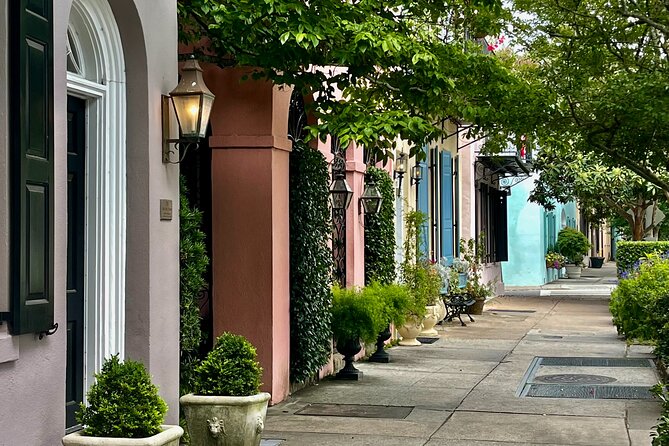
Next up is Rainbow Row, made up of nine attached buildings. The key historical detail here is that all but one predate the American Revolution. That single line changes how you read the scene. Instead of seeing it as a pretty photo street, you start seeing it as a surviving timeline.
What I like about Rainbow Row in a tour like this is the focus on structure. The buildings are attached, so you can imagine how the neighborhood functioned—how units shared boundaries, how street life ran continuously, and how architecture evolved (or didn’t) over time.
This is also a great stop if you enjoy simple but powerful visuals. You can stand there and connect the history lesson to the actual layout right in front of you. If you want photos, aim to plan for quick shots during the time window and keep your camera ready—this is one of the easier places to pause and get that “I get it now” feeling.
The Battery & White Point Gardens: a defensive seawall that became a promenade
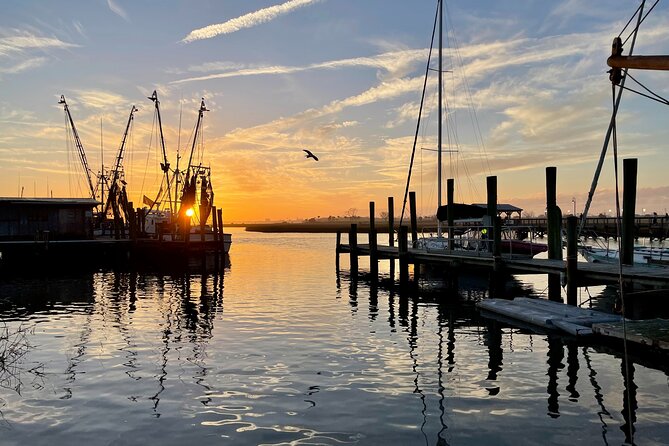
Stop four is Battery & White Point Gardens. The highlight is the Battery, a defensive seawall and promenade on Charleston Harbor. That combination—defense plus public strolling space—makes this stop special. It’s one thing to hear that Charleston was guarded. It’s another to look at a place where the city turned a hard edge into a place to walk and watch the water.
From a storytelling point of view, this is where the tour helps you understand geography as history. Coastal cities don’t just have views; they have pressures. Harbor defenses shaped how people lived, traded, built, and planned for risk.
One practical consideration: you’ll likely feel the outdoor light and breezes here. If the weather is changeable, this area can feel great one minute and chilly the next. Plan on layers.
French Huguenot Church (1844): Gothic Revival and an immigrant community’s faith
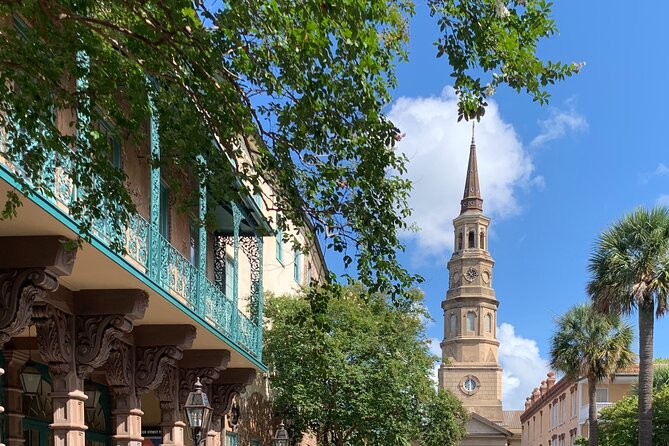
Next is the French Huguenot Church, built in 1844. It’s described as the oldest Gothic Revival church in South Carolina, and it’s also the only independent Huguenot church in the country. That’s a strong set of credentials for one stop, and it’s the kind of information that can make a building feel bigger than you expected.
If you enjoy history through culture rather than only politics, this is a standout. It points to religious migration and identity—how a group maintained its faith community and found ways to build in a new place. Even if you don’t go into the details right away, you can sense the meaning from the architecture and the fact that this church holds a unique place in the broader U.S. story.
Again, the stop time is short. Use the window to read the structure and learn the key points, then decide if you want to come back later for a longer look.
Gullahs of Charleston: more than a side topic
The tour includes learning about the Gullahs of Charleston. This is one of the most valuable parts of the experience because it shifts the focus from only “important buildings” to the living cultural history that helps explain the city’s character.
Gullah culture is tied to the Sea Islands and to the people whose lives and traditions helped shape the region. When a walking tour gives this topic real airtime, it helps you connect Charleston’s visual style to the human stories behind it.
I also like that this doesn’t feel like a random add-on. It fits the broader theme: Charleston history isn’t only what happened in meeting rooms; it’s also what continued in households, neighborhoods, and community life.
If you’re the kind of traveler who likes your city tours to answer the question What kind of people made this place? this section will land well.
Small group size and how it changes the vibe
The tour caps at 10 travelers, and that changes everything about the feel. In a small group, it’s easier for the guide to adjust pacing. You’re more likely to hear details you might miss if you’re stuck in a larger crowd.
There’s also strong evidence of guide quality behind this tour’s high rating. A standout mention in the feedback is Joyce, praised for being enthusiastic, pleasant, and able to connect history, development, military-related facts, and architectural points in a way that feels like strolling through town with a friend. Even if you don’t know your guide in advance, that gives you a clue about the tone: energetic, clear, and story-driven.
One caution from the same dataset: there’s a rare report of a guide being absent and no visit happening. That’s not typical for good planning, but it’s a reminder to show up with your confirmation ready and to treat the start time as real. If anything feels off, act quickly using the contact methods provided to you at booking.
What’s included (and what to bring with you)
Here’s the key value point: admission is included at each of the listed sites, and the tour notes that you won’t need additional payments for the sites you see. That’s a big deal in practice. You can enjoy the stops without doing math mid-walk or scrambling for tickets.
What’s not included is food and drinks. Since the tour is about 2 hours, you can usually skip a full meal, but I’d still plan ahead. If you get lightheaded easily, bring water. If you’re going in warm months, you’ll thank yourself for basic hydration.
The tour also says it needs good weather, so on days with storms or heavy rain, you might need to adjust plans if it gets canceled and rebooked.
Who this tour is best for
This works especially well if you:
- Want a high-impact Charleston overview without spending half a day in transit
- Like city history tied to real places: churches, theaters, harbors, street architecture
- Want a mix of political events and cultural context, including the Gullahs
- Prefer small groups where it’s easier to ask questions
It may be less ideal if you:
- Hate walking even short distances and want long, seated museum time
- Want a deep, interior-only experience at just one site (the stops are brief)
- Are traveling with extremely strict time blocks and can’t flex if weather changes
Should you book Charleston History Tours?
I’d book it if you want an organized, walkable route that hits major Charleston storylines in about two hours, with admissions handled and a group size that keeps things friendly. The route makes sense: Constitution-era context, major churches, postcard architecture like Rainbow Row, and the harbor defensive story in a single loop.
I’d hesitate only if you’re highly weather-sensitive or you need a guaranteed museum-length stop at one location. Also, because there’s at least one reported “no show” incident in the feedback, I recommend you show up ready to verify you’re in the right place at the start time, with your mobile ticket/confirmation accessible.
If you like your travel days practical—see a lot, learn something real, then wander freely afterward—this tour fits the bill.