REVIEW · KATHMANDU
Private Full-Day Tour of Kathmandu Valley With World Heritage Temples and Patan
Book on Viator →Operated by Unique Adventure International Pvt. Ltd. · Bookable on Viator
Kathmandu’s holiest corners fit into one day. I love the UNESCO temple circuit packed into a private route, and I also like the slow, awe-friendly time at Boudhanath Stupa. The only real drawback: it’s a long day with stairs, walking, and busy streets.
This is the kind of tour that helps you connect dots fast. You’ll move between major Hindu and Buddhist sites—plus Patan’s art-heavy squares—while a private guide explains what you’re seeing instead of leaving you to guess. Past groups have praised guides like Rohit, Noor, Ram, and Khum Subedi for being punctual, friendly, and good at handling the day’s chaos, which matters a lot in Kathmandu traffic.
Expect a smart schedule and a full plate. You start around 8:15am, hit four big UNESCO-style anchors, then spend dedicated time in Patan’s heritage core. Dress smart casual, plan for recon work at some sites after the 2015 earthquake, and bring a strong pair of legs.
In This Review
- Why This Kathmandu Valley + Patan Route Makes Sense
- Key Points You’ll Actually Care About
- The Smart Shape of a 7 to 8 Hour Day
- Swayambhunath Monkey Temple: Views and a Living Temple Hill
- Patan Durbar Square and the Temples Around It
- Boudhanath Stupa: The Best Place to Slow Down
- Pashupatinath on the Bagmati River: Rituals You Can’t Unsee
- How the Private Guide Changes the Day (And Why It Matters)
- Price and Value: What You’re Paying For at $107
- Timing, Crowds, and the Reality of Kathmandu Traffic
- What to Wear and How to Act at Religious Sites
- Who This Tour Fits Best
- Should You Book This Kathmandu Valley and Patan Full-Day Tour?
- FAQ
- How long is the Kathmandu Valley and Patan tour?
- What time does the tour start?
- Is pickup included?
- What’s included in the price?
- Is lunch included?
- What about tickets and confirmation?
- Are the sites affected by the 2015 earthquake?
Why This Kathmandu Valley + Patan Route Makes Sense
A private full-day route like this works because Kathmandu Valley sites aren’t “quick look” stops. They’re living religious places with crowds, rituals, and rules. When you have a guide and a driver, you lose less time and spend more time noticing the details that make each site feel different.
You’ll also benefit from the structure: start high at Swayambhunath for big views, then shift to Patan’s stone-and-metal craft center, and later move into the calmer, devotional rhythm of Boudhanath. Then you end at Pashupatinath, where the Bagmati River ghats bring a very direct view of how faith and daily life overlap.
Key Points You’ll Actually Care About
- Private guide + vehicle means less stress when traffic and crowds slow things down
- UNESCO sites in one loop covers Swayambhunath, Boudhanath, Pashupatinath, and Patan Durbar Square
- Time for rituals at Pashupatinath ghats helps you understand Hindu cremation practices
- Patan’s craft focus shows why this area is famous for architecture, metalwork, and fine detailing
- Entrance fees included, so you avoid surprise add-ons at each stop
You can also read our reviews of more private tours in Kathmandu

The Smart Shape of a 7 to 8 Hour Day
This is listed at about 7 to 8 hours. That’s enough time to see the main highlights without turning it into a sprint, but it’s still a full day—especially because the temples can involve steps and uneven areas.
You’ll start at 8:15am and typically move in a steady order: hilltop Swayambhu, Patan Durbar Square, Boudhanath Stupa, then Pashupatinath. That order also fits the lighting and crowd pattern you’ll likely run into. If you’re sensitive to long periods of walking, slow down in the mornings and save energy early.
The tour is private, meaning it’s only your group. That matters because you’re not stuck waiting for other people to finish photos or shopping. In feedback, guides like Rohit and Noor were singled out for keeping the pace sensible and staying helpful when people wanted extra time in smaller areas.
Swayambhunath Monkey Temple: Views and a Living Temple Hill
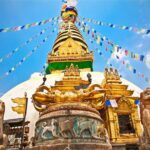
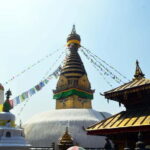
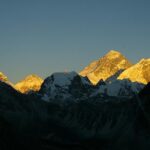
Swayambhu Mahachaitya (often called Swayambhunath or the Monkey Temple) is the first stop. It’s believed to be over 2,000 years old and is one of the world’s best-known Buddhist stupas. The hilltop setting is the point: from the peak you get excellent views of Kathmandu Valley.
What makes Swayambhu feel special is how it combines drama and everyday life. You’ll climb into a temple complex where Buddhist symbolism is visible in the stupa’s form and surroundings, and you’ll also see how people treat the space as a place to worship—not just a viewpoint.
Practical consideration: temple hills can be rough on the ankles. Even if you’re fine with walking, you’ll want shoes with grip. Also, expect monkeys near the area (the nickname exists for a reason), so keep bags zipped and avoid dangling items.
Dress code is smart casual, so you should be prepared to cover a bit as you enter sacred spaces. If you’re unsure, bring a light layer you can adjust quickly.
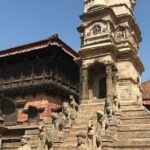
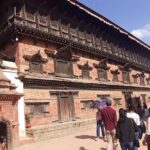
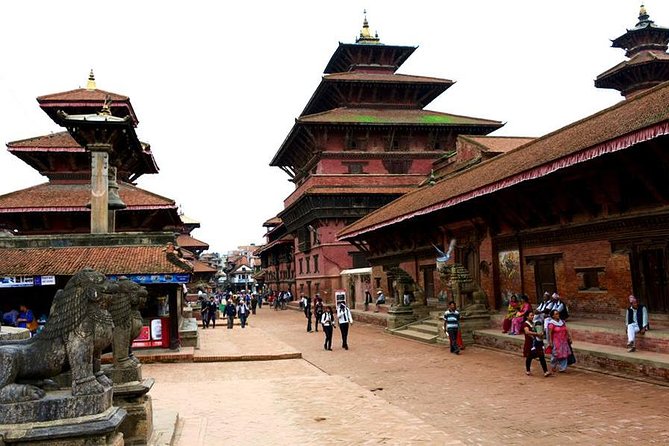
Patan Durbar Square and the Temples Around It
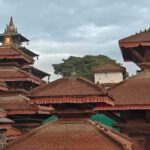
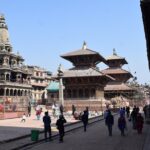
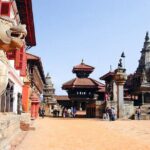
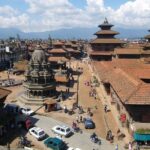
After Swayambhunath, the tour heads to Patan City, sometimes called the City of a Thousand Roofs and City of Fine Arts. This is where the day starts to shift from big spiritual landmarks to dense heritage architecture.
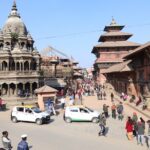
Patan Durbar Square is where you’ll see multiple temple highlights, including:
- Krishna Mandir Temple
- Golden Temple
- Bhimsen Temple
- Jagan Narayan Temple
- Bishwanath Temple
- Plus smaller features like Manga Hiti
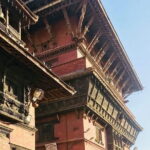
Why I like this stop for first-timers: it’s not one building. It’s a whole concentration of craftsmanship. You can look at carvings, doorways, stone details, and the layout of the square, and feel how Patan’s artisans shaped the city’s identity.
You’ll likely have about an hour here, which sounds short until you realize what you’re looking for. With a private guide, that hour becomes more than a photo run. You’ll get context for why these temples sit together and what their iconography means in practice.
One drawback to plan around: Durbar Square areas can be crowded and photo-hungry. Having your own guide helps you get your bearings fast and move to the best angles without losing patience.
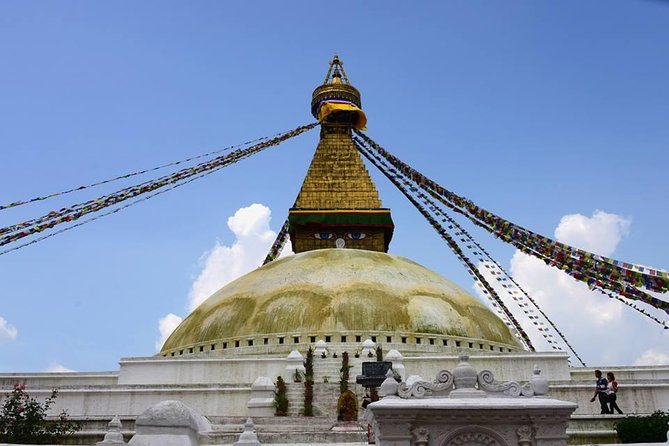
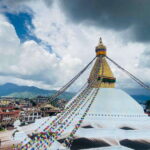
Boudhanath Stupa: The Best Place to Slow Down
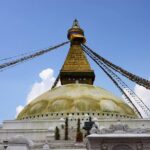
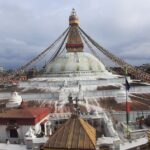
Boudhanath Stupa is one of the biggest Buddhist shrines in the world, and you spend around two hours here. This is the stop where the mood changes. Instead of rushing from one sight to the next, you can watch how people move—pausing, circling, praying, and treating the stupa as a daily reference point.
The views are a big part of it too. From Boudhanath, you don’t just get a view of the stupa—you get a sense of scale and presence, like you’re inside a spiritual center that people return to again and again.
Lunch is typically taken near Boudhanath. Here’s the key detail: lunch isn’t listed as included, so you’ll pay for your own meal. The good news is the area gives plenty of options if you want something simple and quick before you head to the final stretch.
If you’re the type who hates “sit-and-wait” tours, don’t worry. Two hours at Boudhanath isn’t empty time. It’s time to notice the stupa’s details and the flow of devotion around it.
You can also read our reviews of more historical tours in Kathmandu
Pashupatinath on the Bagmati River: Rituals You Can’t Unsee
Pashupatinath Temple is on the banks of the holy Bagmati River. This is Nepal’s most famous Hindu temple, and the tour gives you around two hours here.
The standout experience is witnessing rituals at the ghats. You may see sadhus (holy men) and pilgrims performing ritual bathing. If you’re there at the right time, you might also see funeral pyres burning on the ghats. This cremation site is used by both the royal family and everyday people nearby.
Important note for your expectations: this isn’t a staged performance. It’s a religious space where funerary rites can happen as part of real life. If you’re uncomfortable with death-related rituals, consider this carefully. On the other hand, if you want to understand the cultural logic of cremation and the place of the river in Hindu practice, Pashupatinath is where the lesson becomes real.
You should also know that some parts may be busy with pilgrims and photographers. Keep your respect level high and follow your guide’s instructions for where you can and can’t stand.
How the Private Guide Changes the Day (And Why It Matters)
With a private tour, your guide is the translation layer. They’re not just pointing at buildings; they’re explaining what you’re looking at and how people use the place. That’s especially valuable here because Swayambhunath, Boudhanath, Pashupatinath, and Patan Durbar Square each represent different traditions and different ways of seeing sacred space.
From past feedback, guides have earned praise for being cooperative and on time. Noor was described as available when needed and easy to work with. Ram was noted for being interesting and funny while keeping the day moving. Rohit was praised as a wealth of knowledge, and Khum Subedi was recognized for trust and for helping people avoid scams during their wider time in Nepal.
You might not get the same guides, but the guide quality is clearly a major part of the satisfaction here. If you care about learning and not just collecting stamps, this format fits you.
Price and Value: What You’re Paying For at $107
At $107 per person for a full-day private tour, the value comes from three big inclusions:
- Private guide and driver
- Transport by air-conditioned car or van
- Entrance fees included
Entrance fees add up fast across multiple sites, and private vehicle time is a real cost in Kathmandu traffic. If you were to piece together a similar day yourself—guide, transport, and entry tickets—you’d likely spend more time and money than you expect.
What’s not included is also clear:
- Lunch
- Drinks
- Hotel pickup and drop-off (the tour includes pickup/drop-off from central Kathmandu, so your exact access point matters)
The best way to think about value: you’re buying a smooth day that reduces friction. Kathmandu is not a “walk to everything” city for most visitors, so having a car/van and a driver is part of what you’re paying for.
Timing, Crowds, and the Reality of Kathmandu Traffic
Kathmandu can feel hectic. That’s not a complaint—it’s context. Even with a good plan, roads and crowds can slow you down. That’s why the private vehicle + guide combo is more than comfort. It’s a way to protect your time and reduce stress.
You’ll likely run into busy temple areas at most of the major stops. The good part is your route is designed to balance viewpoints, squares, and stupa time rather than stacking only one type of crowd-heavy location.
If you have limited mobility, you’ll need to take the “strong physical fitness level” note seriously. The day includes hills and temple complexes, so pace yourself early and tell your guide if you need short breaks.
What to Wear and How to Act at Religious Sites
This tour asks for smart casual dress. That usually means:
- Covered shoulders and knees are a safe baseline
- Comfortable shoes with grip for stairs and uneven ground
At Hindu and Buddhist sites, a little respect goes a long way. Keep your voice down, avoid blocking people praying, and follow instructions about where you can walk or stand.
Also: the tour notes that some sites were damaged by the devastating earthquake on April 25, 2015 and are in a reconstruction phase. That means you might see scaffolding, partial repairs, or temporary changes to how areas are accessed. Your guide will help you navigate it.
If you need it, service animals are allowed on this experience. And the sites are near public transportation, though the whole point is you’re getting a private route instead of piecing things together.
Who This Tour Fits Best
This tour is a strong match if you:
- Want major sacred sites in one day without hopping between random taxis
- Like learning about Hindu and Buddhist traditions in Nepal, not just sightseeing
- Prefer a private guide who can adjust to questions and the pace your group wants
It’s also a good fit if you’re staying near central Kathmandu and want pickup/drop-off without complicated logistics.
If you’re traveling with very small kids, you might find the temple steps and walking time challenging. If you’re sensitive to funeral cremation rituals, spend extra time thinking about the Pashupatinath stop before booking.
Should You Book This Kathmandu Valley and Patan Full-Day Tour?
I think you should book this if you want one focused day that covers the big religious anchors plus Patan’s craft-and-temple architecture. The price feels tied to real inclusions: private guide, private vehicle, and entrance fees. That combination usually means less wasted time and fewer headaches in traffic.
I’d reconsider if you hate walking on uneven ground, have strong discomfort with viewing cremation activity, or you want a slower, more flexible pace with lots of free time for shopping and wandering.
If you’re on the fence, my advice is simple: treat this as a cultural day with a purpose. Bring good shoes, plan to dress respectfully, and let the guide do the interpreting. With that mindset, the day clicks.
FAQ
How long is the Kathmandu Valley and Patan tour?
The tour is listed as approximately 7 to 8 hours.
What time does the tour start?
The start time is 8:15am.
Is pickup included?
Pickup is offered, with pickup and drop-off from central Kathmandu included. Hotel pickup and drop-off is not listed as included, so confirm your exact meeting location based on where you’re staying.
What’s included in the price?
A professional guide, a driver, private air-conditioned transport, and entrance fees are included.
Is lunch included?
Lunch is not included, but you’ll have a stop near Boudhanath Stupa where lunch is taken.
What about tickets and confirmation?
You receive a mobile ticket, and confirmation is received at the time of booking.
Are the sites affected by the 2015 earthquake?
Yes. Some sites were damaged by the April 25, 2015 earthquake and are in a phase of reconstruction. You should expect ongoing rebuilding.