REVIEW · RIO DE JANEIRO
African Heritage: Gastronomy and Musicality Experience
Book on Viator →Operated by Traveller XP · Bookable on Viator
Rio changes when you learn its African roots.
This 5-hour Rio de Janeiro tour focuses on Afro-Brazilian culture through food, music, and real landmarks—starting at MAR’s Morrinho Project, then moving through the history around the Valongo port and ending with sunset sounds near Prainha. I love that it treats African heritage as something you can taste and hear, not just read about, and it gives you a diaspory perspective that puts names and places in the right context.
Two things I really like: first, the stops are chosen to challenge common stereotypes—like seeing favela life through the Morrinho Project model at Museu de Arte do Rio (MAR). Second, the best part is that the Pedra do Sal segment is hands-on, with a Yoruba-and-Afro-Brazilian tasting and a percussion workshop led by a drummer and instructor from the African continent. One drawback to consider: the tour is not suitable if you have food restrictions, and drinks aren’t included.
In This Review
- Key Highlights You Should Know
- A Morning Route Built Around Names, Sounds, and Places
- Museu de Arte do Rio and the Morrinho Project: Favela Life as Art and Documentation
- Eduardo Kobra’s Largest Graffiti Mural: Ancient Ancestry Painted Into Modern Rio
- Instituto de Pesquisa e Memoria Pretos Novos (IPN): The Slave Period Made Physical
- Cais do Valongo and Little Africa: A Port Story with Long Cultural Echoes
- Quilombo Pedra do Sal, Outdoor Samba, and the Point of Cultural Resistance
- Afro-Brazilian and Yoruba Food at Pedra do Sal, Plus Drums You Can Feel
- Largo de São Francisco da Prainha at Sunset: Samba, Funk, Jazz, Chorinho
- Guides, Tone, and Why the Perspective Feels Different
- Price and Value: What $110 Buys You in Real Experience Time
- Who Should Book This (and Who Might Not)
- Should You Book This African Heritage Tour?
- FAQ
- How long is the African Heritage: Gastronomy and Musicality experience?
- What time does the tour start, and where does it end?
- What’s included in the price?
- Is the percussion workshop included?
- Are drinks included?
- Is the tour suitable for people with food restrictions?
- Can I cancel for a full refund?
Key Highlights You Should Know
- Morrinho Project at MAR reframes favela life through a detailed, permanent scale model
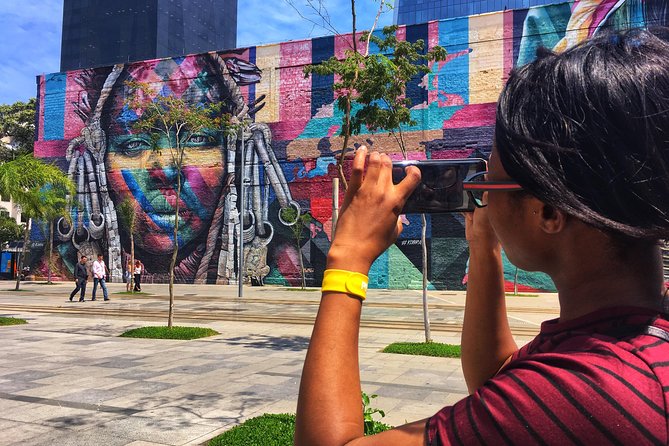
- Eduardo Kobra’s massive mural connects Brazil’s visual culture to ancestral ethnic groups
- Pretos Novos (IPN) uses an archaeological site and a permanent bone exhibition to explain the slave period
- Cais do Valongo and Little Africa ties the port history to Afro-descendant traditions
- Pedra do Sal blends African-inspired gastronomy with an instructor-led percussion workshop
- Largo de São Francisco da Prainha gives you a sunset scene with samba, funk, jazz, and chorinho nearby
A Morning Route Built Around Names, Sounds, and Places
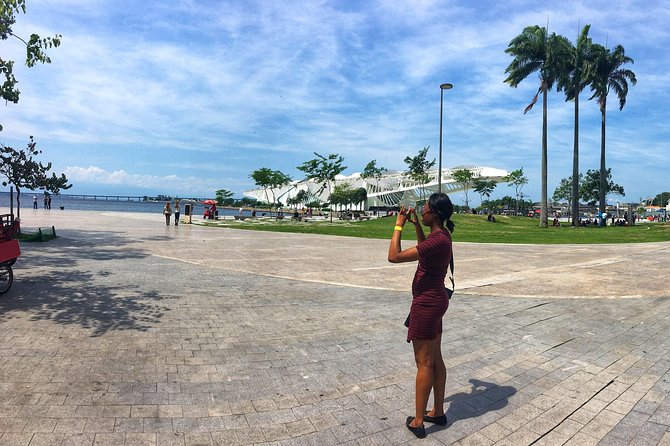
This tour runs about 5 hours, starting at 10:00 am near Praça Mauá (by Museu do Amanhã) and ending at Largo de São Francisco da Prainha. It’s a private experience, meaning only your group participates, which matters here because the content is personal and history-heavy—you’ll get time for questions instead of rushing through.
You’ll also notice a theme in the way the day is built: you’re not just walking from one “photo spot” to the next. You’re moving through a chain of Rio stories—how enslaved Africans and their descendants shaped religion, music, community life, and food, while fighting to keep culture alive.
If you like tours that give you context and help you read a city the way locals experience it, this one fits. If you’re on the kind of trip where you want everything to be light and purely scenic, you might find some stops emotionally heavy. It’s not all heavy, though—the day ends with music outside.
You can also read our reviews of more historical tours in Rio de Janeiro


Museu de Arte do Rio and the Morrinho Project: Favela Life as Art and Documentation
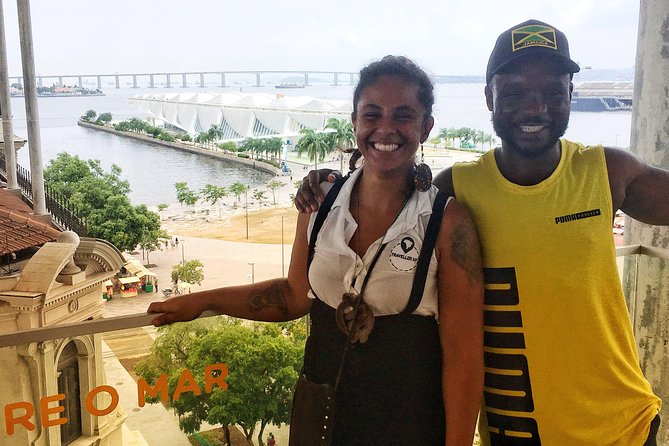
The day starts at the Museu de Arte do Rio (MAR) with the Morrinho Project, a permanent installation on display there. This part is special because it does something that Rio stereotypes rarely do: it gives you a close, human view of everyday life inside the Pereira da Silva favela, using a highly detailed model that reproduces streets, inhabitants, and daily routines.
What I like about this approach is that it flips the usual framing. Instead of treating favelas as a problem to be talked about from afar, Morrinho shows them as communities with texture—routine, relationships, and social life. It’s also a good mental warm-up for the rest of the tour because it prepares you to see Afro-descendant culture as lived experience, not just museum content.
A practical note: the stop is about 25 minutes and includes free admission, so it’s not a marathon museum session. You’ll want to bring curiosity and a calm pace—look closely at the details and listen to the guide’s explanations. If you come in expecting a quick photo op, you’ll miss the point.
Eduardo Kobra’s Largest Graffiti Mural: Ancient Ancestry Painted Into Modern Rio
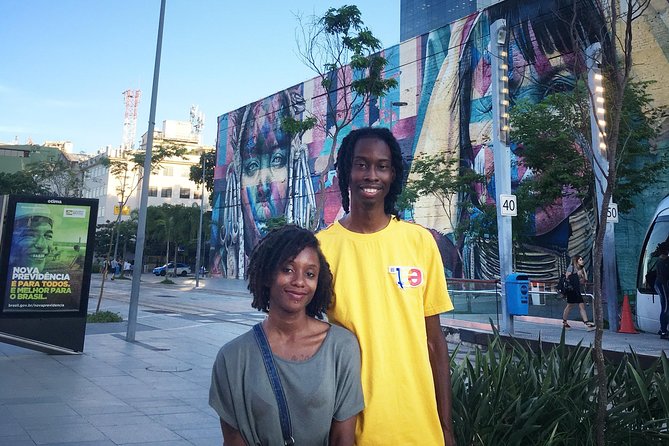
From MAR, the route moves to contemplate Eduardo Kobra’s work—the largest mural of graffiti in the world. The framing here is about ancestry. You’ll be looking at aspects tied to very old cultures and ancestral ethnic groups that connect back to Brazil’s history in direct and indirect ways.
This stop works well after Morrinho because it keeps the same idea going: culture is not stuck in the past. Kobra’s mural places ancestral references into a public, city-wide visual language. It’s a reminder that Brazilian identity shows up in art you can’t ignore—especially in places where the city is always changing.
You might find this portion more visual than “lecture,” which can be a good break from heavier historical stops. Still, you’ll get the historical interpretation that turns the mural from decoration into a statement.
Instituto de Pesquisa e Memoria Pretos Novos (IPN): The Slave Period Made Physical
Next comes the Instituto de Pesquisa e Memoria Pretos Novos (IPN). The focus here is archaeological and memorial: you’ll visit the site and see the permanent exhibition of bones of Africans discovered there. The guide’s explanations connect this directly to what the slave period meant in Brazil and why this evidence changes how people understand that history.
This is the most emotionally intense segment for many people, and it’s timed to keep you grounded—around 40 minutes. What makes it valuable is that it doesn’t stay abstract. The exhibition forces the history to be concrete, and the way the guide frames it helps you understand why remembrance matters, not just politically, but culturally and personally.
Just be aware: because this stop deals with human remains, it’s not a good fit if you need a very light day. If you’re okay with serious history, though, IPN is exactly the kind of place that makes a tour like this more than sightseeing.
Cais do Valongo and Little Africa: A Port Story with Long Cultural Echoes
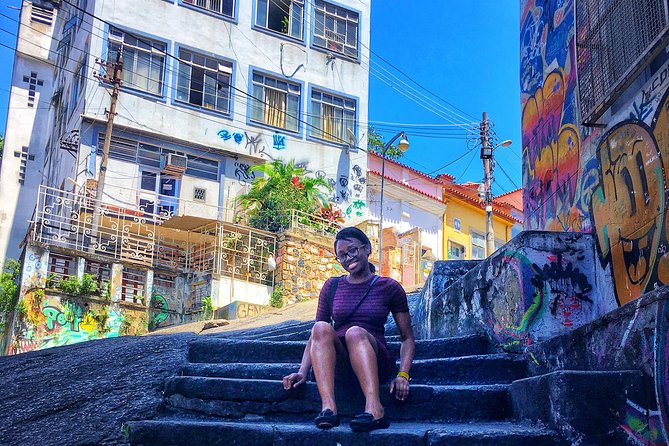
Then you head to the Cais do Valongo, the Historical Site of the Pier of Valongo, plus the surrounding area known as Little Africa. You’ll learn the history of the pier and why this region matters, not only for Rio, but for human history.
What I appreciate here is the way the tour connects a location to ongoing cultural traditions. You’re not just learning that a port existed. You’re learning that it became a crossroads where people were forced into new realities—and where Afro-descendant communities later built traditions that still shape Rio today.
This stop is short (about 15 minutes for this part), so you’ll likely want to slow down for a minute and absorb the setting before moving on. Even if you only spend a quarter-hour here, it acts like a hinge: after this, the day shifts from historical sites to cultural survival and everyday joy.
Quilombo Pedra do Sal, Outdoor Samba, and the Point of Cultural Resistance
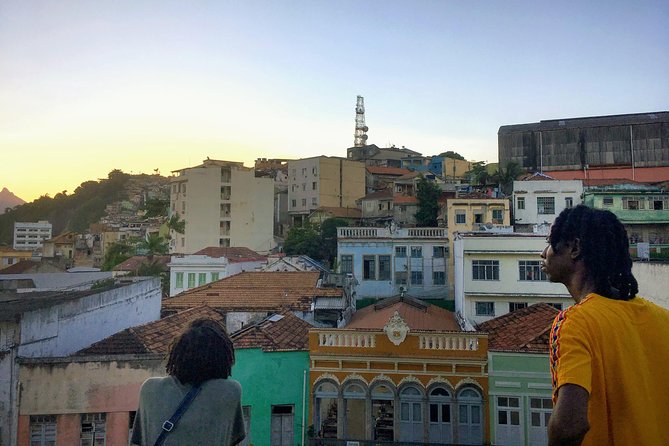
Pedra do Sal is where the tour starts feeling more like a lived cultural day. You’ll meet the remaining community connected to Quilombo Pedra do Sal, described as a place of cultural resistance essential for the survival of Afro-descendants and the preservation of heritage.
The key detail here is the weekly outdoor samba sessions. That matters because it shows heritage as something practiced now, not just remembered in the past. When culture survives in public spaces—through music, gathering, and daily repetition—it becomes harder for outsiders to reduce it to stereotypes.
This section sets up the next part perfectly: food and drumming. Pedra do Sal isn’t treated as a topic. It’s treated as a community rhythm.
Afro-Brazilian and Yoruba Food at Pedra do Sal, Plus Drums You Can Feel

The heart of the experience is the Pedra do Sal segment, lasting about 3 hours with the ticket included. You get two big components here:
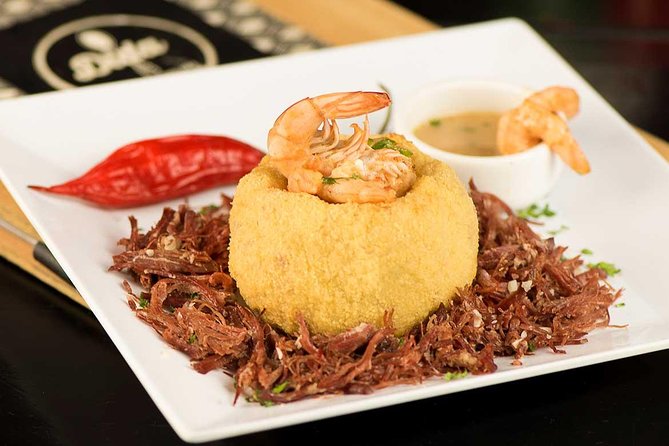
1) A tasting of typical dishes of Afro-Brazilian and Yoruba cuisine.
The tour connects these dishes to daily practice in religions of African origin. It’s one thing to hear about Yoruba cultural influence, and another to taste flavors linked to ritual and community life.
2) A percussion workshop with an instructor and drummer from the African continent.
This is where the tour becomes physical and joyful. Drumming turns history into rhythm, and rhythm turns learning into something you remember. You’re not just watching from the edge—you’re participating in the musicality that influences people to this day.
A key caution from the tour details: it’s not suitable for people with food restrictions. If you have dietary needs, you’ll want to rethink this tour unless you can safely eat what’s provided. Also, drinks aren’t included—so plan on grabbing something elsewhere if you need it during the longer food-and-music block.
Largo de São Francisco da Prainha at Sunset: Samba, Funk, Jazz, Chorinho
The tour ends at Largo de São Francisco da Prainha in the neighborhood of Saúde. When the sun sets behind Morro da Conceição, the square comes alive with the sounds of samba, funk, jazz, and chorinho.
This part is not about monuments. It’s about atmosphere. The square has outdoor seating, and you’ll find cold beers and snacks from local bars nearby, making it an easy place to relax and let the day land in your body and ears. The area is also surrounded by Portuguese architecture, so you’re getting a sense of Rio’s layers—old and new in the same view.
It’s only about a 15-minute stop in the tour’s timing, but it’s a smart closer. You finish where Rio’s musical mix is audible and social, not locked behind glass.
Guides, Tone, and Why the Perspective Feels Different
One thing I’d call out is that the guides on this tour—people like Isabella and Jaíse—bring an Afrocentric perspective and make the material easy to follow. In the way the tour is described, the goal is not just to list events. It’s to explain how Afro-descendant culture shaped Rio’s daily life, from religion and food to public music.
That tone matters. A lot of history tours can feel like a lecture where you’re trying to memorize dates. This one uses places and culture as the structure, so the history sticks through sensory details: what you see, what you taste, and what you hear.
Price and Value: What $110 Buys You in Real Experience Time
At $110 per person for about 5 hours, the value is mostly in what you get included. You’re paying for guided interpretation across multiple major stops, plus:
- Afro-Brazilian gastronomy tasting
- IPN tickets
Several other stops are listed with admission ticket free. So you’re not paying extra entry fees repeatedly just to access the core content. Also, the tour is private—only your group participates—which usually costs more in Rio when you find similar history-and-culture itineraries.
The main thing that’s not included is drinks. Plan to handle beverages separately, especially around the longer Pedra do Sal portion.
If you measure value by “how much of the day feels hands-on,” this one scores high. Food is included, percussion is included, and the ending is a music scene you can actually enjoy.
Who Should Book This (and Who Might Not)
This tour is a strong match if you want:
- A cultural and historical Rio that focuses on African heritage through real places
- Food and music that are part of learning, not an afterthought
- A route that challenges stereotypes using art installations, memorial sites, and community spaces
You might want to skip or reconsider if:
- You have food restrictions (the tour states it’s not suitable)
- You prefer lighter content and would rather avoid a stop connected to human remains
In terms of comfort, the tour says service animals are allowed and that it’s near public transportation. It’s also described as suitable for most participants, with that food restriction note being the big limitation.
Should You Book This African Heritage Tour?
Yes, I’d book it if you’re trying to understand Rio beyond beaches and nightlife. The best reason is simple: it connects Afro-Brazilian culture to the city’s physical geography—MAR, IPN, Valongo, Pedra do Sal, and Prainha—and then adds the parts that make it memorable: tasting food and playing percussion.
If your main goal is pure sightseeing with minimal emotional weight, look elsewhere. But if you want a day where history turns into something you can taste, hear, and discuss afterward, this tour offers real value for the price and a solid, human perspective on what Rio is built from.
FAQ
How long is the African Heritage: Gastronomy and Musicality experience?
It runs for about 5 hours.
What time does the tour start, and where does it end?
It starts at 10:00 am at Museu do Amanhã, Praça Mauá, 1 – Centro, Rio de Janeiro, and ends at Largo de São Francisco da Prainha in Saúde.
What’s included in the price?
The price includes Afro-Brazilian gastronomy tasting and IPN tickets.
Is the percussion workshop included?
Yes. The percussion workshop at Pedra do Sal has the ticket included.
Are drinks included?
No, drinks are not included.
Is the tour suitable for people with food restrictions?
No. It’s not suitable for people with food restrictions.
Can I cancel for a full refund?
Yes. You can cancel up to 24 hours in advance for a full refund, based on the experience’s local time.