REVIEW · RIO DE JANEIRO
Rio de Janeiro: Little Africa Heritage Walking Tour
Book on GetYourGuide →Operated by Sou Mais Carioca · Bookable on GetYourGuide
Rio’s Little Africa tells a story you can walk through. I love how this tour connects Brazil’s colonial past to what you see on the streets today, especially the samba birthplace stop at Pedra do Sal. I also love the rooftop pause for views over Mauá Square and Guanabara Bay. One consideration: it’s a rain-or-shine, 150-minute walk, so plan for heat, sun, and a steady pace for 2.5 hours.
I’ve seen guides like Luana, Nathalia, Marina, Eddie, and Larissa described as the heart of the experience: they keep the group moving while turning heavy topics into something you can actually follow. If you want a Rio tour that teaches you how and why modern culture was shaped by African lives, this is a strong pick.
In This Review
- Key highlights you’ll feel while you’re there
- Entering Rio’s Port World: why Little Africa matters
- Starting at Museu de Arte do Rio: get the story before you move
- Rooftop views over Mauá Square and Guanabara Bay
- Morro da Conceição: the neighborhood walk that sets your pace
- Largo da São Francisco da Prainha: where African influence shows up in food
- Mercedes Baptista: Afro dance, firsts, and the power of recognition
- Pedra do Sal: samba’s birthplace and why the site is so special
- Jardim Suspenso do Valongo and Cais do Valongo: the port story you can’t ignore
- Guides are the difference: how the best storytelling changes the whole walk
- Price and time: is $40 good value for 150 minutes?
- Rain or shine: what to bring and how to make the walk easier
- Who should book this Little Africa tour
- Should you book this tour?
- FAQ
- Where does the tour start?
- How long is the Rio Little Africa Heritage Walking Tour?
- Is the tour offered in English?
- Is hotel pickup and drop-off included?
- What weather is the tour like?
- What should I bring?
- Is the tour suitable for young children?
- How early should I arrive, and how long will the guide wait?
Key highlights you’ll feel while you’re there
- Rooftop perspective at Museu de Arte do Rio with Mauá Square and Guanabara Bay in view
- Pedra do Sal and the birth of samba in the oldest continuously inhabited black neighborhood in the country
- Mercedes Baptista’s legacy through a statue honoring a forerunner of Afro dance
- African influence on Brazilian food while you walk Largo da Prainha
- Valongo’s story of arrival and survival, ending at the Hanging Garden of Valongo and Cais do Valongo
Entering Rio’s Port World: why Little Africa matters
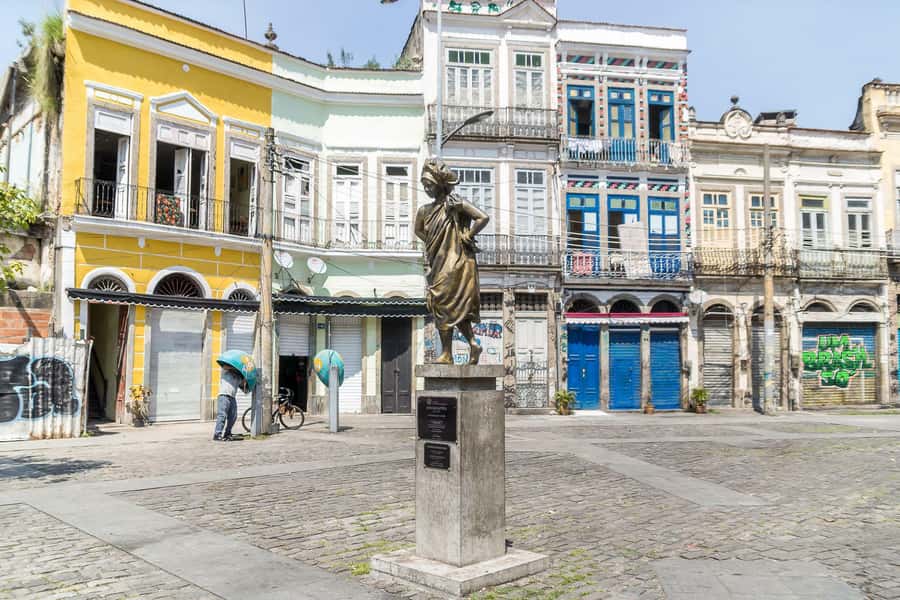
This walking tour focuses on the port-side neighborhoods of Rio de Janeiro that became known as Little Africa around the turn of the 20th century. The area’s story starts earlier, though, when the slave trade was illegal and freed people still worked and built community in the same zones.
What makes the experience feel different from a typical city walk is that the sites aren’t just monuments. They’re anchors. Each stop helps explain how African cultures shaped Brazilian music, dance, food, and social life—while also acknowledging the violence and discrimination that came with Brazil’s slavery system.
If you like understanding a place in layers, you’ll get that here. And if you don’t usually seek out social history on vacation, this tour is one of the easier entry points because it ties ideas to exact street corners and landmarks.
You can also read our reviews of more tours and experiences in Rio De Janeiro.

Starting at Museu de Arte do Rio: get the story before you move
The tour meets at the front of Museu de Arte do Rio. Plan to arrive about 5 minutes early, because the guide can only wait 15 minutes if you’re late.
Before you start turning down streets, you’ll get a short introduction about Brazil during the colonial period. This matters more than it sounds. Rio’s African heritage isn’t something that appears on a billboard by itself—it’s the result of laws, labor systems, and forced migration. Setting that context early helps the rest of the walk make sense instead of feeling like disconnected facts.
There’s also a break built in. Expect a short pause so you can reset your legs and hydrate before continuing.
Rooftop views over Mauá Square and Guanabara Bay
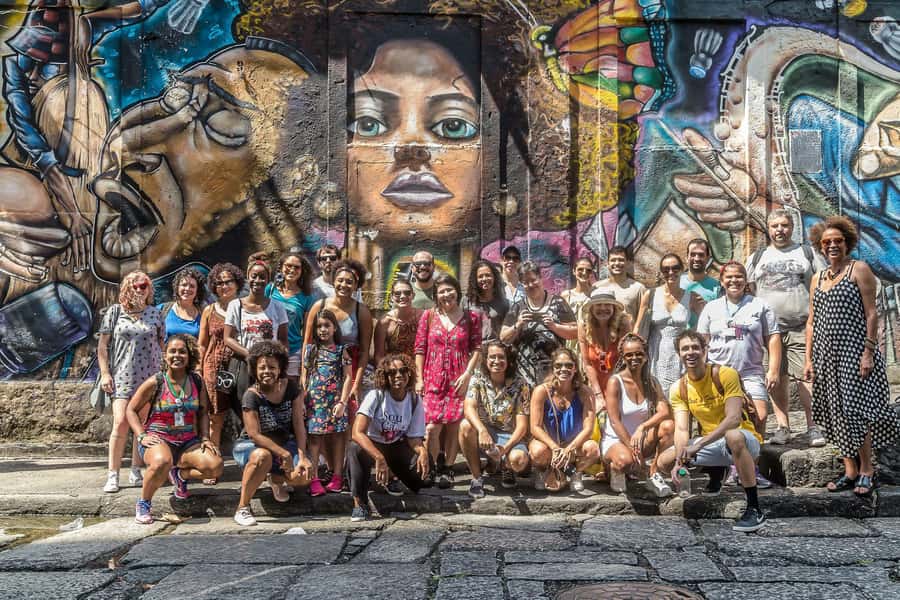
Right after the orientation, there’s a rooftop moment at the Rio Art Museum. You’ll admire the view of Mauá Square and Guanabara Bay from above.
This is a smart design choice. From street level, the port area can feel flat and busy. From the rooftop, you start to see how this part of the city works—how the coastline and the square relate to the neighborhoods you’ll walk through afterward. It’s the kind of visual cue that makes later stops click.
Take a few minutes here even if you think you’ve already seen Rio from viewpoints. This one has a specific purpose: it helps you connect the geography to the history of movement through the harbor.
Morro da Conceição: the neighborhood walk that sets your pace
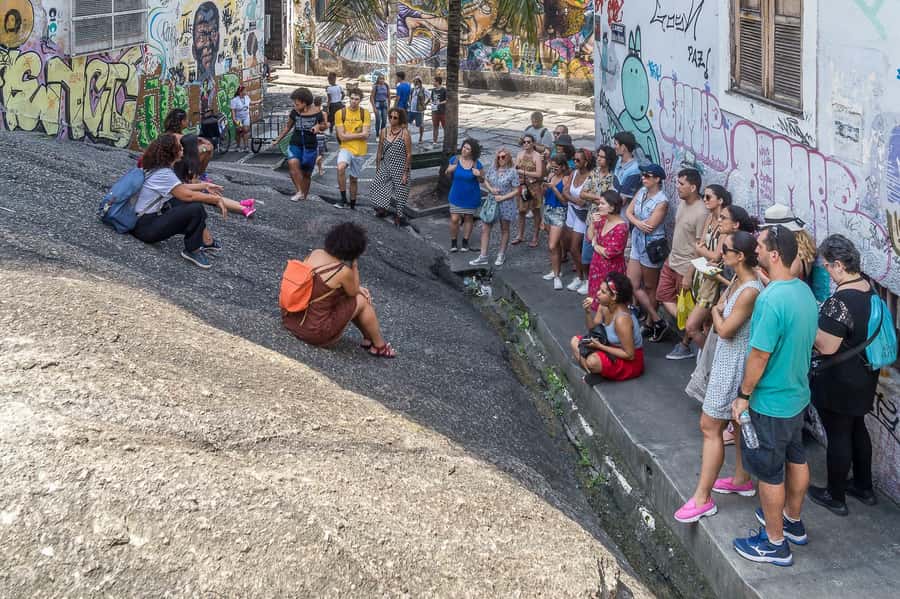
The route includes Morro da Conceição, where you’ll take a guided walk of about 20 minutes. Even without a formal “main attraction” vibe, this segment is important because it helps you settle into the rhythm of the tour.
Morro neighborhoods are never just backdrops. They change sight lines, add steepness, and create micro-neighborhood identities. Getting that feel early helps you understand why people formed community where they did—and why certain landmarks became cultural focal points.
Practical tip: wear shoes you trust. This is not a shuffle tour. You’re walking with intention, and the terrain can matter.
Largo da São Francisco da Prainha: where African influence shows up in food
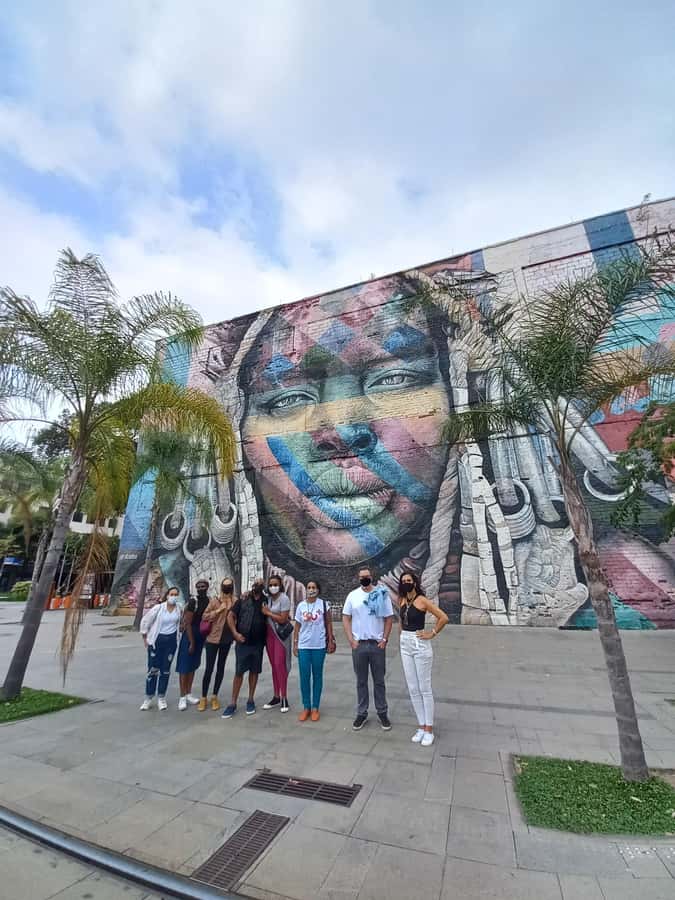
Next you’ll reach Largo de São Francisco da Prainha for a guided visit. From here, the tour leans into how African influence shaped Brazilian gastronomy, not just music and dance.
Food history is a helpful angle because it’s everyday and tangible. You don’t have to search for an abstract connection. You can listen to the story and then picture what that influence tastes like in Rio now.
One thing to keep in mind: this stop is part of a longer walking chain, so don’t expect to linger like you would in a museum. The goal is understanding, not collecting souvenirs or spending hours at one plaque.
You can also read our reviews of more historical tours in Rio De Janeiro

Mercedes Baptista: Afro dance, firsts, and the power of recognition
At another point along the walk, you’ll see a statue erected in honor of Mercedes Baptista. She’s described here as a forerunner of Afro dance in Brazil and the first black dancer at the Municipal Theater in Rio de Janeiro.
This stop does a good job of linking art to social change. When you hear about Baptista’s place in dance history right next to the neighborhood story, it becomes clearer why cultural achievement mattered so much. It wasn’t only self-expression—it was visibility, opportunity, and a challenge to exclusion.
If you’re interested in how culture pushes back against power structures, this is one of the most meaningful moments on the route. Also, because it’s a statue, you can take photos and still stay present for the explanation.
Pedra do Sal: samba’s birthplace and why the site is so special
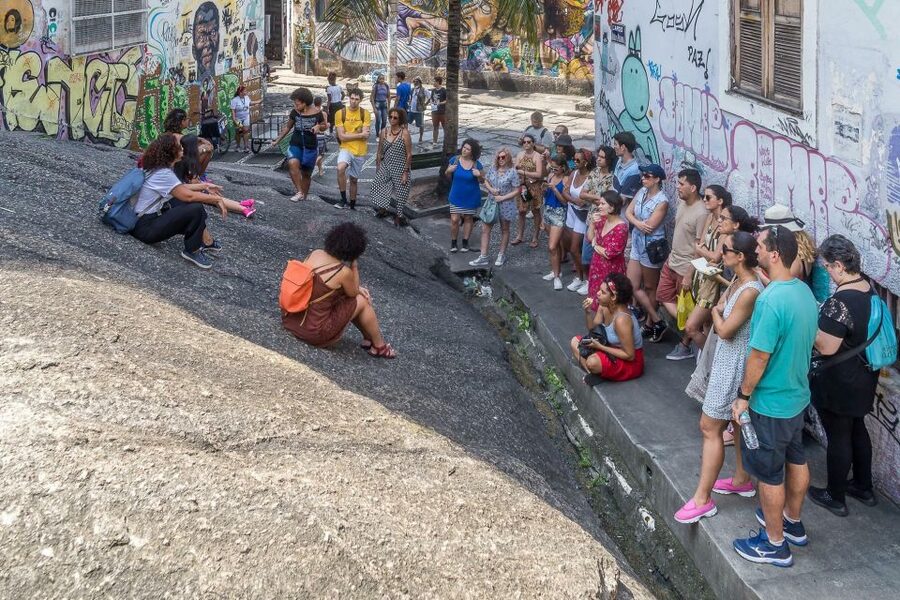
Then comes one of the headline moments: Pedra do Sal, described as the place where samba was born. You’ll also learn that the surrounding area is considered the oldest continuously-inhabited black neighborhood in Brazil.
This is where the tour earns its name. Instead of treating samba like an entertaining side note, the walk frames it as a cultural product of African community life in Rio—born from creativity under constraint.
A practical way to enjoy this stop: listen for what your guide emphasizes about connection. The point isn’t just that samba started here. The point is how people built music as identity, solidarity, and survival.
Plan to spend your full attention here, because it’s both historical and emotional. Expect the guide to handle sensitive topics with care while keeping the story readable.
Jardim Suspenso do Valongo and Cais do Valongo: the port story you can’t ignore
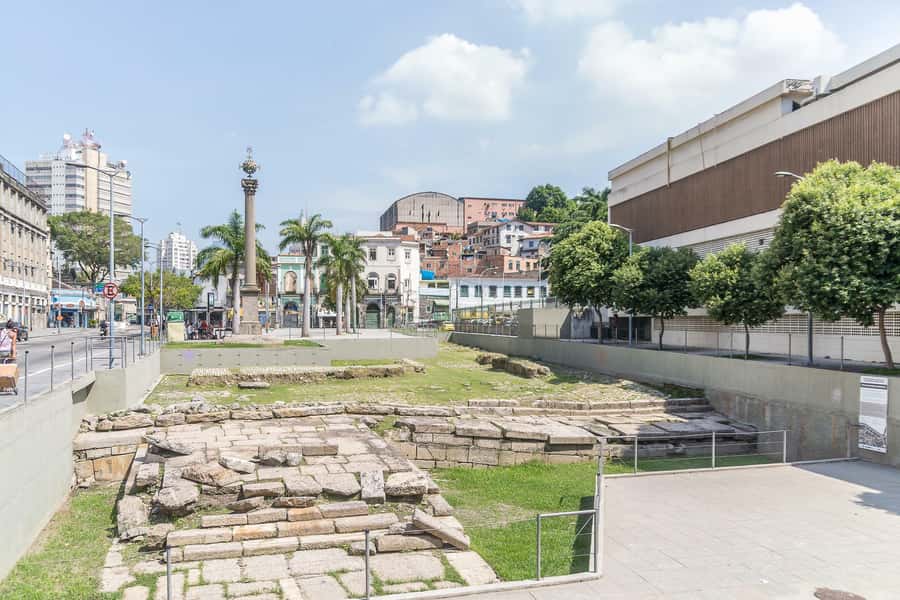
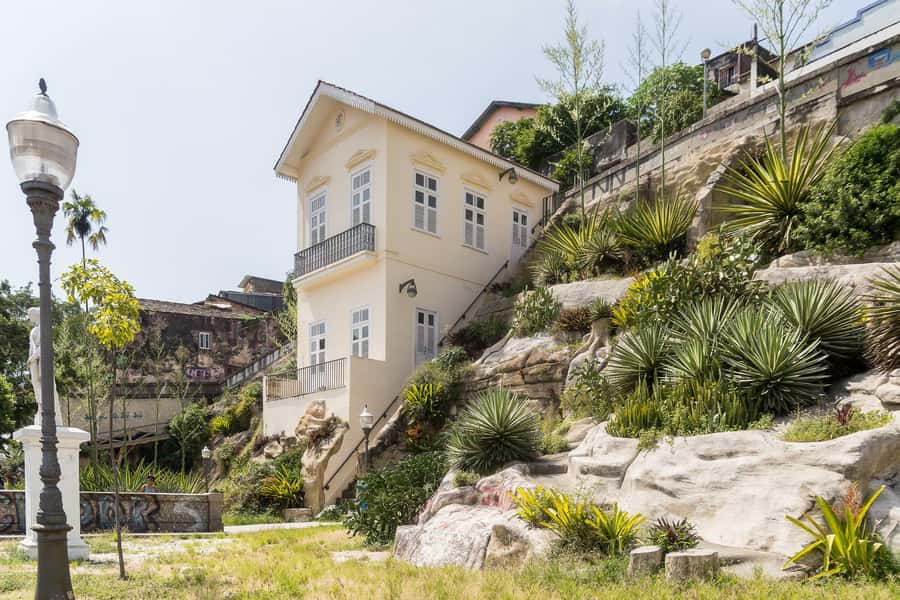
The final stretch centers on Valongo’s key sites. You’ll visit the Jardim Suspenso do Valongo (Hanging Garden of Valongo) and then finish at Cais do Valongo, returning to the Museu de Arte do Rio.
This area is tied to the port system and to the movement of enslaved Africans and laborers through Rio. Even if you’ve heard bits of the history before, seeing these places as physical points in a walk helps the story feel real. You’re not just remembering dates—you’re standing where the consequences landed.
The Hanging Garden stop is especially useful because it turns a tough subject into something you can orient around. Then Cais do Valongo brings you right back to the harbor edge, where the history of arrival is impossible to distance yourself from.
If you need a mental note: this is where the tour shifts from learning about cultural roots to confronting the scale of suffering and the resilience that followed.
Guides are the difference: how the best storytelling changes the whole walk
A major reason this tour gets such high marks is the guide quality. Names that come up again and again include Luana, Nathalia, Marina, Eddie, and Larissa. The consistent theme is storytelling plus people skills.
Here’s what that means for you on the ground:
- You’ll get context for why the sites matter, not just what they are.
- You can ask questions, and your guide will pace the conversation so it stays respectful.
- Heavy topics like slavery, structural racism, and sexism get handled with sensitivity while still keeping a clear thread.
Some guides also use performance-style explanations—using tone, facial expressions, and acting-like moments to make points land. One guide was even described as balancing serious subjects with humor, which is useful when you want your brain to stay engaged without shutting down.
Bottom line: if you book this, treat the guide as part of the attraction. Their approach is what turns a checklist of landmarks into a story you’ll carry.
Price and time: is $40 good value for 150 minutes?
At $40 per person for about 150 minutes, the value comes from two things you usually don’t get on short walks: depth and pacing. You’re not rushing through a few photos. You’re getting a guided thread that ties colonial history to modern cultural identity, plus multiple landmark stops that match that thread.
You also get:
- A live guide in English
- A short break during the walk
- Access to viewpoints like the rooftop moment for Mauá Square and Guanabara Bay
What you don’t get is hotel pickup or drop-off. That’s normal for a walking tour, but it matters for planning. You’ll want to be near the meeting point at Museu de Arte do Rio so you can start smoothly.
If you like “pay for insight” experiences instead of “pay for a route,” this price makes sense. You’re buying context you can’t easily piece together on your own in the same time.
Rain or shine: what to bring and how to make the walk easier
This tour runs rain or shine. So you’ll want gear that doesn’t fall apart in a surprise drizzle.
Bring:
- Comfortable shoes
- Sunscreen
- Water
- Comfortable clothes
Also, plan your expectations for weather and footing. Many parts of Rio involve sun, glare, and heat, and your legs will notice if you’re wearing the wrong shoes.
A simple strategy: treat the 10-minute break as your hydration checkpoint, not a sightseeing pause. Refill water, take a breath, and get ready for the next stretch.
If you want to add a food plan: the walk includes stops tied to gastronomy, and some guides have directed groups toward nearby places for coffee or snacks. After the tour, it’s smart to ask your guide what’s close by and what’s worth the time.
Who should book this Little Africa tour
This is a great fit if:
- You want to understand Rio’s African roots beyond the usual beach-and-view itinerary
- You enjoy guided storytelling tied to real places
- You’re comfortable with sensitive history and want context, not gloss-over
It may be less ideal if:
- You’re looking for a light, purely entertaining tour
- You hate walking for 2.5 hours outdoors
- You’re traveling with children under 5, since it’s not suitable for that age group
Should you book this tour?
Yes, if your goal is to leave Rio with real context. The standout quality here is how the story is taught: the route connects colonial-era history to cultural outcomes you recognize today, from samba at Pedra do Sal to Afro dance legacy through Mercedes Baptista.
Book it if you care about understanding how communities form and endure in a city shaped by the port and by forced migration. And book it prepared—comfortable shoes, water, sunscreen—because this is a walk, not a sit-and-stare museum visit.
If you’re only short on time and want maximum meaning per hour, this one delivers.
FAQ
Where does the tour start?
Meet your guide in front of Museu de Arte do Rio.
How long is the Rio Little Africa Heritage Walking Tour?
The tour lasts about 150 minutes.
Is the tour offered in English?
Yes. The tour is offering only in English, with a live English guide.
Is hotel pickup and drop-off included?
No. Hotel pickup and drop-off are not included.
What weather is the tour like?
The tour runs rain or shine.
What should I bring?
Bring comfortable shoes, sunscreen, water, and comfortable clothes.
Is the tour suitable for young children?
No, it is not suitable for children under 5 years old.
How early should I arrive, and how long will the guide wait?
Arrive about 5 minutes before the activity starts. The guide can wait up to 15 minutes in case of delays.