REVIEW · ROME
Rome: Colosseum Arena Floor, Roman Forum and Palatine Hill Tour
Book on Viator →Operated by Enjoy Rome · Bookable on Viator
You only need one hour in the Colosseum to get it. This 3-hour guided route pairs arena-floor access with the Roman Forum and Palatine Hill so you see how Rome worked, not just how it looked. It’s one of the best ways to turn big ruins into a clear story.
I like that you get a guided plan through the big-ticket spaces, with live narration and an audioset so you’re not stuck guessing what you’re looking at. The trade-off: you’re on your feet a lot, and if the weather turns ugly, arena-floor access can be limited without notice.
In This Review
- Key things I’d zero in on
- Why the Arena Floor Changes This Tour
- Meeting Point, Pace, and the 3-Hour Rhythm
- Colosseum: Tiers, Stories, and the Gladiators’ Gate Moment
- Roman Forum: Imperial Streets and Big Ruins in a Small Time Window
- Arch of Titus: The 15-Minute Stop That Has Weight
- Palatine Hill: Myth, Views, and Steeper Stairs Than You Might Expect
- Guides and Headsets: How You Keep Up in a Crowded Rome
- Price and Value: What $82.90 Buys You
- Before You Go: ID, Shoes, and the Weather Reality
- Who This Tour Suits Best
- Should You Book This Colosseum and Forum Tour?
- FAQ
- How long is the Rome Colosseum Arena Floor, Roman Forum and Palatine Hill tour?
- What’s included in the ticket coverage for this tour?
- Is the Colosseum entry reserved?
- What language is the tour offered in?
- Do I need to bring ID to enter?
- What happens to arena access if it rains?
- Where do I meet the guide?
- Is hotel pickup or drop-off included?
- What’s the group size limit?
- Are there restrictions on what I can bring?
Key things I’d zero in on
- Arena-floor access where you can stand near the gladiators’ fighting area
- Reserved entry to the Colosseum, helping you avoid the worst ticket scramble
- Small group size (max 20), which usually makes it easier to keep up
- Roman Forum + Palatine Hill together so the Colosseum isn’t just a standalone stop
- Audio headsets that make the guide’s explanations easier to follow
Why the Arena Floor Changes This Tour
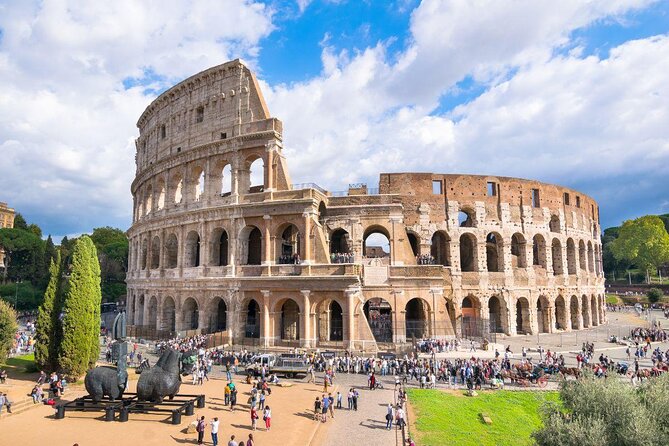
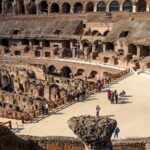
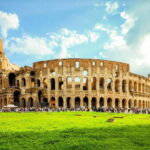
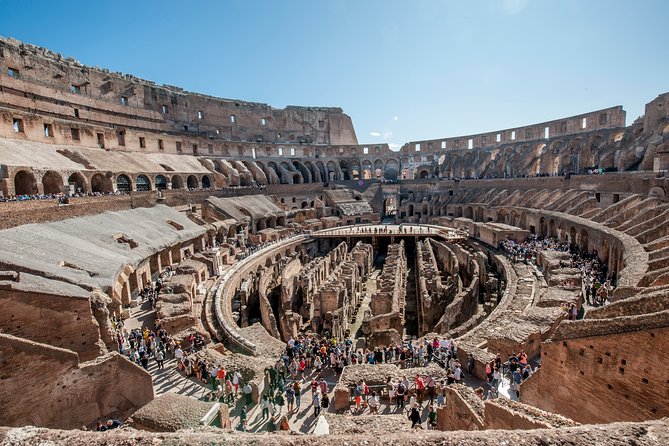
The Colosseum is famous for a reason, but the arena floor is what makes the place feel real. You’re not just viewing stone from the outside. You’re standing on the level where the spectacle happened, and your guide connects what you see with how the games were staged.
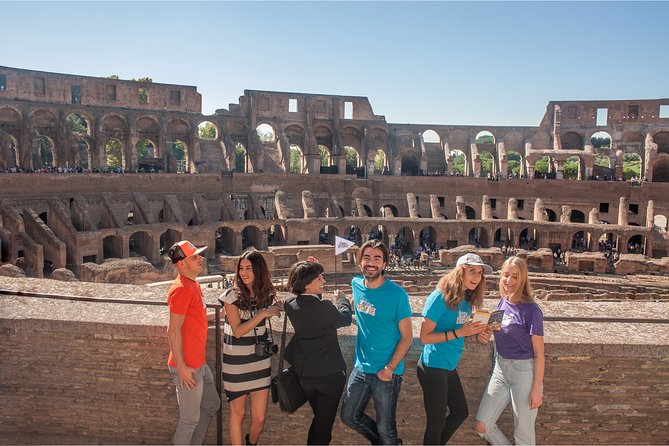
This tour is built around that moment. You’ll spend about 45 minutes at the Colosseum with time on the arena floor area, plus viewpoints from the Colosseum’s tiers as your guide explains the fight-and-performance side of the complex. If you’re the type who likes facts, you’ll get names, layout clues, and the logic behind the architecture. If you’re more “tell me a story,” you’ll get that too, with the emphasis on how it all worked.
One important consideration: the arena floor may close due to weather (rain/snow/frost). The good news is that access through the gladiators’ gate won’t be affected, but going onto the arena floor can be prohibited. That’s not rare—Rome’s weather swings fast—so I treat this as a day plan, not a promise.
You can also read our reviews of more tours and experiences in Rome.
Meeting Point, Pace, and the 3-Hour Rhythm
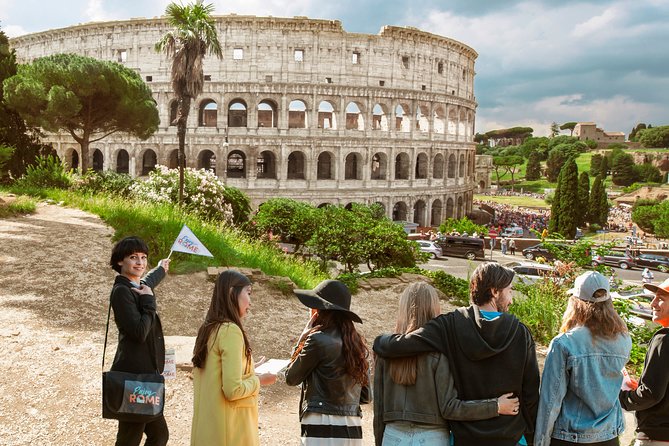
The tour starts at Via delle Terme di Tito, 93, 00184 Roma, and ends at Largo della Salara Vecchia, 00186 Roma. There’s no hotel pickup, so you’ll want to arrive using public transportation or a short walk. That ending point also helps because you’re finishing near the Forum area rather than being pushed back the other direction.
Expect a steady pace. This isn’t a sit-and-stare museum tour. It’s closer to: check in, walk, see, listen, walk again. The schedule lands like this: 45 minutes Colosseum, 1 hour Roman Forum, 15 minutes at Arch of Titus, then 1 hour Palatine Hill.
The group size is capped at 20 people, which tends to keep things organized at the entrances. Still, you should plan for standing in lines at each site. Skip-the-line access helps, but it doesn’t erase the reality of security checks and crowd flow.
Practical tip: wear shoes you trust. Multiple parts of the route involve stairs, uneven ground, and long stretches where you’ll want your footing to feel easy. If you can, bring water and consider a hat—this day can get warm fast.
Colosseum: Tiers, Stories, and the Gladiators’ Gate Moment
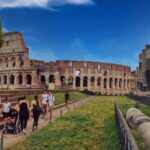
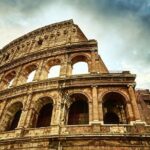
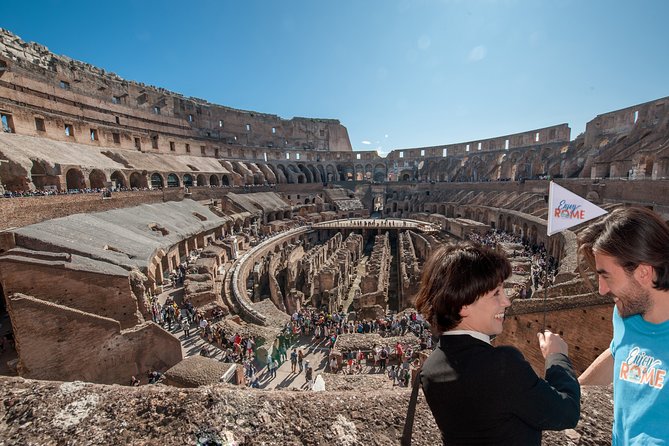
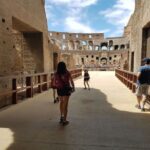
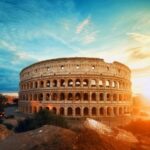
This is the headline stop, and it’s handled in a way that helps you understand the Colosseum in layers. You’ll move through viewpoints from different tiers, so you can get the scale right. Then you’ll go for the arena-floor access, where the explanations usually land hardest.
What makes the Colosseum stop feel worth it is how the guide ties architecture to action. You’ll hear stories about gladiator fights and the larger spectacles that made the Colosseum so famous. And because you’re standing in the area associated with the fighting, the guide’s points don’t feel abstract.
A few practical notes that match real-world experience:
- The pace is usually smooth, but you’ll want to stay close. One feedback note described a guide moving a bit quickly, which can matter if you stop to take photos.
- Headsets help a lot. Many people reported clear audio range, which makes it easier to hear the guide over crowd noise.
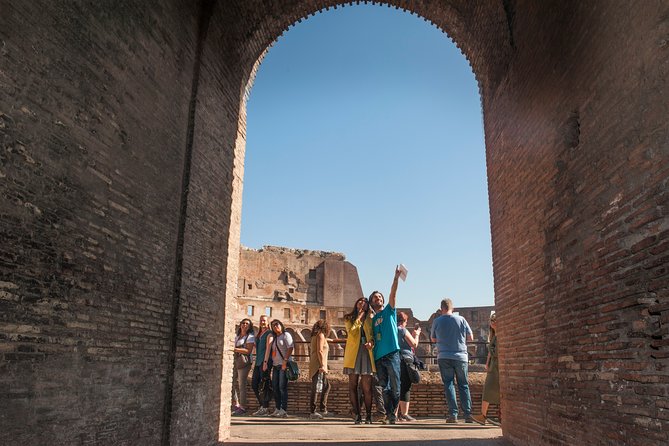
- Photo time is built in. People mentioned getting moments to catch their breath and take pictures—especially around the viewpoints.
If you want to maximize your enjoyment here, I’d do one simple thing: listen for the “why” behind the space. When the guide explains how visibility, movement, and staging worked, you start seeing the building as a machine for spectacle, not just a monument.
Roman Forum: Imperial Streets and Big Ruins in a Small Time Window
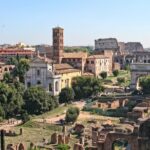
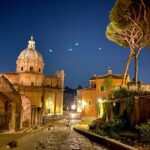
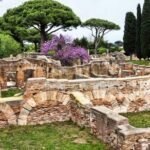
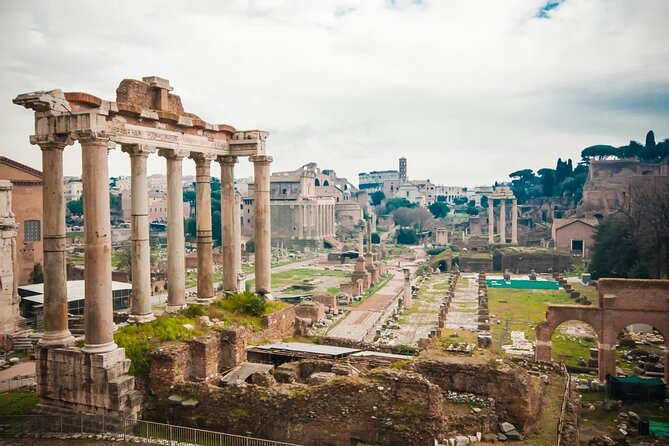
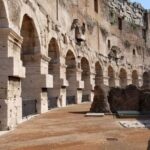
After the Colosseum, the Roman Forum stop is what turns the day from impressive to understandable. You’ll have about 1 hour walking through the Forum ruins—temples, villas, arches, and the sense of a city center in Ancient Rome.
This part works best if you already have a couple of anchor questions in your head, like:
- Who used these spaces?
- What did power look like in stone and ritual?
- Why would people walk here day after day?
Your guide helps answer those as you wander. The Forum can feel like scattered walls until someone connects the dots. That’s what you’re paying for: context fast enough that you don’t get lost in the scenery.
One small but meaningful stop is built into this area: the Arch of Titus, placed on the Forum’s main street. It’s short, but it’s a useful break from wandering because it gives you a clear “pause point” to take in a specific piece of imperial messaging.
Arch of Titus: The 15-Minute Stop That Has Weight
You’ll spend about 15 minutes at the Arco di Tito. This isn’t the kind of arch you linger at forever, but it’s the right size for a quick lesson.
The arch was erected on the Forum’s main street in the first century AD. Your guide explains that it was built under Emperor Domitian to commemorate victories connected to Domitian’s father and brother, Titus. Even in a short window, you’ll get a sense of how architecture served propaganda and public memory in Rome.
Think of this stop as a punctuation mark in the story—after the Forum’s wide sense of civic life, you zoom in on one monument that signals power and conquest.
Palatine Hill: Myth, Views, and Steeper Stairs Than You Might Expect
Palatine Hill is your final main stop, with about 1 hour to climb and explore. It’s one of Rome’s seven famous hills and it’s particularly revered for its mythical role as the origin of the city.
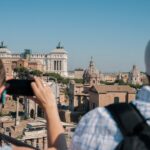
Here, the reward is both the atmosphere and the views. Your guide will point out sweeping panoramas that include landmarks such as Piazza Venezia, Circus Maximus, and the Colosseum you just left behind. It’s a nice way to see how the sites connect across the city.
The drawback: stairs. Multiple comments flagged Palatine Hill’s steep sections, and that matters if you’re the type who needs frequent rests. I’d plan for a workout, not a stroll. If you’re traveling with kids or anyone with limited mobility, consider that the walking and standing add up.
Guides and Headsets: How You Keep Up in a Crowded Rome
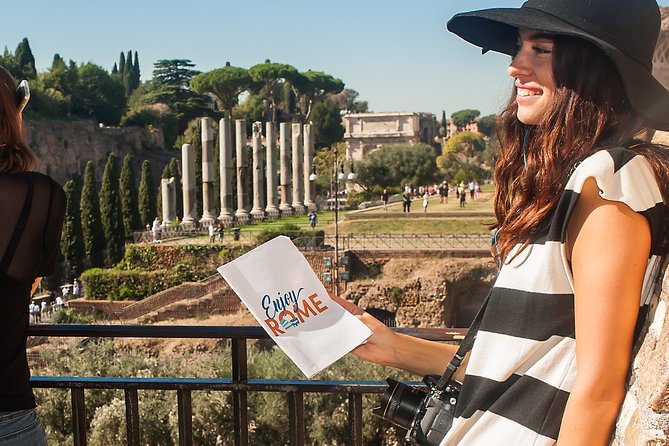
This tour includes a live guide and an audioset. That combination makes a big difference in Rome, where you’re often trying to hear instructions while passing other tour groups and dealing with constant noise.
People reported the headsets as clear with good range, which means you usually don’t have to strain. Still, a couple of notes mentioned microphone issues—like interference from other languages—so if you’re sensitive to audio clutter, keep one earbud snug and be ready to adjust.
Guide quality seems to be the thing that most strongly shapes the day. Names that came up for strong performance include Alessandro, Marco, Patricia, Nancy, Lucy, George, and Alexandria. I can’t promise you’ll get the same guide, but I can tell you what to look for: guides who pace well, stop often enough to let you absorb details, and explain what you’re seeing in a way that makes the ruins feel organized.
A small check-in detail that showed up in feedback: groups can get color stickers so staff can sort you quickly. It’s one of those simple systems that makes the whole process feel less chaotic.
Price and Value: What $82.90 Buys You
The price is $82.90 per person for about 3 hours. That sounds like a lot until you break down what’s bundled.
Included in the cost:
- Entrance to the Colosseum (with arena access), the Roman Forum, and Palatine Hill
- The Colosseum reservation component (plus the arena access ticket component)
- A live guide and an audioset
The listing also states the Colosseum entrance ticket with arena access is valued at €24, and the Colosseum reservation fee is valued at €2. So the rest of what you pay is essentially for the guide service and the structured experience—time you save, context you don’t have to research on the spot, and a smoother path through the busiest parts.
I also factor in that this tour is often booked about 39 days in advance on average. That popularity usually means it’s not just a “nice extra.” People choose it because they want the arena moment and a guided route that connects the Colosseum, Forum, and Palatine Hill.
If you’re trying to save time in Rome—and you want the key highlights without building your own plan from scratch—this price can feel fair.
Before You Go: ID, Shoes, and the Weather Reality
This is one of those tours where details can affect entry, so don’t treat the fine print like background noise.
You’ll need:
- Your full name as provided at booking
- A valid passport or ID document matching the name used for entry
- A voucher that matches those names; otherwise, entry issues can happen at the ticket office
Also expect standard security limits: no aerosols, sharp objects, or large backpacks. Bring only what you can comfortably carry while moving through crowded areas.
What to wear:
- Comfortable walking shoes are non-negotiable here
- Plan for warm sun or cool wind, because Rome’s weather can shift quickly
Weather note again, because it matters: the arena floor can be closed due to rain/snow/frost without notice. That means your best strategy is psychological: commit to enjoying the day even if the arena floor portion is restricted.
Who This Tour Suits Best
I think this tour fits best if:
- You’re short on time and want the Colosseum + Forum + Palatine Hill in one guided run
- You want help turning huge ruins into a coherent story fast
- You like photos, viewpoints, and guided explanations instead of wandering randomly
It may not fit as well if:
- You’re traveling with young children or anyone who struggles with lots of standing and steep stairs. Feedback flags Palatine Hill as particularly hard on tired legs.
- You need a very slow, relaxed pace. Some people noted the guide can move quickly, so if you like frequent stops, stay close and speak up.
- Your French is fine but your English audio needs perfect clarity. While the tour is in English, a few comments mentioned accents or audio interference.
Should You Book This Colosseum and Forum Tour?
Yes, if your goal is the arena floor moment plus a guided, organized route that links the Colosseum to the Roman Forum and Palatine Hill. The value comes from reserved access and the guide’s ability to make the ruins feel like a functioning city—without you doing all the homework.
I’d hesitate if you’re traveling during a weather-risk window and the arena floor access would be a deal-breaker for you. In that case, you’ll still get meaningful Colosseum and Forum time, but you should be prepared that the arena floor might be closed.
If you want, tell me your travel dates and whether anyone in your group has mobility limits or strong photo priorities. I’ll help you decide the best time of day to go and what to prep so the day runs smoothly.
FAQ
How long is the Rome Colosseum Arena Floor, Roman Forum and Palatine Hill tour?
It lasts about 3 hours.
What’s included in the ticket coverage for this tour?
Entrance is included for the Colosseum (with arena access), the Roman Forum, and Palatine Hill.
Is the Colosseum entry reserved?
Yes. The experience includes a Colosseum reservation fee and guarantees entry with the guided experience.
What language is the tour offered in?
The tour is offered in English.
Do I need to bring ID to enter?
Yes. You need a valid passport or ID document, and it must match the name provided at booking.
What happens to arena access if it rains?
If weather is bad (rain, snow, frost), the arena floor may be closed off without notice. Entry through the gladiators’ gate is not affected, but access onto the arena floor can be prohibited.
Where do I meet the guide?
You meet at Via delle Terme di Tito, 93, 00184 Roma.
Is hotel pickup or drop-off included?
No. Pick up and drop off from your hotel is not included.
What’s the group size limit?
The tour has a maximum of 20 travelers.
Are there restrictions on what I can bring?
Aerosols, sharp objects, and large backpacks will not be allowed.