REVIEW · ROME
Ancient Rome and Domus Tiberiana Exclusive Guided Tour
Book on GetYourGuide →Operated by IILT and ontario srls · Bookable on GetYourGuide
Rome has a lot of ruins, and this one has a twist.
I especially like how the tour connects Rome’s earliest ground at Palatine Hill to the Roman Forum through a guided route that makes the city feel like one story, not random stops. I also love the big standout: Domus Tiberiana, described as the first real Imperial Palace, reopened to the public after almost 50 years. One thing to consider: the visit is not suitable for wheelchair users, so you’ll want to plan around that if mobility is a concern.
The small details matter, and this tour is built to keep you moving. I like that it includes entry for the Palatine Hill and the Roman Forum, plus the guide uses headsets for groups over 6 people, so you can hear explanations without playing “guess the Latin” at close range. You’ll also start your walk right on the ancient side of Rome, so you spend less time orienting and more time understanding what you’re seeing.
Plan for a timed start and bring your ID. This tour requires passports or ID cards, and names are required at booking, so it’s not a last-minute “show up and hope” kind of experience. If you’re traveling light, note there are restrictions on luggage and bags (plus other items like drones and sprays).
In This Review
- Key highlights at a glance
- Why Domus Tiberiana changes the Roman Forum experience
- Palatine Hill: starting where Rome was founded
- The route through palaces, temples, markets, and monuments
- Domus Tiberiana: the first Imperial Palace you actually get to see
- Roman Forum finale: walking the stones tied to Caesar and Antony
- Expert-led value: skip-the-line, licensed guide, and headsets that help
- Timing, meeting point, and what to have ready
- Who this tour is best for (and who should skip it)
- Should you book the Ancient Rome and Domus Tiberiana Exclusive Guided Tour?
- FAQ
- How long is the Ancient Rome and Domus Tiberiana tour?
- What places does this tour include?
- Do I need tickets for the Roman Forum and Palatine Hill?
- What languages are the live guides available in?
- What time do I need to arrive for the meeting?
- What do I need to bring with me?
- Is the tour suitable for wheelchair users?
- Is there free cancellation?
Key highlights at a glance
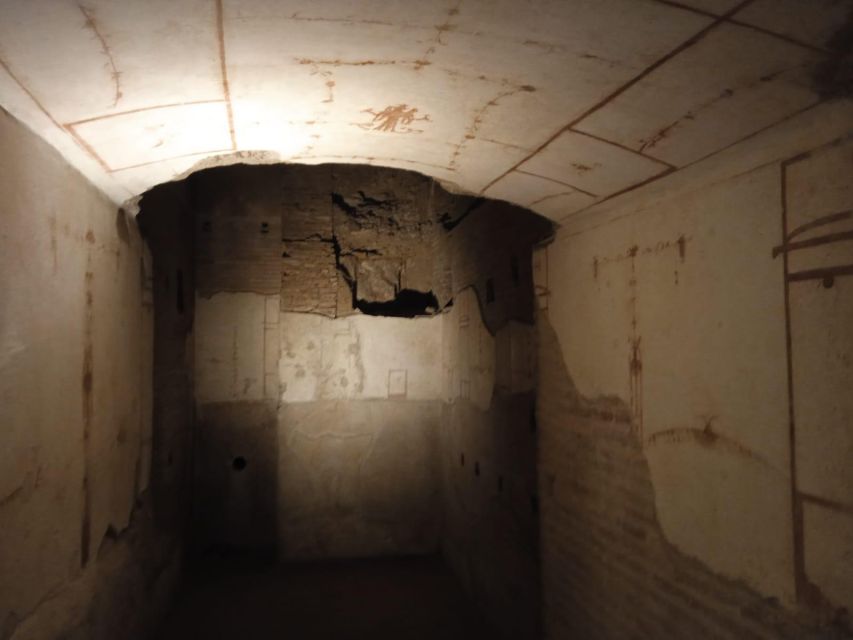
- Domus Tiberiana is the star, reopened to the public after almost 50 years
- Palatine Hill to the Roman Forum route helps you connect Rome’s timeline fast
- Licensed expert guide with live English or Italian interpretation
- Headsets for larger groups so you don’t miss key explanations
- Skip the ticket line, which can save real time in Rome
Why Domus Tiberiana changes the Roman Forum experience
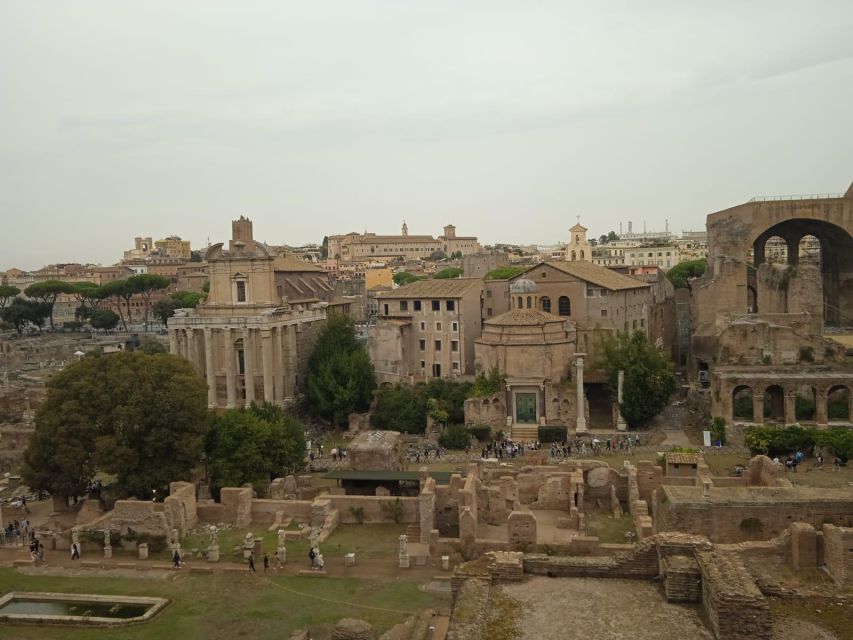
Most Rome walks hit the Forum and move on. This one keeps the focus on why the Forum mattered: power. Domus Tiberiana is presented as the first true Imperial Palace, and that idea matters because it shifts how you read the ruins.
Instead of treating the Forum like a museum of famous names, you start thinking in systems: where the leaders lived, where authority was displayed, and how daily life folded into politics. When you see an imperial residence in the same ancient setting as the civic center, the place stops feeling like “old stones” and starts feeling like the machinery of an empire.
That’s the real value here. You’re not just collecting landmarks. You’re getting a guided explanation of how Rome worked day-to-day—market life, temples, monuments, and the palaces that sat around them. And because the tour is expertly guided, you’re more likely to leave with clear mental connections instead of a blur of arches and columns.
You can also read our reviews of more guided tours in Rome

Palatine Hill: starting where Rome was founded
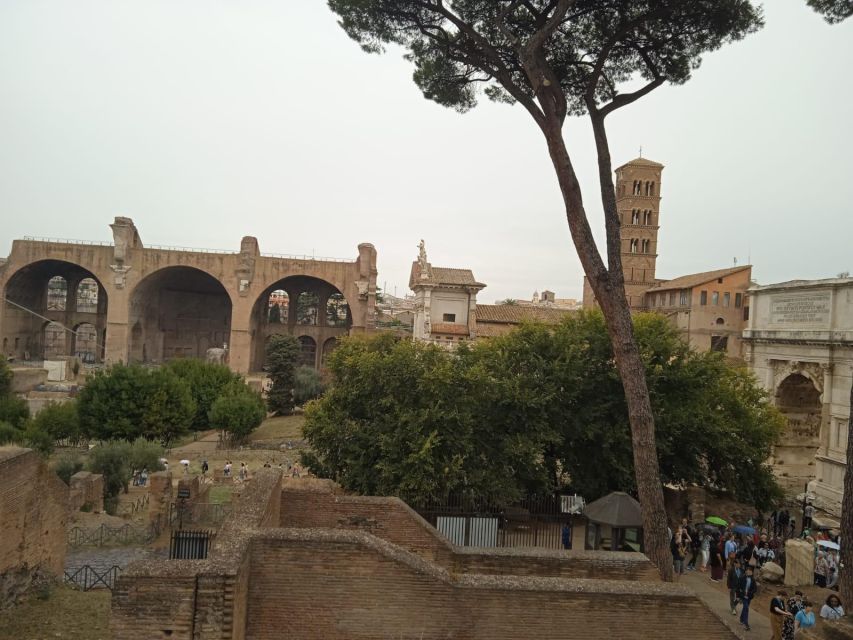
The tour begins on the Palatine Hill, one of Rome’s most ancient parts and described as where the city was founded. This matters because the Palatine isn’t just another view-point. It’s part of the origin story.
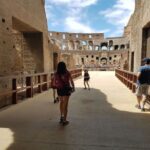
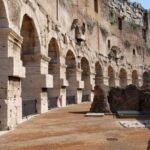
From here, you’ll explore hundreds of ruins of imposing buildings. That sounds abstract, but on the ground it changes your pacing. You look longer. You notice how the hill and the structures hint at hierarchy—Rome’s status and wealth were never far away from its early beginnings.
Practical tip: Palatine areas can feel spread out. Your best move is to rely on the guide’s route and context. The guide’s job is to keep you from getting lost in the “same-looking ancient wall” problem. With entry included for Palatine Hill, you also avoid extra stops for tickets, which keeps the momentum.
The route through palaces, temples, markets, and monuments
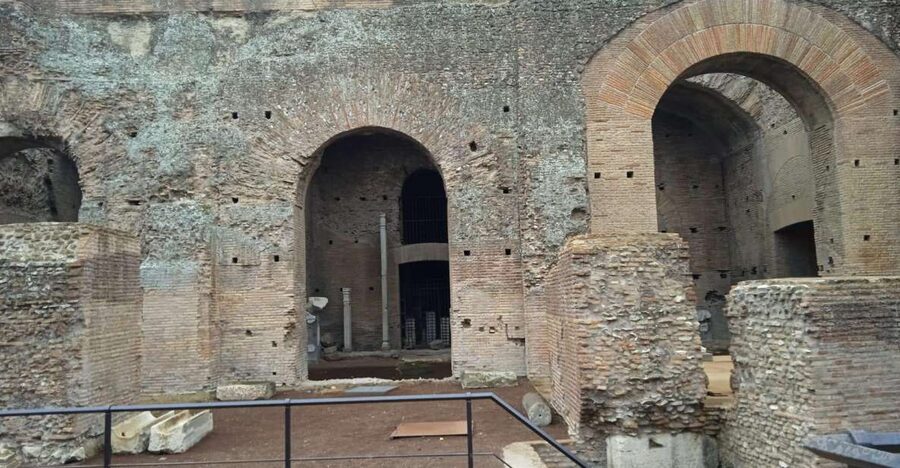
A good Rome guide doesn’t just point. It interprets. This tour is designed around Rome’s major categories of power and public life—palaces, temples, markets, and monuments—so your walking path becomes a guided map of how the city functioned.
Here’s what I think you’ll appreciate most: the tour helps you connect architecture to behavior. When you hear what a space was for, you start to understand why it’s placed where it is. You see how a route through ruins can feel like a timeline of who mattered and why.
Also, the tour is built for clarity. With headsets included for groups over 6, the explanations aren’t drowned by foot traffic. That matters in Rome, where people are always filming, pointing, and drifting. You want to hear the story, not compete with noise.
Domus Tiberiana: the first Imperial Palace you actually get to see
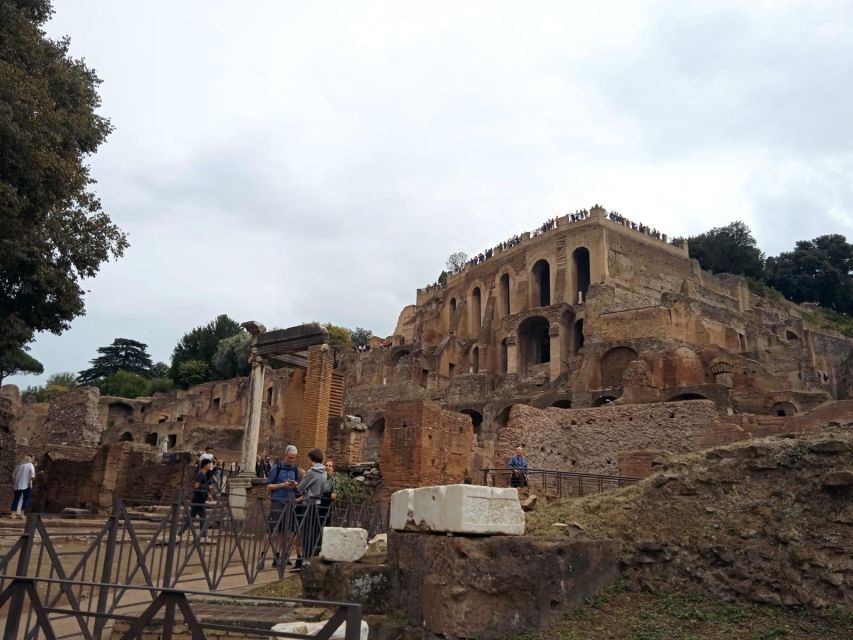
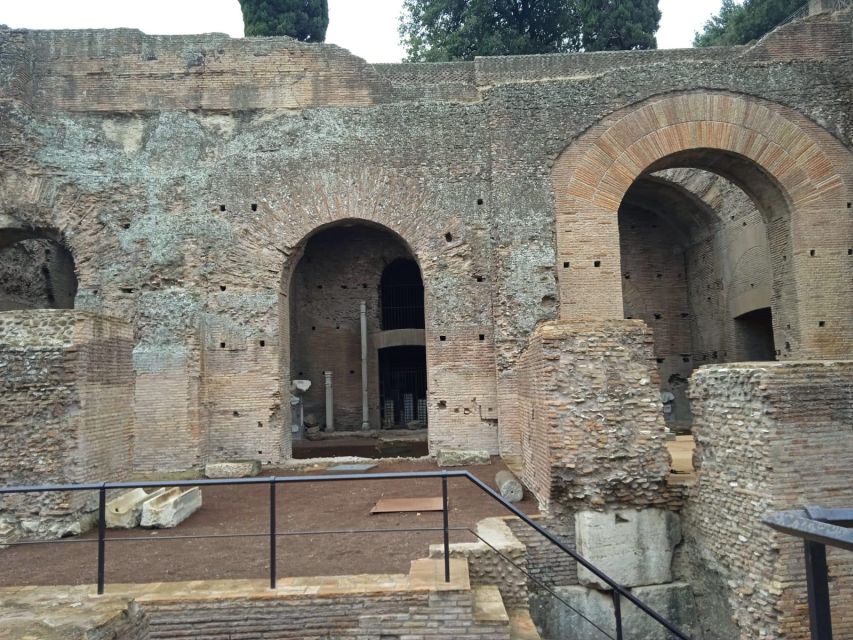
Domus Tiberiana is the center attraction, and the key detail is that it has been reopened to the public after almost 50 years. That single fact shifts what you should expect. You’re not just seeing another “maybe closed” archaeological room. You’re seeing a landmark that has been off-limits for decades, and it’s now part of the public experience again.
What makes Domus Tiberiana special is the way it reframes the surrounding ruins. The Imperial Palace theme changes the meaning of nearby structures. Instead of thinking, this was a political center, you can think: this was the setting where the empire’s authority became daily reality.
Since Domus Tiberiana is described as the first imperial palace, it’s also a useful entry point for understanding Roman rule. You’ll come away with the sense that the shift from republic to empire wasn’t only a change in leadership—it was also a change in space, living patterns, and how power was staged.
A practical consideration: as exciting as the palace visit is, the tour is still a 2.5-hour guided walk. That time has to cover Palatine Hill, Domus Tiberiana, and then the Roman Forum finale. So keep your expectations realistic: you’ll get strong guided context, not endless independent wandering.
Roman Forum finale: walking the stones tied to Caesar and Antony
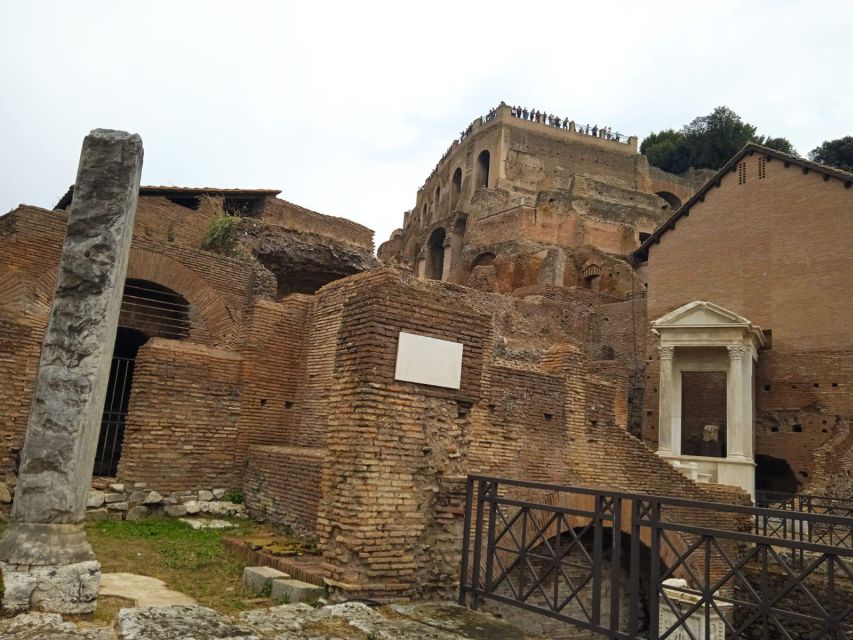
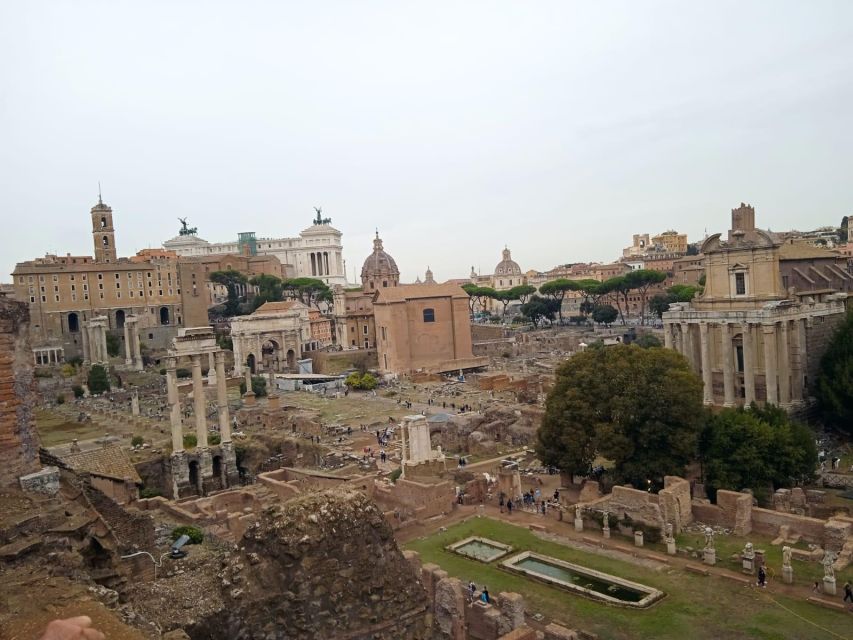
The tour ends at the Roman Forum, described as the most important forum in ancient Rome. The Forum is where Rome’s civic life visibly collided with power, and your last stop is arranged to make that collision feel real.
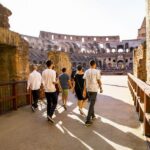
The tour highlights how you’re walking on the same stones where Julius Caesar and Mark Antony once stepped. That’s not just name-dropping. When a guide ties famous figures to specific spaces, you start seeing the Forum as a lived political stage, not just a place where history happened in the abstract.
If you care about atmosphere, the Forum is where the site “turns on.” You’ll see the way monuments and temples frame movement, the way sight lines work, and the way crowds (even modern ones) gather around key points. With a guide, you’re less likely to miss what to focus on.
Expert-led value: skip-the-line, licensed guide, and headsets that help
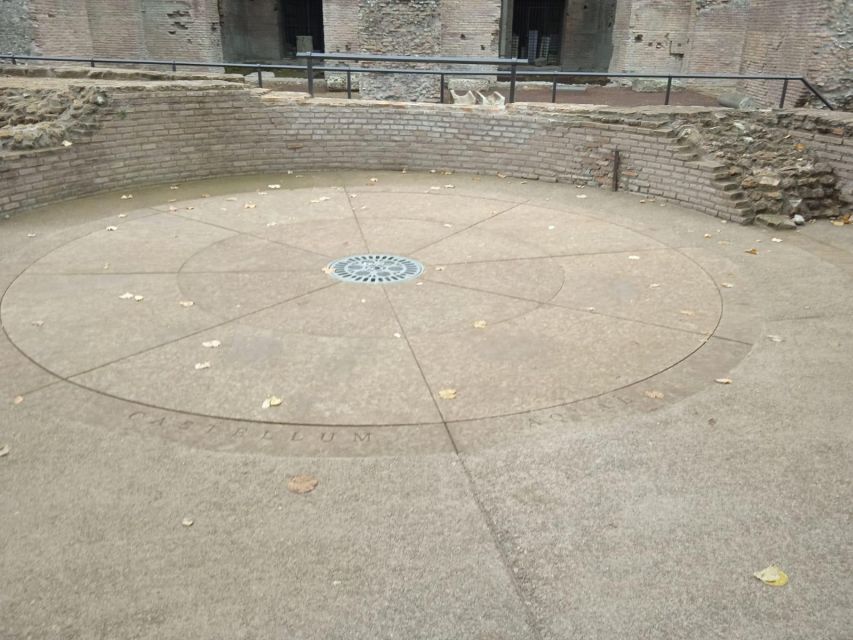
Let’s talk value in plain terms. You’re paying $111.02 per person for a 2.5-hour guided experience that includes: entry/admission for the Roman Forum and Palatine Hill, a professional licensed guide, and headsets for groups over 6, plus skip-the-ticket-line benefits.
What makes that value feel “worth it” is not just convenience. It’s the time you save and the context you gain. At the Forum and on Palatine Hill, Rome’s self-guided experience can turn into: ticket lines, scattered ruins, and reading placards you might not fully understand. This tour is designed to compress the learning curve and keep you oriented.
Also, live guidance in English or Italian helps a lot. You don’t have to guess what you’re looking at, and you’re more likely to understand why certain buildings mattered.
A quick note on guides: one guide named Dino was singled out as wonderful for clear, friendly guiding. If your group gets Dino, that’s a strong sign you’ll get a smooth experience and explanations you can follow.
Timing, meeting point, and what to have ready
This tour asks you to meet 30 minutes before the start time. In Rome, that buffer helps. You’ll get checked in and ready before the group moves into the sites.
You also need to bring a passport or ID card, and names are required at booking. That’s not a “bureaucracy tax” for fun—it’s how entry requirements get handled at major sites. If you forget ID, you can’t count on last-minute fixes.
If you’re wondering what to bring besides ID: plan for a walking tour. The activity is a guided walk across significant ancient areas, and the restrictions include no large bags and no luggage-type items. If you travel with a big daypack, you may want to downsize.
Who this tour is best for (and who should skip it)
This is a strong fit if you:
- Want a guided route through the Palatine Hill → Domus Tiberiana → Roman Forum arc
- Care about understanding how Rome’s power shaped everyday spaces
- Prefer a live guide who can connect architecture to real historical figures
- Want skip-the-line help and hearing-friendly headsets
You might skip this tour if:
- You rely on wheelchair access (it’s not suitable for wheelchair users)
- You’d rather roam independently and spend more time deciding where you want to stop
- You’re expecting food included (food and drinks are not included)
Should you book the Ancient Rome and Domus Tiberiana Exclusive Guided Tour?
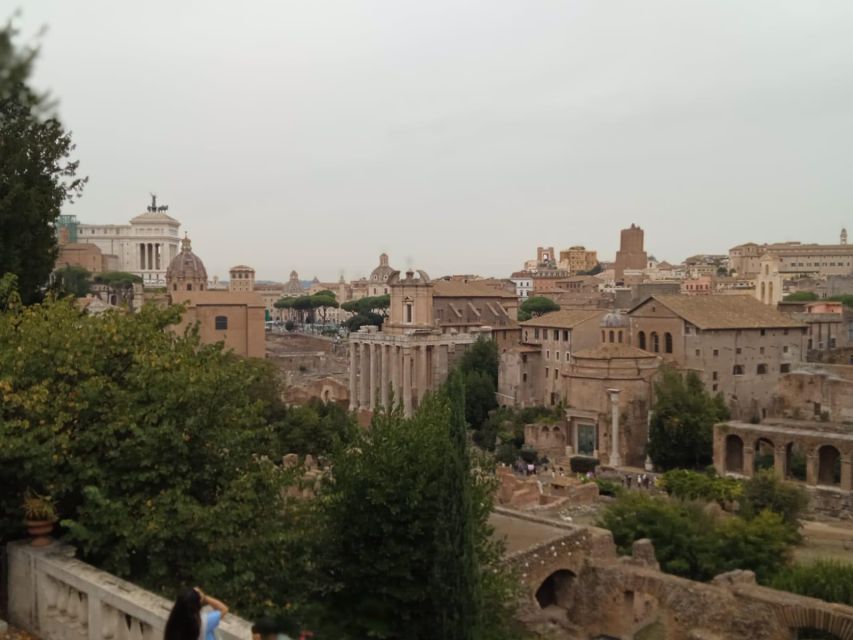
I’d book it if you want the best kind of Rome payoff: major sites plus a standout palace visit that changes how you interpret everything around it. Domus Tiberiana is the headline, and the fact that it has reopened after almost 50 years makes it a timely reason to go now rather than “someday.”
You’re also getting practical value for your money: entries for Palatine Hill and the Roman Forum, live licensed guiding, and headsets when groups get larger. For most first-timers, that combination is the easiest way to keep the experience coherent instead of chaotic.
If your main goal is to take it slow on your own terms, you might prefer independent exploration. But if your goal is understanding—quick, clear, and historically grounded—this guided walk is a smart choice.
FAQ
How long is the Ancient Rome and Domus Tiberiana tour?
The tour duration is 2.5 hours.
What places does this tour include?
It includes visits with admission to the Roman Forum and Palatine Hill, and it centers on Domus Tiberiana.
Do I need tickets for the Roman Forum and Palatine Hill?
Admission for both the Roman Forum and Palatine Hill is included, and the tour also offers skip the ticket line.
What languages are the live guides available in?
The live tour guide is available in English and Italian.
What time do I need to arrive for the meeting?
You must meet 30 minutes before the start time.
What do I need to bring with me?
Bring a passport or ID card.
Is the tour suitable for wheelchair users?
No. It is not suitable for wheelchair users.
Is there free cancellation?
Yes. You can cancel up to 24 hours in advance for a full refund.