REVIEW · ROME
Ancient Rome’s Dark Side: Ghosts, Murders & Imperial Blood
Book on Viator →Operated by Dark Side City Tours · Bookable on Viator
Rome at night feels a little more dangerous.
This Ancient Rome Dark Side tour strings together famous power plays—murder, betrayal, and imperial ambition—along with ghost stories you can almost feel in the dark. You’ll also get a small-group pace and an English storyteller guide, so the walk stays lively instead of lecture-like.
What I like most is the way the guide connects the gore to real places: Largo di Torre Argentina, the view from the Capitoline Hill, and a dramatic finish at the Colosseum area. I also appreciate that the tour is outdoors and focused on street-level storytelling, so you’re paying for a guide and atmosphere rather than museum tickets.
One possible drawback: it’s a nighttime, walking route with some stairs, so comfortable shoes and a moderate fitness level really help.
In This Review
- Key Things to Know Before You Go
- Why an 8:00 pm Dark History Walk Works in Rome
- What You Actually Get for the $30.10 Price
- Largo di Torre Argentina: Caesar’s Death and the Legend of the Ghost
- Teatro di Marcello: Imperial Ambition with a Poisoned Edge
- Capitoline Hill Views: Caligula, Madness, and a Palace That Won’t Let Go
- Carcer Tullianum: The Steps Where People Vanished
- Via dei Fori Imperiali and Domitian’s Erased Name
- Monti (Suburra) Night Scandal: Messalina and the Stories Streets Tell
- Scalinata dei Borgia and Vicus Sceleratus: When Violence Becomes a Curse
- Colosseum Finish: Conquest Built the Arena, Blood Filled It
- Who This Tour Fits Best (And Who Might Want Something Else)
- Should You Book Ancient Rome’s Dark Side: Ghosts, Murders & Imperial Blood?
- FAQ
- What time does the tour start?
- How long is the tour?
- Where do I meet the guide?
- Where does the tour end?
- Is this an indoor tour or do I need museum tickets?
- What’s the group size?
- What language is the tour in?
- Is there an option for snacks or drinks?
- Can I cancel for a refund?
Key Things to Know Before You Go
- Night walking pace: It’s scheduled for 8:00 pm, so you avoid daytime crowds and heat.
- Small group size: Max of 15 people keeps it personal.
- Outdoors only: No archaeological site or museum entry is included.
- Stories tied to exact spots: Each stop centers on a specific location linked to assassination, executions, or scandal.
- Ghosts as a storytelling style: You’ll get legends blended with historical context, not pure horror.
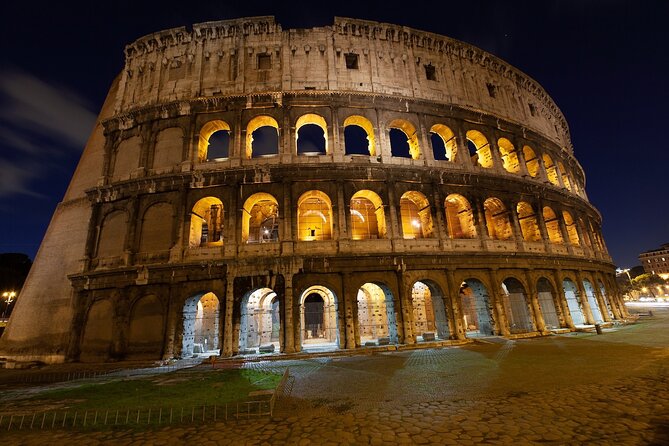
- Finish near the Colosseum: The tour ends above the Colosseo metro area, making it easy to keep exploring.
Why an 8:00 pm Dark History Walk Works in Rome
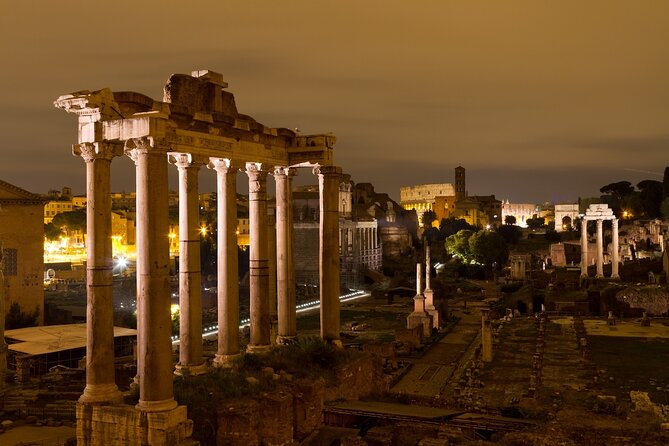
If you’ve only done Rome in daylight, you’re missing a layer. This tour is built for evening: darker streets, fewer daytime distractions, and better chances to actually notice details on ancient stones instead of rushing between monuments.
You start at Largo di Torre Argentina at 8:00 pm and end at the Colosseum area near the metro stop above. That timing matters because Rome can feel packed at midday, and the night gives you a calmer rhythm. You still walk at a Roman pace—Rome is Rome—but the mood turns into something closer to a story than a checklist.
The best part is that the guide’s tone matches the hour. You’re not just staring at ruins; you’re hearing why specific events mattered and how people imagined the past would refuse to stay buried.
You can also read our reviews of more tours and experiences in Rome.
What You Actually Get for the $30.10 Price
At $30.10 per person for about 2 hours, the value is in what’s included. You’re getting an expert English-speaking storyteller guide and a small group (up to 15), plus mobile tickets for an easy check-in.
Also important: this is outdoors, so you’re not paying for extra site entries. The stops are “standing-and-looking” moments—viewpoints and street-level locations—so you won’t be dragged through museum halls. That makes it a good fit on days when you already bought other tickets, or when you want a guided plan without adding more admissions.
The tour also gives you a practical human break: there’s a stop for optional snacks and drinks. Nothing heavy-duty is promised, but it’s smart if you’re eating earlier in the day and want some flexibility later.
If you’re the type who likes history but also likes your stories to have bite, you’ll probably enjoy this. If you want only academic, footnoted details, you might find the ghost legends too theatrical. The goal here is history with menace.
Largo di Torre Argentina: Caesar’s Death and the Legend of the Ghost
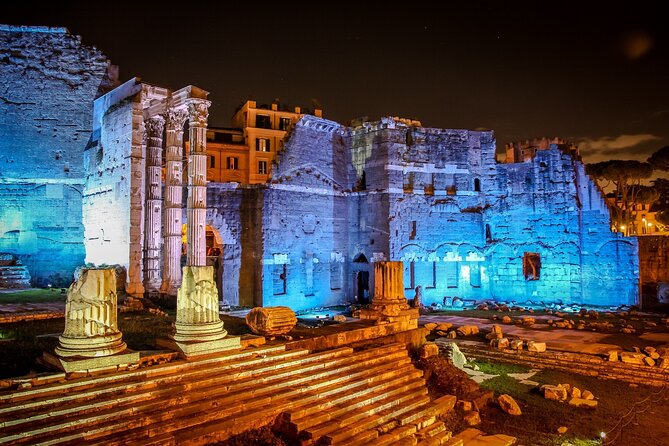
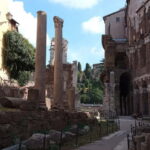
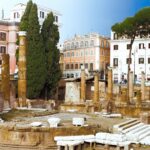
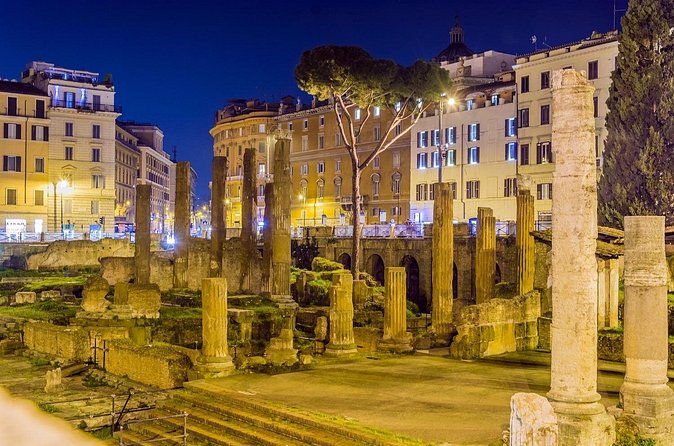
Your first anchor is the Area Sacra di Largo Argentina, the site tied to Julius Caesar’s assassination in 44 BCE. Standing above this area works because it’s not one dramatic postcard ruin—it’s a complex setting where you can feel how quickly politics flipped.
The guide focuses on the murder itself, then stretches outward into what came next: the chaos that followed, and the chilling legends of Caesar’s ghost returning to haunt the men who betrayed him. That mix is the tour’s pattern in a nutshell—real events first, then the ancient imagination layered on top.
Practical tip: this is an early stop, so you’ll want to be alert. If you arrive flustered, you’ll miss details that connect later stops.
Also, you may notice this tour isn’t shy about moral weight. That’s part of the appeal. It’s Rome’s dark side, not Rome’s polished postcard.
Teatro di Marcello: Imperial Ambition with a Poisoned Edge
Next comes the Teatro di Marcello, Rome’s oldest surviving theatre. Seeing it from the outside gives you a strong sense of scale—this wasn’t a small stage for gossip. It was a place where public life and political power sat close together.
Here the storytelling pivots to Livia, the empress connected to accusations of eliminating rivals to secure the throne for her son, including claims involving her stepson. Whether every detail matches what people believed at the time, the point lands: imperial ambition often moved through family networks, not just battlefields.
The eerie part is how naturally the guide links power to harm. The theatre’s long life makes the legend feel even more persistent. You’re watching a structure that kept standing while the people in it were still reinventing cruelty.
If you’re sensitive to dark themes, you’ll still be able to handle it. The tour doesn’t linger on gore, but it doesn’t sand down the violence either.
Capitoline Hill Views: Caligula, Madness, and a Palace That Won’t Let Go
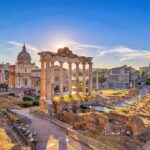
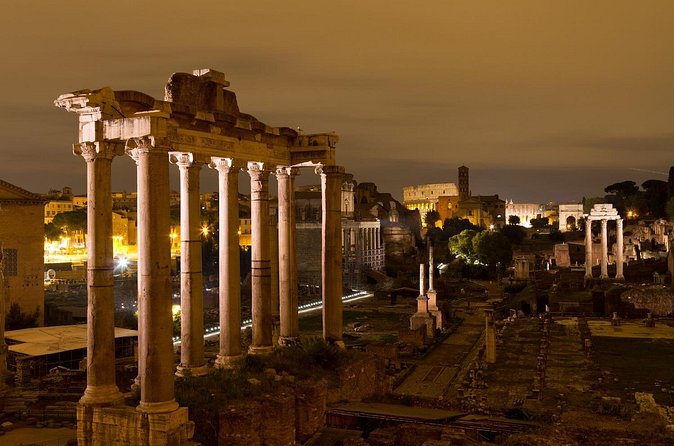
When you reach Capitoline Hill, you get one of the tour’s real “breathe for a second” moments. The view over the Roman Forum and Palatine Hill helps you understand how close the ruling class lived to the public world below.
That elevation matters for storytelling. From up here, the guide connects emperors to geography—who ruled, where power clustered, and how quickly Rome could turn from spectacle to threat.
Caligula’s story is the focus: his descent into madness, his assassination, and the legend that his ghost haunted the palace halls afterward. It’s one of those moments where the “ghost story” label is more about memory than literal haunting—but the guide uses it effectively.
If you’re doing this after a long day of sightseeing, this is a good mental reset: you look out, you listen, you get context. Then you move on before the walk gets tiring.
Carcer Tullianum: The Steps Where People Vanished
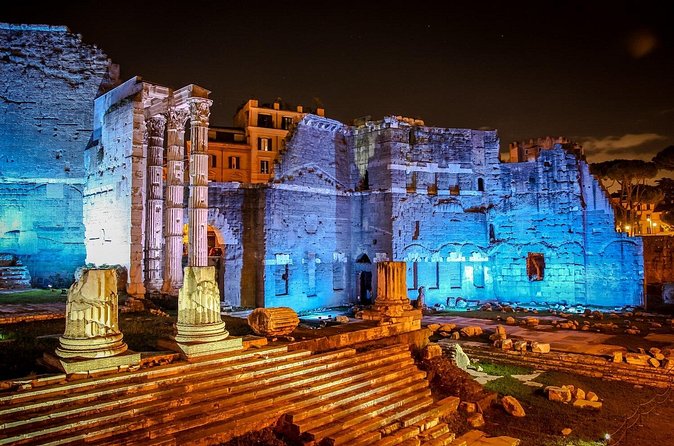
The mood turns harsher at Carcer Tullianum, connected to executions and the prison complex tied to people judged enemies of the state. You’ll stand by the notorious steps where traitors and enemies were executed and left to rot, then hear about the underground prison entrance where powerful prisoners were strangled and denied a proper burial.
This stop is short in time, but it’s heavy in meaning. It’s also a reminder that Rome’s empire wasn’t just buildings and speeches. It was fear, discipline, and punishment—sometimes done out of sight.
The practical side: keep an eye on where you’re stepping. Rome’s old stone isn’t designed for nighttime speed-walking, and you’ll likely be moving in small gaps while the guide talks.
If you’re the kind of traveler who likes to understand the “how” behind a city’s reputation, you’ll probably value this stop most. It explains why so many legends feel so grim—violence wasn’t a rumor; it was part of the system.
Via dei Fori Imperiali and Domitian’s Erased Name
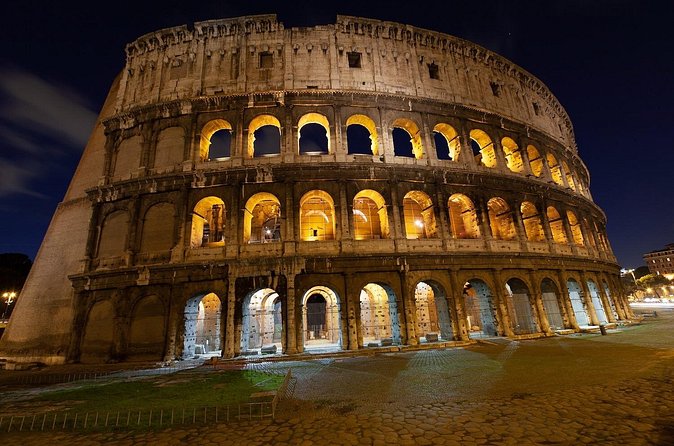
On Via dei Fori Imperiali, the tour takes on prophecy and political rewriting. You’ll hear about Domitian’s forum area and how he tried to escape a prophecy about his death—only to be murdered at the predicted hour.
Then the story gets even more Rome-like: his name was erased from history, and the legend says his ghost was feared by the servants who survived him. That’s a sharp twist. It’s not only about dying. It’s about how power controls memory.
This stop works because it makes you think about permanence in two ways. The stones last, but the written record gets edited. And when you add ghost stories on top, the “past” feels like it’s pressing back into the present.
Also, this segment is a good moment to mentally collect the tour’s themes: betrayal in elite circles, the use of violence for control, and the way stories become political tools.
Monti (Suburra) Night Scandal: Messalina and the Stories Streets Tell
Moving into Monti, you step into what was once Rome’s seediest district: the Suburra. The tour uses this neighborhood shift for one reason—Rome’s dark side wasn’t only courts and prisons. It also lived in everyday streets, rumors, and nightlife.
The name that comes up here is Messalina, the emperor’s wife allegedly linked to walking these streets at night, with a ghost legend said to linger in the shadows. The setting contrast is what makes it memorable: earlier stops were about official power. This one feels closer to how myths travel—through place, through storytelling, through the thrill of forbidden movement.
If you like tours that connect elite drama to the city’s social life, this is a satisfying stop. It makes Rome feel less like a museum and more like a living rumor mill.
Scalinata dei Borgia and Vicus Sceleratus: When Violence Becomes a Curse
You’ll then visit the Scalinata dei Borgia near the Vicus Sceleratus. Here the story turns to a Roman princess and a brutal act tied to her murdered father’s body—told through the lens of how Romans believed violence could curse entire streets.
This stop is more symbolic than political, and that balance is welcome. After murder and execution stories, the “curse” angle feels like a different kind of fear: not fear of the state, but fear of what places do to people over time.
Time-wise it’s short, but it’s memorable because it shows how ancient Romans explained trauma. They didn’t separate history from spirituality; they braided them together.
Colosseum Finish: Conquest Built the Arena, Blood Filled It
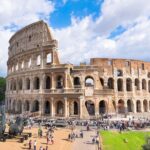
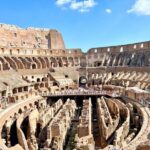
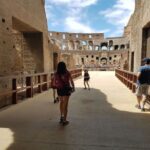
The tour ends with a dramatic view tied to the Colosseum. This is where the whole theme compresses: the arena is presented as something built from conquest, then filled with blood—plus a haunting possibility of gladiators and prisoners who were denied burial and peace.
You’re not going inside during this experience. But that matters less than you’d think. The goal is atmosphere and context, and the Colosseum area at night gives you that immediate “wow, this is real” feeling even from outside.
This finale works best if you let the guide’s story linger for a second. Even if you know the broad outline, you’ll probably appreciate how the guide frames the violence as both spectacle and system.
If you want a seamless end to the evening, plan to linger nearby after the tour. The finish point near metro access makes it easy to continue without stress.
Who This Tour Fits Best (And Who Might Want Something Else)
This is a great match for you if:
- you like history told through characters and consequences, not just dates
- you want a night option that avoids some midday crowding and heat
- you enjoy ghost legends but still want them tied to real locations
- you prefer a small group and a guide who can keep a walking pace interesting
It might be less ideal if you:
- hate darker themes like assassination and executions
- need guaranteed museum entry or indoor stops
- struggle with uneven stone and stairs at night
One more small note: since the tour is outdoors and moves from stop to stop in the evening, bring layers. Rome nights can be cooler than you expect.
Should You Book Ancient Rome’s Dark Side: Ghosts, Murders & Imperial Blood?
I think you should book it if you’re craving a Rome that feels lived-in and slightly unsettling—in the best way. For $30.10, you’re paying mainly for the guide and the storytelling structure: multiple famous locations, a night-time mood, and a tight, up-close group size (15 max). The fact that it’s outdoors and doesn’t require museum entry also makes it easy to fit into a busy trip.
Skip it only if you want strictly daytime history, or if you’d rather not mix ghost legends with real political violence. Otherwise, this is an excellent “second Rome” experience—the kind that changes how you look at the same ruins the next day.
FAQ
What time does the tour start?
The tour starts at 8:00 pm.
How long is the tour?
It lasts about 2 hours.
Where do I meet the guide?
You meet at Largo di Torre Argentina, 00186 Roma RM, Italy.
Where does the tour end?
It ends at Largo Gaetano Agnesi, above the Colosseo metro stop (in the Colosseum area).
Is this an indoor tour or do I need museum tickets?
It takes place outdoors, and entry to archaeological sites or museums is not included.
What’s the group size?
The tour is limited to a maximum of 15 travelers.
What language is the tour in?
The tour is offered in English.
Is there an option for snacks or drinks?
A stop is made for optional snacks and drinks.
Can I cancel for a refund?
Yes. Free cancellation is available up to 24 hours in advance for a full refund.