REVIEW · BERLIN
Berlin: Urbex Abandoned Places & History Tour
Book on GetYourGuide →Operated by Urbex Tour · Bookable on GetYourGuide
Berlin has rooms that refuse to die, and this urbex tour through abandoned Stasi hospitals mixes secret-history with real underground spaces and rooftop views.
I love how the guide, often Yoorii, keeps the day clear and human, with enough humor to keep a spooky place from feeling like pure fright. I also love the small group of 6, which gives you time to slow down, look closely, and take photos without getting swept along.
One caution: parts of the site can be damaged or partially closed, so you may deal with broken glass in some areas and you might not access every structure (like a bunker).
In This Review
- Key things to know before you go
- Stasi hospitals in Berlin: why this place hits hard
- The 3-hour flow: meeting at S-Bahn Buch and moving through the site
- First stop: abandoned wards and what you can still read
- Underground time: dungeons, tunnels, and the art in the dark
- Rooftops and views: turning decay into perspective
- Photography like an urbex pro, without making it a mess
- Guide style: Yoorii’s combination of seriousness and humor
- Safety and comfort rules: what to wear and what to leave at home
- Price and value: is $116 fair for 3 hours?
- When this tour might feel frustrating
- Should you book this Berlin Urbex Abandoned Places & History Tour?
- FAQ
- How long is the Berlin Urbex Abandoned Places & History Tour?
- How much does the tour cost?
- Where do I meet the tour guide?
- Is the tour guide English-speaking?
- How big is the group?
- Are torches included?
- What items are not allowed during the tour?
- Is it suitable for children, pregnancy, or wheelchair users?
- Is there free cancellation and can I pay later?
Key things to know before you go
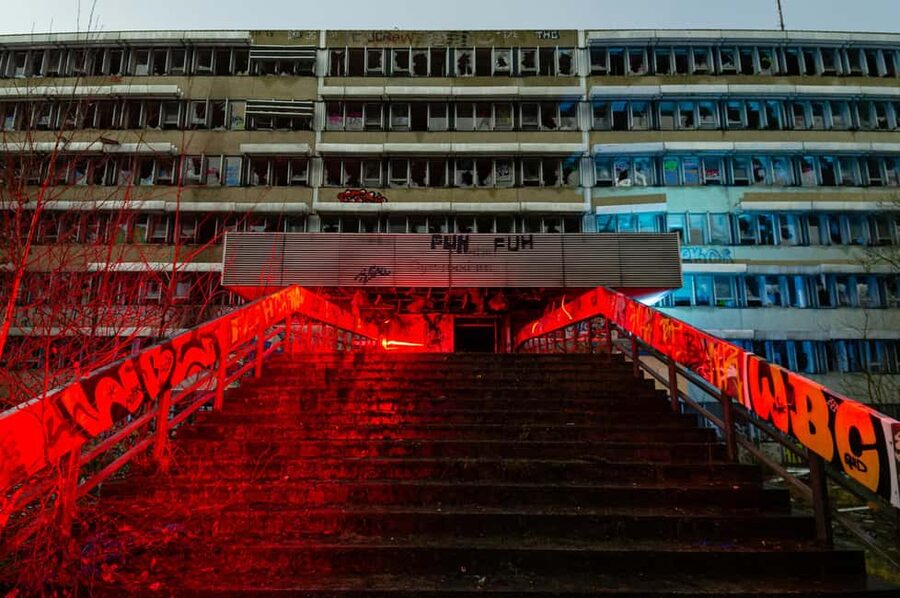
- Abandoned Stasi hospital setting in Berlin, tied to the East German secret police’s secret medical operations
- Dungeons and tunnels with included torches, so you can see what’s on the walls and floors
- Rooftop time for big views and classic urbex photo angles
- Urbex culture taught safely and legally, not just a free-for-all
- Small group size (max 6) with a guide who keeps you moving without losing you
- Photography-ready tips, including bringing a tripod if you want sharp shots
Stasi hospitals in Berlin: why this place hits hard
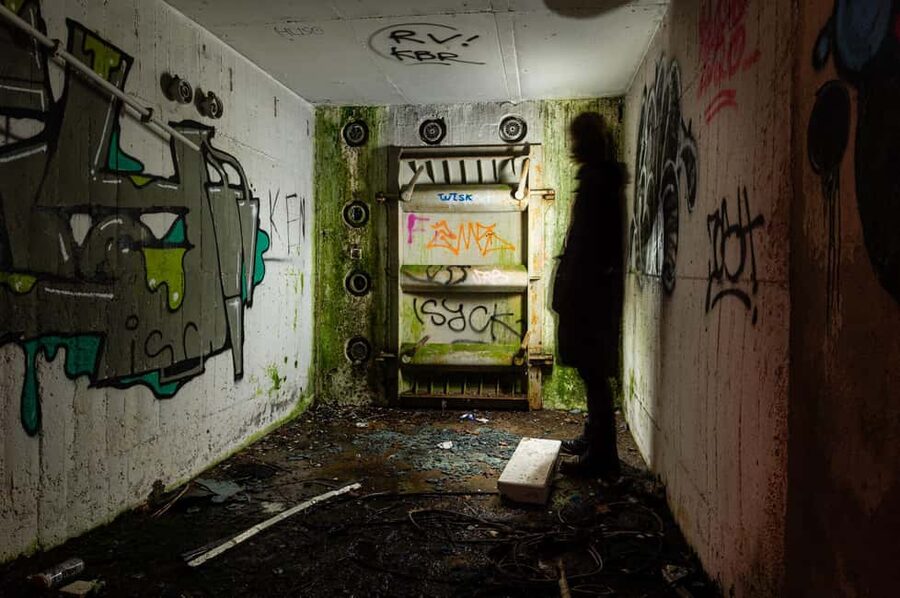
This tour is built around one of Berlin’s most haunting types of leftovers: buildings linked to the Stasi. In East Germany, the Stasi ran a secret-police world of surveillance and control. Part of that system included dedicated hospitals—set up so treatment for agents and high-ranking officials stayed private, away from prying eyes.
You’ll hear how these hospitals were designed to function like a closed system: medically trained staff, controlled access, and the kind of secrecy that kept the outside world from knowing what was going on inside. The story doesn’t feel like textbook history. It feels physical, because the rooms you’re walking through are the rooms where that secrecy used to operate.
And then, after the Berlin Wall fell in 1989 and East Germany collapsed, the hospitals lost their purpose. What remains is the hard contrast: modern infrastructure pushed toward decay, with details still clinging to the walls—documents, floors, and traces of daily work.
You can also read our reviews of more historical tours in Berlin



The 3-hour flow: meeting at S-Bahn Buch and moving through the site
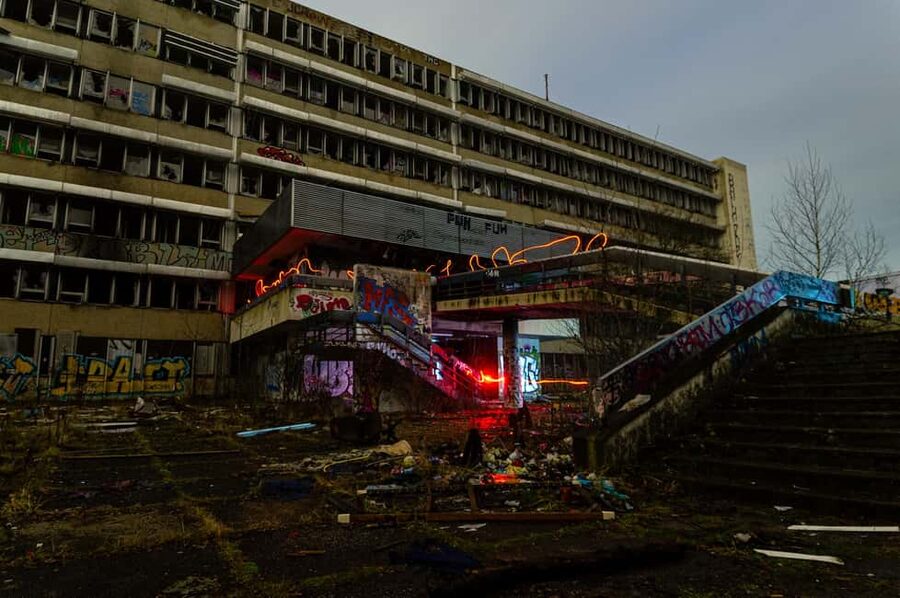
The tour runs about 3 hours, and that time matters. Urbex-style visits can turn messy fast if you’re wandering. Here, you get a guided structure that helps you see more without racing.
You start at S-Bahn Buch, meeting at the exit on the side to Netto Supermarked. Turn left after you go downstairs. That matters because the easiest way to waste time is to arrive in the wrong spot and wait.
From there, the guide takes you through the property in a logical sequence: first an overview of the site and rules of safe exploration, then you move through the hospital sections, down into the underground areas, and finally up toward rooftops where the city opens up around the structure.
Even if you’ve done urban exploring before, I like how the pacing keeps you from feeling lost in identical hallways. The group stays together, but you still get moments to stop and really look.
First stop: abandoned wards and what you can still read
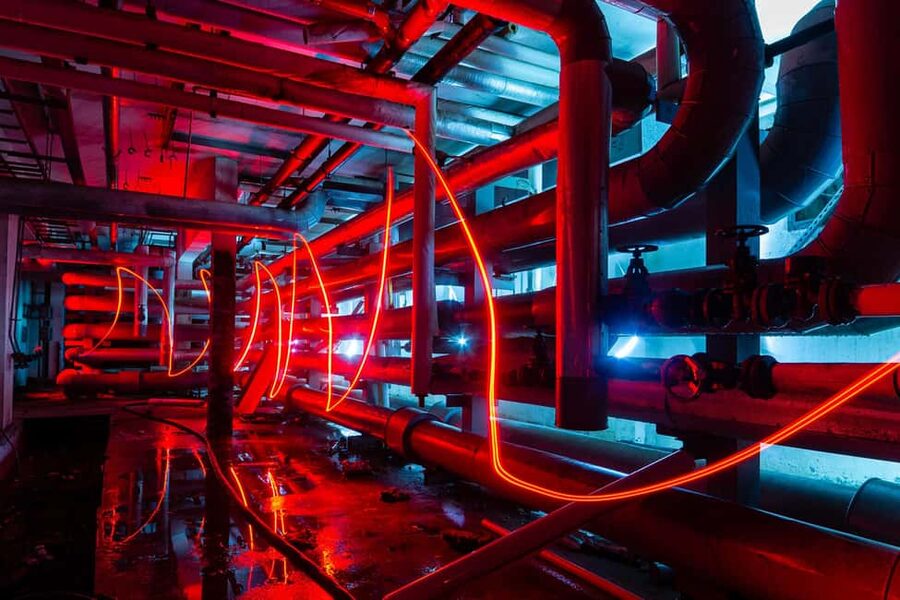
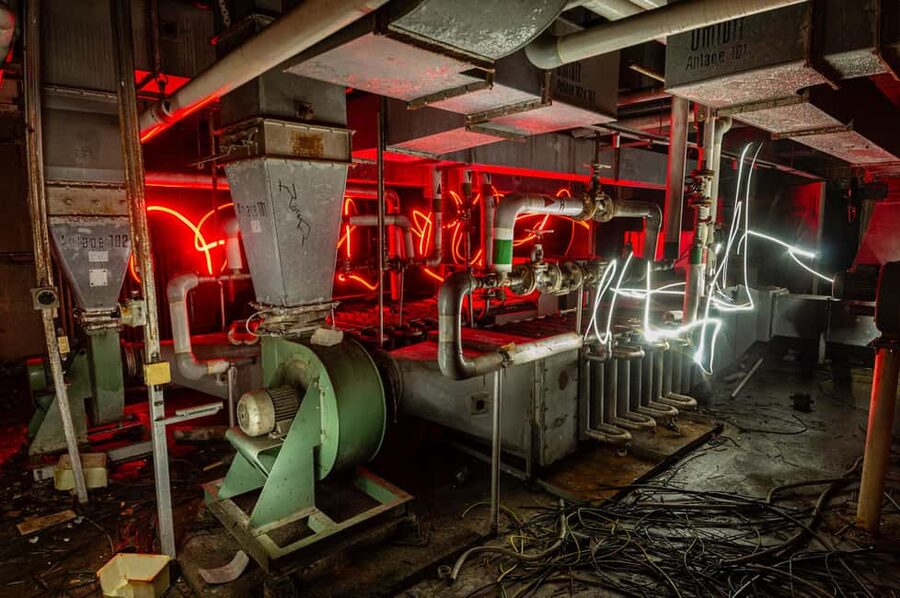
The most rewarding part of places like this is not only the emptiness—it’s the bits that survived. In this hospital, you might find remnants that give the rooms a real “someone was here” feeling: old documents, original flooring, and the kind of wear patterns that only come from years of daily use.
You’ll also see how the site is layered. Some areas hold more character than others. Some sections feel more stripped. That unevenness is part of why you want a guide: it helps you know where to focus your time so you’re not staring at plain walls for 60 minutes.
If you’re into details, this is where your eyes will get busy. You can spend time looking at textures, floor finishes, and room layout, then later compare how that changes once you move underground.
Underground time: dungeons, tunnels, and the art in the dark
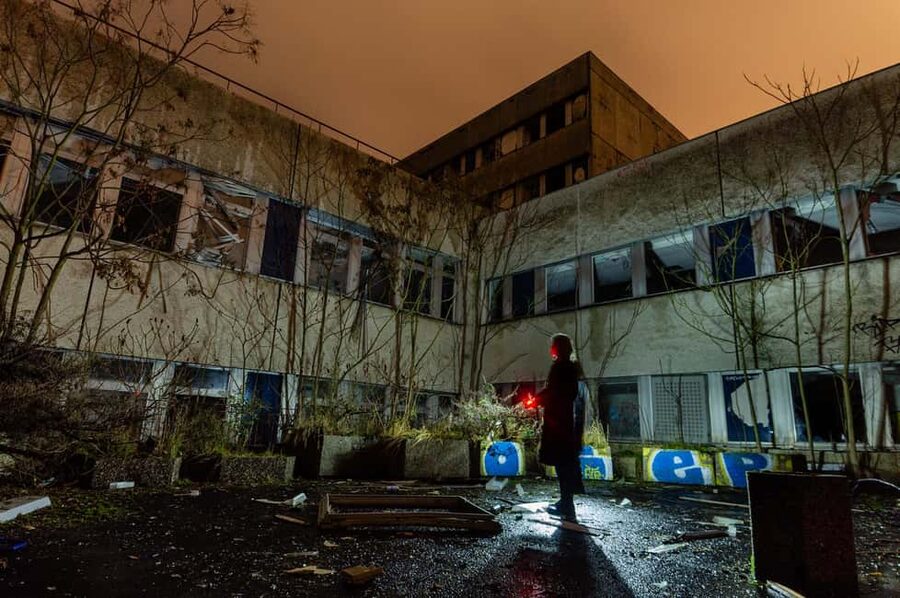
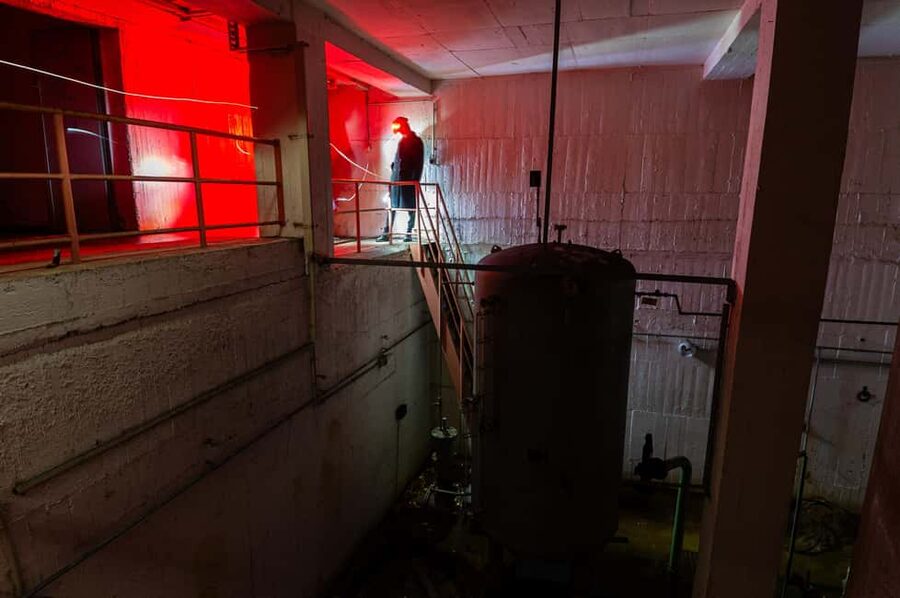
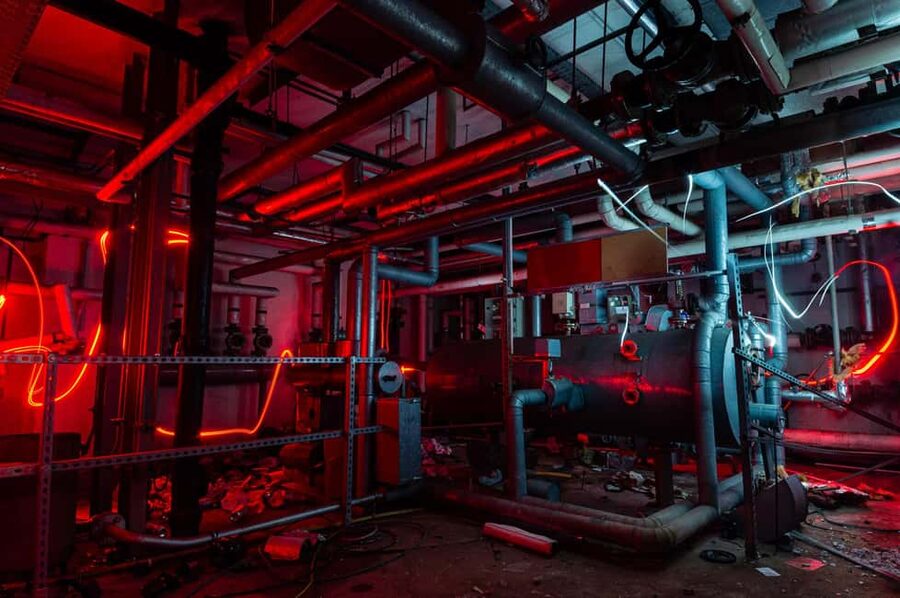
The tour’s big “wow” moments come after you move beyond the main building areas. You’ll descend into dungeons and tunnels, and the included torches rental make a huge difference.
Light changes everything underground. In brighter rooms, you see shapes. In darkness, you see texture. Graffiti and marks on walls stop looking like random scribbles and start reading like people leaving messages where they shouldn’t be.
One detail I think you’ll appreciate: the underground sections can feel like their own world. The walls swallow sound, and you’re constantly adjusting where you point your light. That’s part of the urbex vibe, and it also explains why this tour emphasizes the explorer culture in a safe and legal way. You’re not meant to treat it like a dare.
A practical note: one less-than-perfect review mentioned broken glass and that this can make some areas harder to navigate. That doesn’t mean the whole tour is unsafe, but it does mean you should expect a rough environment and dress for it.
Rooftops and views: turning decay into perspective
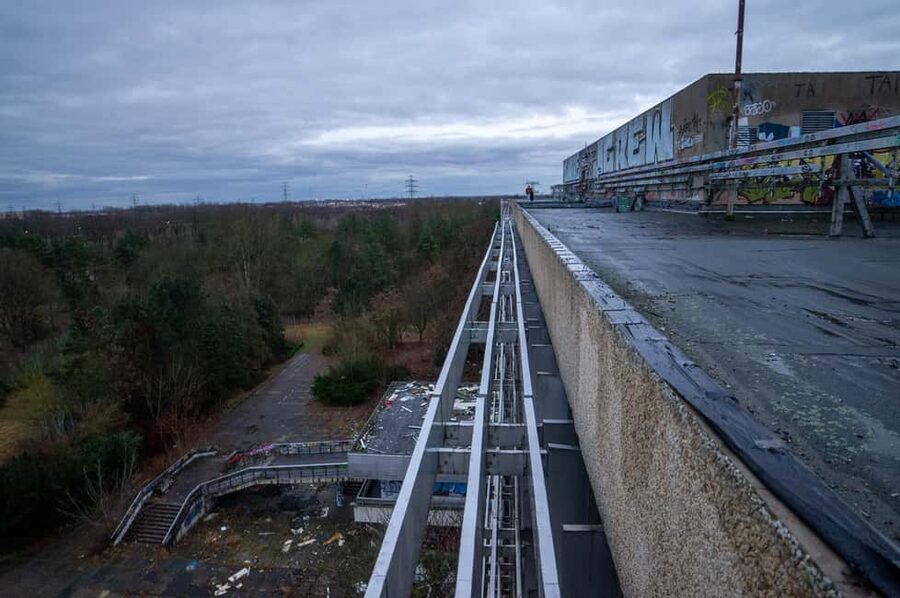
After the dark parts, you’ll ascend to rooftops, and that shift does something emotional. Down below, everything is cramped and shadowy. Up top, your brain starts mapping the place in relation to Berlin around it.
This rooftop time is also where photography gets fun. You can get angles that show the building’s scale and how the city frames the ruins. It’s less about “perfect composition” and more about telling the story with space.
If you care about photos, the tour’s tips are practical here: the guidance specifically suggests bringing a tripod if you want to take pictures. Even in outdoor rooftop light, tripods help you slow down and capture steadier shots, especially when you’re standing on uneven surfaces and trying to frame windows and edges.




Photography like an urbex pro, without making it a mess
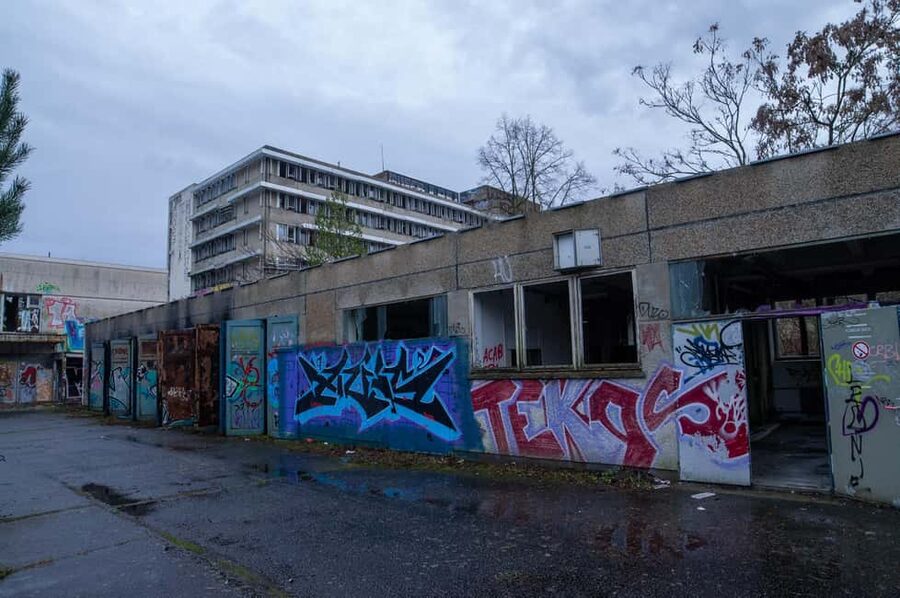
This is not a strict camera class, but it’s clearly set up for photo moments. The highlight list even calls out urbex photography, and the whole structure supports it: you have dark interiors for mood shots, then rooftops for wider context.
Here’s what I think works best during a tour like this:
- Shoot in short bursts, not marathon sessions, so you stay with the group.
- Use torches to reveal shapes, then turn your camera away for a second to let your eyes adjust.
- On rooftops, prioritize compositions that show the building’s geometry or contrast between city life and abandoned structure.
The included torches help you get usable light without relying purely on camera settings. That said, bring the right mindset: this kind of photography is about storytelling, not sterile perfection.
Guide style: Yoorii’s combination of seriousness and humor
A standout theme in the feedback is the guide. Multiple people highlight Yoorii as enthusiastic, supportive, and well in control of the day.
That matters more than you might think. When you’re in places that feel chaotic—dark tunnels, long corridors, areas that can look similar—someone who can manage your movement keeps the tour from turning into frustration. You spend less time guessing and more time seeing.
People also describe the guide as caring for everyone in the group. In a small group of 6, that kind of attention is noticeable. You’re not just another ticket number.
And yes, humor helps. A place connected to a secretive police state isn’t exactly light entertainment, so having the guide keep things human helps the history land better.
Safety and comfort rules: what to wear and what to leave at home
Because this is urbex and not a museum, the practical rules are part of the experience. The tour asks you not to bring massive backpacks, and to wear comfortable clothes you’re not afraid to get dirty. The guidance is very clear about ditching fancy outfits—no tuxedos and no high heels.
You’re also advised to put on a cap or something on your head. That’s not about fashion. It’s about basic protection when you’re moving through rough, dark spaces.
Also expect limitations based on your body and health. This tour is not suitable for:
- Children under 10
- Pregnant women
- Wheelchair users
- People over 287 lbs / 130 kg
- People with high blood pressure
- People over 70
Those restrictions aren’t there to be dramatic. They reflect the physical reality of uneven floors, stair sections, and underground areas.
One more “bring smart” detail: since you might want photos, the tour suggests bringing a tripod. If you’re traveling light, choose a small travel tripod, and keep it manageable so you don’t slow the group.
Price and value: is $116 fair for 3 hours?
At $116 per person for about 3 hours, you’re paying for three things: access, a guided experience, and equipment help.
First, you’re not just walking around solo. A guide helps you interpret what you see and manage the route through the site, including underground sections and rooftop time. Second, this is a small group capped at 6, which usually improves the quality of the experience compared to bigger groups that rush. Third, torches rental are included, which matters underground.
Now, here’s the honest balance: one critical review said the site was not always tour-worthy because parts had been damaged, including broken glass and limited remaining features in some sections. Another mentioned the bunker was not accessible. That’s a reality check for your expectations.
So, is it worth it? If you want a guided, story-driven Berlin urbex visit to Stasi-related ruins, with photo opportunities and a guide who keeps you engaged, it’s priced in line with that niche. If you expect pristine, untouched preservation like a museum, you may feel disappointed. This is decay, not restoration.
When this tour might feel frustrating
Even with strong ratings overall, this kind of visit has weak points you should understand in advance.
Based on the range of feedback, the biggest risk is that the site condition can be uneven. Some structures may be more stripped than others. You might encounter more general “damage and mess” than “set-piece history,” especially in areas affected by vandalism or fires. One review also said broken glass was constant in parts of the visit.
There’s also the possibility that not every structure is accessible at the time of your visit. If you’re specifically hoping for a certain underground feature like a bunker, be prepared that it might not be open.
In other words: you’re buying access and guidance through a real abandoned environment, not a fully curated, controlled attraction.
Should you book this Berlin Urbex Abandoned Places & History Tour?
Book it if you want:
- A small-group guided visit that helps you understand what you’re seeing
- Stasi hospital history tied to secrecy, control, and how the system operated
- Real urbex-style contrasts: dark tunnels down below, rooftops up high
- A guide who can manage pace and keep you safe while still letting you look and photograph
Skip it if you:
- Need fully accessible, clean, museum-like conditions
- Dislike environments where you may face hazards like broken glass
- Fall into the tour’s physical or health limits (including high blood pressure, pregnancy, wheelchair use, or age restrictions)
My takeaway: this is a strong fit for people who like history with atmosphere, and who understand that abandoned places come with mess. If that sounds like your kind of Berlin day, the Yoorii-guided experience is likely to be memorable.
FAQ
How long is the Berlin Urbex Abandoned Places & History Tour?
The tour lasts about 3 hours.
How much does the tour cost?
It costs $116 per person.
Where do I meet the tour guide?
Meet at the S-Bahn Buch exit on the side to Netto Supermarked. Turn left after going downstairs.
Is the tour guide English-speaking?
Yes, the live tour guide speaks English.
How big is the group?
The group is limited to 6 participants.
Are torches included?
Torches rental is included.
What items are not allowed during the tour?
Baby strollers, bikes, alcohol and drugs, and baby carriages are not allowed.
Is it suitable for children, pregnancy, or wheelchair users?
No. It is not suitable for children under 10, pregnant women, or wheelchair users.
Is there free cancellation and can I pay later?
Yes. You can cancel up to 24 hours in advance for a full refund, and you can reserve now and pay later.