REVIEW · BERLIN
Berlin‘s Jewish Heritage Private Tour With Jacob
Book on GetYourGuide →Operated by Nadav Jacob's Berlin Experience · Bookable on GetYourGuide
Berlin’s Jewish story hits hard and feels real.
This private tour with Jacob walks you through key pre-war, Nazi-era, and contemporary Jewish sites, while also explaining how Jewish communities in Europe kept faith and customs through persecution. I especially like the mix of guided memorial stops and everyday Berlin locations, because you get both the grief and the persistence.
You’ll also see how the story changes over time: Jews were excluded from normal life in Germany, then later gained full citizenship rights, and—after the Nazis took power—Berlin tried to rebuild contemporary Jewish life. The Holocaust Memorial segment is one of the most focused parts of the tour, with guided time built in so it doesn’t turn into a quick photo stop.
One thing to consider: it’s a walking tour with multiple short transfers (including a public-transport hop), so if you prefer minimal walking, you may want to request taxi/van/subway options at additional cost.
In This Review
- Key points you’ll notice on this Jewish heritage tour
- Street-by-street context for Jewish Berlin
- Meeting point and pacing: hotel pickup plus a short transport jump
- Holocaust Memorial: a guided stop with room to absorb
- Bebelplatz: memory tied to books and forced silence
- Block of Women: a short guided chapter on women’s experiences
- Hackescher Markt and Haus Schwarzenberg: Jewish life in everyday Berlin
- Otto Weidt Workshop for the Blind: work, protection, and stubborn humanity
- Grosse Hamburger Strasse Cemetery: quiet evidence of a community
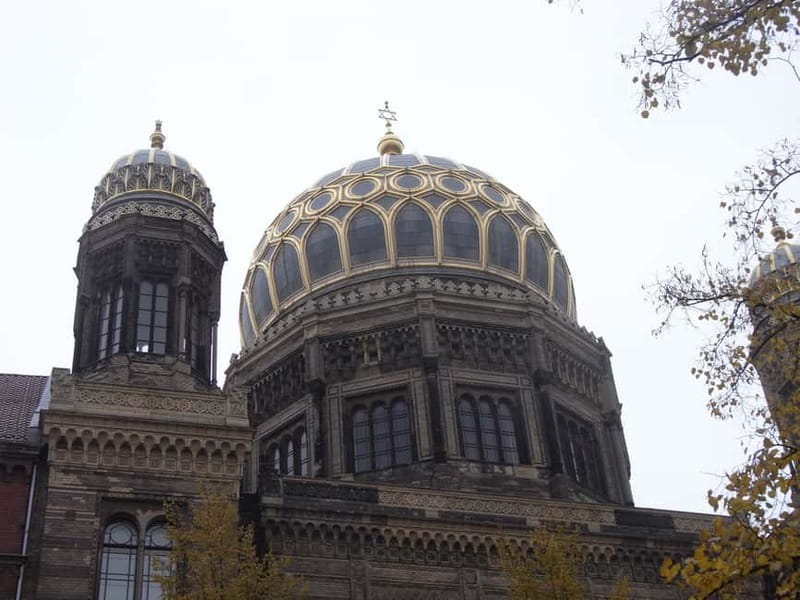
- New Synagogue Berlin – Jewish Centre: contemporary Judaism in view
- Price and what you actually get for $303 per group
- Who this tour is best for
- Should you book this Jewish Heritage Private Tour with Jacob?
Key points you’ll notice on this Jewish heritage tour
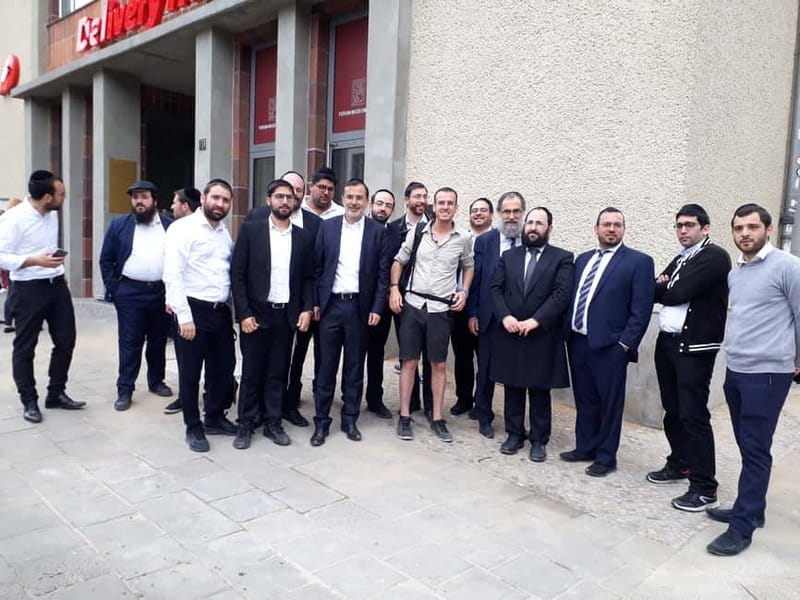
- Private guide, English-speaking: a small, personal pace that helps you actually understand what you’re seeing.
- Holocaust Memorial with guided time (20 minutes): enough structure to make the moment meaningful.
- Pre-war to post-war arc: from excluded communities to citizenship rights, then the Nazi rupture, then revival.
- Good variety of stops: memorials, book-related memory at Bebelplatz, and living Jewish culture at the New Synagogue.
- Hands-on historic site visits: including the Otto Weidt Workshop for the Blind.
- Real Berlin neighborhoods, not just plaques: Hackescher Markt and Haus Schwarzenberg keep the story anchored in place.
Street-by-street context for Jewish Berlin
Berlin can feel like a city of layers. This tour treats that like an advantage, not a problem. You start with the broad background—how Jewish people were spread worldwide after exile, how many settled in Europe, and how they maintained faith and customs even as persecution became part of daily life.
Then it sharpens to Berlin: Jews in Germany faced exclusion from normal life, but the community was persistent. Over time, they gained full rights as citizens, and you can follow how Jewish people influenced social life through economy, science, culture, and even emerging democratic politics.
That arc matters because it prevents the common mistake of reducing everything to one era. You still get the Holocaust and the Nazi takeover, but the tour also highlights the attempt of united Germany to revive contemporary Jewish life afterward.
You can also read our reviews of more private tours in Berlin

Meeting point and pacing: hotel pickup plus a short transport jump
You’re picked up from your Berlin hotel reception, so you don’t spend the first part of the day hunting for a meeting point. After pickup, there’s a short transfer using public transport (about 15 minutes), then the tour settles into guided and walking segments.
The whole experience runs about 2.5 hours, with each stop timed tightly—guided chunks at the memorials and key sites, then walks between areas. That pacing keeps energy up. It also means you’re not getting lost in long lectures, which is a plus in a city where you can easily see three things by accident and remember none.
Because it’s a walking route, wear shoes you don’t mind using. The tour notes that the walking is generally manageable for people with mobility issues, and it also says you can arrange transport between stops (taxi/van/subway) for an extra cost if you want to reduce walking.
Holocaust Memorial: a guided stop with room to absorb
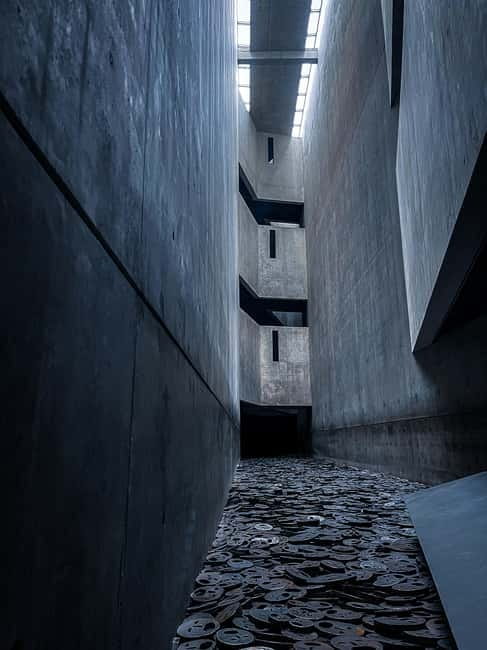
The tour brings you to the Holocaust Memorial for a guided visit of about 20 minutes. This is the part that sets the emotional tone, and the guided time helps you avoid the typical pattern: “Look, walk, move on, forget.”
What I like here is the structure. You get a chunk of time that’s long enough to let explanations land, while still keeping the tour moving. It’s not trying to turn the memorial into a scavenger hunt of facts. Instead, it helps you understand why the site exists and how it connects to the wider story the tour keeps building.
If you’re sensitive to heavy history, this stop is likely to feel intense. That’s normal. Give yourself a minute afterward just to reset before moving on.
Bebelplatz: memory tied to books and forced silence
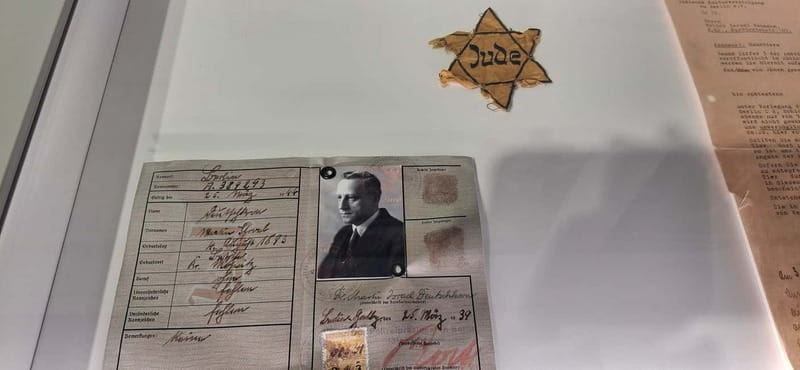
Next is Bebelplatz, with guided time of around 15 minutes. This stop adds an important dimension: the Nazi era wasn’t only about violence, it was also about control—over ideas, culture, and who gets to speak.
Even if you’re not fully sure what you’re looking at the first second, the guided explanation makes the place click. For me, the value of Bebelplatz in this tour is how it connects broader ideology to a real public space you can stand in and recognize. It’s a reminder that persecution shows up in laws, institutions, and propaganda, not just in one dramatic event.
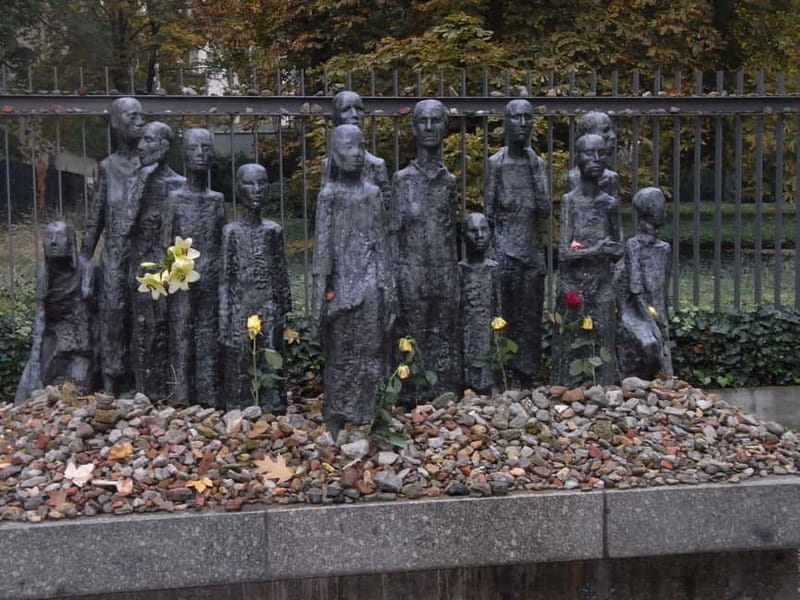
Block of Women: a short guided chapter on women’s experiences
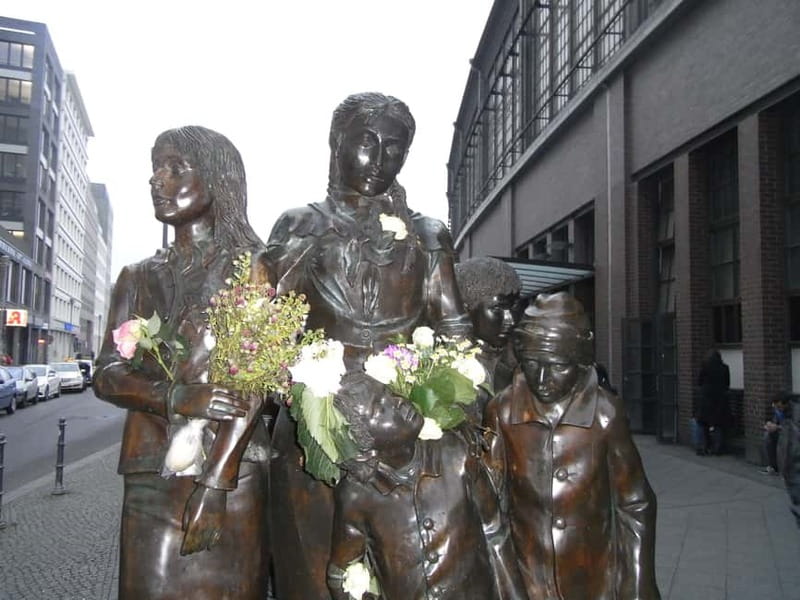
The Block of Women stop lasts about 10 minutes and is guided. It’s brief, but that’s part of the design. You’re not waiting around for a long production. You’re getting a focused snapshot.
The benefit of keeping it short is practical: you don’t have to power through attention fatigue. The downside is that if you want very extended context, you may wish you had a bit more time here. Still, within a 2.5-hour itinerary, this is a solid use of limited time.
You can also read our reviews of more historical tours in Berlin




Hackescher Markt and Haus Schwarzenberg: Jewish life in everyday Berlin

After the memorial-heavy parts, the tour shifts into Berlin neighborhoods. There’s a walk (about 20 minutes) through Hackescher Markt, which helps you see how Jewish history isn’t trapped in museums or memorials. It’s in streets, storefronts, and the way the city is organized.
Then you visit Haus Schwarzenberg with guided time of about 10 minutes. This is where the tour starts to feel less like a timeline and more like a geography of memory—where communities lived, gathered, and built culture.
What I like about this transition is the balance. You go from remembrance to place. You also get a clearer sense of how pre-war life and post-war revival are connected to real buildings and real streets.
If you’re someone who learns best when you can visualize a “where,” these stops will help a lot.
Otto Weidt Workshop for the Blind: work, protection, and stubborn humanity
The tour includes a visit to the Otto Weidt Workshop for the Blind, with about 15 minutes on site. This stop gives you something different from the big memorials: a story tied to daily work and human choices under extreme pressure.
You can think of it as a “how did people survive and help each other” moment. The tour uses it to connect the Holocaust-era narrative to actions—real people doing specific things instead of only talking about events in the abstract.
Even in a short visit, it helps you understand that the history isn’t only victims and perpetrators. There are also complex, courageous decisions in between.
Grosse Hamburger Strasse Cemetery: quiet evidence of a community
Next up is the Grosse Hamburger Strasse Cemetery area, with a walk of around 15 minutes. Cemeteries don’t ask you to keep up with pace the way museums do. They ask you to slow down a notch and pay attention to what’s right in front of you.
This stop matters because it puts faces and identities behind the story. It’s easier to think in categories—community, persecution, laws—until you see places that commemorate individuals and families. That’s why the cemetery fits so well after the more explained, guided sections.
If you’re the type who likes to take a moment before moving on, build that time in here. The walking between points is short, but this is one place where you may want to stand for a bit longer.
New Synagogue Berlin – Jewish Centre: contemporary Judaism in view
The final major stop is the New Synagogue Berlin – Jewish Centre, with guided time of about 15 minutes. This is where the tour’s “after” becomes more than a line in the timeline.
Instead of ending with the destruction, you end with a site tied to ongoing Jewish community life. That makes the overall tour feel less one-dimensional. It also reframes the Holocaust and Nazi era history as part of a larger story that includes recovery, rebuilding, and present-day culture.
For me, this is the emotional release point. Not because the topic becomes light, but because you see continuation. You’re reminded that history didn’t stop; communities kept shaping life after the worst.
Price and what you actually get for $303 per group
The price is $303 per group, up to 6 people, for about 2.5 hours. That pricing works best if you have 3–6 people sharing, because you get a private guide experience rather than a per-person cost that climbs quickly.
For the money, you’re not just buying a “walk past famous places” style outing. You’re paying for:
- Hotel pickup (so you start smoothly)
- A private, English-speaking guide
- Guided time at multiple key sites tied to Jewish history, Holocaust memory, and post-war Jewish life
- A route that mixes memorials with neighborhood context
Two costs to keep in mind: public transport tickets are not included, and the tour states they’re typically €3–6. If you also choose to replace walking with taxi/van/subway between stops for mobility reasons, that would add cost.
When you weigh that, the value feels strongest for small groups who want depth without spending hours on planning.
Who this tour is best for
This Jewish heritage tour is a great fit if you want:
- A clear historical storyline connecting pre-war life, Nazi-era persecution, and the post-war attempt at revival
- A guide who can explain what you’re seeing in the moment
- A mix of memorials and real-world Berlin locations, not just one kind of site
It may be less ideal if you want a fully unstructured day where you can wander for long stretches. The tour is structured, timed, and guided. That’s a feature, but it’s still a choice.
Should you book this Jewish Heritage Private Tour with Jacob?
I think it’s worth booking if you want a private, English-led introduction to Jewish Berlin that doesn’t skip the hard parts. The combination of Holocaust Memorial guidance, memory stops like Bebelplatz and the Block of Women, and the closing shift to the New Synagogue Berlin – Jewish Centre gives you a full story arc in a short time.
Book it if you like walking tours that are guided and purposeful, and if you’d benefit from hotel pickup and a group size that stays small. If you’re worried about walking, plan to use the tour’s option to reduce walking between stops.
If your goal is to understand Berlin’s Jewish heritage as more than a checklist—this one does that.