REVIEW · ROME
Colosseum and Palatine Hill: Unveil Rome’s Ancient Spectacles
Book on Viator →Operated by ROMA IN TOURS · Bookable on Viator
One of the best Rome combos: crowds, legends, and stone. You get Colosseum scale, Forum-era stories, and Palatine viewpoints without piecing it together yourself. I especially like the structured stop order (Colosseum → Roman Forum → Palatine Hill) and the fact that admission tickets and reservations are handled. The main drawback to think about is that this is a shared group format, so you may have limited time for questions and you could feel packed at busy moments.
For people who want the big sights in a tight window, this tour makes sense: it runs about two hours and uses a mobile ticket approach for the Colosseum and Roman Forum. I like that the site order covers entertainment (Colosseum), politics and religion (Forum), and mythology and power (Palatine). Just be aware that time slots can shift, so avoid stacking other timed plans right next door.
In This Review
- Quick hits (what matters most)
- A 2-hour Colosseum day that actually makes sense
- Entering the Colosseum: from Flavian power to stadium reality
- The Roman Forum on the Via Sacra: where Rome made decisions
- Palatine Hill: myth, emperors, and the big-picture meaning
- Price and what you’re really paying for
- Group size, guide quality, and why your expectations matter
- Timing issues to watch: don’t schedule your life too tightly
- Who should book this Colosseum and Palatine Hill tour?
- Should you book this tour?
- FAQ
- What’s the duration of the tour?
- Is this tour private?
- What language is the guide in?
- Are tickets included?
- Do I need ID to enter?
- Where does the tour start and end?
- Is food and drink included?
- Will I be picked up at my hotel?
- What happens if my chosen time isn’t available?
- What’s the cancellation deadline for a full refund?
Quick hits (what matters most)
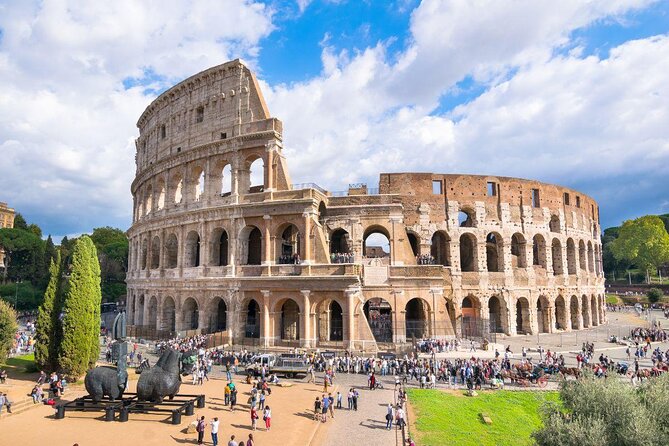
- Reserved Colosseum entry plus the reservation fee is included, so you’re not hunting ticket logistics alone
- Via Sacra focus on the Roman Forum’s main processional street and the power buildings around it
- Palatine Hill payoff: it’s not just a hill, it’s the myth-and-emperor starting line for understanding Rome
- English certified guide and support leading up to boarding (including WhatsApp contact)
- Shared group size up to 24, which can mean more noise and fewer chances to ask questions
A 2-hour Colosseum day that actually makes sense
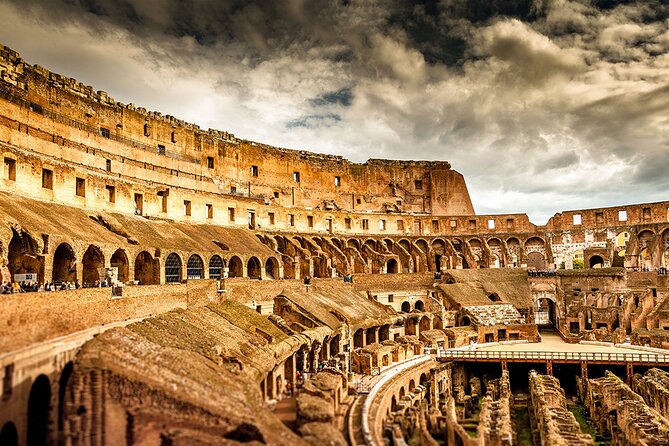
Rome’s ancient sites are scattered, and the temptation is to treat them like a check-list. This tour is built to do better than that. In roughly 2 hours, you hit the Colosseum, the Roman Forum, and Palatine Hill in a flow that matches how Rome’s story unfolds: showtime, government, then the origin myths and elite residences above it all.
The value is not only that you get tickets. It’s that you’re walking with context. The guide’s job here is to turn what you see into what it meant. When you stand inside the Colosseum, you’ll be looking past the wow-factor and toward how the building worked. When you reach the Forum, you’ll understand why that block of ruins was Rome’s daily stage for politics, religion, and public life. And on Palatine Hill, you’ll connect the emperors and temples to the legend of Romulus and Remus—because the hill sits right over the cultural imagination of ancient Rome.
The shared-group setup is the trade-off. This isn’t a private, slow, question-friendly stroll. You’ll be with a group that can be up to 24 people, so you should go in expecting some crowd pressure and a tighter conversation pace.
You can also read our reviews of more tours and experiences in Rome.
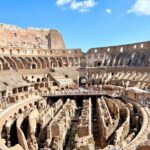
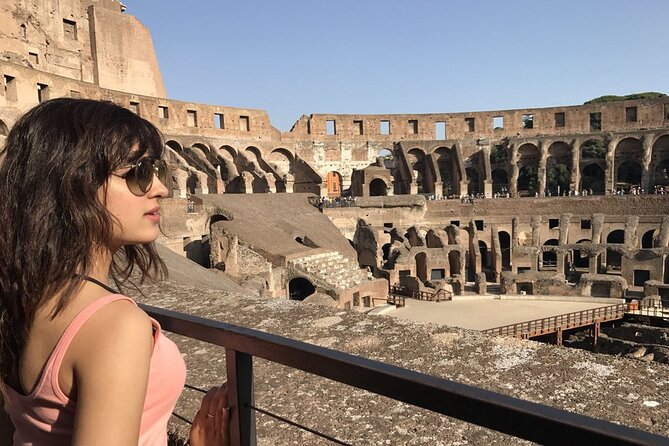
Entering the Colosseum: from Flavian power to stadium reality
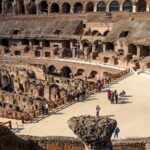
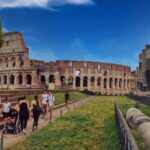
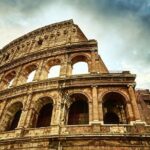
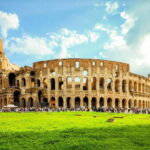
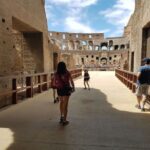
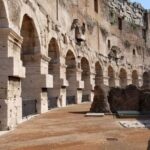
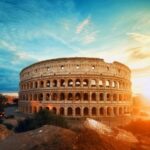
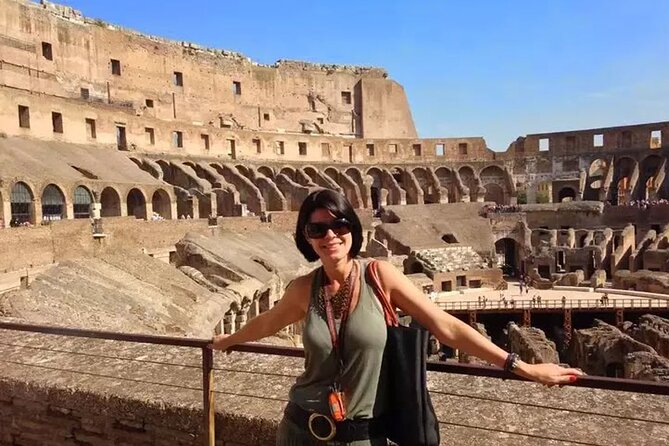
The Colosseum is the obvious reason to come. It was the Flavian Amphitheater (Amphitheatrum Flavium), built starting under Vespasian in 70 AD and completed under Titus for an inauguration on 21 April 80 AD. Domitian later made changes in the 90s, adding another layer to the story of how Rome kept improving its image.
Here’s what you should pay attention to when your guide starts orienting the space:
1) It was built to hold enormous crowds.
The seating capacity is often estimated between about 50,000 and 87,000. That range is a reminder that ancient numbers don’t always survive perfectly in records—but the intent is clear: this was a mass-entertainment machine at the center of the city.
2) The “center of Rome” angle is real.
The Colosseum sits near the eastern edge of the Roman Forum. During the day, people could move between politics and spectacle without leaving the heart of the city.
3) The name is medieval, not ancient.
Colosseum only became the common name in the Middle Ages, tied to how it was described as colossal. That small detail helps you see the building as a living object with a changing identity over centuries, not a frozen museum relic.
You’ll spend about 40 minutes on this stop, and you’ll come with an admission ticket in hand. That matters because timed entry systems can get stressful when you’re doing everything yourself. This tour tries to make that part calmer.
One more practical note: you need the ID document matching your booking name to get through entry for the Colosseum and Roman Forum. Bring your passport or the same kind of identification you used when booking.
The Roman Forum on the Via Sacra: where Rome made decisions
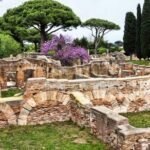
If the Colosseum is where Rome performed, the Roman Forum is where Rome governed and worshipped. The Forum Romanum (Forum Magnum to ancient citizens) was a rectangular plaza surrounded by the ruins of important government buildings at the center of the city.
You’ll stroll along the Via Sacra, the main street of Ancient Rome. This route is where emperors and generals paraded in triumph. It’s the kind of street where the “history” isn’t abstract. You can literally stand on the line that connected major political and ceremonial movement.
Expect your guide to point out clusters of ruins tied to specific roles in Roman life, including:
- the old Senate interior area
- the dwellings of the Vestal Virgins
- temples such as the Temple of Vesta
- major monuments connected to emperors and victories, including the Temple areas and Triumphal Arches of Titus
This is one of the most valuable parts of the tour because it explains the center of gravity of Rome. It also helps you avoid a common mistake: wandering the ruins without knowing what was public vs sacred vs political. With the guide’s story structure, the Forum becomes legible.
This stop is also about 40 minutes. That’s a good amount of time for the Forum’s scale, especially with a plan that doesn’t send you wandering in circles.
Palatine Hill: myth, emperors, and the big-picture meaning
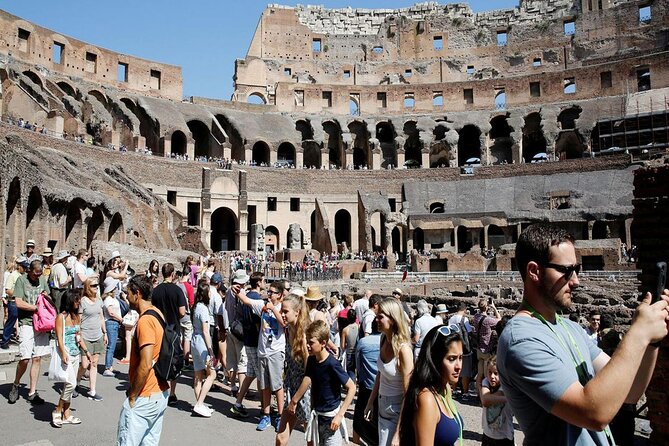
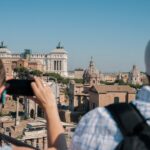
Palatine Hill can be easy to overlook if you’re chasing only the Colosseum. But that’s exactly why it’s worth your time. The hill towers over the Roman Forum and the Circus Maximus area, and it’s tied to two things you can’t separate in Rome: power and myth.
The ruins of ancient palaces sit at a distance, but they still signal what the hill represented: the home base for emperors and elite authority. Your guide will also connect this place to the legendary founding story of Rome—Romulus and Remus—which helps you see why Palatine Hill feels like more than a viewpoint.
When I look at tours like this, Palatine Hill is the “understanding” stop. It’s where the buildings turn into meaning. If you only see the Colosseum, ancient Rome can feel like theater. If you only see the Forum, it can feel like administration. Palatine Hill ties together the story: who had authority, why it mattered, and how Rome framed its own origins.
You get about 40 minutes here too—enough time for the big panoramas and the myth-and-power explanation, without turning the experience into a rushed sprint.
Price and what you’re really paying for
At $162.19 per person for about two hours, this tour sits in the mid-to-upper range compared with generic “see the sights” options. So the key question isn’t just cost. It’s what’s included.
What you get included here:
- a certified guide (English)
- Palatine Hill entrance ticket
- Colosseum entrance ticket and a reservation fee (the reservation fee is valued at €2 per person, and the Colosseum entrance ticket is listed as valued at €18 per person)
- Roman Forum entrance ticket
- mobile ticket approach and online support before boarding
What you don’t get:
- food and drink
- round-trip hotel transfers
So is it worth it? For most people, yes—if you value time and you want the structure. The biggest savings isn’t just the ticket price; it’s avoiding a separate ticket-planning headache for three different ancient zones with timed entry realities. If you’re the kind of person who wants to show up and figure it out as you go, you may spend that same money in stress instead.
Also, don’t ignore the shared-group reality. If you’re expecting a private, slow, question-heavy tour, the format may feel less premium than the price suggests. But if you like tight historical guidance and clean logistics, the value can feel solid.
Group size, guide quality, and why your expectations matter
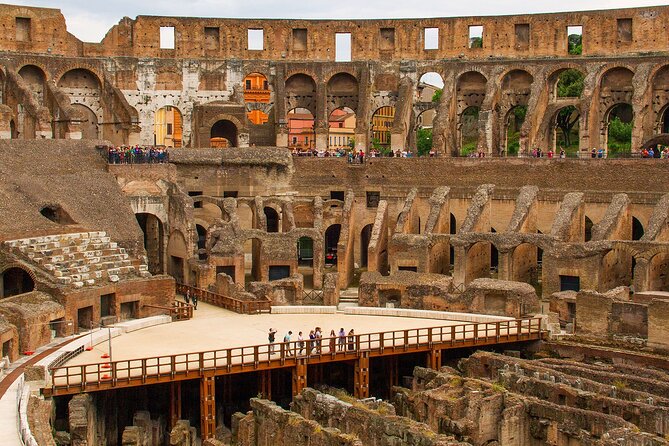
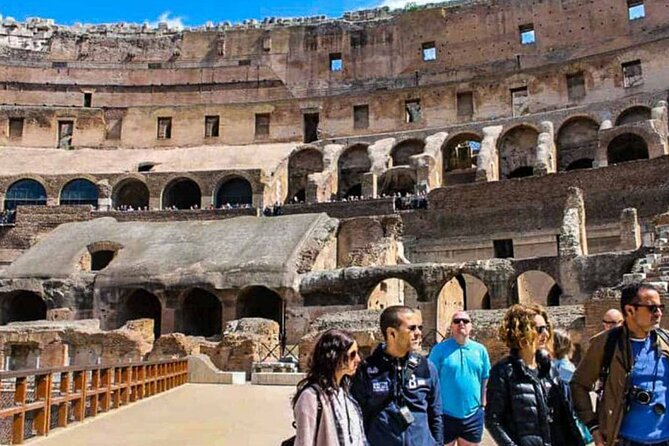
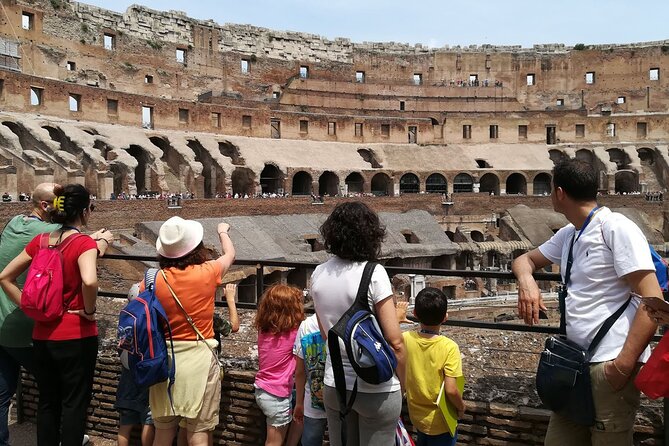
This is a shared tour with a maximum of 24 people. That number changes the vibe. At Rome’s busiest attractions, even a well-run group can feel crowded. This tour can still be excellent, but it’s best for travelers who are okay with moving at a guided pace.
One review experience that stood out in a positive way involved a guide named Francesca. The feedback pointed to excellent English and a very pleasant style. The key is not to assume you’ll get the same guide, but to know that high-quality English-led guiding does happen here.
On the downside, a few issues have shown up in feedback: confusion at the start, ticket mix-ups leading to time lost in line, and even a guide not finishing a tour due to operational problems. I can’t promise those things won’t happen. What I can say is this: if you book, you should treat the day like a timed plan, not a casual wander.
Timing issues to watch: don’t schedule your life too tightly
Rome is famous for last-minute messes: ticket counters close, systems reroute, and the day shifts underfoot. This tour explicitly warns that if your chosen time isn’t available, you’ll be transferred to another time on the same day. It also gives an example: if you pick 9:00 am and the Colosseum sales counter closes at that time, you could be moved to a later slot such as 10:00 am, 12:00 pm, or 2:00 pm.
That’s why I recommend two things:
- Don’t book multiple timed tours on the same day with schedules that are too close.
- Keep at least a little buffer before and after this experience, especially if you have museum reservations or shows.
If you’re traveling with a tight itinerary, this tour can still fit—but build in a margin. Rome doesn’t care about your calendar.
Who should book this Colosseum and Palatine Hill tour?
This is a good match if:
- you want guided context for all three major ancient stops
- you prefer a fixed route instead of planning logistics for Colosseum, Forum, and Palatine separately
- you’re comfortable in shared groups and can handle a little crowd flow
It may be less ideal if:
- you need a quiet, question-friendly pace
- you’re very sensitive to schedule changes
- you’re expecting a private experience despite marketing language that sometimes sounds more personal than the shared-group reality
Should you book this tour?
If your goal is to see the Colosseum, the Roman Forum, and Palatine Hill in one organized run—and you’d rather pay for a guide and reserved entry than wrestle with logistics—then I’d book it. The included tickets and the stop order make it a practical way to turn three big ruins zones into a coherent story of how Rome entertained, governed, and mythologized itself.
But book with your eyes open. This is shared, group-paced, and subject to time-slot shifts. If you’re the type who plans your day down to the minute, give yourself breathing room and bring your ID that matches your booking name. Do that, and this tour can deliver exactly what you came to Rome for: the kind of ancient scene that feels bigger than photographs.
FAQ
What’s the duration of the tour?
The tour runs for about 2 hours (approx.), with around 40 minutes at each stop: the Colosseum, the Roman Forum, and Palatine Hill.
Is this tour private?
No. It is a shared tour. Group size can be 1 to 24 people.
What language is the guide in?
The tour is offered in English.
Are tickets included?
Yes. Your Palatine Hill entrance ticket is included, as well as entrance tickets for the Roman Forum and the Colosseum (including a Colosseum reservation fee).
Do I need ID to enter?
Yes. Each traveler must present a valid passport or identification document that matches the name provided at booking to enter the Colosseum and the Roman Forum.
Where does the tour start and end?
It starts at Via di S. Giovanni in Laterano, 14, 00184 Roma RM, Italy, and ends back at the same meeting point.
Is food and drink included?
No. Food and drink are not included.
Will I be picked up at my hotel?
Round-trip hotel transfers are not included.
What happens if my chosen time isn’t available?
If the chosen time isn’t available, you’ll be transferred to another time on the same day. The change does not depend on the operator, so it’s possible you’ll move to a later available slot.
What’s the cancellation deadline for a full refund?
You can cancel up to 3 days in advance for a full refund. If you cancel less than 3 full days before the experience start time, the amount you paid is not refunded.