REVIEW · ROME
Ancient Art Workshop: Fresco
Book on Viator →Operated by Officina delle Arti Antiche · Bookable on Viator
One word: craft. This fresco painting and mosaic workshop in Rome teaches you the real process, then lets you take your finished work home right away. I especially like that you choose a classic subject and work with Italian artists using natural pigments and marble tile mosaic pieces. One thing to plan for: it runs only on set days/times, and the exact instructor may vary, so lock your slot early.
You’ll get a hands-on class that feels calmer than museum days, even if you’re not an art person. The 2-hour format is long enough to learn the method and finish something you’re actually proud of, which makes it a strong family activity too. The main consideration is that transportation and meals aren’t included, so factor in how you’ll get there and where you’ll eat after.
In This Review
- The Fresco Workshop Feel: Small, Focused, Hands-On
- What You Create in About Two Hours
- Choosing Your Design: Sistine Chapel or a Roman Floor Detail
- Natural Pigments and Marble Tiles: Why This Matters
- The Lesson Flow: From Transfer to Final Color
- Teachers You Might Meet: Patient, Technique-Forward, Restoration-Inspired
- Meeting Point on the Appian Way: Where to Go and How Not to Wander
- Price and Value: What You’re Really Paying For
- Best Fit: Families, Couples, and People Who Want Something Real
- A Balanced Look at Downsides and Planning Notes
- Quick Practical Tips Before You Go
- Should You Book Ancient Art Workshop: Fresco?
- FAQ
- How long does the Ancient Art Workshop: Fresco last?
- How much does the workshop cost, and is it per person?
- What can I take home after the workshop?
- What’s included in the price?
- What’s not included?
- What languages are available?
- Where do we meet?
- Is this a private tour or shared with other people?
- Can I bring a service animal?
- What if my plans change and I want a refund?
The Fresco Workshop Feel: Small, Focused, Hands-On
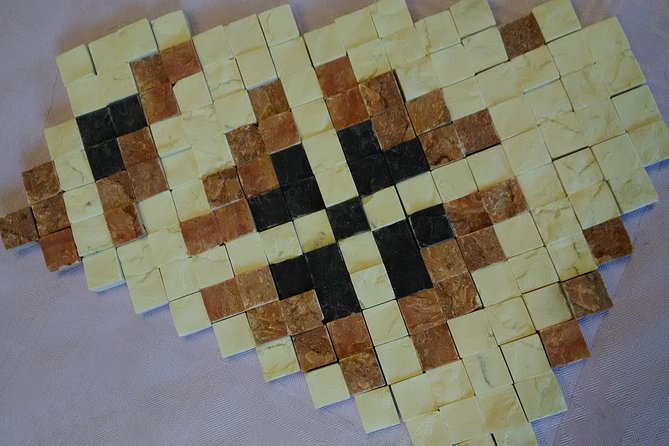
This isn’t a lecture where you watch other people paint. You’re doing the work yourself, guided step-by-step, with materials that are tied to how the craft was historically done. The workshop is based on the idea of recreating an ancient subject, then producing a modern souvenir you can carry home immediately.
The studio is on the Appian Way area and is easy to reach via Metro A. That matters in Rome, because you want your art time to be time that happens, not time you spend figuring out buses.
What You Create in About Two Hours
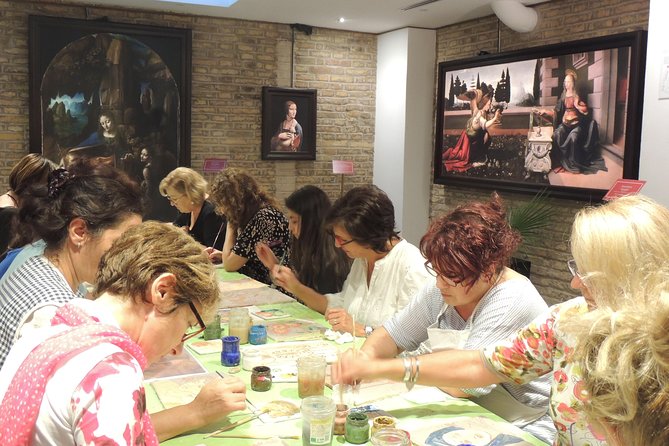
Plan on roughly 2 hours from start to finish. In that time, you’ll follow a practical workflow: you’ll choose your design, work through key techniques, and end with a take-home piece. It’s designed so both adults and kids can participate without needing prior art experience.
The experience is also structured to keep momentum. You’re not waiting around for paint to dry for hours, then hoping it works out. The goal is completion, so you leave with something finished and ready to be packed.
A few more Rome tours and experiences worth a look

Choosing Your Design: Sistine Chapel or a Roman Floor Detail
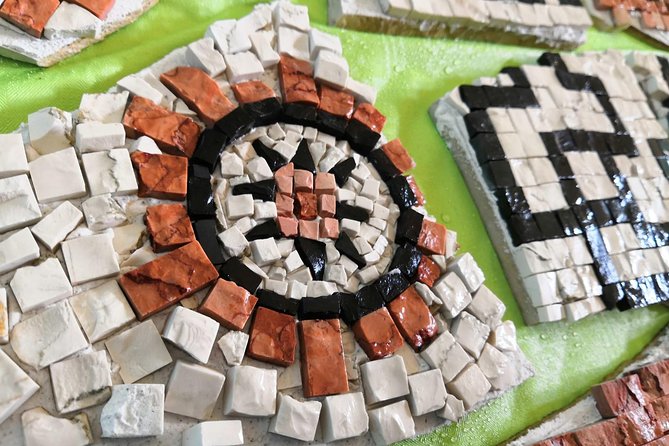
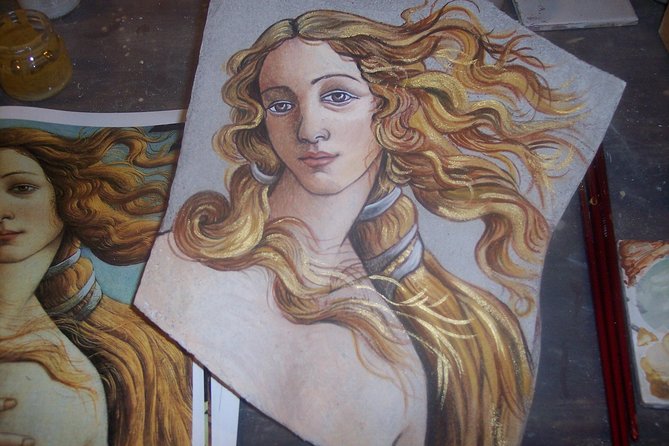
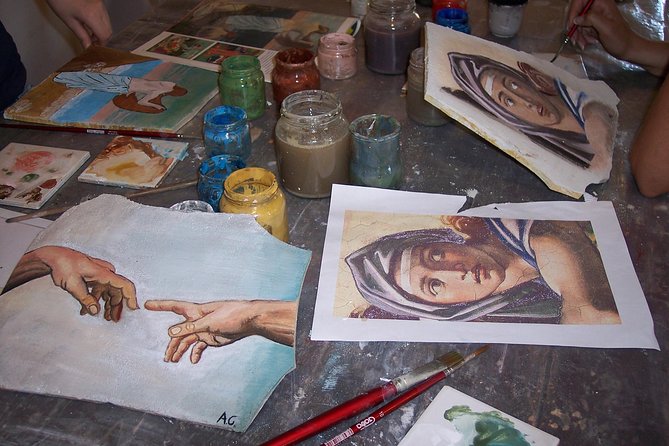
You get to pick what you want to reproduce, and that choice is part of the fun. Options include a subject inspired by Michelangelo’s Sistine Chapel or a detailed pattern drawn from a Roman floor look. That selection step helps you connect the workshop to the Rome you’re already seeing.
If you’ve just visited the Vatican, a fresco technique lesson the next day makes the whole experience click. If you’re more into street-level Rome, the Roman-floor pattern feels like a clever way to notice details most people miss.
Natural Pigments and Marble Tiles: Why This Matters
This workshop uses materials that connect to the past in a way that’s more than a slogan. The pigments are natural, and the mosaic tiles are made from colored marble. That combination is what gives the final result its texture and color depth.
You’ll also learn the “why” behind the craft. For fresco, the instructor explains how the paint bonds to the plaster to create a lasting layer. That kind of explanation turns your effort into understanding, not just copying shapes.
The Lesson Flow: From Transfer to Final Color
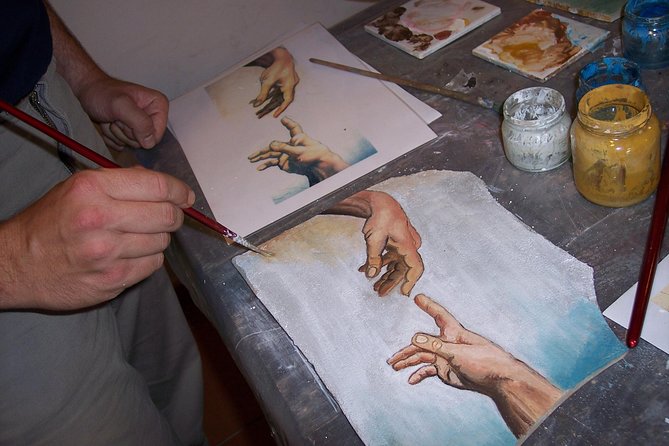
The core skill you’re practicing is the technique of fresco work—how marks get transferred and how paint is applied so it integrates into the surface. You’ll start with the setup and planning, then move through the steps that make the process work.
A key concept you can expect to hear is about layering and bonding: the paint doesn’t just sit on top. Instead, the method helps it form a waterproof layer once properly applied. You might also get examples that explain how masters approached the process, including details like the sand used to make plaster and mineral-based pigments.
Then comes the part you’ll feel in your hands. You’ll blend colors, follow guidance on application, and get help adjusting if your technique is off. This is where a good teacher makes a difference—especially if you think you’re not artistic.
Teachers You Might Meet: Patient, Technique-Forward, Restoration-Inspired
English-speaking instruction is available, and the workshop can also be carried out in Italian, English, French, German, and Spanish. In practice, you’ll spend the time with an Italian artist guide who can explain both the technique and the background.
From what’s described in the experience, instructors may share restoration-style stories and talk about what makes fresco art last. That restoration angle helps explain why the method is so specific, down to the materials and application steps. It also makes the lesson feel like a craft, not a hobby class.
Names you may encounter include Cecelia and Nina. Both are described as patient and encouraging, and they guide people through selecting projects and working through each step clearly. If you’re traveling with kids or someone who gets anxious about “getting it wrong,” that kind of coaching is exactly what you want.
Meeting Point on the Appian Way: Where to Go and How Not to Wander
You’ll meet at Bsocial Via del Commercio, 12 G, 00154 Roma RM. The activity ends back at the meeting point, so you’re not doing a long walk across town after class.
Because it’s near public transportation and reachable by Metro A, you can plan your day around it without building a whole logistics puzzle. I like workshops that keep you close to transit, because Rome already demands enough walking.
If you’re aiming to beat heat and crowds, treat this as an anchor stop: do it mid-day, then shift to lighter sightseeing afterward.
Price and Value: What You’re Really Paying For
The price is $246.90 per group (up to 2) for about 2 hours. That can look “premium” until you break down what’s included: all materials for the workshop are provided, including colors, brushes, marble tiles, and other supplies needed to make your piece.
The hidden value is that you’re paying for small-group attention and immediate output. You’re not buying a ticket to watch someone else create. You’re creating, with guidance, and leaving with a finished souvenir.
What’s not included is also clear: transportation, food, and drinks. Build that into your budget and plan to grab something nearby before or after. In Rome, you’ll usually be happiest when you don’t try to combine “art class logistics” with “full-day wandering logistics.”
Best Fit: Families, Couples, and People Who Want Something Real
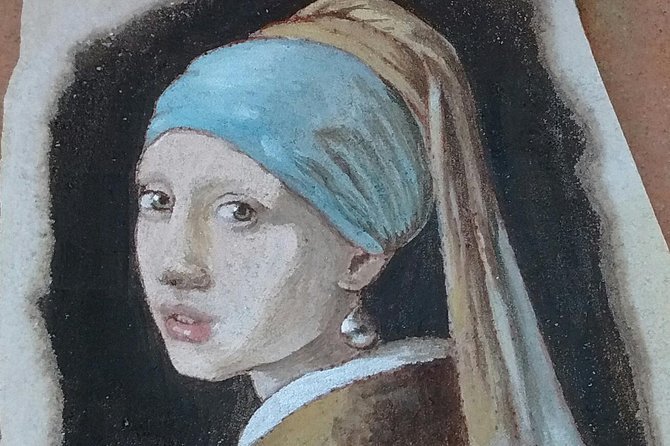
This works well for a wide range of ages because the instructions are simple to follow, and the class is set up so you can succeed even if you have zero art background. It’s been done by pairs and families, including kids around primary-school age and also older teens.
If you’re the type who loves museums but wants a more physical experience, this delivers. You get history in a practical form: how the craft works, how materials behave, and what makes the final result last.
If you’re traveling with someone who gets bored on museum days, this can be your compromise. It’s creative, structured, and ends with an object you can hold. That last part is underrated.
A Balanced Look at Downsides and Planning Notes
First, this is a private experience for your group, which is great for focus—but it means you should plan your schedule carefully. If you’re trying to stack it with other activities in the same time window, don’t overstuff your day.
Second, the workshop’s availability depends on its set operating hours. It runs Monday to Friday, 10:00 AM to 6:00 PM during the listed date window (05/01/2025 to 01/07/2027). If your trip dates fall on weekends, you may need to shift plans.
Third, even with good organization, this kind of class can face occasional last-minute issues, since it relies on instructors. The good news: there’s a free cancellation option with a refund if you cancel on time.
Quick Practical Tips Before You Go
You’ll enjoy it more if you arrive with a simple plan for your day: leave buffer time for transit, and don’t schedule a tight “next appointment” right after class.
Wear clothes you’re comfortable getting a little art-class messy in. Even when workshops are clean, you’ll still be working with materials and colors. And if you care about packing, bring a basic plan for wrapping or carrying your finished piece home.
Finally, don’t overthink your artistic ability. The point is learning the technique and creating something you can take home, not producing a museum-level masterpiece in two hours.
Should You Book Ancient Art Workshop: Fresco?
I think you should book this if you want an interactive Rome experience that doesn’t require any artistic talent to have a good outcome. It’s a smart match for families, couples, and anyone who loves history but prefers to do something with their hands.
Choose it if you’re also hoping your Vatican visit or Roman architecture interests become more understandable. The lesson connects technique to meaning, and you’ll leave with a souvenir that feels tied to what you learned, not just something bought nearby.
Skip it only if your schedule is inflexible or you’re looking for a long, museum-style walkthrough. This is a hands-on class with a clear endpoint, not a slow tour.
FAQ
How long does the Ancient Art Workshop: Fresco last?
It runs for about 2 hours.
How much does the workshop cost, and is it per person?
The price is $246.90 per group (up to 2).
What can I take home after the workshop?
At the end of the lesson, everyone can immediately take their work away.
What’s included in the price?
The workshop includes all materials you need (colors, brushes, marble tiles, and related supplies).
What’s not included?
Transportation, food, and drinks are not included.
What languages are available?
The activity can be carried out in Italian, English, French, German, and Spanish.
Where do we meet?
The meeting point is Bsocial Via del Commercio, 12 G, 00154 Roma RM, Italy.
Is this a private tour or shared with other people?
It’s private, so only your group will participate.
Can I bring a service animal?
Yes, service animals are allowed.
What if my plans change and I want a refund?
You can cancel for a full refund if you cancel up to 24 hours in advance of the experience start time. If you cancel less than 24 hours before, the amount paid is not refunded.