REVIEW · TOKYO
From Tokyo: Nikko World Heritage Sight Full Day Private Tour
Book on GetYourGuide →Operated by Travel on smile · Bookable on GetYourGuide
Nikko rewards you fast. I like the private door-to-door comfort (hotel pickup, luxury van with Wi‑Fi) and I like how the day targets the big visual hits with smart time at Nikko Toshogu. One trade-off: it’s a packed 10 hours, with lots of walking stops and meals not included.
This is a true one-day conversion of Tokyo energy into mountain scenery—shrines, river views, statues, ropeway panoramas, and a major waterfall. And if weather plays hardball, you’ll want to accept that the Akechidaira Ropeway may close, even though the rest of the itinerary still aims to keep your day full.
In This Review
- The Most Useful Highlights in 5 Bullet Points
- A Private Nikko Day Trip From Tokyo That Actually Feels Easy
- The Big Entrance: Nikko Toshogu Shrine and the Yomeimon Gate
- Shinkyo Bridge and Futarasan Jinja: Two Stops That Set the Tone
- Guided Stops at the Small Museum and a Short Break for Your Legs
- Kanmangafuchi Abyss and the Jizo Statues Walk
- Lake Chuzenji: Volcanic Calm and Mountain Views
- Akechidaira Ropeway: Panoramas Over Mount Nantai and Kegon Falls
- Kegon Falls in Winter and Summer Drama
- Edo Wonderland: Crafts, Performances, and a Fun Brake From Temples
- Price and Timing: Is $362 Good Value for a Private Nikko Day?
- Who This Tour Fits Best (and Who Should Rethink It)
- Quick Practical Tips Before You Go
- Should You Book This Nikko World Heritage Private Tour?
- FAQ
- How long is the Nikko private day tour?
- Where does pickup happen for this tour?
- Is this tour private or shared with other groups?
- How many people can be in one group?
- Which sites will I visit in Nikko?
- Do I need to pay for meals during the day?
- Is there a way to reduce waiting time at major attractions?
- What languages are available for the live guide?
- What should I bring with me?
- What happens if the ropeway is closed due to weather?
The Most Useful Highlights in 5 Bullet Points
- Skip-the-line entrance: you pass through a separate entrance to save time at major stops
- Nikko Toshogu details: Yomeimon Gate craftsmanship plus the famous sleeping cat
- Kanmangafuchi Abyss walk: a peaceful path lined with 70+ Jizo statues
- Akechidaira Ropeway views: panoramic lookouts over Mount Nantai and Lake Chuzenji (when running)
- Kegon Falls payoff: a dramatic 97-meter drop, with winter ice in colder months
A Private Nikko Day Trip From Tokyo That Actually Feels Easy
Nikko is one of those places that can eat a whole day if you try to DIY it. This private tour saves you the mental math: you get a set route, a guide on hand, and a driver focused on getting you from temple to waterfall without drama.
At $362 per group (up to 6 people), the value is really about what you buy with your time. If you’re traveling as a family or a small group, the per-person math gets attractive fast compared with piecing together trains, buses, and timed tickets.
The trip runs for about 10 hours including your start time. That long “including start time” matters, because you’re leaving Tokyo, touring on a tight schedule, then returning to Tokyo by night.
You can also read our reviews of more private tours in Tokyo
The Big Entrance: Nikko Toshogu Shrine and the Yomeimon Gate
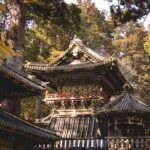
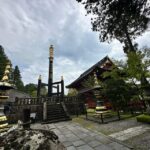
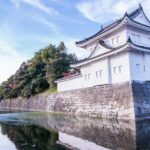
Your day anchors at Nikko Toshogu Shrine, Japan’s best-known shrine complex in Nikko and the spiritual site tied to Tokugawa Ieyasu. Expect a forested approach and a shrine experience that feels more like moving through art than just visiting buildings.
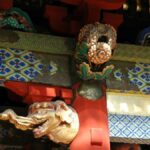
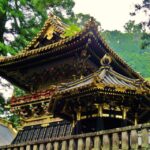
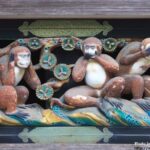
What I think makes Toshogu worth prioritizing: the details. The guide will point out the intricate carvings, vibrant colors, and standout architecture like the Yomeimon Gate, plus the famous sleeping cat sculpture. It’s the kind of place where a little guidance turns random-looking ornament into meaning.
Time is short on purpose. You’ll have around 30 minutes for the main shrine visit, plus a separate photo stop tied to the Nikko Toshogu Art Museum. That quick pace can be perfect if you want the highlights without burning half a day, but it’s also why good shoes help.
Shinkyo Bridge and Futarasan Jinja: Two Stops That Set the Tone
After Toshogu, you’ll hit Shinkyo Bridge, the iconic wooden bridge over the Daiya River. It’s one of Nikko’s most photographed sights, especially when greenery or autumn colors frame it, and it also works as a symbolic gateway to the Nikko shrine area.
In a one-day plan, I love Shinkyo because it’s visually rewarding in minutes. You get a guided photo-stop style moment and a short walk, so it’s not just driving time disguised as sightseeing.
Next comes Nikko Futarasan jinja for another guided photo-stop. This stop is shorter (about 30 minutes including the photo and guided elements), but it helps you feel the broader shrine landscape beyond just Toshogu.
Guided Stops at the Small Museum and a Short Break for Your Legs
You’ll also pause at the Nikko Toshogu Art Museum for a photo stop with guided context. Even if you don’t go deep inside (your time here is limited), it helps connect what you’re seeing at Toshogu with how Japanese craft and symbolism get presented.
A practical note: the tour rhythm keeps moving. That’s why you’ll want to use each “short stop” efficiently—water ready, camera charged, and shoes that don’t punish your feet after repeated entrances and exits.
If you’re sensitive to tight schedules, this is still one of the better ways to see Nikko in a day, because the day keeps its breaks built into the plan instead of leaving you to guess where you can rest.
Kanmangafuchi Abyss and the Jizo Statues Walk
The Kanmangafuchi Abyss experience is one of the most calming parts of the whole day. The pathway is lined with 70+ Jizo statues, representing the spirits of children and travelers, and the walk is meant to slow you down compared with the shrine crowds.
The best part is how it turns “scenery” into a small ritual. You’re strolling a natural corridor while the statues sit in quiet repetition, and the surrounding nature and river sounds make the moment feel reflective rather than rushed.
This stop also helps balance the day’s intensity. After bright shrine architecture and bridge photos, Kanmangafuchi gives you a different kind of Nikko—more forest-and-water quiet than ornament.
You can also read our reviews of more historical tours in Tokyo
Lake Chuzenji: Volcanic Calm and Mountain Views
Then you rise into the mountain basin around Lake Chuzenji, a highland lake formed by volcanic activity. You’ll have about 1.5 hours here, with a guided photo stop and time to walk around at a leisurely pace.
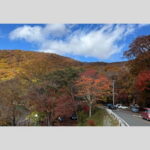
Lake Chuzenji’s main draw is the look. On good days you get clear views of the surrounding mountains, and the lake area works well in different seasons. In autumn it’s famous for color, while in winter you may see more stark, crisp scenery (and colder conditions).
You can also use your time here more flexibly. The tour gives you a chance to explore nearby viewpoints, and if you want to slow down with photos or just sit and watch the light shift, this is the best place to do it.
Akechidaira Ropeway: Panoramas Over Mount Nantai and Kegon Falls
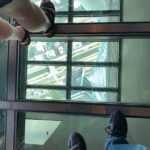
The Akechidaira Ropeway is where the tour turns scenic. When it’s operating, you’ll ride up for panoramic views over Mount Nantai, Lake Chuzenji, and the dramatic region around Kegon Falls.
The ropeway ride also matters because it changes your perspective. Instead of just looking at Nikko from ground level, you see how the valley and lake fit together, which makes the rest of the day click.
Do plan for one snag: the ropeway may close due to bad weather conditions. This is especially relevant in winter and when winds pick up. Even if that happens, your day still includes the major waterfall stop, so you’re not completely left without a big payoff.
Kegon Falls in Winter and Summer Drama
Kegon Falls is the headline waterfall in this plan, dropping 97 meters into a rocky gorge. You’ll arrive with a visit time of about an hour that includes tea, free time, and a coffee tasting.
That tea-and-coffee moment isn’t just a break—it’s a good way to reset in the cold or after wet air near the gorge. And in winter, Kegon Falls can freeze, creating striking ice formations that look very different from the typical smooth water look.
From a travel perspective, Kegon is also efficient. You can get an iconic view from the observation platform, and there are walking trails and viewpoints around the area if you want more than one angle.
Edo Wonderland: Crafts, Performances, and a Fun Brake From Temples
This tour includes Edo Wonderland, with traditional craft workshops and performances. Your schedule may keep it as a daytime cultural stop, but it’s clearly part of the value package because it adds hands-on fun after all the formal shrine viewing.
I like this kind of pairing because it prevents the day from feeling like one long museum visit. You still get history in context, but it’s presented through activities and performance rather than silent looking.
If you’re traveling with kids or teens, this is the section that often keeps everyone happy. Even as an adult, it’s a nice change of pace when your feet have already done plenty of work.
Price and Timing: Is $362 Good Value for a Private Nikko Day?
Let’s talk value, because $362 sounds like “tour tax” until you break it down.
This rate is per group up to 6 people. That means your private van and guide cost don’t balloon the way individual tickets often do. Also included are hotel pickup and drop-off in Tokyo and Nikko, highway tax, Wi‑Fi, and luxury transport with air conditioning.
You’re also buying time. Nikko’s sites aren’t all next to each other, and the tour builds in the reality of travel between the spiritual sites and the lake-and-falls region. Add in guided interpretation and the fact that you skip the line through a separate entrance, and you’re not spending your day queued up.
One more practical cost to consider: meals and snacks are typically not included. The day does include tea and a coffee tasting at Kegon Falls, but you’ll still want to budget for lunch or snacks elsewhere.
Who This Tour Fits Best (and Who Should Rethink It)
This is a great match for people who want Nikko highlights without the stress of timing trains and transfers. You’ll also enjoy it if you like photography and want a guide helping you find photo moments and take pictures.
It’s also a strong fit for families and mixed-age groups, because private touring gives you flexibility to move at a manageable pace. One reason the reviews feel so positive is that the day isn’t built like a sprint.
Two cautions. First, it’s not designed for people over 95 years old. Second, some areas may not be accessible for people with mobility impairments, since there’s walking at multiple stops.
If you’re aiming to do Nikko at a slower, deeper pace—reading inscriptions, lingering in every corner, and fully exploring buildings—this may feel too structured. But if your goal is a full highlight loop, this is built for exactly that.
Quick Practical Tips Before You Go
Bring comfortable shoes, a hat, sunscreen, a camera, and water. It’s a day of walking and photo stops, and the weather can shift fast in mountainous areas.
Also skip smoking. Simple rule, but it matters in shrine and park settings.
Check weather conditions before you go, because the Akechidaira Ropeway can close in bad weather. If that happens, it’s still worth being mentally ready for a version of the day that leans more on the temple-and-falls highlights.
Should You Book This Nikko World Heritage Private Tour?
I’d book it if you want Nikko without the hassle. The combination of Toshogu Shrine, Shinkyo Bridge, Kanmangafuchi, Lake Chuzenji, and Kegon Falls is a lot for one day, but that’s why a private guide and van make sense.
I’d also book it if your priorities are visual highlights and easy pacing. Skip-the-line entry, Wi‑Fi on board, and a live guide in Arabic, English, or Hindi remove a lot of friction.
I’d rethink it if you need a long, slow visit style. With limited time at each main site and meals not included, you have to accept that this is a highlight-focused day, not a “stay all afternoon at one shrine” kind of plan.
FAQ
How long is the Nikko private day tour?
The tour duration is approximately 10 hours, including the start time.
Where does pickup happen for this tour?
Hotel pickup and drop-off are included, and pickup is available in Tokyo and Nikko when you provide your hotel name and address.
Is this tour private or shared with other groups?
It’s a private group tour.
How many people can be in one group?
The pricing is for a group up to 6 people.
Which sites will I visit in Nikko?
You’ll visit Nikko Toshogu Shrine, Shinkyo Bridge, Lake Chuzenji, Kegon Falls, and you’ll also stop for Kanmangafuchi Abyss and the Akechidaira Ropeway. The tour also includes Edo Wonderland.
Do I need to pay for meals during the day?
Meals and snacks are typically not included, so you should budget for dining.
Is there a way to reduce waiting time at major attractions?
Yes. There is skip-the-line access through a separate entrance.
What languages are available for the live guide?
The live guide can speak Arabic, English, and Hindi.
What should I bring with me?
Bring comfortable shoes, a hat, a camera, sunscreen, and water.
What happens if the ropeway is closed due to weather?
The ropeway may close due to bad weather conditions, so it’s best to check weather before your visit and be prepared for changes.