REVIEW · TOKYO
Kyoto: Nijo Castle World Heritage Guided Tour with Admission
Book on GetYourGuide →Operated by Local Guide Stars · Bookable on GetYourGuide
Kyoto can feel like a museum you rush through, but this tour makes it a story with pacing. You get a small group (up to 10) and admission included, so you spend your time on the places that explain the Tokugawa era instead of figuring it out alone. The tour’s focus on the shogun vs. emperor rivalry is what makes Nijo Castle click, especially when you reach the Ninomaru Palace and the moment the shogunate ended.
My favorite part is the hands-on way the guide ties details together, like the strict social hierarchy you can literally see in room proportions and floor levels. The other big win is Q-and-A friendly guiding, with English that stays clear even when the questions get specific, including guides like Nao, Uta, Benjamin, Alexander, and Naoya who’ve led past groups.
One thing to plan around: you’ll need to remove your shoes when entering the palace areas, so bring a practical approach to foot comfort and socks.
In This Review
- Quick hits before you go
- Entering Nijo Castle: why the layout matters
- The small-group pace: up close history, not a rush job
- Admission included: what you really get for the money
- Ninomaru Palace walkthrough: hierarchy you can feel
- The nightingale floors: the moment you’ll remember later
- Gates, corridors, and gates-with-attitude
- Why the shogun vs. emperor rivalry hits here
- Gardens and koi moats: the surprisingly calm side
- Practical notes that actually affect your comfort
- English guiding that stays useful
- What kind of traveler should book this?
- Should you book this Nijo Castle guided tour?
- FAQ
- How long is the Nijo Castle guided tour?
- Where do I meet the guide?
- Is admission to Nijo Castle included?
- What group size is this?
- Is the tour in English?
- Is the tour wheelchair accessible?
- Do I need to remove my shoes?
- What’s the cancellation policy?
Quick hits before you go
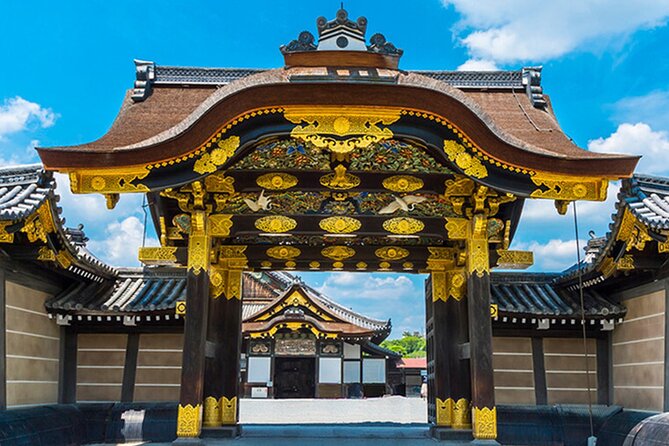
- Meet at Nijōjō-mae Station Exit 1 with a guide holding a Local Guide Stars sign, then walk right into the castle grounds.
- Up to 10 people keeps the pace calm and makes it easier to ask questions.
- Nightingale floor moment: you get to experience the famous chirping mechanism in the Ninomaru Palace.
- Koi carp in the moats adds a photo-friendly, surprisingly peaceful side to a political power struggle.
- Shogun vs. Emperor storyline culminates with the 1867 return of authority by Tokugawa Yoshinobu.
Entering Nijo Castle: why the layout matters
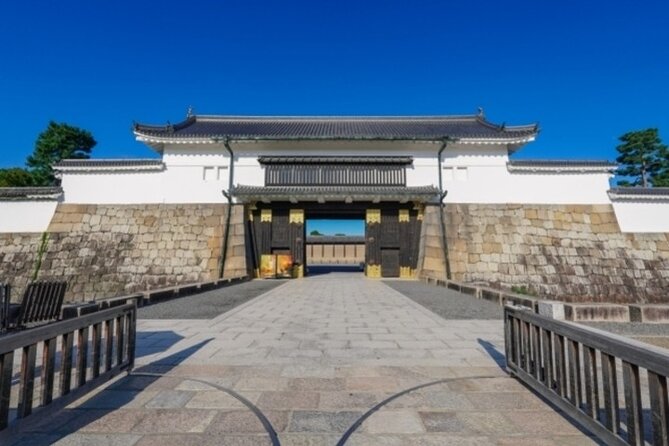
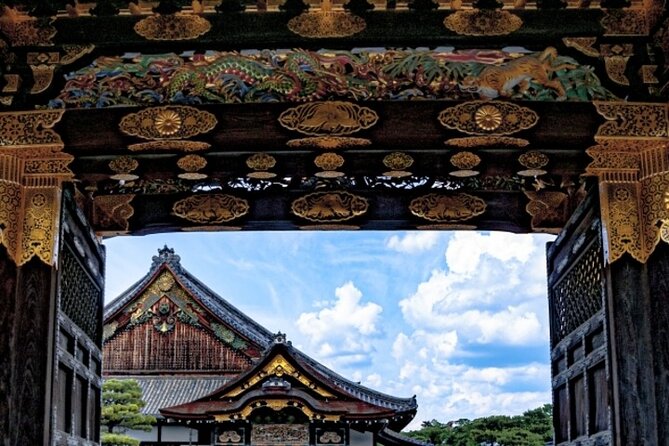
You’re not just visiting a pretty historic site here. The walk you start right after meeting at Nijōjō-mae Station Exit 1 is built around how power worked in the Tokugawa period—showing authority without needing to fight.
As you move through the grounds, the guide helps you notice that many spaces aren’t designed for defense in the typical castle way. Instead, you see a system for display, intimidation, and quiet control. It’s a reminder that politics can use architecture like a weapon.
If you’ve read anything about shoguns and emperors, this is where the terms stop being abstract. The guide frames the palace as a political statement: the Tokugawa rulers controlled the country from Edo (now Tokyo), yet they built a lavish residence steps from the Emperor’s world in Kyoto.
You can also read our reviews of more guided tours in Tokyo
The small-group pace: up close history, not a rush job
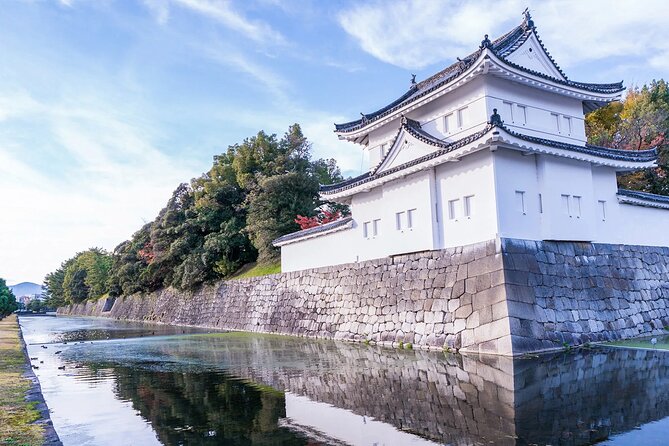
This is one of the best kinds of small tours: not just “small” for comfort, but small so the guide can shape the experience to your questions. With a group capped at 10, you’re not stuck listening to explanations from far away while other people constantly refill the photo line.
That format shows up in how the guiding style tends to land. Past groups led by guides such as Nao and Benjamin were praised for answering questions well and keeping the storytelling lively, not robotic. And when the group size ends up very small, the tour often becomes effectively personal—one guide’s past run even turned into a private experience for a single guest.
For you, that means you can ask things like how strict rules show up in architecture, or why certain rooms feel smaller, taller, or more formal than they might seem at first glance. You’re also more likely to hear practical tips on what to look for next as you keep walking.
Admission included: what you really get for the money
At around $40 per person for roughly 90 minutes, what matters isn’t just the number—it’s what you’re buying. You’re paying for an English live guide plus castle admission, which is the kind of combo that keeps your day efficient.
Nijo Castle is a UNESCO site, but it can still be easy to miss the “why.” This tour helps you connect:
- what you’re seeing (gates, corridors, room sizes),
- with what it meant (rank, control, timing, ceremony).
In plain terms, you’ll get more value if you enjoy interpretation. If you prefer wandering quietly with zero structure, you might skip a guided session. But if you like your historic sites explained in human language, this is priced like a fair upgrade.
Ninomaru Palace walkthrough: hierarchy you can feel
The heart of the visit is the Ninomaru Palace, where the tour’s main themes become tangible. Room scale isn’t random, and decoration isn’t just decoration. The guide points out how room size, floor height, and formal ornament reflect strict social ranking.
When you walk through, you’re not only seeing lavish spaces—you’re learning how space controlled behavior. Corridors and gates create a layered experience where movement feels guided, and visitors are psychologically “managed” as they pass from one threshold to the next.
This is also where the tour really helps you slow down without it feeling slow. The pacing is built around letting you notice details, then hearing exactly what those details were designed to communicate.
The nightingale floors: the moment you’ll remember later
The famous feature here is the nightingale floors. You’ll hear that distinctive chirping when you step in the right places, and it’s explained as a security measure to expose intruders.
Even if you’ve seen photos online, nothing beats experiencing it in context. The guide also helps you understand why this mattered: it’s not magic, it’s engineering tied to the reality that control was a constant concern.
If you like “show me the mechanism” experiences, this is one of the best parts of the tour because it’s sensory. You’re not just reading about how castles worked—you’re participating with your own steps.
You can also read our reviews of more historical tours in Tokyo


Gates, corridors, and gates-with-attitude
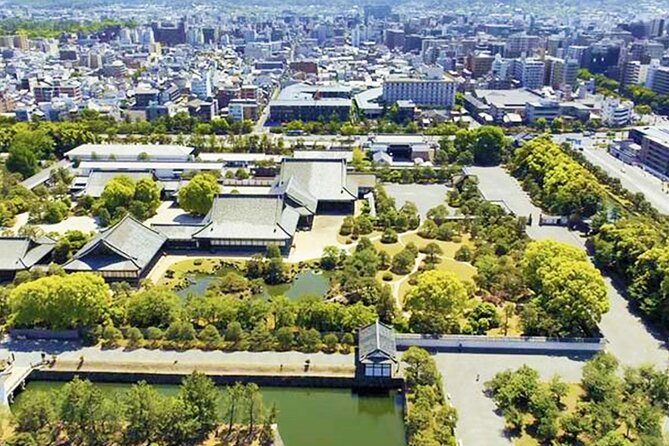
Some castles impress you because they look strong. Nijo Castle impresses you because it feels intentional. As you move through layered access points, the guide calls attention to how the path and entry points could overwhelm visitors, not by violence, but by structure.
You’ll get a better sense of the shogun’s strategy: dominate through architecture and protocol rather than open conflict. This is especially powerful if you’re coming from Kyoto’s more temple-and-shrine atmosphere, because it shifts the tone from spirituality to state power.
If you tend to get tired standing in lines for long explanations, this tour helps because the guide ties each segment to a specific idea—so you’re not just listening, you’re collecting clues.
Why the shogun vs. emperor rivalry hits here
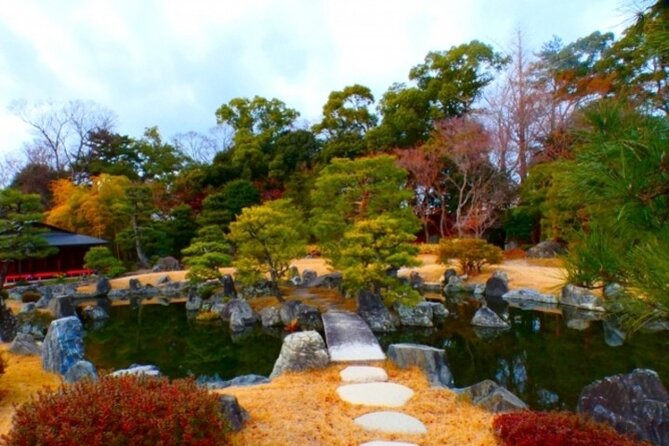
Nijo Castle is a political stage. The guide explains why Tokugawa rulers, based far away in Edo, built a lavish palace near the Emperor’s residence in Kyoto. It’s a reminder that legitimacy was complicated and power had to be performed.
As you stand inside key spaces, you learn how the shogunate asserted authority right at the heart of the Emperor’s world. It helps you understand the rivalry as something lived daily through court proximity, ceremony, and access.
Then the tour lands the story at the finish line: the moment in 1867, when Tokugawa Yoshinobu returned authority to the Emperor. That act ended over 260 years of shogunate rule and set the stage for the Meiji Restoration.
Gardens and koi moats: the surprisingly calm side
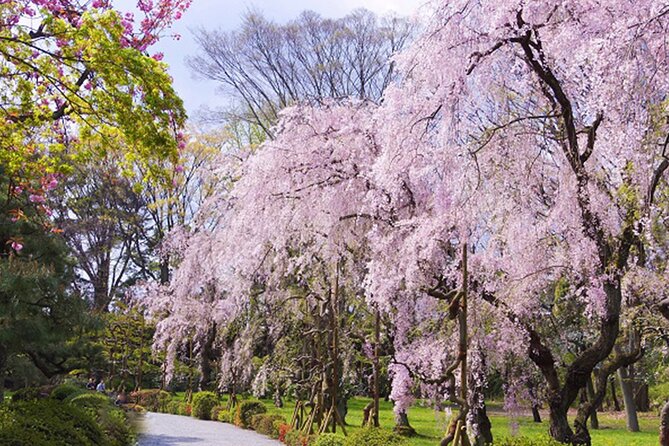
The guided route also makes room for something you might not expect in a “politics” castle. The moats and garden views are photogenic, including colorful koi carp swimming through the water.
These pauses matter. They give you a breather from the palace interiors and help you process the themes you just heard. It’s also one of the best spots for pictures because the visuals are simple and clear: water, koi, stone, and reflections.
If you like contrast in travel—quiet nature after intense history—this part is a nice reset.
Practical notes that actually affect your comfort
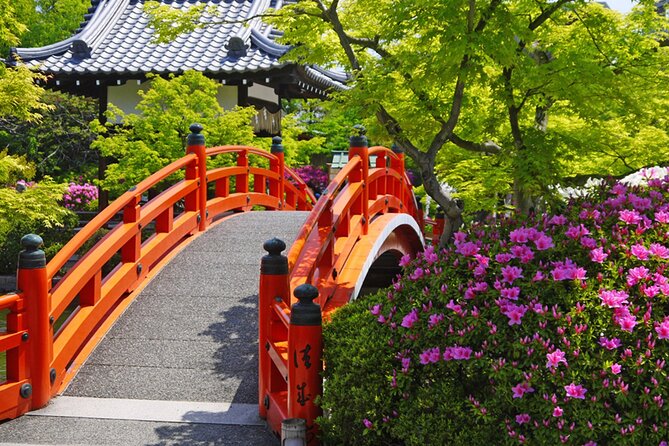
Most of the walking is mostly flat, so it’s generally manageable. But the palace itself has a key rule: you must remove your shoes when entering. That’s the main consideration for anyone who struggles with foot comfort or warm/cold conditions.
Plan for indoor/outdoor temperature swings. You’ll also spend time standing and walking at a relaxed pace, so wear shoes (that are easy to remove) and socks you’ll be happy wearing.
Also, the tour is wheelchair accessible, which is good to know if you’re coordinating mobility needs. The main “constraint” is the shoe-removal requirement once you’re inside.
English guiding that stays useful
A lot of English-language tours in Japan are either too fast or too vague. This one tends to land better because guides are praised for explaining clearly and answering questions.
In past experiences, guides such as Nao and Naoya were singled out for deep insight and for giving an experience that felt fun, not like a lecture. Guides like Uta and Alexander were also praised for being enthusiastic and for keeping the storytelling engaging all the way through.
If you’re the kind of person who likes to compare your understanding of Japanese history before and after a site visit, you’ll probably enjoy how the guide connects the dots.
What kind of traveler should book this?
This tour is a great fit if:
- you want Nijo Castle explained with context (not just dates and facts),
- you like small groups and question time,
- you’re curious about the real-world meaning of shogun rule in Kyoto.
It’s less ideal if:
- you only want a light stroll and prefer reading on your own,
- you’d rather avoid any shoe-removal situation inside buildings.
If you’re traveling with kids, it can still work well because the nightingale floors are the kind of moment that turns history into something your brain remembers.
Should you book this Nijo Castle guided tour?
Yes—if you care about understanding what you’re looking at. For a modest $40 with admission included and a small group format, it’s good value for the amount of interpretation you get in about 90 minutes.
Book it sooner rather than later if Kyoto is tight on time, because the structure helps you cover the key areas without wandering in circles. And if you’re excited by details—like why the floors chirp or how hierarchy shows up in architecture—this is the kind of tour that will make Nijo Castle feel personal and memorable.
If you want, tell me your travel month and whether you’re more into history or photos, and I’ll suggest a smart way to pair this with nearby Kyoto stops.
FAQ
How long is the Nijo Castle guided tour?
The experience runs for about 90 minutes, including a guided portion of about 1.5 hours.
Where do I meet the guide?
Meet outside Exit 1 of Nijōjō-mae Station. The guide will be holding a sign that says Local Guide Stars.
Is admission to Nijo Castle included?
Yes. Admission to Nijo Castle is included in the tour price.
What group size is this?
It’s a small group limited to up to 10 participants.
Is the tour in English?
Yes, the live guide provides the tour in English.
Is the tour wheelchair accessible?
Yes, the tour is listed as wheelchair accessible.
Do I need to remove my shoes?
Yes. When entering the palace areas, all visitors must remove their shoes.
What’s the cancellation policy?
Free cancellation is available up to 24 hours in advance for a full refund.