REVIEW · TOKYO
Private Japanese Sample Food Making and Asakusa History Tour
Book on Viator →Operated by Japan Awaits · Bookable on Viator
Plastic food, real skill. This hands-on sampuru workshop plus an Asakusa history walk makes for a fun Tokyo afternoon, and I like that you leave with a take-home piece you made yourself. I also like the pairing of Kappabashi’s kitchen-toy shops with a stop at Sensoji. One possible drawback: it’s about 3 hours and no meals are included, so plan a snack or a proper dinner after.
This is a small group with a cap of 15, with wheelchair and stroller access. English-speaking guidance (and a translator) keeps things clear, and names like Mami and Hitomi show up in the experience in a positive way, especially for making the craft feel easy and the area feel understandable. Tip: because you’ll put hands into wax, skip nail polish on your fingertips unless you’re okay with some of it coming off.
In This Review
- Key Things You’ll Love About This Tour
- What Makes Sampuru Food Models So Special in Tokyo
- Start Point and Timing: Getting Into Asakusa Without Stress
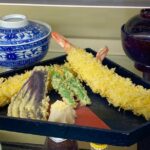
- The Hands-On Workshop: Making Tempura-Style Sampuru You Can Take Home
- Learning the Real Craft: Why It Looks Like the Food It Mimics
- Kappabashi Street (Kitchen Town): Tools, Tricks, and Photo-Worthy Shops
- Sensoji Temple and Nakamise Dori: The Asakusa Icon, Explained
- Price and Value: Is $172.66 Worth It?
- Who This Tour Is Best For (And Who Might Want Another Option)
- Tips to Get the Best Photos and the Best Outcome
- Should You Book This Sampuru and Asakusa History Tour?
- FAQ
- How long is the Private Japanese Sample Food Making and Asakusa History Tour?
- What time does the tour start, and where do I meet?
- What days is the tour available?
- Is Sensoji Temple admission included?
- Do I make and take home sampuru?
- What language is the guide?
- Is it suitable for kids, and are there any special rules?
- Is this wheelchair and stroller friendly?
- Are meals included?
Key Things You’ll Love About This Tour
- You make your own sampuru in a hands-on workshop, with a take-home sample created in class
- Kappabashi Street (Kitchen Town) is a visual treat for kitchen tools and sample-food culture
- Sensoji Temple gets real context and comes with an admission ticket included
- Small group size (up to 15) keeps the workshop from feeling rushed
- Photo stops are planned so you don’t miss the best angles on Asakusa sights
What Makes Sampuru Food Models So Special in Tokyo
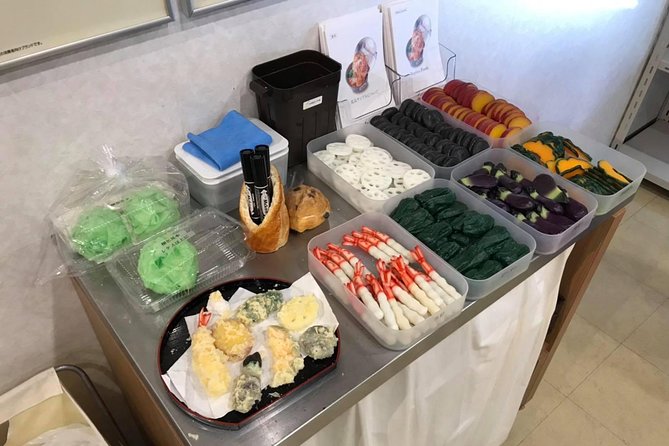
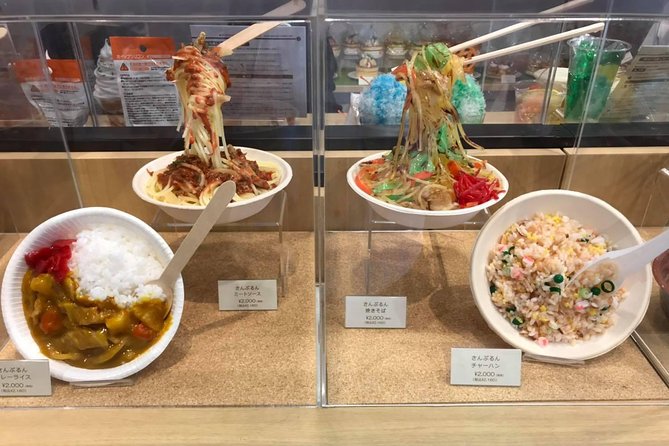
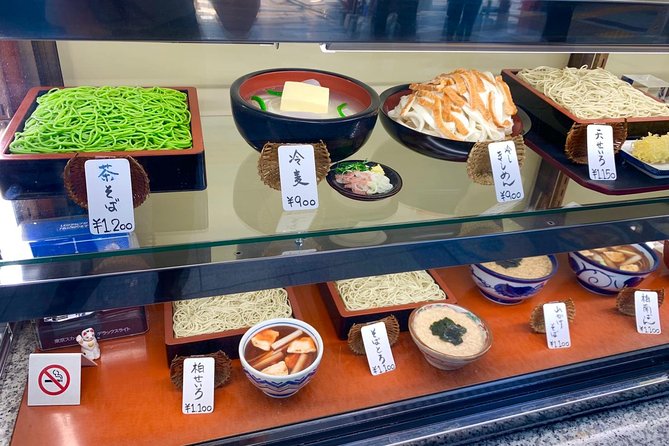
Sampuru is Japan’s fake food craft—plastic or wax foods so detailed they can look like the real thing through restaurant windows. You’ll learn that these displays aren’t made for a joke; they’re made by hand, and some artisans describe the work as taking years to master. The story you’ll hear includes the idea that one realistic wax omelet fooled even the maker’s wife, helping inspire the industry in the 1930s.
Here’s what I think is really cool: the craft sits at the intersection of art, design, and everyday survival. Restaurants want customers to instantly understand what they’re ordering. In a busy city, a perfect display is basically fast communication—like a menu you can see from across the street.
Before you make anything, the guide explains why sampuru matters in daily Japanese life, and how the craft became popular over time (including the mid-century boom described in the background story). Then you’ll get to the main event: putting your hands into wax and learning the steps behind the look.
You can also read our reviews of more tours and experiences in Tokyo.
Start Point and Timing: Getting Into Asakusa Without Stress
The tour meets at APA Hotel Asakusa Tawaramachi Station Mae at 9:45 AM for a 10:00 AM start. It runs about 3 hours, and it ends back at the meeting point, which is convenient if you’re continuing your Tokyo day on foot or by train.
It also runs Tuesdays, Thursdays, and Sundays from 10:00 AM to 12 PM (with some holiday exceptions). If you’re trying to fit Asakusa into a tight itinerary, those set days can help you plan in advance.
Weather-wise, the experience runs in all conditions except when there’s a typhoon or extreme situation. You should dress for comfort—Asakusa can mean sun, wind, or humidity depending on the season.
The Hands-On Workshop: Making Tempura-Style Sampuru You Can Take Home
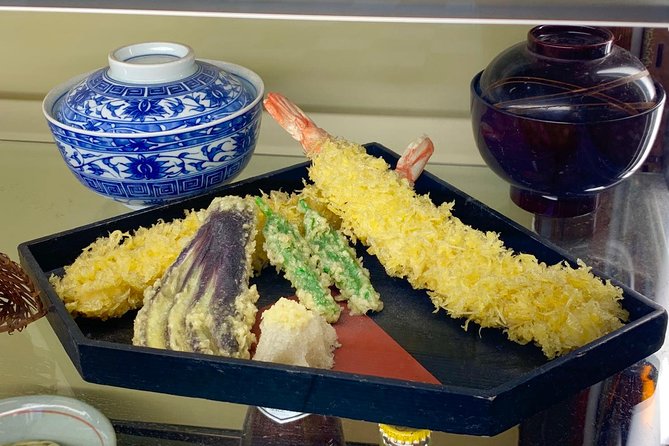
The workshop is built around doing, not just watching. Your guide sets you up with the basics, then you make a sample food model yourself—specifically tempura-style sampuru based on the class focus. Afterward, you take your handiwork home as a souvenir.
What to expect during the class:
- You’ll start by learning different types of sampuru models and what makes them look convincing.
- Then you’ll move to the actual making process, using wax for handwork.
- You’ll get photo opportunities during the experience.
Two small but practical tips make a difference. First, the tour recommends that you avoid nail art or nail polish, because wax may remove some of it from your hands. Second, plan on using a bit of patience—the craft can be delicate, and you’re learning a technique that takes years to truly master.
This is also where the tone of the tour matters. In the experience feedback, guides like Hitomi and Mami were praised for making the process feel surprisingly easy and for being warm and helpful when questions pop up. That’s important because wax work can feel intimidating until someone explains it calmly.
Learning the Real Craft: Why It Looks Like the Food It Mimics
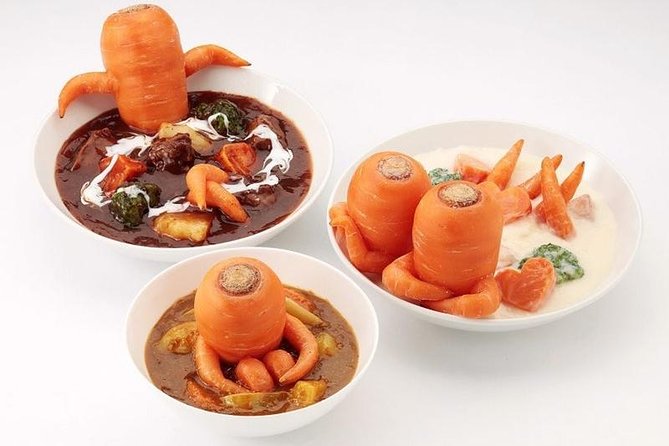
Sampuru looks easy from a distance. Up close, it’s a lot of tiny decisions: shape, shine, texture, and the way highlights catch the “fat” and “crispness” of food. The tour background includes detail on how these pieces can be made from plastic or wax, and that the time investment can stretch from a few hours to longer projects (even up to entire entrees in some cases).
You’ll also hear the origin story behind the industry. One commonly shared account traces inspiration to Takizo Iwasaki from Gujo Hachiman in the 1930s—where a realistic wax omelet was so convincing that it fooled his wife. From there, the craft expanded, with the tour notes mentioning how production grew into a major market presence, including the claim of controlling around 60% of the fake food market.
Do you need every date and percentage for a great experience? No. But the context does something useful: it turns “fake food” into an actual craft you can respect. And when you’re holding your own take-home model, you’ll get why shops pay attention to the difference between a good look and a great one.
Kappabashi Street (Kitchen Town): Tools, Tricks, and Photo-Worthy Shops
After the workshop, the tour shifts into walking mode with a walk on Kappabashi Street, also known as Kitchen Town. This is where sample food culture meets real kitchen culture—shops packed with cooking tools and cookware, plus plenty of visual references to the kind of food displayed outside restaurants.
Even if you don’t plan to buy anything, it’s worth it just for the sensory contrast. You made a tiny edible-looking object a moment ago. Now you’re seeing the tools, the shopfronts, and the general “food obsession” energy of the neighborhood.
Practical note: this is a street walk, not a ride-through. So if you’re traveling with kids or someone who gets tired easily, you’ll appreciate that the group size stays limited and that the overall tour window stays short.
If shopping is your goal, go in with a plan: Kappabashi can tempt you into wandering. The best use of the guided time is to ask questions about what you’re seeing—because the guide’s story about sampuru craft makes the street feel connected, not random.
Sensoji Temple and Nakamise Dori: The Asakusa Icon, Explained
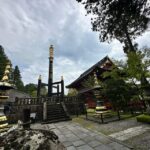
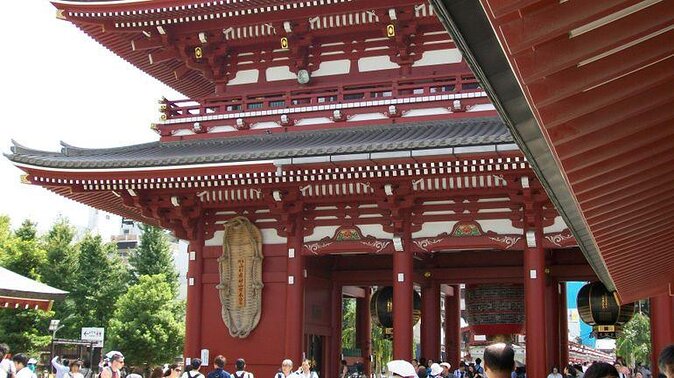
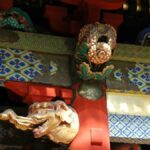
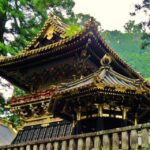
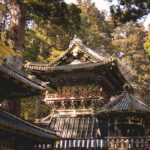
The tour’s history stop is Senso-ji Temple, also known as Asakusa Kannon Temple. You’ll spend about 30 minutes here, and an admission ticket is included. Sensoji is described as Tokyo’s oldest and most popular temple, and the guide gives you a clear sense of why it matters.
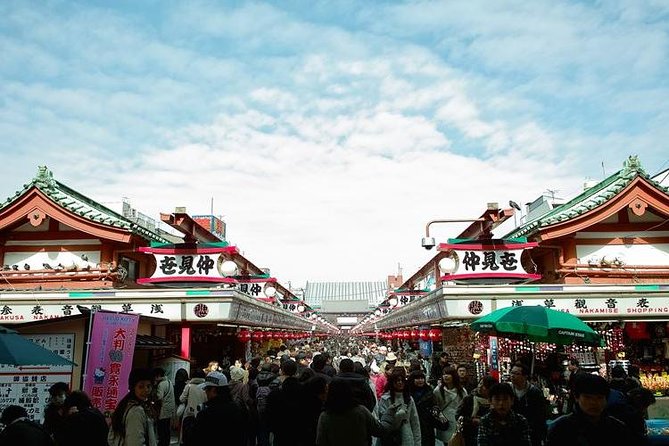
Then comes the shopping street section between the main gate and the main hall—Nakamise Dori. This is the kind of place where you’ll naturally slow down because the displays are everywhere. It also works as a cultural “breather” after the craft workshop: you shift from making food models to seeing how food, gifts, and tradition are sold and presented.
What you’ll likely enjoy most is the pattern recognition: sampuru is about getting people to understand food instantly. Nakamise is about getting people to understand culture instantly. Same idea, different medium.
Price and Value: Is $172.66 Worth It?
At $172.66 per person for about 3 hours, this isn’t a budget activity. But the value is real if you care about hands-on learning and want a tight plan that covers both craft and a major Asakusa highlight.
Here’s what you’re paying for, based on what’s included:
- English-speaking guide (plus translator support)
- The hands-on sample food-making workshop
- Your take-home sampuru made in class
- Walking time through Kappabashi Street
- Sensoji Temple visit with admission included
- Photo opportunities and craft history context
What I like about the pricing structure is that it’s not just a tour of places. You’re learning a specific skill and leaving with something physical. If you compare it to a purely sightseeing tour, the workshop component makes the cost easier to justify—especially for families, since it’s suitable for ages 7 and up.
Who This Tour Is Best For (And Who Might Want Another Option)
This tour fits best if you want:
- A hands-on activity in Tokyo, not just photos
- A short, focused afternoon rather than a full-day commitment
- A blend of food craft + neighborhood culture
It’s also family-friendly at age 7+. There’s a specific rule for kids aged 7 to 14: they must be accompanied by a guardian aged 20 or older at all times. If that’s you, great—you’ll have a smoother experience.
Accessibility is a plus. The tour notes that wheelchairs and strollers are accessible, so you can choose this even if mobility is a concern.
A couple of considerations:
- If you hate any kind of mess or sticky-feeling activities, wax work may not be for you.
- If your main goal is shopping, you may wish you had more time in Kappabashi—this tour keeps things to the essentials.
- Since meals aren’t included, you’ll want to eat before or after.
Tips to Get the Best Photos and the Best Outcome
You’ll get planned photo opportunities, but you can make your photos look better with one simple mindset: shoot in layers. Take quick shots of your final model, then capture the process moments, then do a few wide shots at Sensoji and along Nakamise Dori.
Also, when it comes to your workshop piece, handle it like a souvenir the moment you finish. Wax work can be fragile if you’re rough with it.
Finally, ask the guide questions. In the feedback, guides were specifically praised for being kind, knowledgeable, and helpful—especially for practical guidance like where to go next. If you want to turn the rest of your day into something smooth, let the guide point you in the right direction.
Should You Book This Sampuru and Asakusa History Tour?
I’d book it if you want a memorable Tokyo afternoon that combines skill, craft history, and a classic Asakusa walk. The fact that you make tempura-style sampuru and take it home gives the tour a real payoff beyond sightseeing.
Skip it if you’re only chasing the cheapest option or if you’re not interested in a workshop at all. And because meals aren’t included, make sure your schedule has time to eat—Asakusa deserves it.
If you’re traveling with kids (age 7+), this is one of those experiences that feels both entertaining and genuinely educational—like you’re learning a local craft instead of just passing time.
FAQ
How long is the Private Japanese Sample Food Making and Asakusa History Tour?
It runs for about 3 hours.
What time does the tour start, and where do I meet?
Meeting is at 9:45 AM at APA Hotel Asakusa Tawaramachi Station Mae, with the tour starting at 10:00 AM.
What days is the tour available?
It’s available Tuesdays, Thursdays, and Sundays from 10:00 AM to 12 PM (except some holidays).
Is Sensoji Temple admission included?
Yes. The Sensoji visit includes an admission ticket.
Do I make and take home sampuru?
Yes. You’ll join a hands-on workshop and take home the sample sampuru you make in class.
What language is the guide?
The tour includes an English-speaking guide (and translator support).
Is it suitable for kids, and are there any special rules?
It’s suitable for ages 7 and up. Children ages 7 to 14 must be accompanied by a guardian aged 20 or older at all times.
Is this wheelchair and stroller friendly?
Yes. Wheelchairs and strollers are accessible.
Are meals included?
No. Meals, food, and drinks are not included.