REVIEW · TOKYO
Tokyo: Meiji Shrine Walking Tour — Shintoism & Imperial System
Book on Viator →Operated by Local Guide Stars · Bookable on Viator
Meiji Shrine feels like Tokyo’s reset button. I love how this tour turns a quick landmark visit into a guided walk through the forest approach, and I love that you leave with real context on Shintoism and the Japanese Imperial system rather than just photos.
One thing to consider: it’s a focused walking experience (about 1 hour 30 minutes), so if you don’t like being on your feet or you’re traveling with serious mobility limits, plan accordingly.
In This Review
- Key highlights worth your time
- Forest Quiet at Meiji Jingu: Why This Tour Feels Different
- Getting Oriented Near Harajuku Station (Without Stress)
- Harajuku Gate to the Main Area: Torii, Sake Barrels, and Purification
- The Giant Wooden Torii: The Taiwan Cypress Detail
- Inside the Shrine: Prayer, Omikuji, Ema, and Omamori
- Meiji Shrine Garden Time: What the Included Admission Adds
- CAFÉ Mori no Terrace: A Calm Break Before You Head Out
- What You Learn About Shintoism and the Imperial System
- Price and Value: Why $21.22 Can Actually Be a Good Deal
- Who Should Book This Tour (and Who Might Skip)
- FAQ
- How long is the Meiji Shrine walking tour?
- How much does the tour cost?
- How many people are in a group?
- Where does the tour meet?
- Is the tour ticket delivered digitally?
- What is included in the tour price?
- What can I do at the main shrine area?
- Is there a cafe during the tour?
- Are there two time options?
- Can I cancel for free?
- Should You Book This Meiji Shrine Walking Tour?
Key highlights worth your time
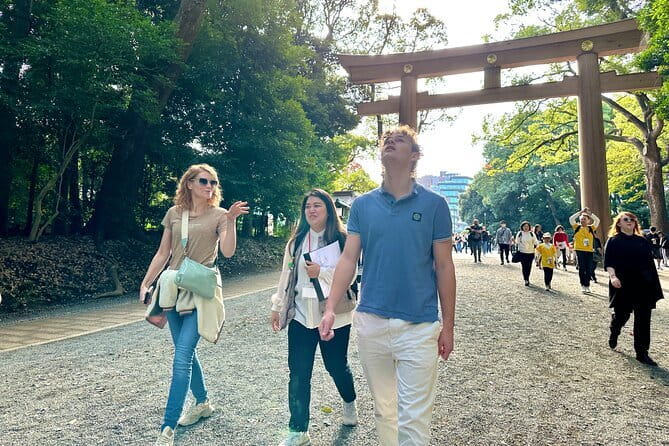
- Small group pace: up to 15 people for questions and breathing room in the shrine area
- Forest approach over hurried sightseeing: giant torii gates, calm paths, and shade when it’s hot
- A big wooden torii with a Taiwan connection: cypress used for the structure is part of the story
- Hands-on shrine customs: prayer, omikuji, ema wishes, and omamori charms (with guidance)
- Garden time with included entry: you’ll be guided through the quieter grounds, not just the gate photo
Forest Quiet at Meiji Jingu: Why This Tour Feels Different
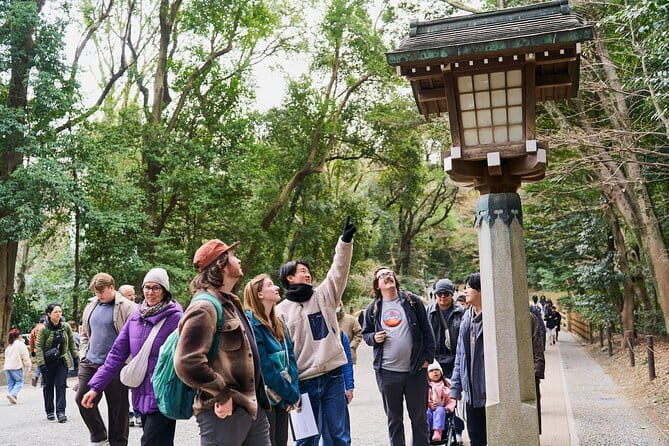
Meiji Shrine has a reputation as a must-see, but the best part isn’t the crowds or the Instagram angle. It’s the moment the city noise drops away as you move under trees and into a space designed for reflection.
What makes this tour work is the structure. Instead of wandering alone and guessing what matters, you follow a local guide who can point out what you’re actually looking at: the meaning behind ritual spaces, why certain objects show up where they do, and how the shrine relates to the wider Imperial era that shaped Japan’s modern story. And because the group is capped at 15, you’re not stuck in a long line where questions die on the vine.
You’ll also benefit from the tour’s pacing. You get multiple short stops—enough time to notice details, but not so long that it turns into a slow shuffle. Reviews repeatedly mention guides like Yuuki A, Nana, Nonoka, Nanami, and Keiko as especially good at clear English and patient explanations, which matters here because the site is rich with traditions that are easy to miss without a guide.
You can also read our reviews of more walking tours in Tokyo
Getting Oriented Near Harajuku Station (Without Stress)
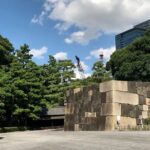
The meeting point is close to transit—Harajuku Station (Shibuya), at 1 Chome-18 Jingumae. That’s a practical win. You can arrive, confirm you’re at the right spot, and start walking without burning time on complicated city navigation.
The tour also offers two tour times, which helps if you’re planning around museum hours, shopping in Harajuku/Omotesando, or just avoiding the worst part of the day. If you’re trying to make the most of one Tokyo trip day, this slotting flexibility makes it easier to fit without wrecking your schedule.
You’ll get a mobile ticket, which is simple for travelers who don’t want to deal with paper vouchers. And the tour ends back near the meeting point, so you’re not suddenly stranded across town.
Harajuku Gate to the Main Area: Torii, Sake Barrels, and Purification
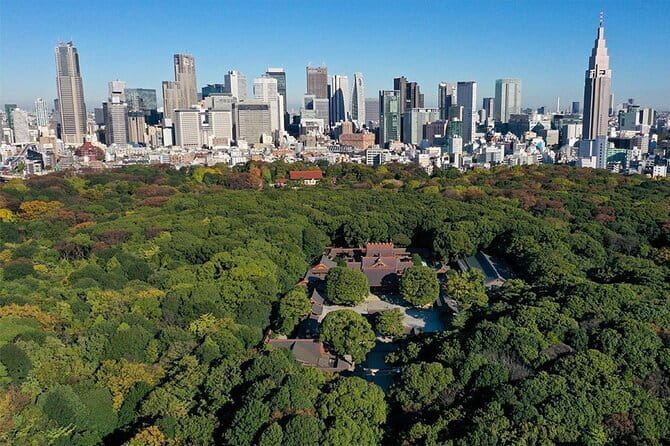
The experience starts where the energy changes. You enter through the Harajuku gate and walk along a wide path through the forest. Even if you’ve seen photos of Meiji Jingu, this approach is a different feeling—you slowly transition from city motion to shrine stillness.
On the way, you pass through large torii gates, including areas that feel ceremonial rather than purely decorative. You’ll also see sake barrel displays and a purification fountain area where worshippers prepare themselves. The guide’s role is huge here: they explain what you’re seeing and when it’s appropriate to observe the ritual steps, so you’re not guessing what to do and what to leave alone.
A practical tip: wear shoes you can walk in comfortably. The terrain is easy, but you’ll be doing sustained walking for an hour and a half. Also, bring something light for sun or rain. The garden and shrine grounds are calm, but weather can still hit hard in Tokyo.
The Giant Wooden Torii: The Taiwan Cypress Detail
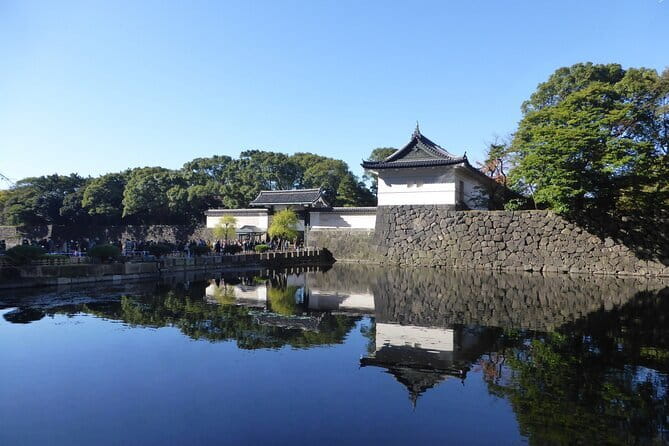
One of the most memorable moments is the stop at a huge wooden torii gate. This isn’t just big because it looks big. The tour explains that it’s made using ancient cypress brought from Taiwan, and that detail gives the gate a bigger meaning than a landmark object.
Why that matters: when you understand the origin story behind a structure, the site becomes less like scenery and more like a living symbol. It helps you notice scale and material rather than just taking a fast photo.
This short stop is also useful for photos without turning into a photo race. You get a moment to pause and appreciate the quiet power of the gate itself before moving deeper into the grounds.
Inside the Shrine: Prayer, Omikuji, Ema, and Omamori

At the main shrine area, you’ll have time for the most personally satisfying part of many visitors’ trips: participating in customs with guidance.
Here’s what you can expect, with your guide helping you understand the flow:
- Offer a prayer at the main shrine
- Draw an omikuji (a type of fortune paper)
- Write a wish on an ema (a wooden plaque)
- Explore omamori (protective charms)
Even if you’re not religious, this is one of the best ways to connect with how Shinto practices work on a human level. You’re not just watching rituals. You’re seeing how people translate hope, health, luck, and gratitude into actions and objects.
One review detail that’s worth taking seriously: visitors praise guides for being patient and answering questions clearly. That’s especially important at Meiji Jingu because visitors often have the same basic uncertainties—how to approach, where to stand, what items mean—and a good guide keeps the experience respectful and stress-free.
And yes, this is also where the pace slows naturally. You’ll likely want a few extra minutes to observe how people move through the area.


Meiji Shrine Garden Time: What the Included Admission Adds

This tour includes admission fees for the Meiji Shrine Garden, which is a big deal for value. Without that included cost, you’d be juggling tickets or deciding whether garden time is worth paying for.
Garden time is where the tour shifts into something quieter and more “experience-based.” Instead of focusing purely on big structures, you get more time in the grounds that feel designed for walking slowly, noticing plantings, and letting your senses catch up after the forest entrance.
A practical note: because the garden is part of what you’re paying for, don’t rush it. If you’re the type who tries to hit every site in Tokyo at top speed, this is the one place where slowing down genuinely improves the trip.
CAFÉ Mori no Terrace: A Calm Break Before You Head Out
After the shrine and garden, the tour includes a stop at CAFÉ Mori no Terrace near the shrine grounds. It’s not a hard sell or a forced meal. It’s a chance to reset—especially useful if you’re combining this with other Tokyo plans later.
You can expect:
- A quiet setting under the trees
- A gift shop with Meiji Jingu–exclusive items
- Light meals and drinks if you want a simple bite before continuing your day
This stop is smart for two reasons. First, it gives you time to shop without squeezing it between trains and transfers. Second, the area around the shrine tends to encourage calm. A coffee or light snack helps you keep that mood instead of instantly returning to city stress.
If you want souvenirs, this is also where you can browse items directly tied to the Meiji Jingu experience—charms and traditional goods that feel more connected than generic vending machine trinkets.
What You Learn About Shintoism and the Imperial System

Meiji Jingu is tied to the Japanese Imperial system, and it’s also a central place for Shinto worship. The tour’s biggest strength is how it connects those dots in a way that’s understandable.
Instead of treating Shintoism as a list of strange customs, your guide explains the meaning behind what you see:
- how worship spaces are organized
- why certain objects show up along the approach
- how visitors practice respect through prayer and offerings
- how the Imperial-era context helps explain why this shrine exists in the first place
That context changes how you see the site. Without it, you might enjoy the scenery but feel like you’re missing the point. With it, the torii gates, the ritual spaces, and the charm culture start to make sense as parts of one system.
And because reviews highlight guides like Yuuki A and Nana for patient, clear explanations, you can ask basic questions without feeling like you’re holding up the group.
Price and Value: Why $21.22 Can Actually Be a Good Deal
At $21.22 per person, this tour is priced like a budget activity. But it’s not just a low-cost walk.
You’re paying for:
- a local guide who explains Shinto and the Imperial system
- admission fees for the Meiji Shrine Garden
- a small-group setup (max 15)
- a mobile ticket for easy handling
Tokyo can be expensive, especially once you start stacking paid attractions. Here, the value is in getting context for a major cultural site. Garden entry is included, so you’re not paying extra just to justify slowing down.
The tour also saves you decision fatigue. If you’ve ever walked into a big cultural site alone and spent half your time wondering what to do next, a structured guided visit is worth real money—sometimes even more than the admission itself.
Who Should Book This Tour (and Who Might Skip)
This tour is a great fit if you:
- want more than photos at a top Tokyo shrine
- enjoy learning rituals and cultural context as you walk
- like small groups and easy pacing
- appreciate guides who explain things clearly (reviews frequently praise English ability and patience)
You might consider skipping if you:
- strongly prefer fully independent sightseeing
- want a longer time on your own after you arrive
- don’t like structured stops and prefer open-ended wandering
Also, keep in mind it’s set for most travelers, but it’s still a walking tour. Wear comfortable shoes and plan to stay flexible.
FAQ
How long is the Meiji Shrine walking tour?
It runs for about 1 hour 30 minutes.
How much does the tour cost?
The price listed is $21.22 per person.
How many people are in a group?
The maximum group size is 15 travelers.
Where does the tour meet?
You meet at Harajuku Station, 1 Chome-18 Jingumae, Shibuya, Tokyo 150-0001, Japan.
Is the tour ticket delivered digitally?
Yes. It’s a mobile ticket.
What is included in the tour price?
The tour includes a local guide, admission fees for the Meiji Shrine Garden, and the activities during the visit.
What can I do at the main shrine area?
You can offer a prayer, draw an omikuji, write your wish on an ema, and explore omamori charms.
Is there a cafe during the tour?
Yes. You’ll visit CAFÉ Mori no Terrace, where you can get light meals and drinks and browse a nearby gift shop.
Are there two time options?
Yes. You can choose from two tour times.
Can I cancel for free?
Free cancellation is available up to 24 hours in advance for a full refund.
Should You Book This Meiji Shrine Walking Tour?
If you want one Tokyo shrine experience that feels organized, calm, and actually educational, I’d book it. Meiji Jingu works best when someone helps you interpret the ritual space and the connections to Japan’s Imperial system, and the small-group size keeps it personal. Add in garden admission included and the chance to pause at CAFÉ Mori no Terrace, and this is a smart use of time rather than just another stop on a checklist.
If you’re only interested in a fast photo run and you’re totally fine figuring everything out on your own, you might be able to DIY. But if you’d rather understand what you’re seeing while you’re there, this guided walk is a strong bet.