REVIEW · ATHENS
3-Day Ancient Greek Archaeological Sites Tour from Athens
Book on GetYourGuide →Operated by Key Tours · Bookable on GetYourGuide
If you love Greek stories, this trip turns them into something you can stand inside. This carbon-neutral tour strings together the big names—Mycenae, Delphi, and Olympia—with real time in the places where the myths were supposed to have happened. You’ll also get smart roadside breaks and viewpoints as you travel across the Peloponnese and up to Delphi.
I like two things a lot. First, the live guides (often with strong archaeology and mythology backgrounds) do more than recite dates. They explain how each site fit into Greek religion and storytelling, and they keep the pace clear so you know where you are headed next. Second, the itinerary hits variety: Epidaurus for theater acoustics, Mycenae for citadel ruins and Agamemnon’s tomb, then Olympia for temples and the Olympic flame altar.
The main consideration is timing and heat. In summer, Olympia and Delphi can take a lot of time in the sun, and the day feels long when you’re moving from shade patch to shade patch—so pack for strong weather and don’t expect everything to feel leisurely.
In This Review
- Key things to know before you go
- A 3-Day Route That Links Myths to Real Stones
- Morning Rides, Real Stops: Corinth Canal to Epidaurus
- Nafplio and Mycenae: Agamemnon’s Tomb and Citadel Walls
- Olympia’s Temples, Stadium, and the Olympic Flame
- Cross the Bay, Then Up to Delphi: Nafpaktos, Rion–Antirion, and Arachova
- Delphi Above the Clouds: Apollo, the Oracle, and the Theater Views
- Price and Logistics: What Your $506 Gets (and What It Doesn’t)
- Food, Comfort, and the Real Pace of the Days
- Who This Tour Fits Best
- Should You Book This Tour for Your Trip?
- FAQ
- How long is the tour?
- Where does the tour start, and how do pickups work?
- Which ancient sites are included?
- What are the main highlights at each site?
- Are meals included?
- Are entrance fees included?
- What about hotel costs and taxes?
- Is the tour wheelchair accessible?
- What language is the tour guide?
- What cancellation and payment options are available?
Key things to know before you go
- Mycenae plus Delphi plus Olympia in one tight route, with context that makes the ruins easier to picture
- Epidaurus theater acoustics: this is the stop people remember, even when the stones look quiet
- Corinth Canal and the Bay crossing: engineering and coast roads help break up the long travel days
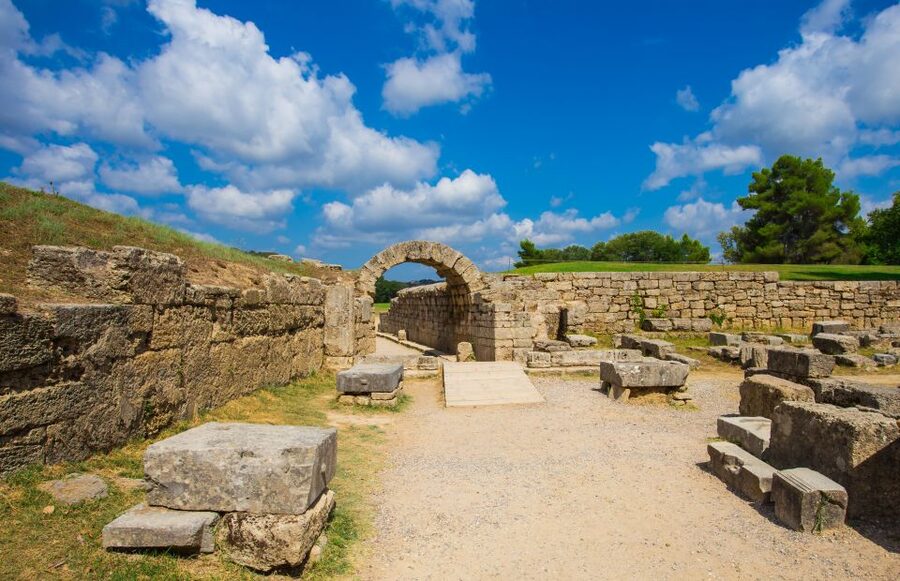
- Olympia’s Olympic flame altar and stadium remains give you a strong sense of ceremonial power
- Arachova village stop adds a real mountain-town break on the way to Delphi
- Hotels with breakfast and dinner included, with hotel tax handled separately at check-in
A 3-Day Route That Links Myths to Real Stones
This tour is built for people who want the headline sites without having to plan every bus step. You start in Athens, then spend your days in the Peloponnese and at Delphi, with a guide on hand throughout. That structure matters. When you’re staring at rock blocks, it’s the guide’s framing that helps you see what you’re looking at.
You’ll also feel the “classical Greece” theme in the way the days connect. Mycenae gives you the world of rulers and warfare. Delphi brings in sacred prophecy and Apollo’s temple. Olympia shifts to ritual, competition, and public ceremony. Even when the ruins are fragmentary, the tour keeps the story going.
And yes, the carbon-neutral framing is part of the pitch, but what you’ll actually notice day to day is simpler: you’re in an air-conditioned bus with transfers handled, entrance fees taken care of, and meals planned. That removes the stress you’d normally fight when self-driving across multiple distant sites.
You can also read our reviews of more tours and experiences in Athens.

Morning Rides, Real Stops: Corinth Canal to Epidaurus
Day 1 begins after pickup from many centrally located Athens hotels (if you request it). If you don’t want pickup, you can meet at the tour supplier’s office about 15 minutes before departure. Either way, the goal is the same: get out of Athens early enough to see the first ancient stop with energy left.
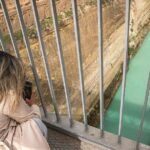
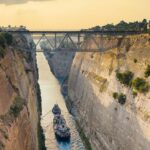
First you’ll drive by the Corinth Canal on the Saronic Gulf. This isn’t an ancient artifact you can touch—it’s a modern engineering feat that cuts through the region like a bold line. It works as a contrast break. You’re moving from ancient history to a modern “how did they do that?” moment, then you head straight into the ancient world again.
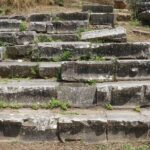
Next comes Epidaurus, where you’ll tour the ancient theater. The big reason this stop stands out is its reputation for outstanding acoustics. Even if you can’t test sound like a professor, the experience still feels different: you understand that this wasn’t just entertainment. It was public culture built to be heard.
Practical tip: you’ll want to take your time walking the theater seating and find angles where you can picture it full. The guide will help, but your own quick visual scan makes it click.
Nafplio and Mycenae: Agamemnon’s Tomb and Citadel Walls
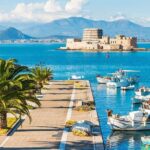
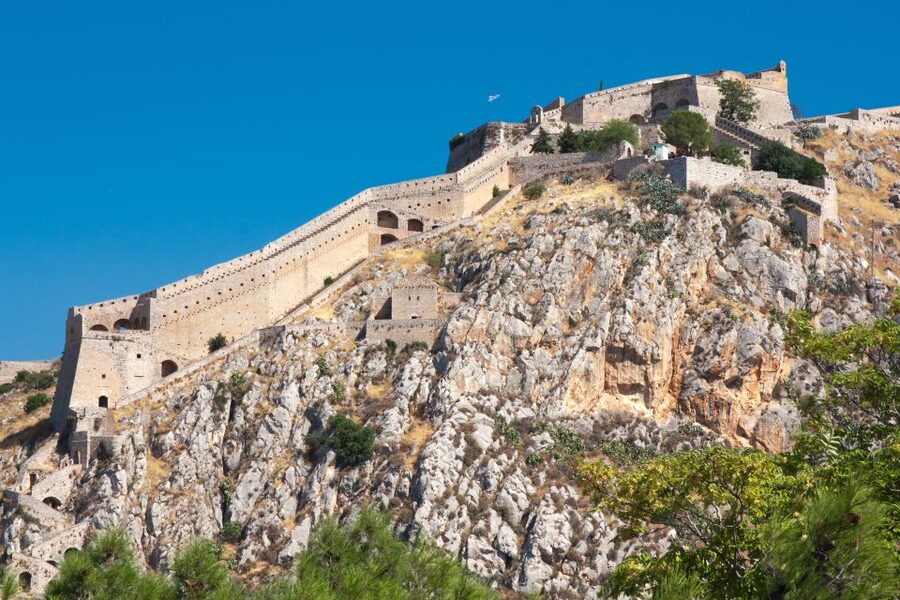
After Epidaurus, you’ll head to Nafplia (often spelled Nafplion). This is a pleasant pause before the heavier lifting of the Mycenaean world. The bus route also crosses the plain of Argos, so the day shifts from coast to inland.
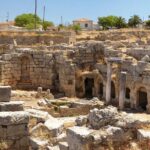
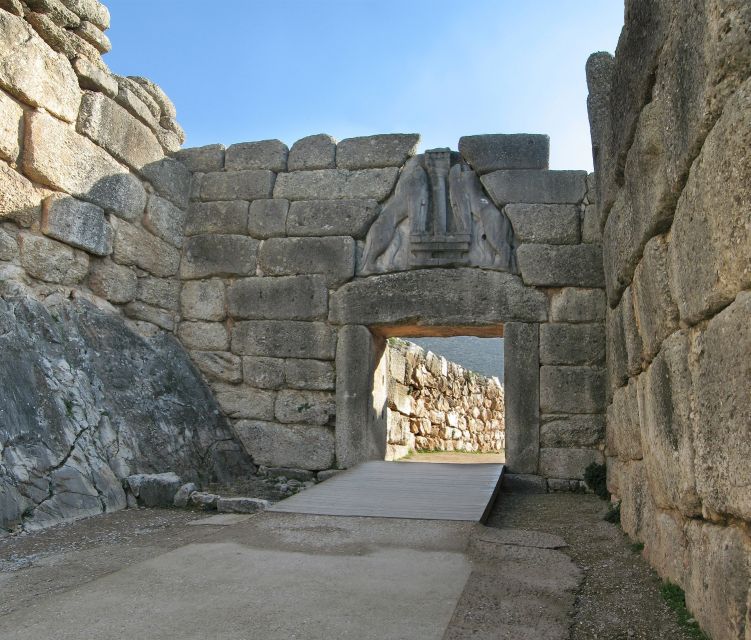
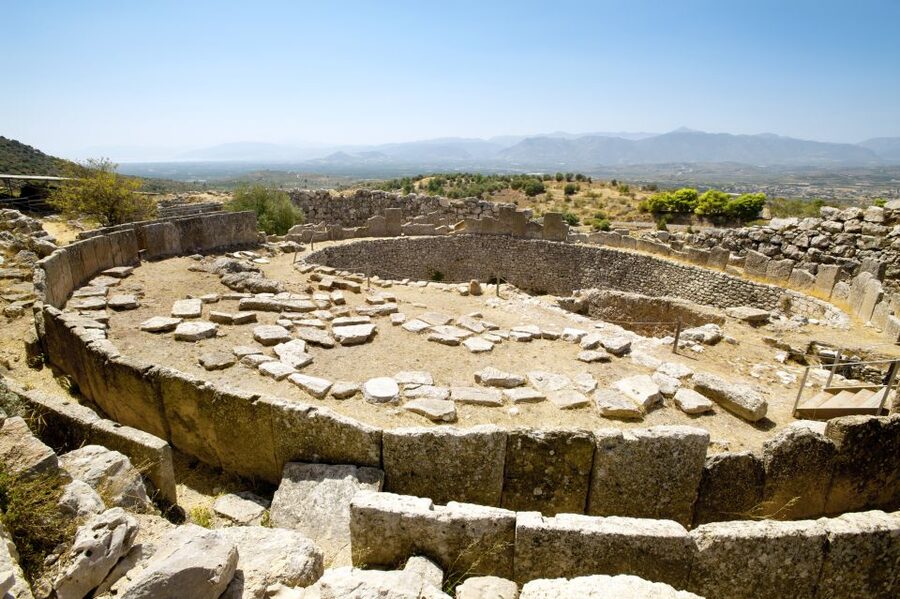
Then it’s Mycenae. This is where the ruins can either disappoint you—if you only expect intact buildings—or surprise you—if you’re willing to imagine how the walls and tombs once shaped power. You’ll visit the ruins of the citadel and the Tomb of Agamemnon. The tomb stop is the emotional anchor for many people. Even if you know you’re looking at remains (not a full time capsule), it still feels like stepping into the setting for epic stories.
What I like here is the sequence: you’re not thrown into Mycenae with zero support. The guide sets context, then you get time on-site to explore and connect the dots yourself. Several people on previous tours praised that approach—short explanation, then breathing room to wander and take photos.
One thing to be ready for: at big-name sites like Mycenae, groups can feel larger and more scheduled. If you like quiet exploration, go with a flexible mindset and plan to take your photos as you go. One traveler’s simple advice—don’t assume you’ll have time to come back—matches how these days work.
Olympia’s Temples, Stadium, and the Olympic Flame
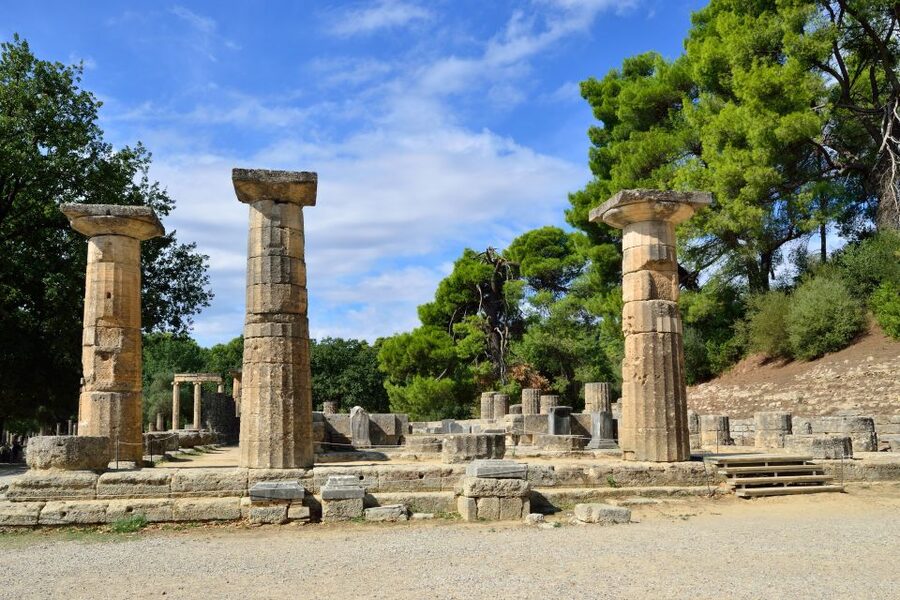
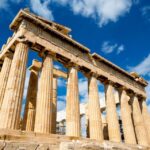
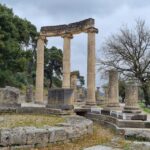
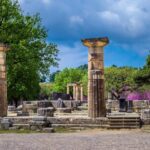
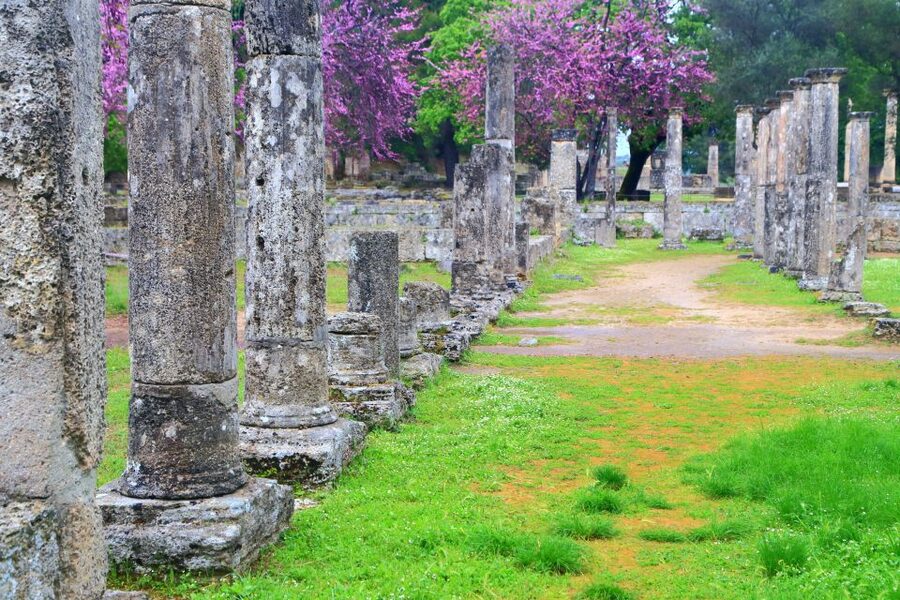
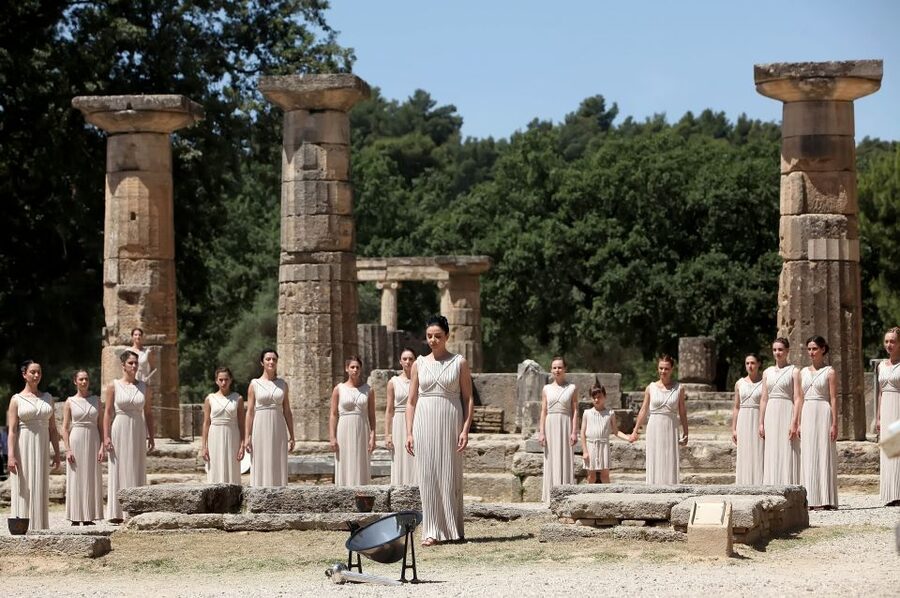
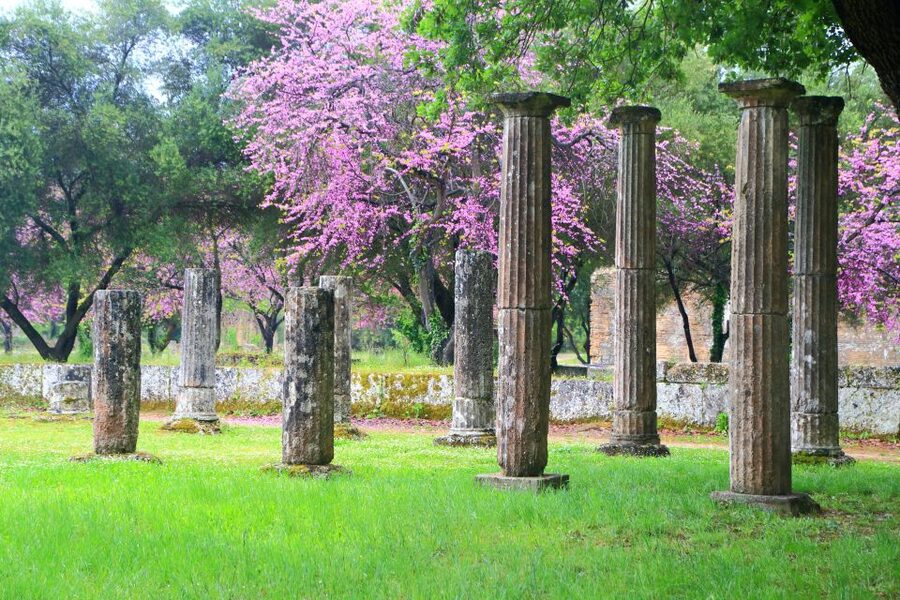
Day 2 starts at Olympia, the sacred ground tied to the Olympic Games in classical times. This is one of those places where “ruins” still feel ceremonial. The sheer scale and the sense of public gathering hits fast, especially once you’re near the Doric columns of the Temples of Zeus and Hera.
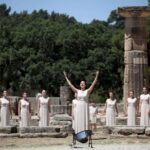
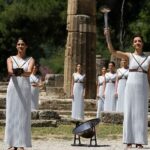
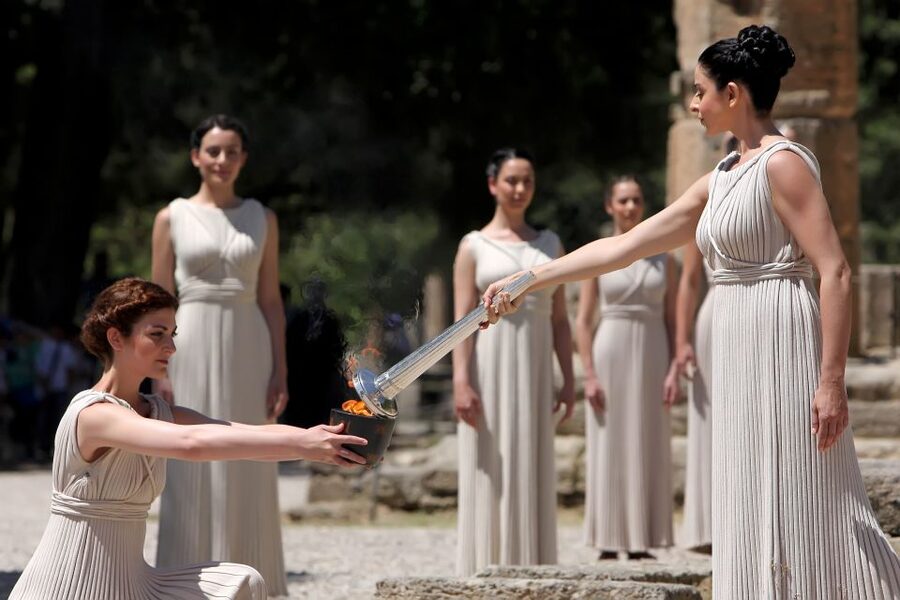
You’ll also see the remains of the stadium and visit the altar of the Olympic flame. That last part is key. It ties the ancient ritual to the modern idea of Olympic symbolism, and it gives you a memorable moment that’s not just stone.
The Olympia Archaeological Museum is located right opposite the ruins. That’s a smart pairing. When you’ve walked among the exterior remains, the museum helps you understand the objects excavated from the site and how people once lived with these spaces.
Heat warning (realistic, not dramatic): one past traveler noted that Olympia and Delphi days ran about 3 hours each in around 35°C conditions. Shade breaks matter, and you’ll be thankful for a plan: big hat, sunglasses, and anything that helps you avoid roasting in direct sun.
Cross the Bay, Then Up to Delphi: Nafpaktos, Rion–Antirion, and Arachova
After Olympia, you’ll travel toward Delphi. Part of the route includes crossing the Corinthian Bay via the Rion–Antirion bridge. This is another modern-feels-important moment that also changes the pace. You’re not stuck staring at a highway the whole time; you get coastal road views that keep things from feeling monotonous.
Along the drive you’ll pass the harbor town of Nafpaktos for a scenic coastal feel. It’s a “blink and you’ll miss it” kind of stop, but it helps break up long stretches.
In the afternoon, you’ll visit Arachova, a picturesque mountain village on the slopes of Parnassus. Even a short stop here can make the day feel more like travel and less like museum hopping. You’re changing elevation and atmosphere, and that matters when you’re heading to Delphi, which sits high above everything.
Your overnight stay is in Delphi, setting you up for an early start on the final day.
Delphi Above the Clouds: Apollo, the Oracle, and the Theater Views
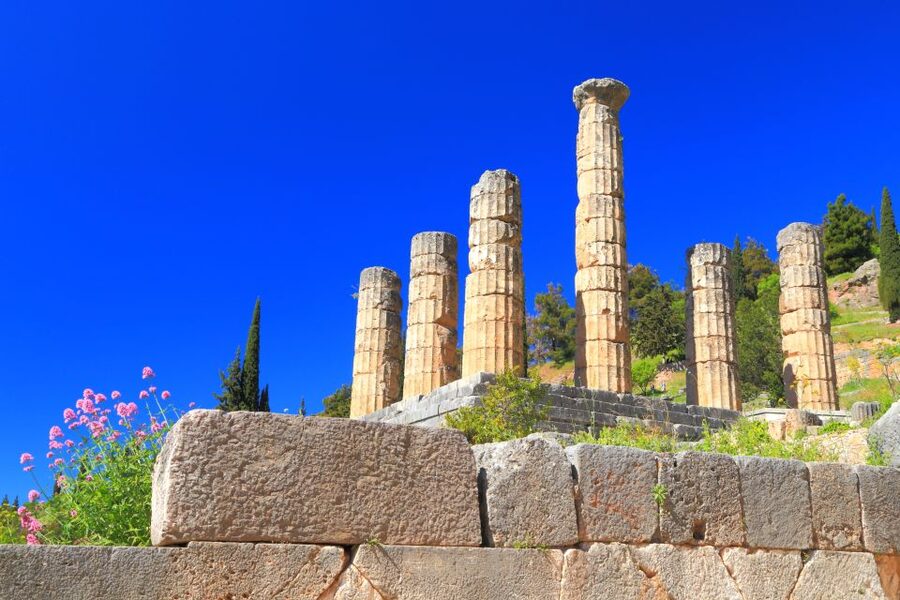
Day 3 is the Delphi day. Delphi always feels special because it sits in a dramatic setting on Mount Parnassus. The tour includes the archaeological site with a guided look at the Temple of Apollo and the famous Oracle of Delphi story.
This is where good myth explanation helps the most. The Oracle wasn’t just a legend; the whole site was designed for sacred drama—people coming in with questions, and a place set up to make answers feel official and intense. Standing there, you start to understand why it mattered.
You’ll also visit the theater at Delphi, where performances could involve up to about 5,000 spectators. The view from the hill is part of the experience too. Even if you’re not a “views” person, Delphi’s position helps you understand why people built their religion here. It’s about sightlines, presence, and the sense that you’re near something larger than everyday life.
Finally, you’ll explore the Archaeological Museum in Delphi, which holds an impressive collection of artifacts connected to the site. Many guides use this stop to tie together what you saw outside—so if you pay attention to how the guide links objects to the ruins, the whole trip will feel more connected at the end.
Price and Logistics: What Your $506 Gets (and What It Doesn’t)
At $506 per person for 3 days, the value comes from what’s included: guide, hotel for two nights, entrance fees, transfers by an air-conditioned bus, plus breakfast and dinner. For most people, that’s the hard part of independent travel—figuring out transport between distant sites, timing museum entry windows, and managing tickets.
You’re also paying for time efficiency. The distances here aren’t small, and trying to self-drive (or piecing together trains and buses) can turn a “3-day highlights trip” into a “3-day planning project.” This tour keeps you moving, with a clear route and scheduled stops.
What’s not included is also important. Lunch isn’t included, and drinks aren’t included either. Hotel tax is payable at the hotel at check-in: €10 per room per night for 4-star and €5 for 3-star. If you’re budgeting, add a rough lunch allowance and be ready for that tax.
Hotels are typically 3-star or 4-star depending on the option you choose. Standards can vary with availability, and one traveler later pointed out that Delphi lodging can be less comfortable than other stops. Still, many people reported solid accommodations and convenient locations, with meals handled through the tour plan.
One more practical detail: the bus experience. Some groups have been in mid-sized passenger vans with AC and charging ports, and others in minibuses. The main thing you’ll feel either way is that you’re not driving—your job is show up on time, follow the guide’s meetup reminders, and enjoy the ride when roads wind through the region.
Food, Comfort, and the Real Pace of the Days
Meals included are breakfast and dinner, and you’ll have help at dinner stops so dietary needs can be accommodated. One past traveler specifically mentioned gluten-free/celiac needs were handled at each location, which is a big deal if you can’t just pick random food from a menu. If you have dietary requirements, tell the operator ahead of time so they can plan.
Pace-wise, this isn’t a slow “linger and smell the olives” itinerary. It’s efficient. You’ll have time on-site, plus breaks to stretch and buy souvenirs. One traveler praised that breaks were punctuated well, while another felt it could be hectic—especially in scorching heat—because there’s only so much daylight in which to see multiple sites.
Also, groups at major locations can be large, which can change how fast you move through crowded areas. If you prefer quiet, consider how you’ll cope: plan to take a few deep breaths, keep a flexible mindset, and focus on your own route through each site rather than comparing pacing with other people.
Finally, transportation days can be curvy and windy. That’s part of Greece. One driver was praised for handling those roads smoothly, and it’s a reminder to keep your posture comfy and expect turns.
Who This Tour Fits Best
This tour is a good match if:
- You want a high-impact classics overview without doing logistics math.
- You like being guided through myth + archaeology, not just staring at ruins.
- You’re okay with a structured route and spending longish chunks of the day outdoors.
It might not be your best fit if:
- You need full wheelchair accessibility (this tour is not suitable for wheelchair users).
- You hate heat and long days. In summer, Olympia and Delphi can be intense, and shade opportunities can feel limited.
- You want maximum unstructured time. This trip gives you exploration, but within a tight schedule.
Should You Book This Tour for Your Trip?
If your goal is to see the big classical sites—Mycenae, Olympia, and Delphi—and you’d rather spend your energy learning than planning, I’d book it. The guide-led context is the secret sauce here: when the myth links to the place, the ruins become more than piles of stone.
If you’re sensitive to heat, plan your packing with the expectation that you’ll be outside a lot. And if hotel standards matter to you, double-check the star option you’re choosing since lodging experience can vary by season and availability.
Overall, this is a practical way to get a “greatest hits” map of ancient Greece in just three days, with meals and entrance fees handled so you can actually enjoy what you came for: the stories, the sacred places, and the feeling of standing where people once gathered for prophecy, drama, and competition.
FAQ
How long is the tour?
It’s a 3-day tour.
Where does the tour start, and how do pickups work?
You can get free pickup from most centrally located hotels in Athens on request (about 1 hour before departure). You can also meet at the tour supplier’s office 15 minutes before departure.
Which ancient sites are included?
The tour includes Mycenae, Delphi, Olympia, and Epidaurus, plus stops such as the Corinth Canal and other brief town stops on the route.
What are the main highlights at each site?
You’ll see the Tomb of Agamemnon and the citadel ruins at Mycenae, Apollo/Oracle and the Delphi theater at Delphi, and Olympia’s temples, stadium remains, and the altar of the Olympic flame at Olympia. Epidaurus includes the ancient theater known for acoustics.
Are meals included?
Yes. Breakfast and dinner are included. Lunch is not included.
Are entrance fees included?
Yes. Entrance fees are included.
What about hotel costs and taxes?
Hotel accommodation tax is paid directly to the hotel: €10 per room per night for 4-star hotels and €5 per room per night for 3-star hotels.
Is the tour wheelchair accessible?
No. It is not suitable for wheelchair users.
What language is the tour guide?
The tour is conducted in English.
What cancellation and payment options are available?
You can cancel up to 24 hours in advance for a full refund, and you can use reserve now, pay later.