REVIEW · LIVERPOOL
Inspirational Women Liverpool Past-Present History Tour – monthly
Book on Viator →Operated by Liverpool Famous Walking Tours · Bookable on Viator
A walk that makes you look up and think. This monthly Inspirational Women Liverpool Past-Present History Tour is a gentle, story-driven stroll through places most visitors miss. I like how it ties big themes—education, medicine, rights, and representation—directly to real streets and buildings you can still see today. Two things I especially like: the photo-friendly pace and the way the stops connect into a clear thread of influence. One heads-up: you’ll cover uneven ground, including cobbles, so comfy non-slip shoes matter.
The tour starts at Liverpool Cathedral and ends at St George’s Hall, keeping things efficient at around 2 hours. You get a small-group feel (up to 26 people) and a live guide who brings names and causes to life, including guides like Pam and Jean who were praised for being engaging and full of facts. The stories don’t feel like a lecture; they’re more like “wait, that building mattered?” moments stitched together. Possible drawback: if you’re expecting long museum time or lots of indoor access, most stops are short street-side or building exterior segments.
What makes this tour feel worth your time is the focus on women who shaped Liverpool but often get written out. It also leans into modern connections, so the history doesn’t stop at the 1800s. You’ll leave with places in your head—and a clearer sense of how women’s work helped steer education, health, and rights.
In This Review
- Key highlights you’ll notice right away
- Why this 2-hour format fits real sightseeing days
- First stop: Liverpool Cathedral Lady Chapel and the stained glass women
- Blackburne House and Rodney Street: women in education and city life
- Blackburne House: Grade II listed and focused on girls
- Rodney Street: the Harley Street of the North
- Everyman Theatre (Hope Hall): political edge and suffragette connections
- Mount Pleasant: where medicine and women’s barriers meet
- Pembroke Place and the red brick university name
- Metropolitan Cathedral of Christ the King and the Nightingale nurses link
- Lime Street to the Walker Art Gallery: songs and public art
- St George’s Hall finish: suffrage history and modern cookery
- Guides, group vibe, and the walking details that matter
- Price and value: why $31.58 can be a smart deal
- Who should book this tour?
- Should you book the Inspirational Women of Liverpool tour?
- FAQ
- How long is the Inspirational Women Liverpool tour?
- How much does the tour cost?
- Where do you start and finish?
- Is admission included for the stops?
- What language is the tour offered in?
- How big is the group?
- What should I wear for the walking route?
- Are service animals and dogs allowed?
- Is the tour dependent on the weather?
Key highlights you’ll notice right away
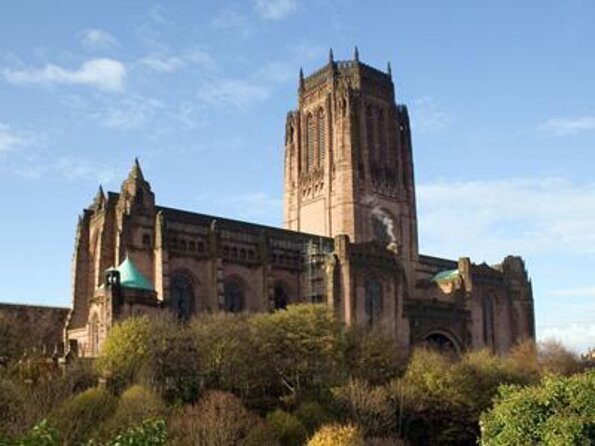
- Lady Chapel stained glass at Liverpool Cathedral sets the tone with women depicted in the windows
- Blackburne House shows how a Grade II listed building supported girls and women
- Rodney Street’s Harley Street of the North angle connects to notable female residents
- Everyman Theatre (Hope Hall) ties arts, politics, and suffragette energy to the same site
- Mount Pleasant medicine stories explain how women challenged barriers around health and education
- St George’s Hall connects suffrage history to a surprising modern-day cookery link
Why this 2-hour format fits real sightseeing days
Liverpool has a lot going on. This tour respects that reality by staying tight at about 2 hours, with short stops that keep momentum. You’re not stuck in one place too long, and you get enough time at each stop to take photos or record a quick video without feeling rushed.
I also like that the pacing is described as relaxed and easy walking. It’s built for a broad range of people (the operator says most travelers can participate), and the route is designed around accessible, walkable central areas. That matters if you’re combining this with a ferry across the Mersey, a museum day, or just a classic Liverpool pub crawl later.
The “past-present” theme also helps. You’re not just learning names. You’re learning why those names still matter in how the city developed—through education, healthcare, public life, and even cultural landmarks.
You can also read our reviews of more historical tours in Liverpool



First stop: Liverpool Cathedral Lady Chapel and the stained glass women
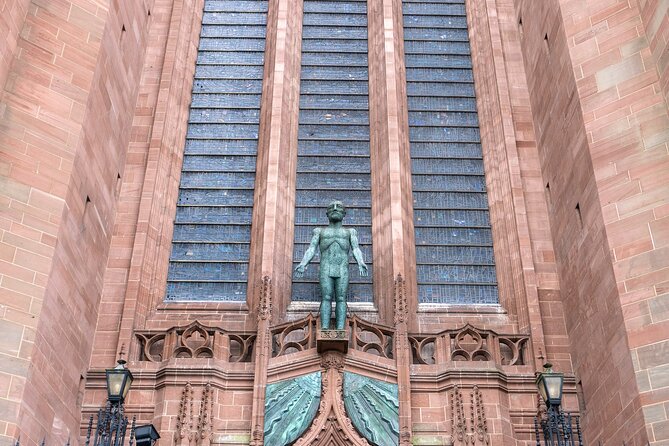
The tour begins at Liverpool Cathedral, specifically the Lady Chapel, which is a strong choice for this concept. The key is the stained-glass windows. They don’t just look beautiful; they set up what the tour is trying to do—put women into the story where they’ve often been missing.
Admission to the Cathedral is included via donation, which is a nice practical touch. It means you’re not guessing about what costs extra right at the start. Once inside, you’ll visit the Lady Chapel and see how women are depicted through the windows—an immediate visual cue for the tour’s themes.
From the guide stories, there’s also mention of Julian of Norwich being represented in the windows. Even if you’re not a stained-glass nerd, this kind of detail gives the stop real texture. It’s the sort of moment that makes the rest of the walk click, because you start seeing the women as part of Liverpool’s ongoing identity rather than just distant historical figures.
One thing to plan for: Cathedral visits can involve stairs or uneven floors depending on where you’re guided. The tour notes that you’ll be outside on uneven surfaces later too, so think “comfortable shoes from the start.”
Blackburne House and Rodney Street: women in education and city life
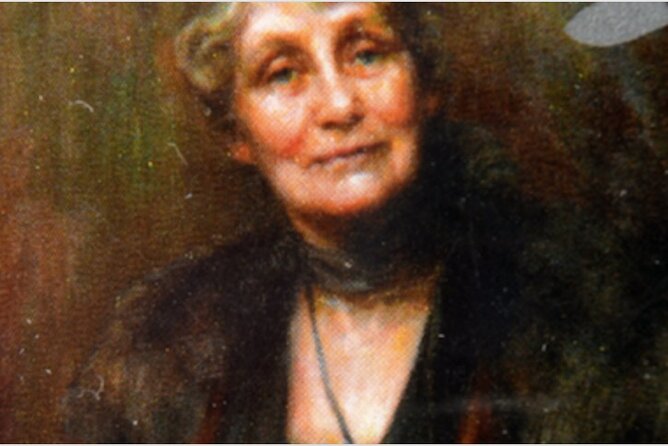
After the Cathedral, the tour shifts from a single landmark into more street-level history.
Blackburne House: Grade II listed and focused on girls
At Blackburne House, the theme is education—especially the role this Grade II listed building played in the education of girls and women. The stop is short, so the goal here isn’t a long museum-style experience. It’s more about connecting a well-known location to a specific “how women gained opportunities” story.
This is a good stop if you like your history practical. Education isn’t just abstract. It’s a route to work, independence, and influence—exactly the type of “past-present” link the tour is aiming for.
Rodney Street: the Harley Street of the North
Then comes Rodney Street, which the tour describes as the Harley Street of the North. That comparison signals medicine and professional life, and the guide ties it to famous female residents. Even though the stop is brief, it gives you a quick city-context lesson: Liverpool’s status wasn’t only about commerce or ports. It was also about professional expertise.
This is one of those parts where your eyes will widen as you realize the architecture and streetscape you’re walking through once connected to real careers and social standing.

Everyman Theatre (Hope Hall): political edge and suffragette connections
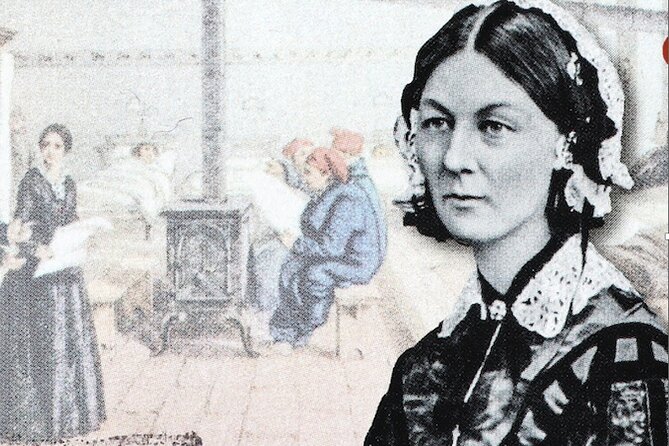
At Everyman Theatre, you’re stepping into a place with a cultural identity and a political undertone. The tour notes that the site has a history as Hope Hall, and that the stop connects to ground-breaking movements including the suffragettes.
This is where I think the tour gets its “story momentum” best. You’re not just learning about women’s rights in general. You’re learning how movements played out in real venues—spaces that hosted debate, arts, and public energy.
The time here is only about 10 minutes, so expect a focused overview rather than a long deep architectural tour. But that quick hit can be a great springboard. If you later want to read more, you’ll know what to search for because the guide points you toward the key thread: suffrage activity and the kinds of places that supported it.
Mount Pleasant: where medicine and women’s barriers meet
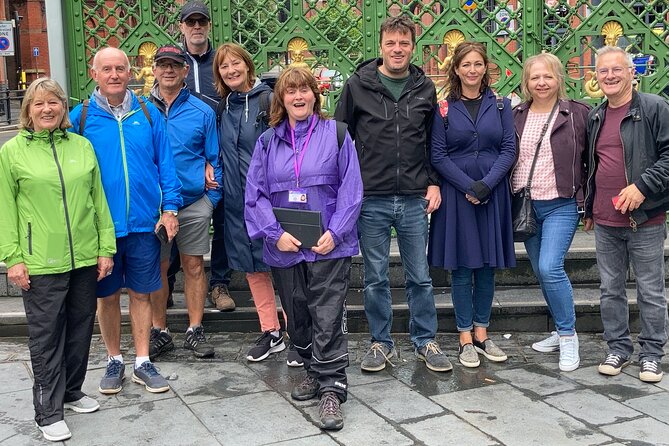
Next is Mount Pleasant, and the tour leans into its long association with medicine. This stop is designed around women from Liverpool and the challenges they faced when trying to influence medicine, education, and health services around the turn of the last century.
I like this angle because it expands the word “history.” Women weren’t only campaigning for political rights. They were also pushing for change in health and learning systems that affected everyone—men and women alike.
Since the stop is short, your takeaway will likely be a handful of names and a clear explanation of obstacles. That’s exactly the kind of information that sticks. You might not memorize every date, but you’ll remember the theme: women in medicine faced structural barriers, and some still managed to change outcomes through effort, pressure, and reform.
Pembroke Place and the red brick university name
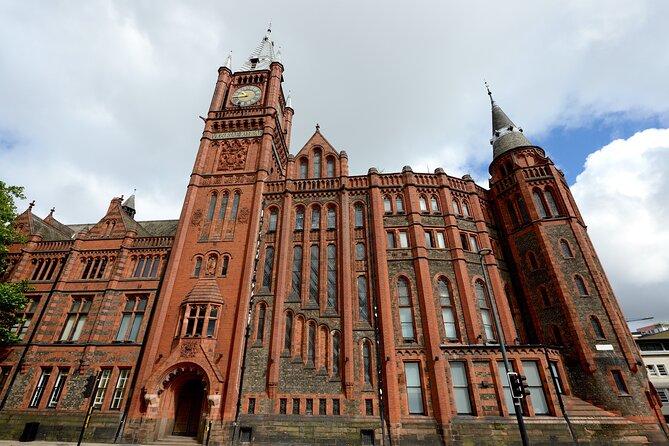
At Pembroke Place, the tour makes a neat pivot to education again, but in a different direction. The stop references the connection to Red Brick universities—so the theme is institutions and the people associated with them.
You’ll also hear about pioneering women and mention a philanthropist who campaigned for women’s rights and family social matters in the early 1900s. Even with a brief stop, this kind of detail helps the tour avoid becoming a list of famous names. It keeps the story grounded in what women did: funding, advocacy, and practical reform.
If your Liverpool day includes a museum or campus wandering, this stop gives you a reason to look at the buildings differently. Instead of thinking “historic architecture,” you’ll think “who benefited, and who had to fight for access?”
Metropolitan Cathedral of Christ the King and the Nightingale nurses link
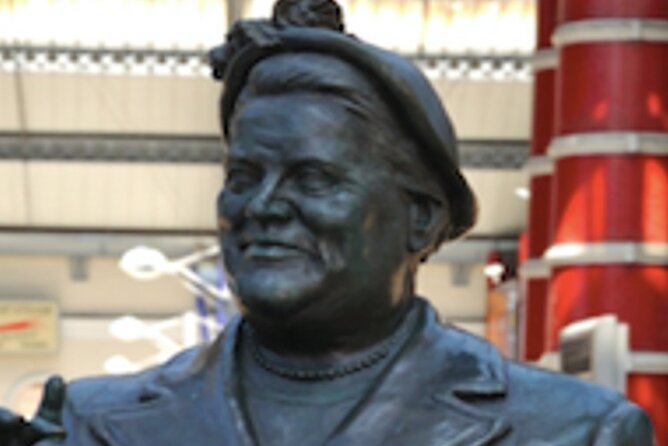
The tour continues with the Metropolitan Cathedral of Christ the King Liverpool, which brings in both Catholic history and the famous nursing reform tradition connected to the Nightingale nurses.
This stop is framed around not just a tragic story, but also the incredible work of a leading reformer of legislation supporting women and families in the 1800s. That combination matters. It prevents the story from being only grief or only heroism. It shows how social conditions and law connected—how compassion could lead to policy.
It’s a good moment to pause, look at the building, and then realize the tour isn’t only about “where women lived.” It’s about how women shaped systems that protected people—especially families.
Lime Street to the Walker Art Gallery: songs and public art
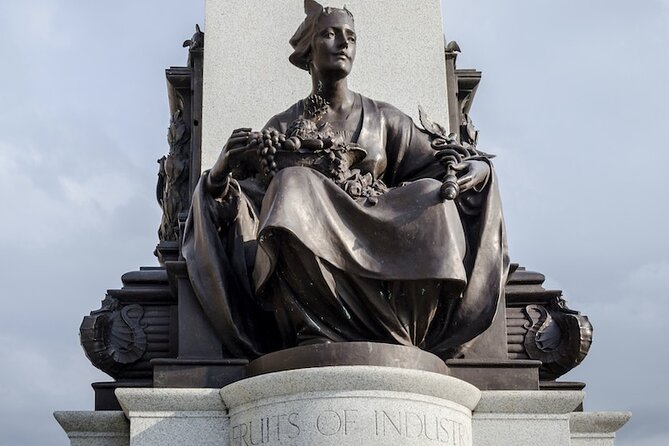
At Lime Street, the tour points to an infamous 19th-century reputation and connects it to one lady who appears in several Liverpool songs. The key here is pop culture as historical evidence. Songs preserve names and reputations, even when official records are incomplete.
This is also a nice reminder for you as a traveler: Liverpool’s identity isn’t sealed in archives. It’s in lyrics, slang, and street memory. You’ll walk away with a “that’s why it’s in the songs” feeling.
Then the tour shifts to William Brown Street and ends up at the Walker Art Gallery, where the tour explains how women helped make it publicly owned and discusses its connection to being the national gallery of the North. Again, it’s short, but the point is big: women weren’t only on the political stage. They were shaping public culture and access to art.
If you’re an art lover, this stop is an easy add-on. You’ll likely want more time at the Walker afterward—use your tour as a map for what to prioritize.
St George’s Hall finish: suffrage history and modern cookery
The tour ends in the shadow of St George’s Hall, a Grade I listed landmark. Here, the focus becomes suffragist movement history and an intriguing link to modern-day cookery.
That’s a clever finishing move. It gives you variety after a day of serious topics. More importantly, it signals that Liverpool’s public spaces keep getting reused—ideas, stories, and even themed modern culture.
Finish on a landmark like this and you get two benefits:
- You’re done walking right as you reach a major central point.
- You’ll have an obvious “start point” to plan the rest of your day.
Guides, group vibe, and the walking details that matter
The experience is led by friendly guides from Liverpool Famous Walking Tours, and the reviews highlight how much their personality matters. Guides like Pam and Jean are praised for being passionate, engaging, and genuinely able to connect the stories to real people.
In particular, Pam is repeatedly described as bringing history back to life, with a strong memory for names and details. If you care about context, that’s a real win. One review also mentions that Pam included smaller adjustments for older members of a party and helped a mum using a wheelchair navigate the group through steep slopes and busy areas. That suggests the guide is paying attention to the group pace and comfort, not just the schedule.
That said, the tour’s own practical notes are straightforward:
- Bring water (and use a reusable bottle if you can).
- Wear comfortable non-slip shoes because there are cobbles and uneven surfaces.
- The tour is easy walking, but you’re still on streets—so treat it like a city stroll, not a smooth indoor route.
- Service animals are allowed, and well-behaved dogs are welcome, with the common-sense reminder that it’s a group in busy areas.
- Children under 16 must be accompanied by an adult.
- Sunscreen is recommended even in winter, which is classic Liverpool sunshine logic.
Also, maximum group size is 26, which is big enough that you won’t feel singled out, but small enough that you can still hear what the guide is saying most of the time.
Price and value: why $31.58 can be a smart deal
At $31.58 per person for about 2 hours, the value depends on what you like.
If you enjoy walking tours, this checks several boxes:
- You’re paying for guided interpretation, not just to be led from A to B.
- Most stops are free admissions at buildings and streets, which keeps the cost from creeping up.
- Liverpool Cathedral admission by donation is included in the ticket price.
That last point is important. Cathedral visits can feel expensive when they’re separate from the tour. Here, it’s built into the experience.
Time value also helps. Two hours is long enough to feel like you did something meaningful, but short enough that you can still fit in other Liverpool classics the same day.
If you’re traveling with someone who thinks walking tours are boring, this one might convert them. The theme—women who shaped the city—keeps the energy moving, and the guide’s role is to connect the dots so you get meaning, not just directions.
Who should book this tour?
Book it if you want:
- A walking tour with purpose, focused on women in Liverpool’s past and present
- A route beyond the biggest tourist hits
- An easy, organized way to learn the city’s social and political threads
- A guide-led experience that highlights names like Josephine Butler and Kitty Wilkinson (they come up in the guide’s favorite focus points)
You’ll also like it if you’re the type who enjoys mixing culture and activism—cathedrals, theatres, universities, art galleries, and civic landmarks all in one line.
I’d also suggest it for couples and solo travelers. Solo travelers get a structured way to make friends with the group. Couples get a shared story arc.
If you’re looking for heavy museum time, this isn’t that format. Think “street history with major landmarks,” not “all-day ticketed museum deep study.”
Should you book the Inspirational Women of Liverpool tour?
Yes, if you want a 2-hour plan that makes Liverpool feel deeper, fairer, and more personal. The structure is smart: it starts with the visual power of stained glass women at the Cathedral, then moves through education, professional life, political activism, medicine, and public culture—ending at a grand civic landmark.
The big reasons I’d book it:
- You get a clear theme and a route that feels like it’s outside the usual tourist path.
- The guides (like Pam and Jean) are repeatedly described as engaging and able to bring specific women into focus.
- The shoe-and-cobbles reality is manageable if you plan for it.
If you’re in Liverpool for a short stay, this is an efficient way to understand the city’s human side. And if your travel style is “walk, look, learn,” you’ll probably enjoy the moment when you realize these streets used to be loud with women’s work—and you can still trace it today.
FAQ
How long is the Inspirational Women Liverpool tour?
It runs for about 2 hours.
How much does the tour cost?
The price is $31.58 per person.
Where do you start and finish?
You start at Liverpool Cathedral, St James’ Mount, Liverpool L1 7AZ, UK, and end at St George’s Hall, St George’s Pl, Liverpool L1 1JJ, UK.
Is admission included for the stops?
Admission by donation at the Liverpool Cathedral is included in the ticket price. Other listed stops are free.
What language is the tour offered in?
The tour is offered in English.
How big is the group?
The tour has a maximum of 26 travelers.
What should I wear for the walking route?
Wear comfortable non-slip shoes, because the route includes uneven surfaces such as cobbles.
Are service animals and dogs allowed?
Service animals are allowed. Well-behaved dogs are welcome, keeping in mind the group and busy areas.
Is the tour dependent on the weather?
Yes. The experience requires good weather. If it’s canceled due to poor weather, you’ll be offered a different date or a full refund.