REVIEW · NEW DELHI
Old Delhi: Spices, Heritage and Bazaars Walking Tour
Book on GetYourGuide →Operated by Discover Activitis · Bookable on GetYourGuide
Old Delhi smells like a history lesson. I love how the route mixes landmark Jama Masjid views with everyday market life, and I especially love the spice market stop where you see how spices are displayed and sold. One thing to plan for: this is a walking tour through stairs and tight lanes, and large bags aren’t allowed.
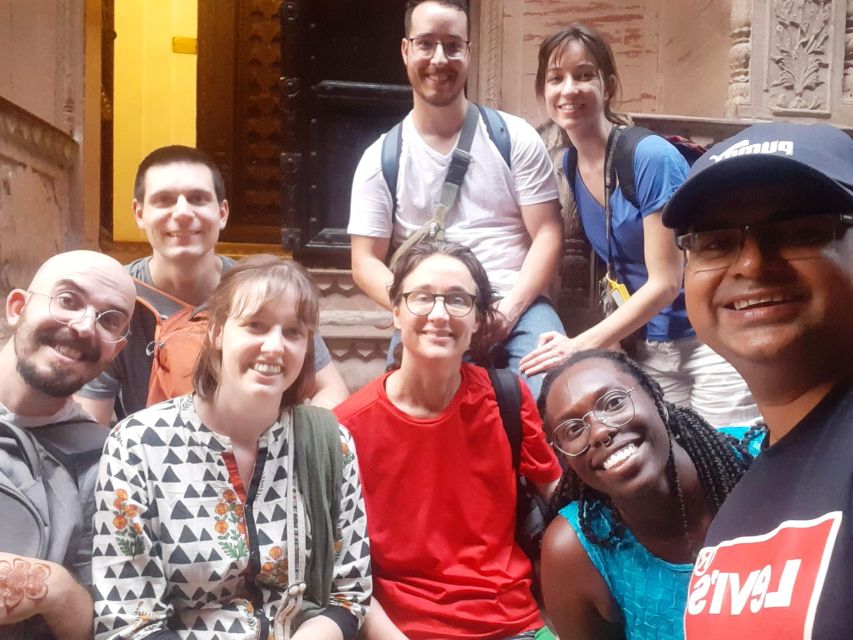
This is the kind of tour you do when you want the real texture of Delhi, not just photos. With a small group (limited to 7) and English-speaking guide support like Jai Singh’s calm, patient style, you’ll get time to ask questions and get your bearings. Still, it’s not for everyone: it’s not suitable for mobility impairments or pregnancy, and the pacing can feel intense if you’re expecting everything to be flat and slow.
In This Review
- Key highlights that make this Old Delhi walk worth it
- Meeting at Jama Masjid Metro Exit Gate 1: smooth start, less stress
- Meena Bazaar and the Mughal backstory you can feel
- Jama Masjid: optional entry, big views, clear choice
- Chandni Chowk and the haveli lanes: where architecture meets commerce
- Khari Baoli spice trails: the warehouse stop that makes the tour smell real
- Goldsmith artisan neighbourhoods: craft traditions behind the storefronts
- Pace, group size, and what you can realistically cover
- Money talk: the tour cost, the mosque fee, and the value
- Practical tips so your Old Delhi day stays enjoyable
- Who this tour is best for
- Should you book the Old Delhi spices, heritage, and bazaar tour?
- FAQ
- Where do I meet the guide?
- Is the Jama Masjid visit included?
- How long is the tour?
- What’s included in the price?
- Are meals or drinks included?
- Are large bags allowed?
Key highlights that make this Old Delhi walk worth it
- Jama Masjid, 400 years old, with optional entry (and an outside photo stop if you skip the interior)
- Khari Baoli spice market, where the scents hit first and the stories connect right after
- Meena Bazaar origins, once tied to Mughal-era gem trade and now a practical market for everyday needs
- Chandni Chowk lanes and havelis, traditional architecture mixed with active shopping streets
- Goldsmith artisan neighbourhood atmosphere, with craft traditions tied to the Mughal era
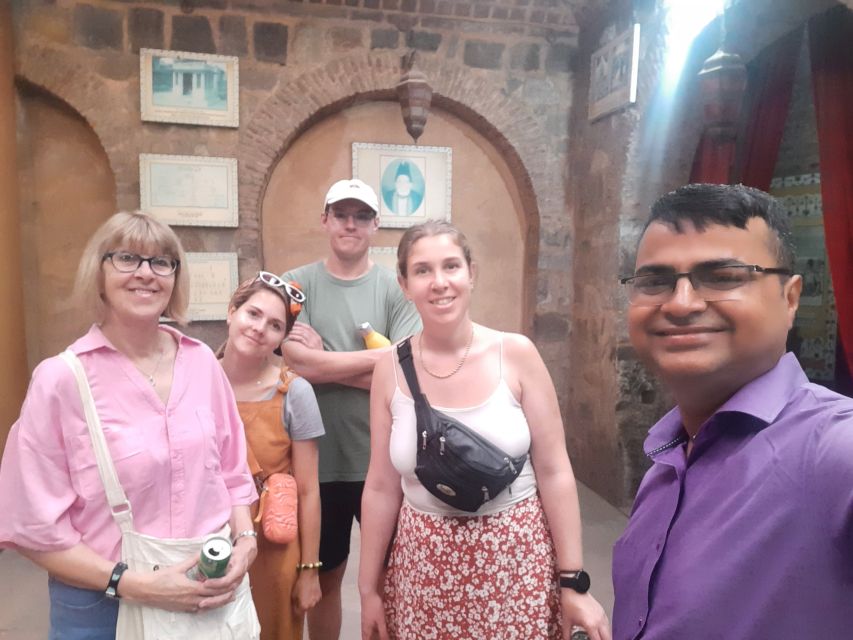
- Small-group pace with English guidance, plus coordination via WhatsApp so you don’t get lost at the metro
Meeting at Jama Masjid Metro Exit Gate 1: smooth start, less stress
The tour starts at the Jama Masjid Metro Station, at Exit Gate No 1. That matters because Old Delhi can feel like a maze even for people who navigate well—so having one clear meeting point helps you relax and start enjoying the walk instead of hunting.
If you’re coming by Uber, you’ll use a Google pin to find the right spot near that exit. The operator also emphasizes WhatsApp/cell coordination, which is a smart move in this area where you can easily end up a few meters off target.
You’ll meet your guide, get a short briefing, then begin walking right away. The tour is designed for a 3-hour window, and with a small group you’re less likely to get stuck behind a crowd or lose time while your guide herds everyone through traffic and junctions.
You can also read our reviews of more walking tours in New Delhi



Meena Bazaar and the Mughal backstory you can feel
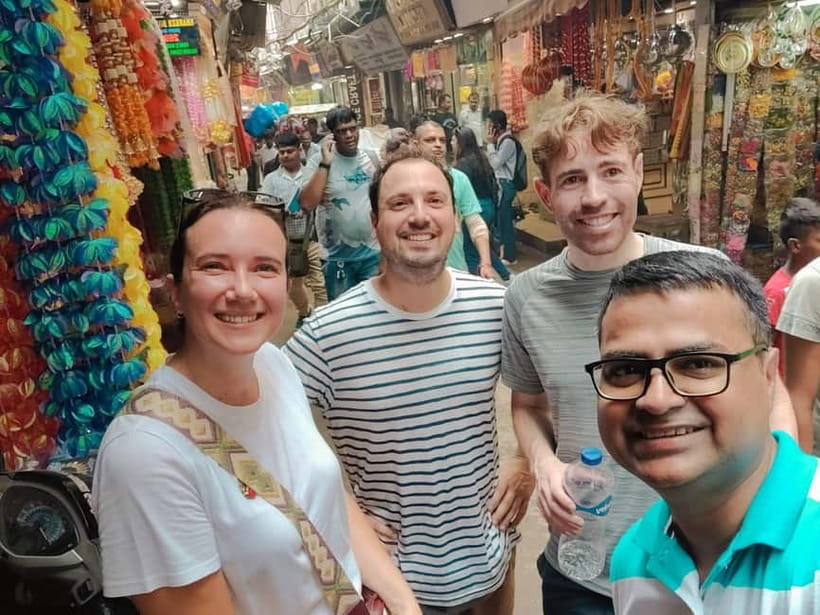
The walk begins in and around Meena Bazaar. On the surface, it’s a working market where you’ll see vendors selling goods for everyday shoppers. The interesting part is the time layer your guide puts on it: it was once an opulent gem market in the Mughal era, and now it’s much more grounded and affordable.
That contrast is the whole point of Old Delhi. You’re not just seeing monuments; you’re seeing how old commercial life keeps going, just in a different form. You’ll be walking through lanes that make sense only at walking speed—narrow turns, quick visual changes, and storefronts that don’t behave like modern malls.
This stop is also a good way to set expectations. Old Delhi commerce is loud, close, and constant. If you want shopping that feels curated and controlled, you’ll probably find it frustrating. If you want real daily city energy, this is exactly where it starts.
Jama Masjid: optional entry, big views, clear choice
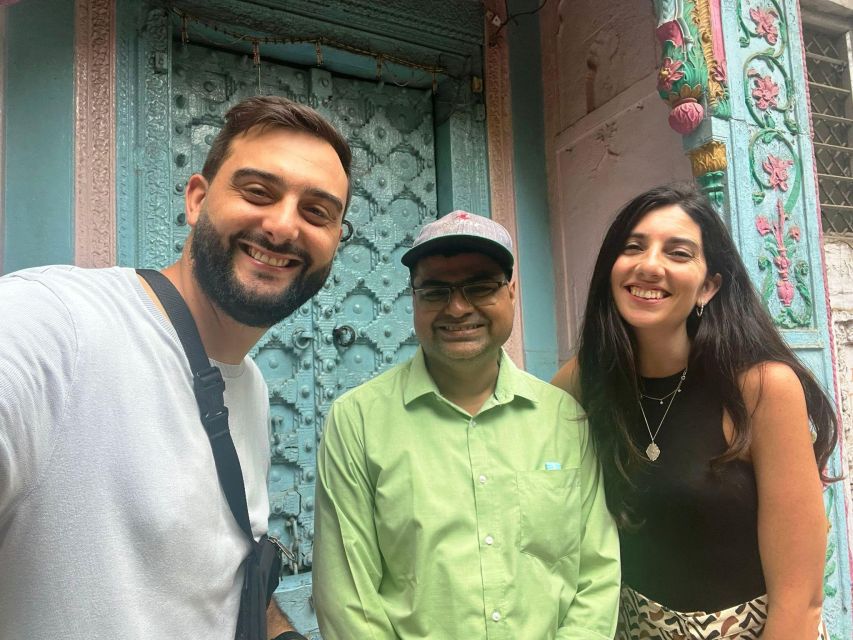
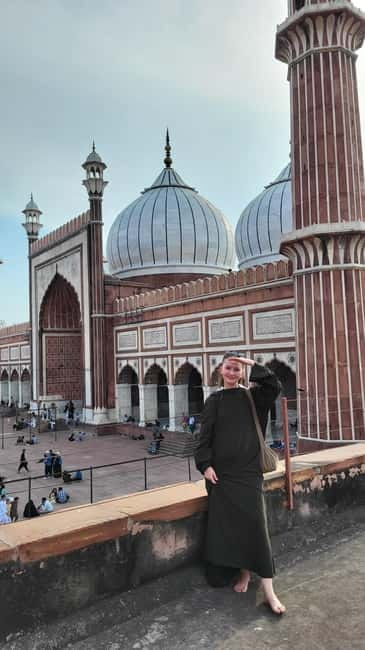
Soon you reach the imposing stone steps leading up to Jama Masjid, described as the biggest mosque of India and tied to the same emperor who built the Taj Mahal, Shah Jahan. The key practical detail here: the mosque visit is optional, not compulsory.
- If you enter: there’s an entrance fee of INR 450 per person.
- If you skip the interior: you’ll still get a photo stop from outside.
This “choose your level” approach is what makes the tour work for more people. You get the landmark moment either way. If you’re short on time, tired, or simply prefer to keep moving, outside views can still deliver the impact without turning the tour into a long sit-down.
Also, the tour is built around walking through the Old City after the mosque area. So even if you skip entry, you’re still set up for the next phase: lanes, architecture, and market quarters that feel like they’ve kept their identity for generations.
Chandni Chowk and the haveli lanes: where architecture meets commerce
After the mosque area, the route pushes deeper into Old Delhi. You’ll spend time around Chandni Chowk, with a guided stop of about 45 minutes. This stretch is where the city feels most like a living marketplace—busy streets, quick turns, and storefronts that blend into the surrounding housing.
Your guide also points out havelis, traditional heritage homes. That’s one of the best values of a good guide here: a haveli isn’t just a pretty façade. It’s a clue to how families, trade, and status used to work in the Mughal-era urban fabric.
You should expect plenty of stops for explanations and small photo moments. Some parts of the walk are about getting oriented—learning what you’re seeing and why it exists—while other parts are purely sensory: colors, fabrics, signage, and the constant movement of people buying and selling.
A practical note: these lanes aren’t designed for leisurely strolling like a boulevard. You’ll move with purpose. Comfortable shoes help a lot, and you’ll want to keep your phone ready for quick “this is the view” snapshots.
Khari Baoli spice trails: the warehouse stop that makes the tour smell real
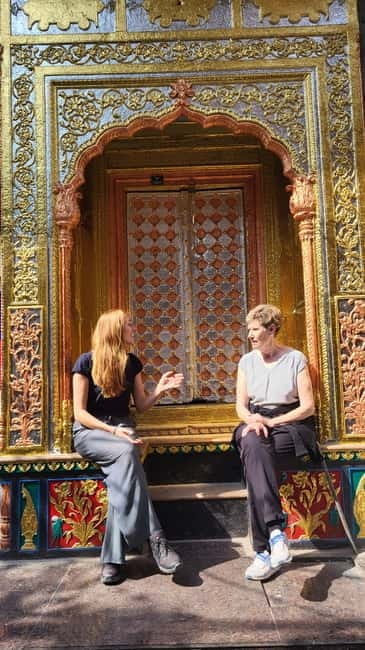
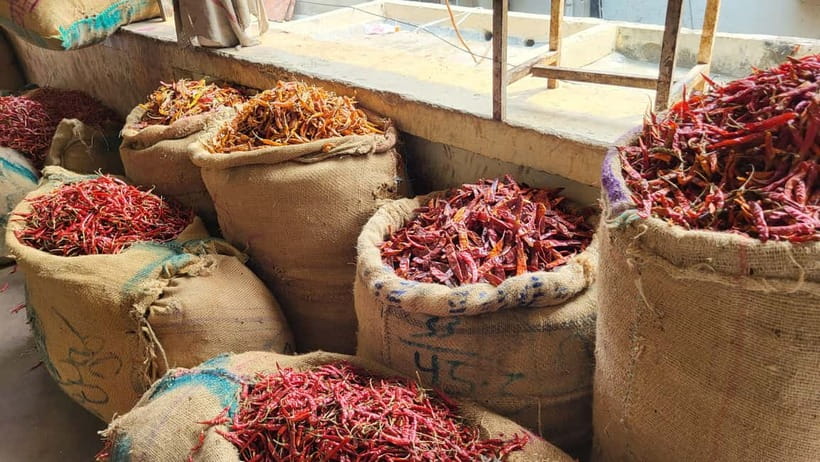
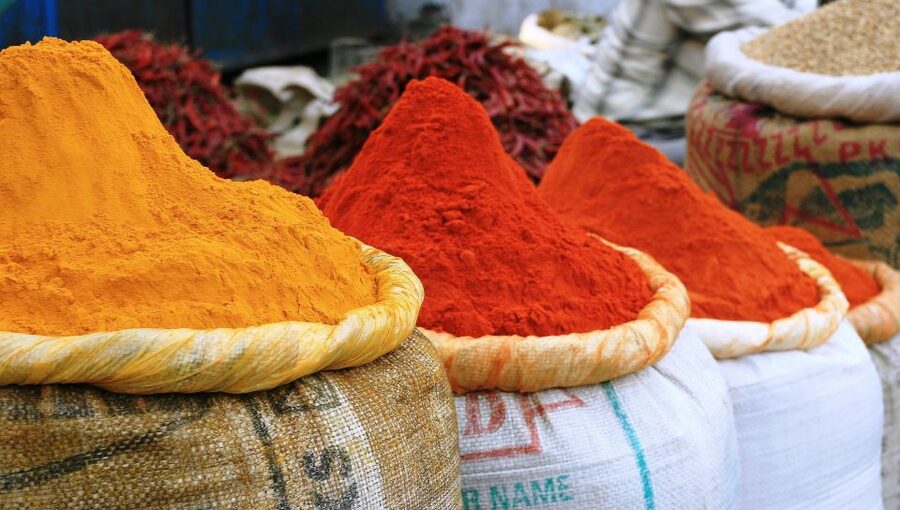
The highlight for most people is Khari Baoli and the spice market. The tour heads here for about 30 minutes, and this isn’t a supermarket-style display. You’ll move into big spice merchant spaces where wholesale deals happen and spices are shown in bulk.
The description is simple and effective: bags are often cut half-open for display, and the air fills with aroma. Even if you’re not a spice nerd, that sensory hit is the “okay, I get it” moment. You’re seeing why Indian cooking tastes the way it does, not just hearing that it does.
Your guide also gives a briefing inside an older spice depot/storehouse—talking about many famed Indian spices and how those everyday kitchen staples can cost a lot more in other countries. It’s one of those facts that makes you glance at your pantry later and think, wait, I’ve been paying for this story without knowing it.
If you’re buying spices, this is where the tour earns its keep. Instead of wandering alone and guessing what’s what, you get context for what you’re smelling and why certain spices are treated differently.
You can also read our reviews of more historical tours in New Delhi


Goldsmith artisan neighbourhoods: craft traditions behind the storefronts
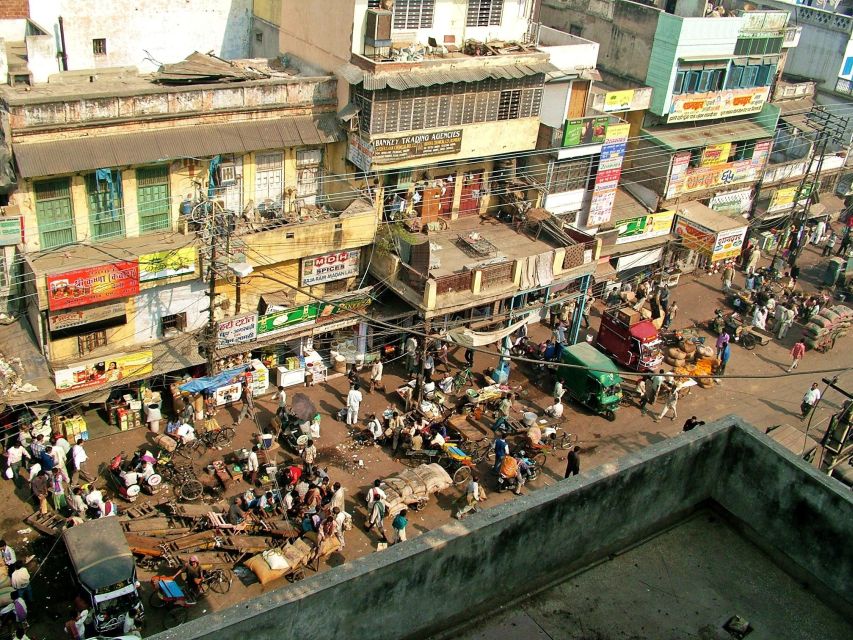
Between the major market stops, the route includes a visit to an old neighbourhood of goldsmith artisans, described as a community living since the Mughal era. This kind of stop adds a different angle to the day.
Markets tell you about trade. Artisan streets tell you about skill. You’re seeing how heritage work continues alongside modern commerce—often in smaller spaces that a typical walk-by route wouldn’t reach.
This is also a nice reset from the spice intensity. After the strong smells of the spice market, gold work and craft details shift your attention back to craftsmanship and daily life. It helps the tour feel balanced rather than one long shopping sprint.
Pace, group size, and what you can realistically cover
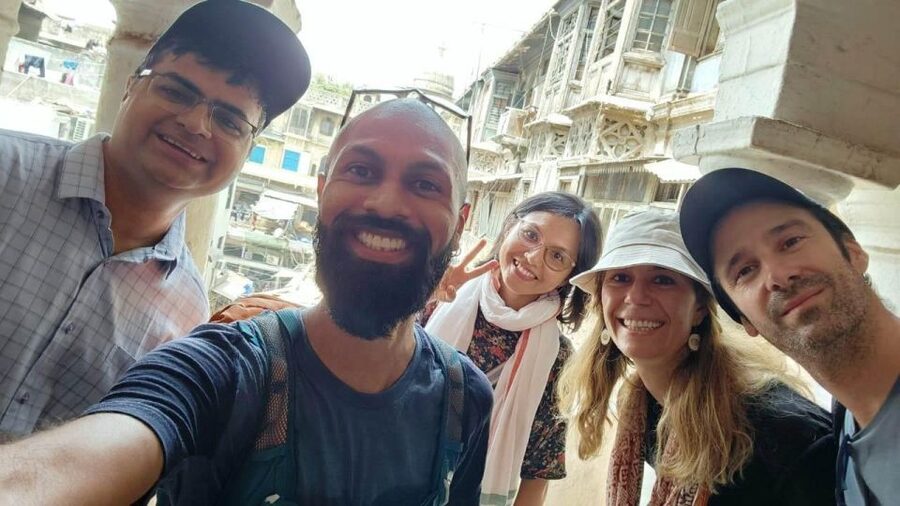
This is a 3-hour tour with a small group (limited to 7). The structure is straightforward: guided segments at Jama Masjid, Chandni Chowk, and Khari Baoli, then you’re back toward Connaught Place or the Khari Baoli area for drop-off.
You don’t spend all day in one place. You also aren’t just hopping between sights with no context. It’s part landmark, part market education, part sensory walking.
One caution: the tour isn’t suitable for mobility impairments and it’s not recommended for pregnancy. Beyond that, the pace can feel like “active walking” rather than “strolling,” so plan to move steadily and keep water in mind. A mineral water bottle is included.
Money talk: the tour cost, the mosque fee, and the value
The price is $13 per person, which is very low for a guided Old Delhi walk. The value comes from two things:
1) You’re getting a local guide who connects monuments, markets, and social life into one route.
2) You’re getting access to places and explanations that would be harder to piece together alone in the maze of Old City streets.
But there’s one add-on cost you should know early. If you choose to enter Jama Masjid, you’ll pay INR 450 per person entrance fee. If you skip entry, you still get the outside photo stop, so you can control your budget.
Food and drinks are listed as not included. That said, many people end up taking small breaks for chai or light snacks when a guide plans the route for comfort and timing. Just don’t assume meals are part of the price.
Tips for the guide are also not included, so if you feel the service was worth it, keep some cash on hand. In a market-heavy walking tour, your guide’s help with navigation and explanations is often the difference between “I saw a bazaar” and “I understood what I saw.”
Practical tips so your Old Delhi day stays enjoyable
A few small choices can make your experience much better here:
- Bring no large bags. Luggage or large bags aren’t allowed, so travel light.
- Plan for stairs and tight lanes. The mosque approach includes steps, and the Old City is narrow.
- Use WhatsApp coordination. If you end up a few meters away from the meeting point, your guide should be able to coordinate with you using WhatsApp/cell.
- Dress for respectful mosque entry if you might go in. Because the mosque is optional, you can decide on the day, but it helps to be ready.
- Expect strong sensory moments. Spices are the point. If you’re sensitive to strong smells, let your guide know.
Who this tour is best for
This tour fits best if you want a guided walk through the market soul of Old Delhi. It’s ideal for:
- First-time visitors who want the big landmark (Jama Masjid) and the main commercial districts (Chandni Chowk and Khari Baoli)
- People who like explanation as much as photos—so the route has meaning
- Solo travelers who want a guide-supported walk rather than trying to navigate everything alone
It’s less suitable if you need step-free routes or if you prefer a slower, seated itinerary.
Should you book the Old Delhi spices, heritage, and bazaar tour?
If you want Old Delhi in three hours—spices, markets, and a clear guide-led route—this is an easy yes. The low price makes it especially compelling, and the mosque entry being optional gives you budget and comfort control.
Book it if you like sensory travel and you enjoy learning how trade and architecture connect. Skip it if you’re not comfortable walking through dense lanes or if you need accessibility accommodations.
If you do book, choose your Jama Masjid plan thoughtfully, travel light, and keep your meeting point simple at Exit Gate No 1. Then let the walk do what it does best: turn a famous city into something you actually understand.
FAQ
Where do I meet the guide?
Meet at Exit Gate No 1 of Jama Masjid Metro Station. If you’re using Uber, follow the provided Google pin location and look for your guide at that metro exit area.
Is the Jama Masjid visit included?
It’s optional, not compulsory. If you enter, the entrance fee is INR 450 per person. If you don’t enter, you can still take photos from outside.
How long is the tour?
The tour runs for about 3 hours.
What’s included in the price?
The tour includes a local English-speaking guide and one mineral water bottle per person.
Are meals or drinks included?
No. Food and drinks are not included, though the day is structured around market stops and brief breaks as part of the walking route.
Are large bags allowed?
No. Luggage or large bags are not allowed on this tour.