REVIEW · NEW DELHI
Old and New Delhi Sightseeing Tour with Rickshaw Ride
Book on Viator →Operated by Sunil Day Tours · Bookable on Viator
Delhi can overwhelm on day one. This one-day Old and New Delhi tour is built for an easier first taste of the city, with a private guide and hotel pickup/drop-off. I like that it cuts through language and navigation stress while still giving you room to linger at each stop. The one thing to plan for: monument entrance fees are extra, and lunch isn’t included.
A big win here is how the day is structured. You get a smooth flow across the major sights, with a morning run through the classic landmarks and an afternoon push to two heavy-hitter monuments.
By the time the car turns back toward your hotel, you’re not just collecting photos. You’re leaving with a clearer sense of how Delhi works, from grand Mughal architecture to the political heart of modern India.
In This Review
- Key highlights to look for
- Door-to-door Delhi: hotel pickup, private car, and a calmer start
- Old Delhi by rickshaw: a short ride with big city energy
- Jama Masjid, Red Fort photo stop, and Rajghat: big symbols in morning light
- India Gate and the Parliament drive-by: modern Delhi politics from the road
- Humayun’s Tomb and Qutub Minar in the afternoon: two monuments you shouldn’t rush
- Price and what you’ll pay for real (entrances and lunch)
- Time management in a city that feels like it runs on its own clock
- What to bring and how to avoid the usual Delhi hassle
- Who this tour fits best (and who might want a different plan)
- Should you book this Old and New Delhi tour with a rickshaw ride?
- FAQ
- How long is the Old and New Delhi sightseeing tour?
- Is hotel pickup and drop-off included?
- What’s included in the tour price?
- Are entrance fees for monuments included?
- Is this tour private?
- What is the cancellation policy?
Key highlights to look for
- Door-to-door hotel or airport pickup keeps your day from starting the hard way
- Private guide focus helps you make sense of what you’re seeing
- Rickshaw ride gives you a quick, memorable peek into Old Delhi street life
- Strategic photo stops let you cover major landmarks without wasting time
- Jama Masjid to Qutub Minar balances religious and historical icons
- Flexible time at stops so you can slow down, skip, or adjust
Door-to-door Delhi: hotel pickup, private car, and a calmer start
The biggest quality-of-life feature is the start. You’re picked up from your hotel or the airport between 8 and 10 a.m., then driven around in a private air-conditioned car. That matters in Delhi because the traffic and crowds can scramble your plans fast. When someone else handles the route, you can focus on the landmarks instead of the logistics.
A private guide also changes how you experience each site. You don’t just walk up and guess. You get context as you move—what you’re looking at, why it matters, and what’s worth noticing right away. One reason I like this setup is simple: Delhi is large, and a self-guided day can turn into a blur.
Another quiet benefit is how the tour protects your schedule. With hotel pickup and drop-off, you avoid the stress of finding meeting points after a long day of walking and photo stops. You also reduce the chance of missing key entrances due to timing.
If you’re short on time, this kind of structure is a relief. A full day gives you enough coverage to feel like you understand the city basics, even if you don’t go deep into every corner.
You can also read our reviews of more tours and experiences in New Delhi.



Old Delhi by rickshaw: a short ride with big city energy
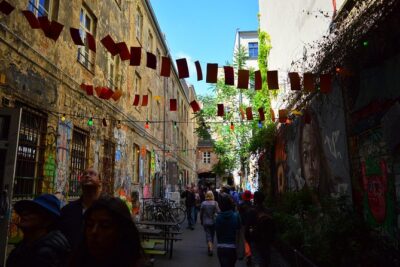
The tour includes a rickshaw ride, and that single element does more than add variety. It’s your bridge between Delhi’s grand monuments and its everyday street texture. In Old Delhi, the energy is intense—sounds, smells, people, and tight streets all at once. A rickshaw segment is a way to experience that without committing your whole day to crowded lanes on foot.
Think of it as a controlled taste. You still get your main sights, but you also get a sensory moment that feels distinctly Delhi rather than “just another city bus tour.” Even if you’ve seen rickshaws elsewhere, the context here is different because you’re moving through an area where historic landmarks and daily life sit close together.
One practical note: rickshaw rides can involve bumps and uneven surfaces. You’ll want to dress comfortably and keep your phone and camera secured. Also, keep an eye on how the guide times the ride so it doesn’t clash with the busiest crowd surges.
If you’re traveling with someone who gets tired quickly, the rickshaw is also a smart compromise. You get a memorable Old Delhi moment without spending extra hours walking in traffic-heavy areas.
Jama Masjid, Red Fort photo stop, and Rajghat: big symbols in morning light
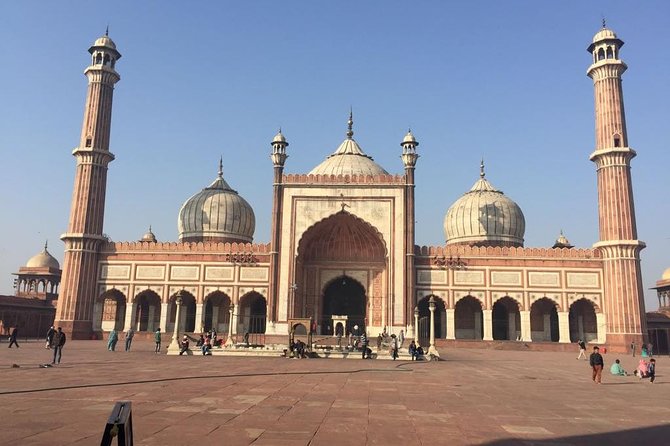
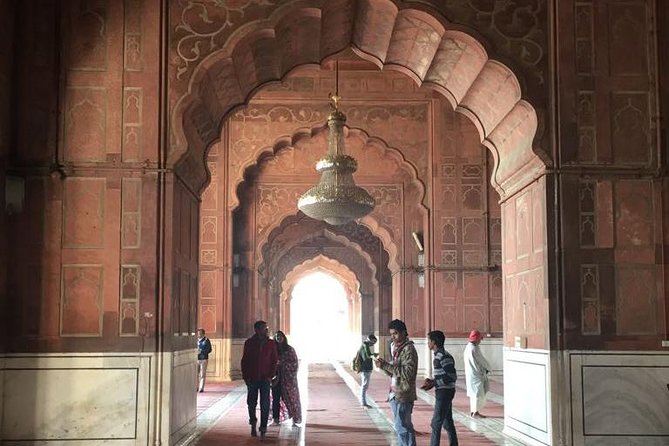
The morning begins in Old Delhi, where the sights carry weight in both architecture and meaning. The first major stop is Jama Masjid, described as the largest mosque of India. Even without getting lost in details, you can feel the scale. Jama Masjid is the kind of place where your brain goes from tourist mode to “wow, this is enormous” before the guide even finishes a first explanation.
A guided visit helps you know what to focus on. Large religious sites can feel confusing if you’re unsure where to look. With a private guide, you can orient quickly and understand what parts of the complex you’re seeing and why they matter.
Next comes a photo stop at Red Fort. A photo stop is a double-edged sword. It’s great for capturing the look from a good angle and moving on efficiently. It’s less ideal if you want a slow, in-depth exploration or if you prefer to spend a lot of time at fewer places.
After that, you head toward Rajghat. This stop is a reminder that Delhi isn’t only about empire and architecture. It also holds spaces for remembrance. Rajghat gives the day a more reflective tone before you switch gears toward the capital’s modern landmarks.
By the time you roll onward, you’ve covered three “anchor points” for understanding Old Delhi: a major living religious site, a monumental symbol of power, and a place of memory. That mix is why the morning pacing works well for first-timers with limited time.
India Gate and the Parliament drive-by: modern Delhi politics from the road
Later, you shift from Old Delhi’s historic density to the wide, formal geometry of New Delhi. You’ll pass by India Gate and drive past the President’s house and the Parliament. That drive-by format is efficient, especially when road time is the limiting factor.
Drive passes can disappoint if you expect to get out and wander. But here, the goal is different: you want orientation. Seeing the landmarks from the road gives you a sense of how New Delhi is laid out—spacious avenues, big government buildings, and a capital city designed for visibility and ceremony.
India Gate, in particular, works well as a visual break from the earlier crowds. It’s a landmark many people recognize from books or media. Seeing it in person turns it from a name into a place.
The Parliament and President’s house passes also help you understand Delhi’s identity beyond its tourist sites. This part of the day places you in the story of how India governs, all while you keep moving rather than standing in slow lines.
If you’re the type who likes to read faces and street scenes, this road segment can feel a bit less hands-on than the monument stops. But as a time-smart overview, it does a lot of good.
Humayun’s Tomb and Qutub Minar in the afternoon: two monuments you shouldn’t rush
The afternoon visit centers on two top-tier landmarks: Humayun’s Tomb and Qutub Minar. This is where the day changes pace again, because both sites encourage you to slow down for photos, angles, and architectural details.
Humayun’s Tomb is a standout for its refined Mughal-era presence. Even if you’re not a hardcore architecture person, the setting helps. The guide’s job is to point out what you might otherwise miss so your photos come out more meaningful than just “I was there.”
Then you move to Qutub Minar. Qutub Minar has an instantly recognizable shape, and it’s the kind of monument that makes you want to walk around for different views. Again, a guide helps here because you’re not left guessing where to go next or how to interpret what you see.
One reality check: these sites can take time, and the day is already packed. You’ll want to manage your energy. If you’re tired, focus on the key areas the guide highlights instead of trying to cover everything. The goal is to leave with strong impressions, not to “win” at seeing every corner.
If you’ve only got one day in Delhi, this afternoon pairing is a sensible strategy. It blends two monumental experiences without stretching the schedule into something exhausting.



Price and what you’ll pay for real (entrances and lunch)
The listed price is $33 per person for the tour. For that money, you get a private guide, hotel pickup/drop-off, a private air-conditioned car, and the rickshaw ride.
The catch is cost planning. Entrance fees for monuments are not included. The materials you’re given include two entrance figures: a note saying $30 per person for entrance tickets, and another stating 1500 INR per person. Either way, you should budget extra for monument entry.
Lunch is also not included, so you’ll need to either grab something on your own or plan your day around buying a meal during breaks. In a packed itinerary, “I’ll eat whenever” is how you end up stressed or paying more than you expected.
So is it good value? For many people, yes, because you’re buying time-saving and stress-reduction. You’re not paying for a long museum crawl. You’re paying for a guided route that hits the headline landmarks with door-to-door convenience and a rickshaw experience.
If you’re trying to keep the day ultra-cheap, private transport plus private guidance means you’ll spend more than the public option. But you’re also less likely to waste your limited hours wrestling with directions and crowds.
Time management in a city that feels like it runs on its own clock
Delhi has a way of making time feel different. One person summed it up with the idea that a short stretch can feel longer because each stop holds your attention. That tracks with the way this tour is paced: you’re moving, yes, but you’re not rushing every single moment.
A key feature for sanity is that you have room to choose how long you stay at each stop. Some accounts describe flexibility, including the ability to skip a stop or add another one without friction. That’s valuable because not everyone wants the same pace—some people want more photo time, others want to move fast.
You’ll also want to think about what you prioritize. If you love photography, you might linger at the iconic exteriors like the Red Fort photo moment or take more time with the open views at Qutub Minar. If you prefer learning, let the guide steer you to the details that explain the place.
Since the tour runs roughly 7 to 8 hours, you’re working with a tight window. The best move is to keep your expectations aligned: you’ll cover major landmarks, not every side street or every room inside every monument.
What to bring and how to avoid the usual Delhi hassle
This tour is structured and guided, so you still control comfort. Here are smart basics that match what the day involves.
Wear comfortable walking shoes. Even with vehicle time, you’ll be on your feet at major monument stops. Bring water, especially if you’re visiting in warmer months. Keep a small amount of cash on hand for food, snacks, and anything you decide to buy when your schedule opens up.
Plan for entry lines and security checks. The day includes major landmarks, and those places often have crowd pressure at certain hours. With a guide, you’ll typically flow better than if you show up alone, but you still need patience.
Dress sensibly for religious sites. Jama Masjid is part of the morning, and religious locations come with expectations about covering and respectful behavior. If you keep it simple—shoulders and knees covered—you’ll avoid awkward last-minute adjustments.
Also, charge your phone in advance. You’ll want photos, and you’ll likely rely on your camera more than usual because the itinerary has multiple “big exterior” moments.
Who this tour fits best (and who might want a different plan)
This tour is a strong fit for people who want a first introduction without getting overwhelmed. If you’re new to Delhi, you’ll likely appreciate the way the guide helps you understand what you’re seeing while the private car handles the hard parts.
It’s also a good choice if you have limited time and want a high concentration of Delhi’s headline sights. In one day, you cover Jama Masjid, a Red Fort photo stop, Rajghat, India Gate, and then shift into the afternoon monuments at Humayun’s Tomb and Qutub Minar.
If you hate crowds and want to spend most of the day off the main route, this might feel a bit intense. Many major landmarks are simply popular. You can reduce stress by going with comfortable shoes, keeping your expectations realistic, and letting the guide guide you rather than trying to make every stop your own adventure.
If you prefer deep, slow museum-style visits or long interior exploration, you may find the photo stops and overall pacing too efficient. But as a “see the big landmarks and get oriented” day, it hits the mark.
Should you book this Old and New Delhi tour with a rickshaw ride?
If you want one day that helps you get oriented fast, I’d say yes. The combination of hotel pickup/drop-off, a private guide, and the rickshaw ride creates an experience that feels like a thoughtful shortcut through a complicated city. You’re not left guessing, and you get a logical sweep from Old Delhi’s iconic landmarks into New Delhi’s political monuments.
Book it if:
- you’re short on time and want the headline sights in one 7–8 hour window
- you’d rather trade DIY stress for a planned route
- you want a mix of architectural landmarks and street-level atmosphere
Skip it or consider a different option if:
- you’re trying to keep costs ultra-low once you add entrance fees and lunch
- you want long, slow interior visits at every stop
If your goal is a smart first day in Delhi, this tour is built for exactly that.
FAQ
How long is the Old and New Delhi sightseeing tour?
It runs about 7 to 8 hours.
Is hotel pickup and drop-off included?
Yes. Pickup and drop-off from your hotel (or airport pickup) are included.
What’s included in the tour price?
The tour includes a private guide, hotel pickup/drop-off, transfers/sightseeing by a private air-conditioned car, and a rickshaw ride.
Are entrance fees for monuments included?
No. Entrance fees are not included and are listed as $30 per person and also 1500 INR per person.
Is this tour private?
Yes. It’s private, and only your group participates.
What is the cancellation policy?
Free cancellation is available up to 24 hours in advance of the start time for a full refund. If you cancel less than 24 hours before, the amount paid is not refunded.