REVIEW · ROME
Ostia Antica Guided Tour Including the Ancient Theater and Baths
Book on Viator →Operated by Vatican Private Tour Guide · Bookable on Viator
Ancient Rome, minus the chaos. A private guided walk through Ostia Antica gives you a clearer look at the ruins and a real sense of how the port city worked, not just random stone piles. I like that the tour is set up to skip long lines, and I also love that you focus on standout areas like the ancient theater and baths instead of rushing past everything.
The one thing to plan for: it’s still a site walk. You’ll cover about 2 km on foot, with breaks, so comfortable shoes matter—especially if you’re not used to Roman paths and uneven ground.
In This Review
- Key Points at a Glance
- Why Ostia Antica Feels Different From Rome’s Big Ruins
- Where You Start: Viale dei Romagnoli in Lido di Ostia
- The 3-Hour Flow: How You’ll Spend Your Time at Parco Archeologico
- Cardus, Decumanus, and the Layout That Makes the Ruins Make Sense
- The Ancient Theater: More Than Seating and Stone
- Baths and Mosaics: How Everyday Routine Comes Through
- Skip the Long Lines: The Time-Saving Part You’ll Feel Immediately
- Price and Value: What $311.40 Really Covers
- Who This Tour Suits Best (and Who Might Want to Rethink)
- Should You Book This Ostia Antica Tour?
- FAQ
- How long is the Ostia Antica guided tour?
- Is the admission ticket included?
- Do I need to arrange private transportation?
- Where does the tour start and end?
- How much walking is involved?
- Is this tour private?
- Can most people participate?
- Do children need to be accompanied by an adult?
- Can I cancel for free?
Key Points at a Glance
- Private-only group means your guide can set the pace for your people
- Line-skipping + admission included saves time before you even start exploring
- Ancient theater and baths focus helps you connect buildings to daily life
- Ostia Antica’s lesser crowd factor makes the ruins feel more readable
- Professional art historian guidance turns mosaics and details into something you can actually picture
Why Ostia Antica Feels Different From Rome’s Big Ruins

Ostia Antica is Rome’s ancient port city, just a short distance away, yet it feels worlds calmer than the blockbuster sites. I find that difference matters. When fewer people are in your way, you can actually look at the ground-level details—inscriptions, mosaics, and the layout of streets—without constantly dodging shoulders.
This tour leans into that. Instead of treating the site like a checkbox, you get guided context for what you’re seeing, with an emphasis on structures tied to community life. The highlights are the ancient theater and the baths, and that’s a smart angle because those places help you understand how people spent their days.
One more plus: the historical story here runs deeper than just the Roman Empire. The area’s development connects back to earlier Roman expansion, including the idea of a fortified camp concept (a castrum) and the streets that shaped movement through the town. Your guide helps connect those dots so the site feels like a place, not a museum in the open air.
You can also read our reviews of more guided tours in Rome

Where You Start: Viale dei Romagnoli in Lido di Ostia
You’ll meet at Viale dei Romagnoli, Lido di Ostia RM, Italy, and the tour ends back at the same meeting point. That back-to-back setup is convenient because you don’t have to solve a long end-of-day transportation puzzle after the ruins.
One practical note: the tour does not include private transportation. That means you’ll want to plan your own way to the meeting point, using public transport if that’s part of your Rome strategy. The good news is the meeting area is noted as being near public transit, so you shouldn’t feel stranded.
If you’re trying to chain this with other Rome highlights, I’d treat this as a focused half-to-full morning or afternoon plan. Ostia works best when you’re not mentally multitasking your whole day. The site rewards attention.
The 3-Hour Flow: How You’ll Spend Your Time at Parco Archeologico

The tour runs about 3 hours, and it’s built around one main stop at the Parco Archeologico di Ostia Antica. That sounds simple, but it’s actually the right structure. With only one site, your guide can keep you moving through a logical path rather than wasting time on transfers.
In that timeframe, you’ll get a guided walk that includes breaks to sit and take in the place. The walking total is about 2 km, which is manageable for most people, but it’s still real walking. Expect uneven ground and some spots where you’ll pause often for explanations—so don’t schedule yourself into a tight “only one stop today” day unless you’re very sure about your stamina.
The big value of the timing is that you get a compact experience without feeling like you’re sprinting. A professional art historian guide and a local guide are there to keep the story straight, point you toward what to look for, and help you understand why certain ruins matter.
Cardus, Decumanus, and the Layout That Makes the Ruins Make Sense
A lot of ruined sites fail because you don’t know where to stand. Ostia Antica improves that because its street structure gives you a framework. Early Roman planning left its mark on the town layout with main roads known as the cardo and decumanus—the north-south and east-west axes that shaped movement.
Your guide uses that kind of information to turn a walk into a mental map. Instead of just seeing stone and columns, you start to understand how people moved through the town and where key areas sat relative to one another. It’s the difference between walking past a building and recognizing how it fit into everyday life.
You’ll also hear about the fortified-camp idea that developed around the town’s early phase, including the concept of solid tufa boundaries and the castrum framework. Even if you’re not a Rome history nerd, this helps you make sense of why certain areas feel organized while other parts look like they grew and shifted over time.
The Ancient Theater: More Than Seating and Stone

The tour highlights the ancient theater, and that’s a great choice because theaters were social engines in Roman life. They weren’t just for performances. They were places where people gathered, communicated, and shared the rhythm of the city.
What I like about focusing here is that you can use the building type to understand the city’s culture. When your guide points out what survives and explains how theaters functioned as community spaces, the ruin becomes a stage for your imagination, even without all the original elements intact.
There’s also a practical side. A theater area gives you natural viewpoints—spots where you can look across the space and grasp scale quickly. That makes it easier for you to get your bearings fast, especially if you’re the type who gets lost when a guide says, “Look over there” without context.
The only caution: since this is an outdoor ruin, your comfort depends on weather and sun. If you’re going in hot months, bring water and plan to use the tour breaks strategically.
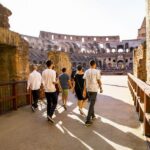
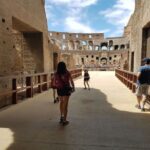
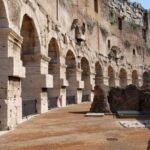
Baths and Mosaics: How Everyday Routine Comes Through

The baths are often where Ostia Antica gets real, because bathing wasn’t a one-off event. It was part of daily routine, and Roman bath complexes were designed for repeated use: washing, socializing, relaxing, and moving between temperature zones.
With a professional art historian guide, you’re not just being told where things are. You’re guided toward what to notice—especially decorative elements like mosaics, which show up as visual “signposts” across Roman sites. Even when mosaics are only partially visible, they help you understand the level of care and craftsmanship the city’s residents supported.
This tour’s bath focus matters because it connects architecture to life. When you learn how these spaces were organized, the walls stop looking random. You start to see movement patterns: where people likely entered, how they might have progressed, and why certain rooms were positioned the way they were.
A small practical tip: take your time here. Bath complexes reward slow looking because details tend to be closer to the ground and in corners you might miss if you’re rushing.
Skip the Long Lines: The Time-Saving Part You’ll Feel Immediately
One of the most practical perks is guaranteed to skip long lines, with admission ticket included. That changes the whole start of the experience. In Rome, you can burn a lot of your best energy just standing around.
By reducing waiting time, you buy more actual ruin time. And because the tour is private-only for your group, you’re less likely to lose momentum while people shuffle between checkpoints. You go straight into the site with a guide setting the tone and telling you what to look for first.
Add in the mobile ticket feature and local taxes included, and the tour becomes easier to run smoothly. You’re not spending your precious half-day juggling paperwork.
Price and Value: What $311.40 Really Covers
The price is $311.40 per person, and at that level you want to be sure you’re paying for more than “someone showing you ruins.” Here, the value is tied to structure: a local guide, a professional art historian guide, skip-the-line entry, admission included, and local taxes.
You’re also paying for decision-making help. Ostia Antica is large enough that without guidance you can end up chasing what looks impressive rather than what tells the best story. With the theater and baths spotlighted, your time is aimed at the parts most likely to help you connect the city’s layout to its daily life.
Is it cheaper than self-guiding? Yes. Is it more efficient and more informative? Often, also yes—especially if you care about understanding what you’re looking at, not just photographing it. For history lovers and anyone who prefers a guided explanation over reading everything on plaques, the price tends to feel more reasonable.
Who This Tour Suits Best (and Who Might Want to Rethink)
This is a strong fit if you’re traveling with a group that wants focus. Private tour/activity means only your group participates, so you won’t be stuck with a mismatch in pace or interests. It’s also a good choice if you like your Rome with a story: you’ll get guide explanations you wouldn’t otherwise encounter.
It’s also a fit for history lovers who want a less crowded alternative to the city’s most famous ruins. Ostia Antica often gives that “I can actually see things” feeling that you don’t always get in central Rome.
The main mismatch would be if you dislike walking or want minimal outdoor time. With about 2 km on foot, even with breaks, it’s not a sit-and-ride experience.
Children are allowed, but must be accompanied by an adult. If your group includes kids, this kind of focused tour can work well because it keeps attention on a few key areas rather than dragging through every corner.
Should You Book This Ostia Antica Tour?
If you want Ostia Antica without the usual Rome friction, I’d book it. The combination of skip-the-line entry, a guide who can explain what you’re seeing, and a route centered on the theater and baths makes this feel efficient and genuinely educational.
I’d also book it if your travel style is part photo, part understanding. This is the kind of tour where you walk away with a mental map: what the streets likely meant, why the theater mattered, and how the bath spaces reflected daily Roman life.
I’d hesitate only if you’re on a tight budget or you really don’t want to walk. Otherwise, it’s a solid value for anyone who wants a calmer slice of Rome’s ancient world—one guide-led hour at a time.
FAQ
How long is the Ostia Antica guided tour?
It’s approximately 3 hours.
Is the admission ticket included?
Yes. Admission is included, and you’ll also have a mobile ticket.
Do I need to arrange private transportation?
No. Private transportation is not included.
Where does the tour start and end?
It starts at Viale dei Romagnoli, Lido di Ostia RM, Italy and ends back at the same meeting point.
How much walking is involved?
About 2 km of walking is involved, with breaks to sit and enjoy the site.
Is this tour private?
Yes. It’s private, so only your group participates.
Can most people participate?
Most travelers can participate.
Do children need to be accompanied by an adult?
Yes. Children must be accompanied by an adult.
Can I cancel for free?
Yes, free cancellation is available. You can cancel up to 24 hours in advance for a full refund.