REVIEW · ROME
Rome: Mini hike to the ancient Parco degli Acquedotti
Book on GetYourGuide →Operated by Hike with Nature of Sal · Bookable on GetYourGuide
Aqueducts meet city sidewalks fast. A walk like this turns Rome into something you can read with your feet, not just your phone. I love the surreal blend of ancient aqueducts and wild-ish green space in the Parco degli Acquedotti, and I love how the guide uses the route to explain the aqueduct story in plain language. The one catch is the hike is 9 km with uneven ground, so you’ll want real shoes and a steady pace, especially if it’s hot or wet.
One of the best parts for me is the way you start in Pigneto, a neighborhood that feels local right away, then the scenery shifts toward the older Rome. With Sal as your guide, you get more than monuments; you get context about how humans and nature shaped this place, plus insight into the aqueducts themselves. Small group size also helps: you’re not shouting over 30 strangers while trying to hear how something actually worked.
A possible drawback: it runs rain or shine, and the route can change if there’s an unexpected obstacle. Plan to be flexible, and if you have heart or respiratory concerns, this is not a casual stroll.
In This Review
- Quick hits you’ll care about
- Why the Park of the Aqueducts feels like a time machine
- Starting in Pigneto before the aqueduct zone kicks in
- Mandrione, Via del Mandrione, and the route-building neighborhoods
- Porta Furba (or Arco di Sisto V): a historical stop that isn’t a dead end
- The local café break: keep your energy steady
- Torre Fiscale Park and the approach into Parco degli Acquedotti
- The walk itself: distance, terrain, and why shoes matter
- Price and value: why $53 can make sense here
- Who this is best for (and who should skip it)
- Practical tips to make it easy on yourself
- Getting back out: one-way hike logistics you should plan for
- Should you book this Rome aqueduct mini hike?
- FAQ
- Where does the hike start?
- Where does the hike end?
- How long is the experience?
- How far do you walk, and how hard is it?
- Is it rain or shine?
- What language is the guide?
- What should I bring?
- Can children join?
Quick hits you’ll care about
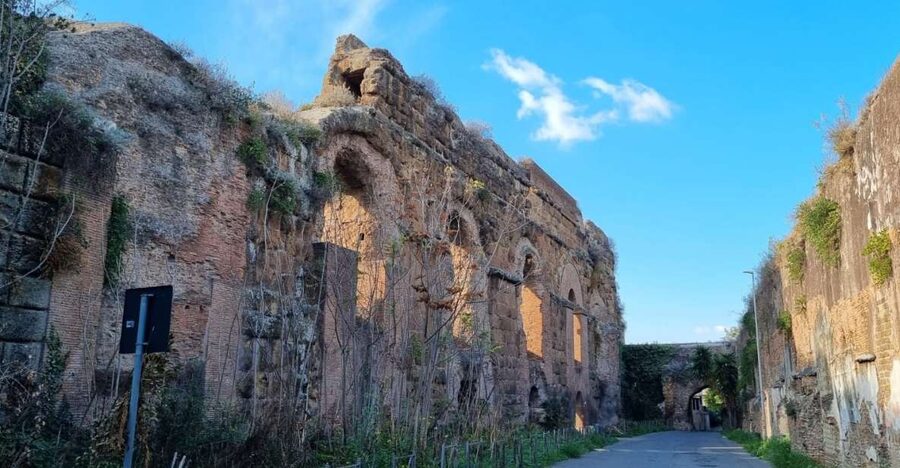
- Pigneto warm-up: you begin in a trendy, lived-in Rome area before the aqueduct scenery takes over
- Surreal nature + stone: the park mixes greenery, viewpoints, and long aqueduct lines
- Sal-led history on the move: you learn about aqueducts and the human story behind them
- Moderate, uneven walking: 9 km over mixed terrain means comfortable hiking shoes matter
- Rain or shine: expect the guide to adjust for weather and safety as needed
- Great for photos, from close to wide: think texture details plus epic vistas of the aqueducts
Why the Park of the Aqueducts feels like a time machine
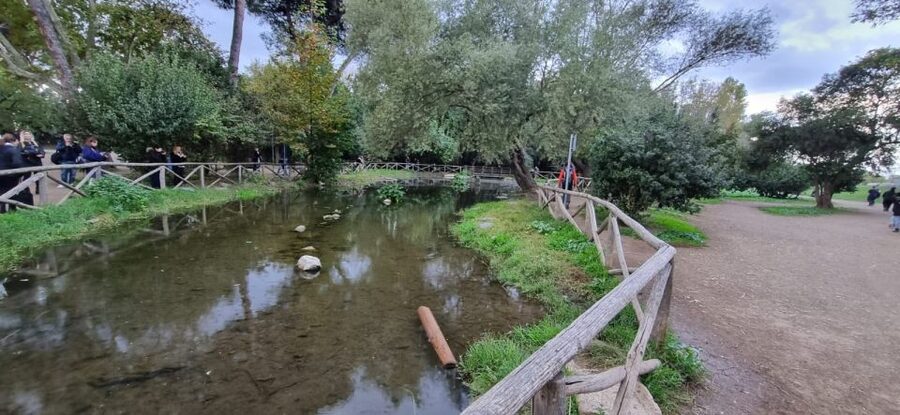
The Parco degli Acquedotti has that rare Rome trick: it feels both intensely engineered and strangely untamed at the same time. You get stretches where the aqueduct structure pulls your eyes into the distance, and you still hear birds and feel like you’re walking through a real outdoor park, not a museum. That human + nature mix is the whole point here.
The guided approach matters. Instead of dumping aqueduct facts at the start and then marching silently, you follow a route that naturally frames what you’re seeing. As you walk, the story stays attached to the view in front of you. You come away understanding the aqueducts not as random ruins, but as a system that helped people live differently—and required nature, land, and engineering to cooperate.
And yes, the scenery is photo-friendly. One of the joys is the range of perspectives: from smaller textures to wide lines of stone stretching through the park. If you like images with leading lines and long sight paths, you’ll get plenty.
You can also read our reviews of more hiking tours in Rome
Starting in Pigneto before the aqueduct zone kicks in
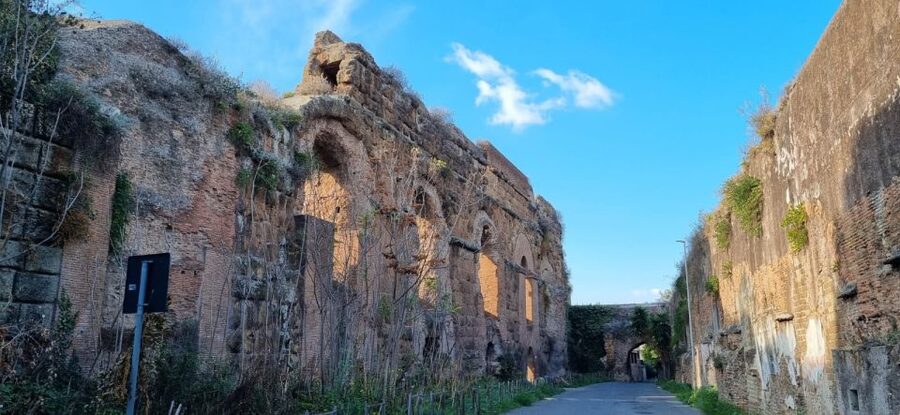
Most Rome tours jump straight to the big sights. This one begins at the subway station in Pigneto (C-Line), outside the station, with specific meeting sides depending on the exit you use. Starting in a neighborhood like this changes the vibe immediately. You’re not only touring ancient Rome; you’re moving through how people live now.
Then the route guides you along Via del Pigneto, and after that you pass through small shared green spaces like Parchetto Condiviso del Mandrione. The shift is subtle at first—more city blocks, more street life, more normal sidewalks—until the route starts to feel more like walking out from the city.
Why I like this setup for you: it breaks up the emotional rhythm of a trip. You’re not spending three hours inside one type of scenery. You ease from urban Rome into the older landscape, which makes the final park area feel earned instead of arriving all at once.
Mandrione, Via del Mandrione, and the route-building neighborhoods
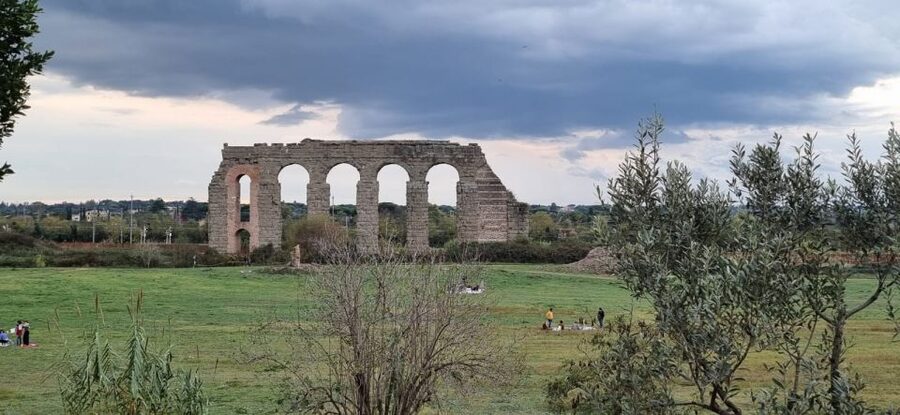
As you move from point to point, the walk gives you a sense of how Rome’s outskirts and urban fabric connect. You’ll cover Via del Mandrione and visit Parchetto Condiviso del Mandrione, then continue onward toward a more ancient-feeling stretch.
This part is less about one single landmark and more about the rhythm of a guided hike. The guide can use the contrast—neighborhood edges, green pockets, and changing terrain—to explain how people use space across centuries. It’s also where you can feel the walking pace settle in, which is important since the overall distance is long enough to matter.
If you want an experience that feels like walking through Rome’s in-between zones (not just the Instagram highlights), this is where it starts delivering.
Porta Furba (or Arco di Sisto V): a historical stop that isn’t a dead end
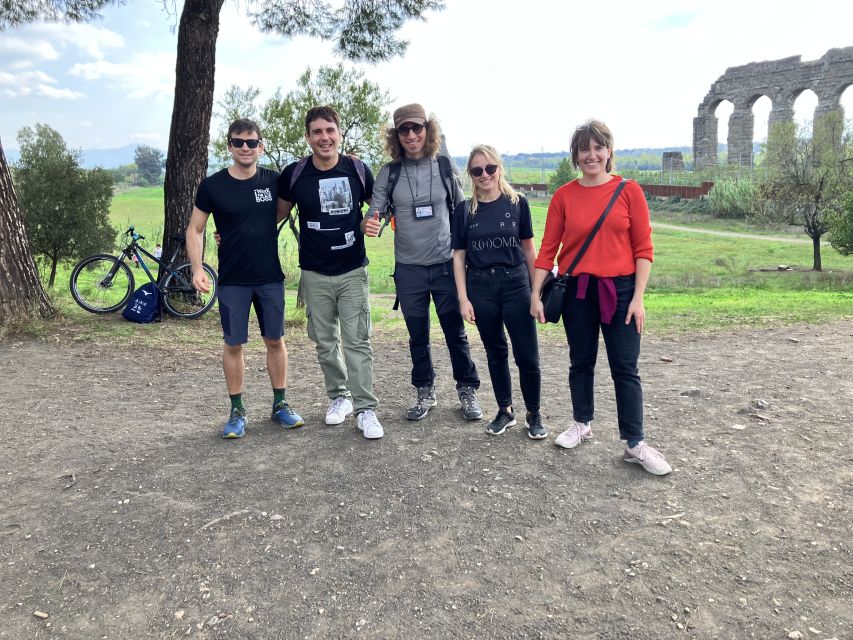
One of the route highlights includes Porta Furba (also referred to as Arco di Sisto V). This is the kind of stop that makes the hike feel intentional. You’re not just crossing geography; you’re stepping through a point that connects the city’s movement and structure to the past.
What I find useful here is that the guide uses the stop as a narrative anchor. You’re still walking, still moving, but you get a sense of how gateways and structures fit into the bigger story of Rome’s layout. Even if your history knowledge is light, the stop is approachable because it’s tied to the physical environment you’re currently in.
The local café break: keep your energy steady
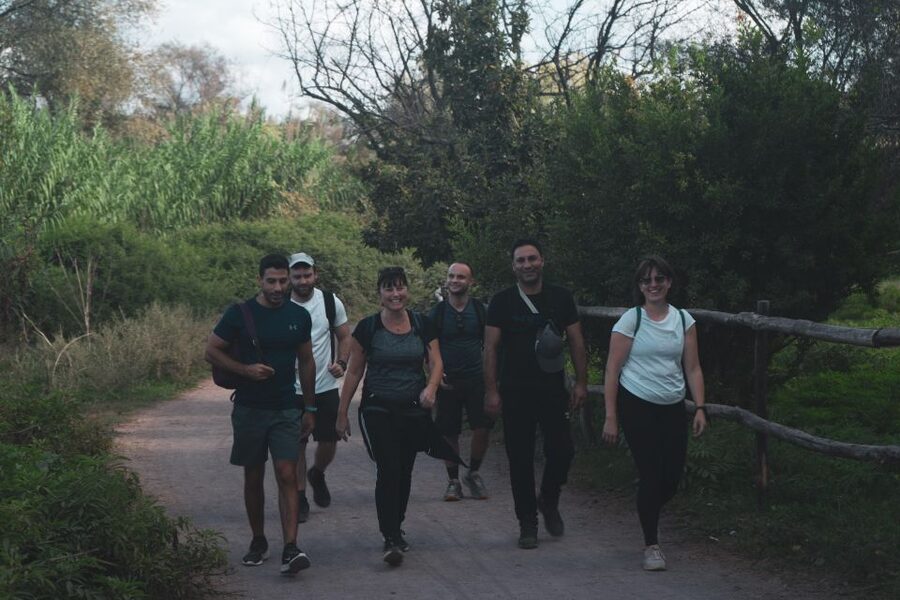
Midway through, there’s a local café break. This isn’t just a rest stop. It’s your practical moment to reset before the route leans more heavily into park walking.
Because the hike runs rain or shine and can be very hot depending on the day, this pause can make the difference between finishing strong and feeling drained. One reason the guide stands out in feedback is attention to staying comfortable—using shade when possible and supporting water breaks. That kind of pacing helps you enjoy the last section instead of just surviving it.
My advice: use the break to refill mentally as well as physically. Check your footing, drink water, and plan to keep your pace calm into the park.

Torre Fiscale Park and the approach into Parco degli Acquedotti
As you head from the city edge into Torre Fiscale Park, the hike starts to feel like it’s leaving behind the idea of a straight line and becoming a sequence of changing viewpoints. This is where the route starts to show you why the park is famous: the aqueducts don’t just sit there. They guide where your eyes go.
Then you arrive at the Parco degli Acquedotti, and that’s the moment the whole experience clicks. You’re surrounded by that surreal pairing: engineered stone and living nature in the same frame. On good weather days, you can get a mountain backdrop, which adds a whole extra layer to the views.
The guide’s role is key here. Sal’s style comes through in the way he links what you see to what it meant—both the aqueduct function and the broader intersection between environmental and cultural history. One review experience highlights how he pays attention to clients, especially in heat, and that translates on the ground into a more comfortable hike.
The walk itself: distance, terrain, and why shoes matter
This is rated moderate with 9 kilometers (5.5 miles) and uneven terrain. That combination is why the tour explicitly tells you not to use sandals or flip-flops and to wear comfortable walking shoes, ideally hiking shoes.
If you do only one thing to prepare, make it this: prioritize grip and comfort. Uneven ground means you’ll be stepping differently than on smooth sidewalks. After a few kilometers, that matters more than you think.
Also, expect the itinerary to adjust. The final duration and route can change because of weather, unexpected obstacles (like a fallen tree), or other safety reasons. The guide has the authority to shorten, extend, or reroute as needed. That’s a good thing, not a failure. It means you’re hiking with safety in mind.
Price and value: why $53 can make sense here
At $53 per person for about 3 hours, this tour sits in the sweet spot of guided experiences: not too short to feel rushed, not so long that it turns into a day-long commitment. The main value is that you’re paying for a professional guide and a guided narrative on a route that most visitors wouldn’t think to do on their own.
You’re also getting:
- a small group limited to 10 participants
- an English (and German) speaking guide option
- a hike that combines neighborhoods with the aqueduct park, not just one attraction
For me, the big value marker is the guide quality. Reviews consistently highlight Sal’s ability to connect history with nature and keep the group comfortable in heat. Even if you already know something about Rome, this format turns the aqueducts into a lived path rather than a static photo.
Who this is best for (and who should skip it)
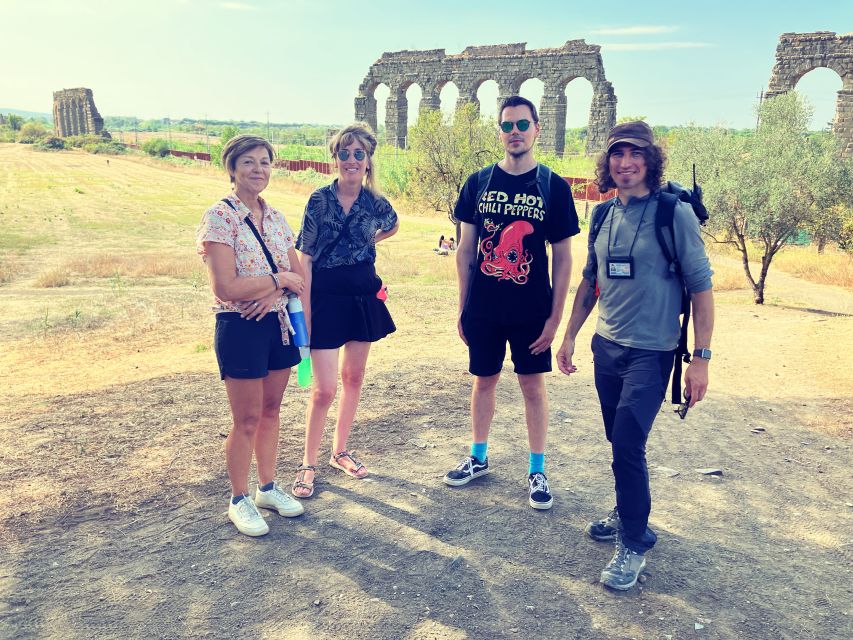
This is a good fit if you want a walking experience that feels real, with nature and ancient architecture braided together. It’s also suitable for families, with children 14+ accompanied by adults.
It is not for everyone. It’s listed as not suitable for:
- children under 12
- wheelchair users
- people with heart problems
- people with respiratory issues
- people over 95 years
If your goal is a slow, flat stroll, this likely won’t match your expectations. But if you can handle 5.5 miles of uneven ground and you want a more off-the-beaten-path Rome moment, it’s a strong choice.
Practical tips to make it easy on yourself
Bring the basics the tour asks for, and you’ll enjoy it more.
- Shoes: comfortable walking shoes, ideally hiking shoes, especially on days after rain
- Water: the tour recommends 1.5 liters
- Clothing: dress for an urban hike; plan for sun and rain because it runs rain or shine
- Optional extras: raincoat, sunscreen, a hat, trail snacks, hiking poles, electrolytes, and sunglasses
Two more tips from the spirit of the guide’s approach: keep your pace calm early, and don’t wait until you feel tired to start taking comfort breaks. If the guide offers shade or a water moment, take it. You’re setting yourself up for that long aqueduct-view section at the end.
Getting back out: one-way hike logistics you should plan for
This is a one-way hike. You start at Pigneto (C-Line) and finish close to Giulio Agricola (A-Line), with the endpoint noted at Via Lemonia, 214.
That matters because you won’t end where you started. If your lodging is far from the final subway stop, you’ll want to plan your next step ahead of time. In practical terms, it’s easier if you stay near the A-Line or line up transport from the area near the finish.
Should you book this Rome aqueduct mini hike?
I’d book it if you want something different from the usual Rome checklist. You get an outdoor setting, real nature energy, and a guided explanation of the aqueducts, all in a manageable 3-hour window. The small group and Sal’s focus on pacing and comfort—especially in heat—make it feel easier than you might expect from the distance.
Skip it if you need a flat, low-effort walk, or if health limitations make uneven terrain a problem. Also, if rain ruins your day, remember this runs rain or shine.
If you’re the type of person who likes walking to learn, likes photos with both close detail and long lines, and wants a side of Rome that most people miss, this is a very solid yes.
FAQ
Where does the hike start?
It starts right outside the subway station Pigneto (C-Line). The meeting side is described as one exit next to a Conad grocery store, and the other exit facing a bridge.
Where does the hike end?
The one-way hike finishes close to the subway station Giulio Agricola (A-Line), with the endpoint listed at Via Lemonia, 214, 00178 Roma RM.
How long is the experience?
The duration is listed as 3 hours.
How far do you walk, and how hard is it?
It’s rated moderate, with a distance of 9 kilometers / 5.5 miles and uneven terrain.
Is it rain or shine?
Yes, the tour runs rain or shine.
What language is the guide?
The experience runs in English, German, or Italian (the tour data notes English and German specifically, with Italian also listed under languages).
What should I bring?
The tour recommends comfortable walking shoes (best hiking shoes), 1.5 liters of water, and clothing suited for an urban hike. Optional items include a backpack, raincoat, sunscreen, hat, trail snacks, hiking poles, electrolytes, and sunglasses.
Can children join?
Children 14+ can join with an adult. The tour is not suitable for children under 12.