REVIEW · SEOUL
Seoul History Tour: Dark Past & Market Street Flavors
Book on GetYourGuide →Operated by TRIPPER · Bookable on GetYourGuide
Seoul’s darkest walls meet street-food comfort. I like how this tour ties Seodaemun Prison to Korea’s fight for freedom, then carries you straight into everyday Seoul life at Namdaemun Market. I also like that the food is not an afterthought; you get real tastings while the history is still fresh in your head.
One consideration: Seodaemun Prison is emotionally heavy, with somber cells and execution grounds. If you prefer light sightseeing only, plan for a slower mental pace and comfortable shoes.
You start at Dongnimmun (Independence Gate) Station, Exit 5, and you’ll spot the guide holding a Tripper sign. You’ll end back at the same meeting point after a moderate walk through palace grounds and market alleys.
In This Review
- Key things to notice before you go
- Seodaemun Prison History Hall: resistance cells and execution grounds
- Dilkusha: when Albert Taylor’s home became a symbol
- Deoksugung Palace: Western and Korean architecture in one royal setting
- Seoul City Hall and Sungnyemun Gate (Namdaemun): 600 years at the city’s edge
- Namdaemun Market: Kalguksu Alley noodles and hotteok comfort
- Price and value: what $65 covers and why it feels fair
- Pacing, guidance, and your comfort level
- Who should book this tour (and who might skip it)
- FAQ
- Where does the tour start?
- Where do I end up at the end of the tour?
- What’s included in the $65 price?
- Are food tastings part of the tour?
- Is the tour in English?
- What should I bring?
- Does the tour run in rain or snow?
- Is it wheelchair accessible?
Key things to notice before you go
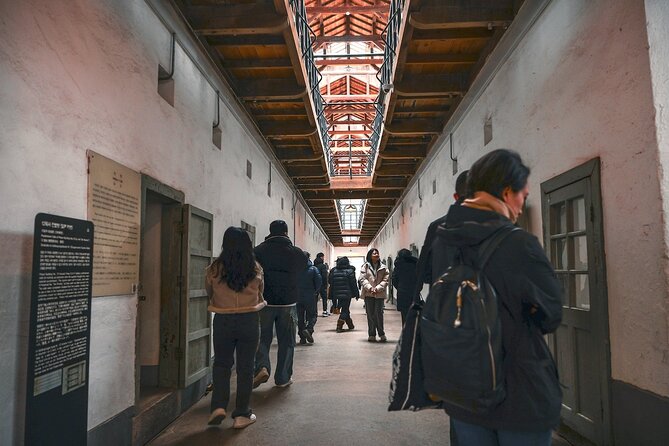
- Seodaemun Prison History Hall: explore somber cells and execution grounds from the Japanese colonial era
- Dilkusha and Albert Taylor: see how an American journalist helped spread Korea’s independence message to the world
- Deoksugung Palace’s Korean-Western mix: a royal setting with both traditions in view
- Sungnyemun (Namdaemun) Gate: a 600-year-old national treasure at Seoul’s southern entrance
- Namdaemun Market food alleys: Kalguksu Alley noodles plus street snacks like hotteok
Seodaemun Prison History Hall: resistance cells and execution grounds
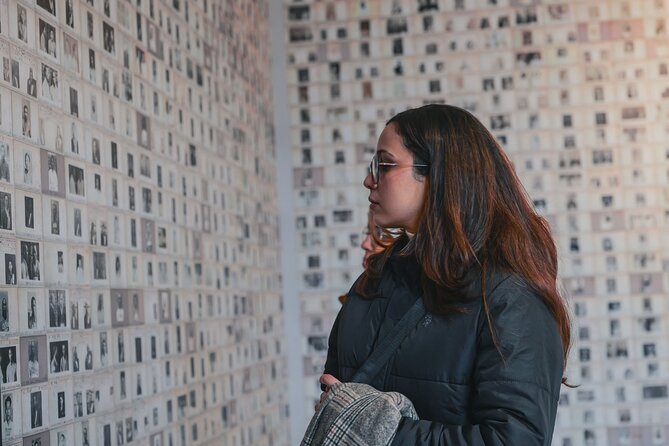
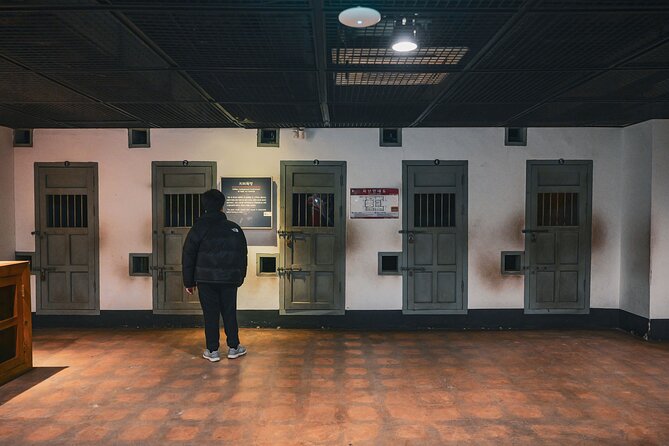
This tour starts by putting you face-to-face with one of the harshest chapters in Korea’s modern story. At Seodaemun Prison History Hall, you walk through the somber cells and the execution grounds where Korean independence activists were imprisoned during Japanese colonial rule. The guide’s job here is not just to point. They connect what you’re seeing to why it mattered, and how it shaped later Korea.
What I like about this stop is the clarity. You’re not asked to guess what the place meant. You’re shown the physical spaces where resistance played out, then you’re given exhibits and accounts that explain the road to independence and the lasting impact of colonial rule. It’s the kind of context that makes the rest of Seoul feel more grounded, not just scenic.
The only real drawback is the emotional weight. This is not the time for head-down photo sprints. If you know history sites hit you hard, take breaks when you need them and don’t feel pressured to push through.
You can also read our reviews of more historical tours in Seoul
Dilkusha: when Albert Taylor’s home became a symbol
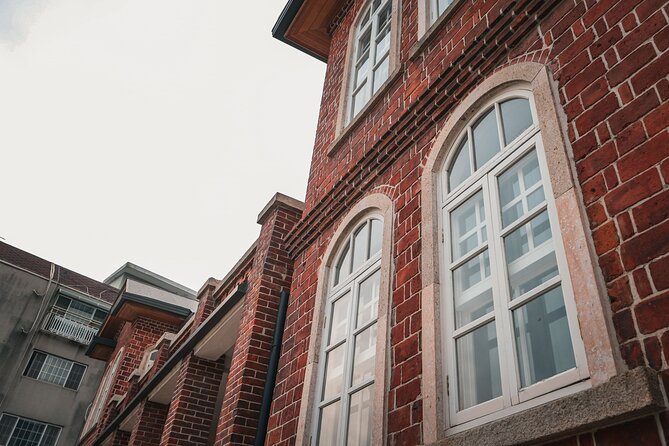
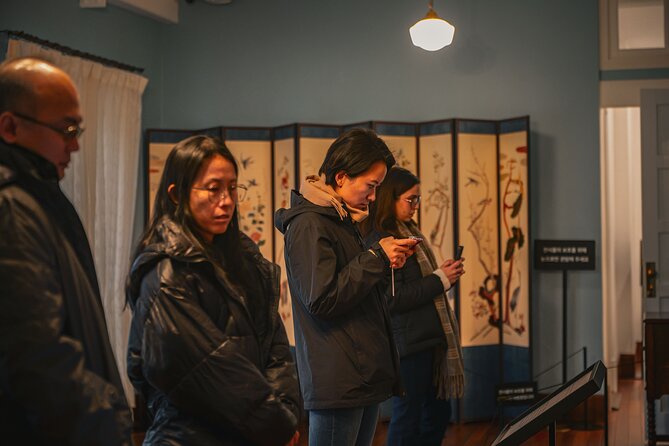
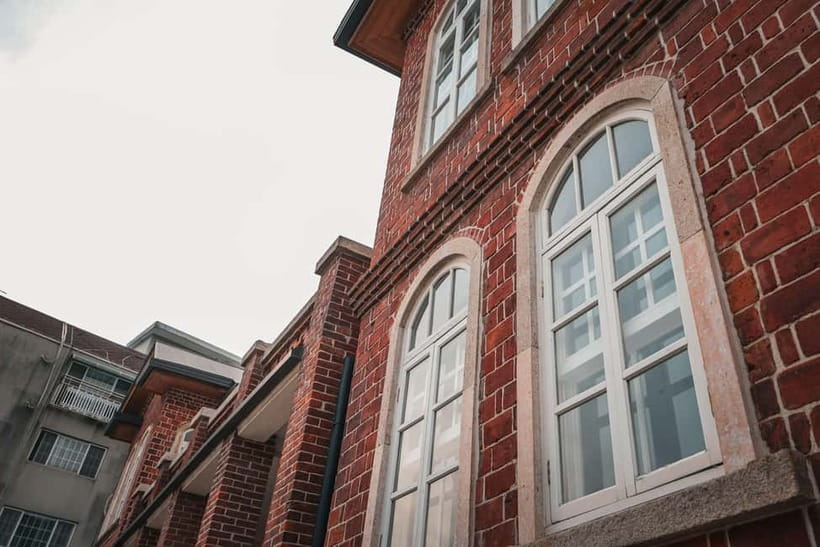
After the prison stop, the tone shifts from concrete and bars to something more surprising: Dilkusha, home of Albert Taylor, an American journalist connected to Korea’s independence movement. You don’t just see a building—you learn how international support helped Korea’s cause gain attention beyond its borders.
This is a key “human scale” moment in the itinerary. The prison gives you the cost of oppression; Dilkusha shows how support can travel across countries and still matter. In a single stop, you get a reminder that Korea’s independence story wasn’t happening in isolation.
I also like that the guide frames Dilkusha as more than a curiosity. It becomes a symbol of resistance and resilience, which helps you connect it back to what you just learned at Seodaemun. Your brain starts linking people, places, and messages rather than treating each site like a separate postcard.
Deoksugung Palace: Western and Korean architecture in one royal setting
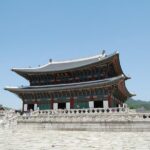
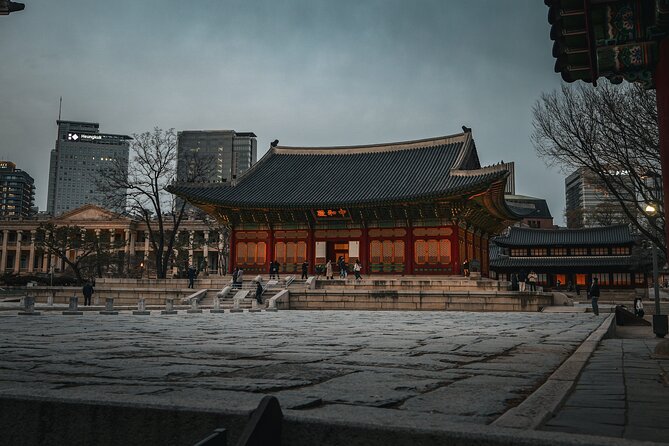
Next comes Deoksugung Palace, where history turns visible in architecture. This palace is known for its blend of Korean and Western design elements, and you get to walk through a royal setting where the old world and the new world overlap.
The tour focuses on Emperor Gojong, described as the last emperor of Korea. You learn how he sought refuge there and worked through plans tied to Korea’s modernization. If you’ve only seen palace buildings as museum shells, this stop changes that. It’s not just about grandeur. It’s about power, choice, and a country trying to shape its future under intense pressure.
And yes, you’ll notice the contrast with the modern skyline nearby, especially around Seoul City Hall. That visual comparison is useful. It helps you understand why people can feel both “tradition” and “transition” in the same frame here.
One small practical note: palace grounds mean more walking. It’s not extreme, but it adds up across the day. Comfortable shoes are not optional.
Seoul City Hall and Sungnyemun Gate (Namdaemun): 600 years at the city’s edge
From Deoksugung, the route passes by Seoul City Hall, tied to Korea’s transformation from colonial past to a functioning democracy. This is one of those in-between moments that can be easy to rush past—unless the guide points out what the city uses as landmarks for its story.
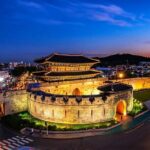
Then you get Sungnyemun Gate (Namdaemun). This is a national treasure and has stood as Seoul’s southern entrance since the Joseon Dynasty. Seeing a gate with that kind of time depth helps you recalibrate your sense of what “new” means. Seoul changes fast, but it also keeps physical anchors.
I like that this part of the tour doesn’t ask you to memorize facts. It encourages you to look. You’re given a frame—then you watch the gate and the surrounding area do the rest of the explaining.
Namdaemun Market: Kalguksu Alley noodles and hotteok comfort
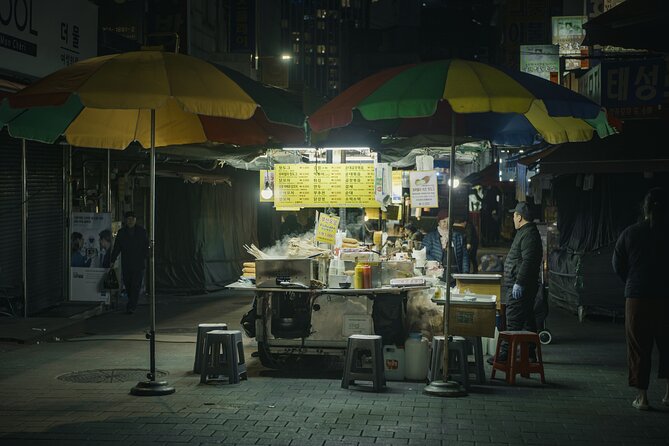
After prison and palace stops, Namdaemun Market feels like exhale time. This is Seoul’s largest and oldest traditional market, with vendors selling goods for over 600 years. The tour uses Namdaemun to show the everyday side of living history: people building routines, families eating together, and street food doing the cultural job of feeding a city.
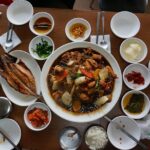
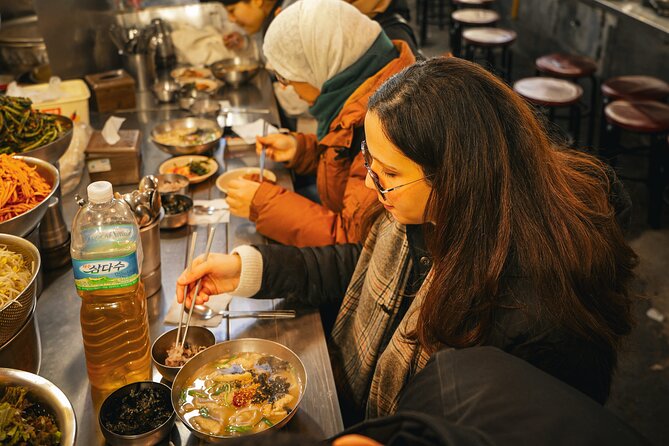
The food stop is where the tour earns its second half. You eat at the famous Kalguksu Alley, where locals gather for handmade knife-cut noodles in steaming bowls. This is the kind of meal that doesn’t need a fancy pitch. It’s comforting, simple, and perfect after a morning of heavier storytelling.
And then there’s hotteok, one of Seoul’s best-known street foods. You get to taste it as part of the market experience, which makes the tour feel rounded: history in one place, then warmth in the next.
A practical heads-up: market time is hands-on. Expect crowds, strong smells, and the joy of making choices quickly. If you’re the type who loves snacking but hates queues, let the guide manage the pace.
You can also read our reviews of more shopping tours in Seoul

Price and value: what $65 covers and why it feels fair
At $65 per person, this is priced like a focused day tour rather than a long, multi-transfer marathon. What makes it feel reasonable is what’s included: an English-speaking professional guide, all entrance fees, transportation cost, and food tastings at Namdaemun Market.
You’re not paying extra just to stand in a place and read a plaque. The tour is built to move you between key sites—Seodaemun Prison History Hall, Dilkusha, Deoksugung Palace, and the Namdaemun area—then feed you as you go. That mix is exactly what you want if you’re trying to understand Seoul beyond neighborhoods.
Also, the small-group setup matters. It keeps the day from turning into a loud stampede, and it makes it easier to ask questions when something at a site feels unclear or emotionally difficult.
If you’re watching your budget, the biggest win is avoiding add-on entrance fees and transit surprises. That turns your total day cost into something you can plan around.
Pacing, guidance, and your comfort level
This tour includes a moderate amount of walking. You’ll want a reasonable fitness level so the day stays enjoyable, not tiring. It’s also not suitable for wheelchair users, and it may not be a good match for people with altitude sickness.
The day-to-day flow is straightforward: start at Dongnimmun (Independence Gate) Station, Exit 5, follow the guide through the city, and return back to the same meeting point at the end. The vehicle route may change based on on-site conditions, so you might swap a planned segment for more walking.
Guides seem to bring the story to life in a very practical way. Past groups have praised guides such as Janice and Ron for being passionate and quick to answer questions about Korean culture and food. That matters because context is what turns a set of stops into a single storyline.
Rain or snow doesn’t stop the tour. The operation runs as scheduled unless conditions make it completely impossible. So it’s wise to keep your weather flexibility in mind, but you shouldn’t expect to lose the whole day.
Who should book this tour (and who might skip it)
Book it if you want a Seoul day that connects big history to real local routine. This works best when you like understanding the why behind what you see—colonial rule, resistance, modernization efforts, and the modern city that grew out of it.
You should also book it if you enjoy street food and want the market experience guided. Namdaemun can be overwhelming on your own, and the Kalguksu Alley tastings plus hotteok give you an efficient path through the menu.
Skip or think twice if:
- You strongly dislike darker historical sites. Seodaemun Prison is intense.
- You have mobility limits that make moderate walking hard.
- You’re sensitive to altitude concerns (this is listed as not suitable for people with altitude sickness).
If you’re on the fence, a good rule is simple: if you’re coming to Seoul for both meaning and meal-time comfort, this tour hits that balance.
FAQ
Where does the tour start?
The tour starts at Dongnimmun (Independence Gate) Station, Exit 5. The guide will be holding a Tripper sign.
Where do I end up at the end of the tour?
The activity ends back at the meeting point.
What’s included in the $65 price?
It includes an English-speaking professional guide, all entrance fees, transportation cost, and food tastings at Namdaemun Market.
Are food tastings part of the tour?
Yes. You’ll have food tastings at Namdaemun Market, including options like Kalguksu Alley noodles and street foods such as hotteok.
Is the tour in English?
Yes, the tour is conducted in English.
What should I bring?
Wear comfortable shoes. The tour includes a moderate amount of walking.
Does the tour run in rain or snow?
Yes. The tour operates as scheduled in rain or snow, unless weather makes it completely impossible to proceed.
Is it wheelchair accessible?
No, it’s not suitable for wheelchair users.