REVIEW · ATHENS
2 or 3-Day Private Tour: Ancient Olympia, Corinth, Mycenae, Epidaurus, Nafplion
Book on Viator →Operated by WARMPENGUIN · Bookable on Viator
Early mornings, big ancient payoff. This private route lines up five major Peloponnese stops with low-stress transfers and time to explore at your own pace. I especially like that you get hotel pickup and return from Athens (or a cruise ship), plus an English-speaking driver who keeps the story moving between sites. The other big win: you can add licensed guides where you want extra depth, without forcing it at every stop.
One thing to plan for: entrance fees aren’t included, and the most meaningful site experience often comes from hiring a licensed guide for at least a couple of museums or archaeology areas. Also, you’ll start early (the suggested pickup is around 07:30, flexible if needed), so good shoes and patience for road time will make the whole trip feel easier.
In This Review
- Key Highlights You’ll Feel Right Away
- A Private Driver Turns Big Ruins Into a Relaxed Day
- Ancient Corinth and Mycenae: Two Power Centers, One Long Morning
- Epidaurus Theatre and the Sanctuary of Asklepios
- Nafplion by the Sea: Lunch, Strolls, and a Real Evening
- Ancient Olympia: Stadium Tunnel Moments and Museum Time
- Rion-Antirion Bridge and Two Softer Ports on the Way Toward Delphi
- Delphi’s Terraces: Oracle History, Treasuries, and the Museum
- Arachova Lunch Views and the Ride Back to Athens
- What You’re Really Paying For: Comfort, Hotels, and Private Time
- Who This Tour Fits Best (and Who Might Feel Crunched)
- Should You Book This Private Peloponnese and Delphi Tour?
- FAQ
- Is this tour a private experience?
- Where do you get picked up, and is pickup included?
- What language is the tour in?
- Are entrance fees included?
- Are licensed guides included for the archaeological sites and museums?
- Is lunch included?
Key Highlights You’ll Feel Right Away
- Five major ancient sites without logistics headaches, thanks to door-to-door pickup and a private vehicle
- Leisure-paced touring with options to upgrade to licensed guides on-site
- Olympia + Delphi in the same trip, so you see two of Greece’s biggest ancient stages
- A calm evening base in Nafplion, where the day doesn’t end inside a bus
- Optional Day 2 add-ons (Rion-Antirion Bridge, Nafpaktos, Galaxidi) for a more varied route
- Comfort included on the drive with Wi‑Fi, A/C, and bottled water available in the vehicle
A Private Driver Turns Big Ruins Into a Relaxed Day
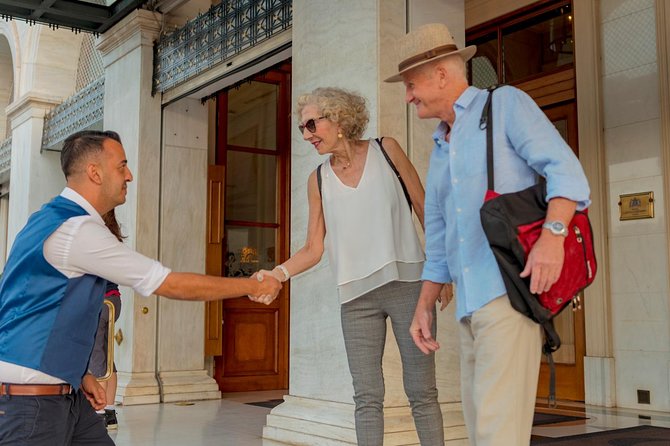
This kind of tour works because it cuts out the annoying parts: navigating buses, timing ticket lines, and figuring out where you’ll eat once you’re done walking. You’re basically buying time and mental space. With a private driver guiding your route, you can focus on what you came for—ruins, museums, and those classic Greek moments where a single column or doorway tells an entire story.
I also like that the driver can explain the big picture while you travel. You’re not stuck with silence between stops. And if you do want more detail inside a museum or on the archaeology grounds, you can request licensed guides (extra cost), so you control how “deep” you go.
One practical note: since the driver is your main on-the-ground guide for the day, plan to treat licensed guides as the upgrade that unlocks the best site interpretation. The driver can give context and answer questions en route, but they can’t go into the archaeology sites themselves.
You can also read our reviews of more private tours in Athens
Ancient Corinth and Mycenae: Two Power Centers, One Long Morning
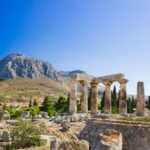
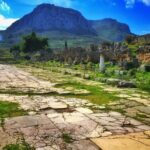
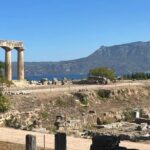
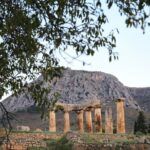
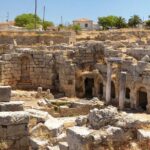
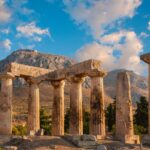
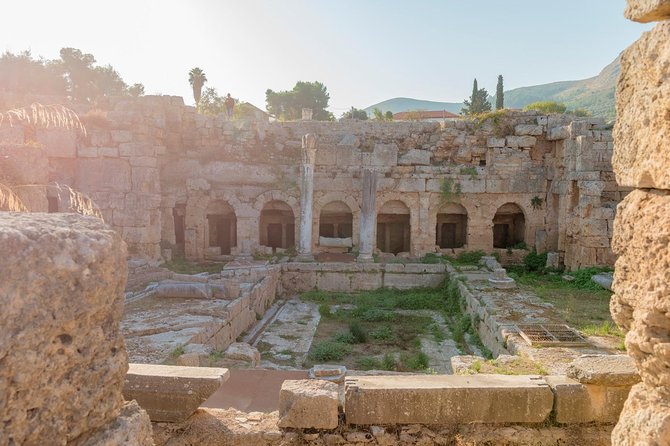
Your day starts in Ancient Corinth (Archaia Korinthos), and it’s a smart first move. Corinth was one of the most influential city-states in antiquity, and walking its preserved remains feels like stepping into layers of Greek and Roman life. You’ll get the chance to wander through temples, streets, markets, and fountains—then connect that to the Christian-era mention of St. Paul being part of the city’s larger historical footprint.
The best part of this stop is pacing. With private touring, you’re not forced to sprint through the highlights. You can slow down at the sections that spark your curiosity and pause where you want photos. If you like ruins that feel “alive” because they’re spread out like a real city, Corinth is a strong start.
Next comes Mycenae, where the tone changes from city ruins to a fortified statement of power. You’ll pass through the 6-meter-wide city walls and move toward the entrance called the Lion’s Gate. From there, the drama keeps building: think Agamemnon’s legendary association, the throne-room area, and major structures tied to the palace and the Treasury of Atreus. Even if you’re not a mythology person, the scale of the walls and the layout do the talking.
A useful way to experience Mycenae is to look at it like engineering. Notice how the fortifications control movement, and how the site’s layout supports authority. It’s the kind of place where your brain naturally shifts from sightseeing to “How did they run this city?”
What can slow you down: this is also a walk-heavy morning, and both Corinth and Mycenae are places where you’ll feel it after a while if you’re not wearing good footwear.
Epidaurus Theatre and the Sanctuary of Asklepios

After a drive through olive fields and smaller country roads, you land at Epidaurus, inside the UNESCO-listed Sanctuary of Asklepios. This is where Greece goes from political history into human hope. Asklepios was the ancient healing center of the world you’re reading about in textbooks, and the sanctuary setting makes the whole idea feel more grounded.
The star attraction is the Theatre of Epidaurus, a classical Greek masterpiece from the 4th century. The theatre’s reputation is tied to its famous acoustics, so you’ll see visitors trying voice tests using poems or songs. Even if you don’t participate, it’s a fun reminder that ancient engineering wasn’t only about buildings—it was also about how people gathered and how sound carried.
This is also a great stop to decide how you want your day to feel. If you want a slower, more reflective vibe, Epidaurus delivers. If you prefer pure action, you might keep it moving—but either way, the theatre is hard to forget because it’s still so intact.
Small reality check: because entrance fees aren’t included, make sure you budget for tickets (and any optional add-ons like licensed guides). That way you don’t lose time figuring out payment at the last second.
Nafplion by the Sea: Lunch, Strolls, and a Real Evening
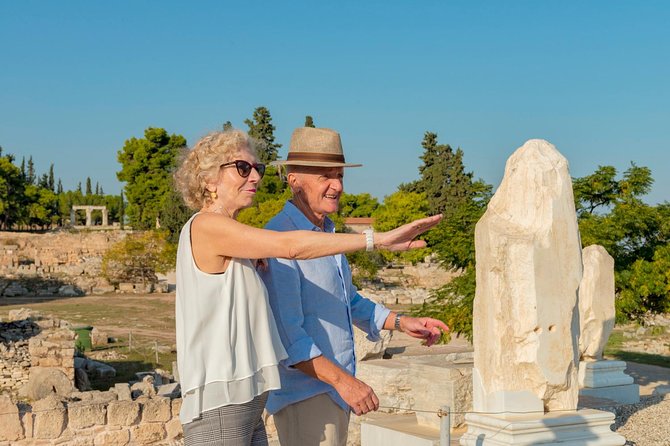
Then you reach Nafplion, and this is one of the tour’s smartest breaks. You’ll enjoy lunch in the historical port city with views toward the Venetian castle of Bourtzi in the bay. Nafplion has an artistic, old-town feel, and it’s the perfect counterweight to the heavy archaeology days.
In practical terms, Nafplion gives you something simple: a place to walk without rushing. You can browse craft shops and boutiques, wander through lanes, and reset your body after all the site walking. This is where a private tour shines again—your day ends in a livable town, not a random roadside drop-off.
One more bonus: when your schedule includes ruins plus real downtime, you’re less likely to feel like you’re “checking boxes.” Your photos improve too, because you’re not only shooting monuments in the morning light—you’re capturing evening street life and sea views.
Consideration: if you’re traveling as a big group or with teens who get bored easily, Nafplion’s mix of food stops and wandering time helps keep energy up. It’s an easy win.
Ancient Olympia: Stadium Tunnel Moments and Museum Time
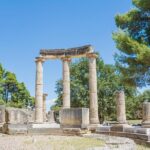
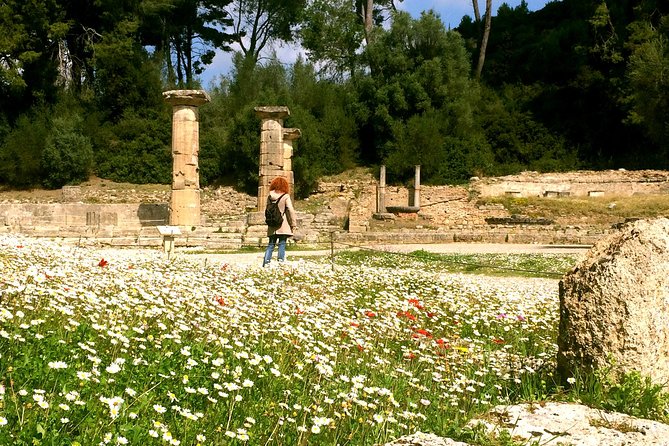
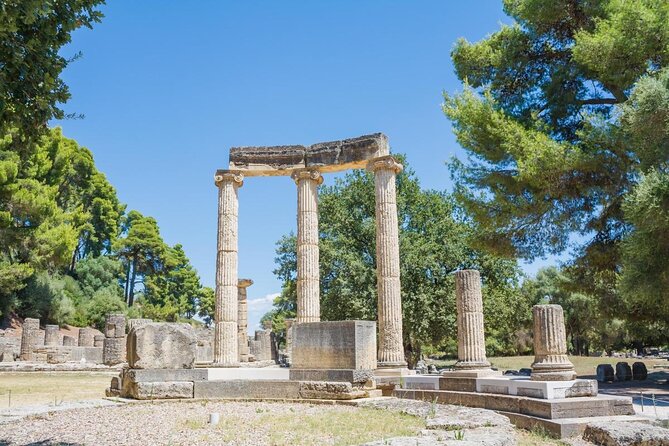
On day two, the morning belongs to Ancient Olympia, one of Greece’s most magical sites. Olympia is famous for the Olympic Games of antiquity, and you’ll see the places where athletes trained and learned, plus the key dramatic moment of going through the tunnel to emerge in the stadium area.
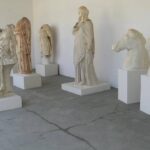
You’ll also encounter the major temple complex associated with the Temple of Zeus and Hera, and you’ll see points tied to how the Olympic flame is lit in the modern tradition. Add in the workshop of Phidias and the extensive museum, and you get a more complete picture than you’d get with a quick outdoor-only pass.
My advice: treat Olympia as half sports venue, half museum experience. If you only do the stadium and temple areas, you’ll miss the way the museum helps you understand what you’re seeing. If you only do the museum, you miss the emotional impact of walking the space athletes once entered.
Also, if you’re the type who likes to test acoustics and legends, Olympia is full of moments like that. The site asks you to visualize a world that once ran on ritual competition.
What to watch for: Olympia is large. Even with private pacing, plan for a steady walking rhythm and use breaks when offered.
A few more Athens tours and experiences worth a look
Rion-Antirion Bridge and Two Softer Ports on the Way Toward Delphi
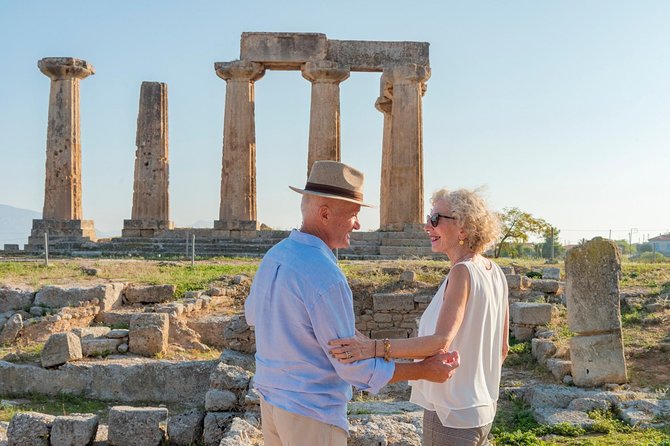
If you choose the 3-day version, day two expands with more varied scenery instead of only returning straight to Athens. First up is the Rion-Antirion Bridge, one of the longest suspension bridges in the world. It’s a strong visual “reset” because you go from ancient temples to engineering scale.
Then the route slows down again with a lunch stop in Nafpaktos Old Port, described as a Venetian postcard kind of place. Lunch here works because you’re not in a rushed tourist zone; it’s the kind of setting where you can eat, look out over the water, and breathe.
Finally you reach Galaxidi, another seaside village with streets, cafés, and restaurants. It’s a nice pairing with Delphi because it gives you a more local-feeling evening compared to jumping straight from ancient ruins to hotel and bed.
This segment is also about road psychology. The Peloponnese route has plenty of stretches where you’ll stare out the window. When the driver is organized and the vehicle is comfortable (A/C, Wi‑Fi, bottled water), those longer hours feel less like a chore.
From a practical tip standpoint: a travel pillow helps if you’re sensitive to long drives. It’s not glamorous, but it works.
Delphi’s Terraces: Oracle History, Treasuries, and the Museum

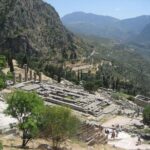
Day three is Delphi Ancient Town, and it’s the kind of place that rewards attention. Delphi sits on wide terraces on a hillside, and those terraces explain why the site feels dramatic even before you reach the major structures. You’ll see remains stretching from long before the major classical period, including the 4th century BC Temple of Apollo, where the Oracle delivered prophecies.
You’ll also encounter the Castalian spring, which ties mythology to place in a way that feels more physical than a reading. Then there are the theatre and treasury buildings, plus the temple of Athena and the gymnasium area where athletes gathered before the Pythian games.
Delphi is at its best when you use both eyes: one on the ruins, the other on the museum. The modern museum houses finds that go back at least to 1500 BC, and the collection includes major masterpieces tied to Delphi’s peak, including the Naxos Sphinx, the twin kouroi, and the Bronze Charioteer.
If you’re only going to pick one “upgrade” for interpretation, Delphi is a top contender. The site is complex, and a licensed guide can help you map what you’re looking at without turning it into a lecture marathon.
Reality check: this is a long day with lots of moving pieces. Wear layers if the weather shifts, and plan to take short rests when you can.
Arachova Lunch Views and the Ride Back to Athens
After Delphi, there’s a final lunch stop in Arachova. This town is known for craft shops and for views across the olive-filled Pleistos river valley. It’s a good place to buy small souvenirs that actually feel tied to the region rather than generic items.
The timing also matters. You’re not heading home immediately after the most intense site. You get food, browsing time, and a scenic pause before the return drive along the coast road to Athens.
This part of the day is also where you can reflect on what you saw. Corinth and Mycenae show power and walls. Epidaurus brings healing and ritual. Olympia shows sport as a sacred tradition. Delphi then connects all of it through religion, prophecy, and art. The trip has a structure that makes sense—if you let it.
What You’re Really Paying For: Comfort, Hotels, and Private Time
At $1,196.89 per person for the 3-day experience, you’re paying for the big-ticket parts: private transportation, door-to-door pickup and return, and minimum 4-star or boutique-style hotels with breakfast. You also get practical comforts on the road, including Wi‑Fi, A/C, and bottled water.
Entrance fees are not included, and licensed guides inside archaeology sites are extra. That’s important because it changes the true budget. If you want a licensed guide at multiple major sites, you’ll pay more—but you may also save time and frustration by getting the most from each stop.
In value terms, this tour makes sense if:
- you want multiple major sites without train, bus, or rental-car headaches
- you prefer private pacing over rushing in large groups
- you care about understanding what you’re seeing and will likely add licensed guides for at least a couple of locations
If you’re traveling solo or as a couple and you hate long logistics, the cost can still feel fair. If you’re on a strict budget and you don’t plan to add guides, you might choose a cheaper, group-based option. But this one buys you convenience and control.
Who This Tour Fits Best (and Who Might Feel Crunched)
This is an excellent fit for couples, families, and anyone who wants a classic Greece highlight list without treating it like a scavenger hunt. The private nature helps even when you’re traveling with kids or teens, because you can pause, adjust, and keep the day moving at a pace your group can handle.
It also suits people who like a mix of archaeology and atmosphere. Some tours only do ruins. This one adds Nafplion as a real evening town and includes a seaside port detour on the 3-day version.
The main caution is time and walking. You’ll be on the move for multiple ancient sites, including Olympia and Delphi, which both require energy. If you know you get tired easily or have mobility limits, you’ll want to plan for slower breaks and possibly fewer interior museum sessions.
Should You Book This Private Peloponnese and Delphi Tour?
I’d book it if you want a well-structured, low-stress way to see Corinth, Mycenae, Epidaurus, Nafplion, Olympia, and Delphi in one connected trip. The mix of major sites plus breaks in meaningful towns is what makes it feel humane. It’s also a smart choice if you like the idea of hiring licensed guides selectively, so you get both freedom and depth.
Don’t book it blindly if entrance fees and potential guide upgrades would be a big stretch. And if you hate early starts or long road hours, you should go in with that reality and plan your comfort (snacks, water, good footwear, and a travel pillow for the longer stretches).
If you’re aiming for maximum ancient impact with minimum logistics pain, this tour makes a lot of sense.
FAQ
Is this tour a private experience?
Yes. It’s a private tour/activity where only your group participates.
Where do you get picked up, and is pickup included?
Pickup and return are included from Athens accommodations or a cruise ship. Pickup time is flexible, and the suggested start is around 07:30.
What language is the tour in?
The tour is offered in English.
Are entrance fees included?
No. Admission tickets and entrance fees are not included.
Are licensed guides included for the archaeological sites and museums?
No. Licensed guides for archaeological sites and museums are available on request for an extra cost. Your tour driver can share information en route but can’t enter the archaeological sites.
Is lunch included?
Lunch options are available, and each day includes a traditional menu choice. If you have allergies or related conditions, you should inform the provider.