REVIEW · POMPEII
Sipping History: Discover Ancient Roman Wines
Book on Viator →Operated by Bosco de Medici Winery · Bookable on Viator
Wine meets Pompeii in a working vineyard. This private stop at Bosco de’ Medici Winery turns the area’s Roman story into something you can taste, walking through the estate’s farmhouse, experimental vineyard, and wine-making spaces tied to ancient methods. I especially like the four-wine tasting paired with an expert-led approach, because it makes the flavors feel guided, not random.
My second big win: the meal. You’ll enjoy a 3-course lunch inspired by recipes from Ancient Pompeii, starting with a DOP olive oil tasting and bruschetta, then moving through seafood, pork, and a grain-forward dessert. One thing to consider is that it runs about 2 hours and there’s no hotel pickup, so you’ll want to plan your walk/taxi timing to arrive at Via Antonio Segni, 41 on time.
In This Review
- Key highlights you’ll notice right away
- Bosco de’ Medici Estate: Why This Pompeii Wine Stop Feels Different
- Walking Through Roman Wine-Making Spaces (Not Just Pictures)
- Four Wines and One Sparkling: What the Tasting Actually Gives You
- The Food Plan: Ancient Pompeii Lunch, Course by Course
- Starter: Hordeum salad with shrimp
- First course: Smoked tuna with citrus and pumpkin
- Second course: Suckling pig with wild herbs
- Dessert: Ancient wheat cake with wild fruits
- Price and Value: Is $78.10 Worth It in Pompeii?
- Logistics that actually help (meeting point and timing)
- Who This Tour Suits Best (and who should think twice)
- Should You Book Sipping History: Discover Ancient Roman Wines?
- FAQ
- How long is the tour?
- What does the $78.10 price include?
- What is not included?
- Where is the meeting point?
- What language is the tour offered in?
- Is this a private tour?
- What do you eat and drink during the experience?
- Is there a vegetarian option?
- Can I bring a service animal?
- Is the experience refundable or changeable?
- What are the opening hours?
Key highlights you’ll notice right away

- Bosco de’ Medici Winery estate tour that goes beyond a quick pour and points out the land and wine spaces
- Four wines plus one sparkling wine during a guided tasting
- Ancient Pompeii–inspired 3-course lunch (olive oil, seafood, suckling pig, and ancient wheat dessert)
- Roman wine-making setting you can see—barrels and amphorae, plus refinement rooms
- Private tour format so your guide can answer questions without crowd pressure
Bosco de’ Medici Estate: Why This Pompeii Wine Stop Feels Different
Most Pompeii food experiences are either a sit-down meal or a history tour with a snack tacked on. This one flips the order. You start with wine, then eat, but you’re doing it inside a winery estate that’s built for showing you how wine connects to place.
The key is the setting. Bosco de’ Medici is presented as a living estate experience—an 18th-century farmhouse, an experimental vineyard, and wine-making rooms where wine is still produced using methods associated with ancient Roman techniques. That matters because you’re not just sampling flavors. You’re also learning what shaped them: the land, the production steps, and the vessels used to store and refine wine.
And you get a private format. That’s not a luxury detail here—it’s practical. If you’re curious about why a wine tastes a certain way, or how grape growing and winemaking in this region historically worked, you’ll be able to ask. In the experience I looked at, Christian was specifically credited for being super friendly and for guiding the property tour with real warmth, which is the kind of guide presence that makes people relax and pay attention.
You can also read our reviews of more tours and experiences in Pompeii.
Walking Through Roman Wine-Making Spaces (Not Just Pictures)
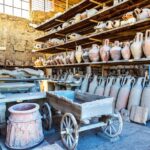
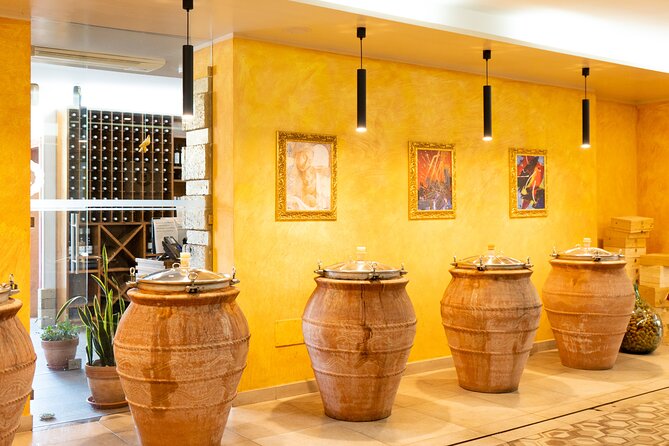
Before you ever taste, you’re taken through the estate in a way that keeps it sensory and grounded. Expect to move from the farmhouse and the vineyard areas into wine-making and refining spaces with barrels and amphorae. Seeing the equipment and storage style in person helps you understand why Roman wine culture wasn’t only about drinking—it was about handling and aging wine in specific containers.
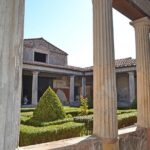
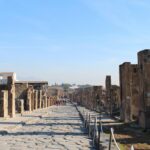
One especially memorable stop is the Necropolis of 79 AD on the property. It’s not a random add-on. It reinforces the idea that Pompeii’s story isn’t frozen in time. The estate is presented as a place where you can connect history, cultivation, and wine production all in one visit.
Potential drawback: because you’re doing a property walk plus tasting plus lunch, you’ll want to dress for a slow-to-moderate pace. It’s not described as a sprint tour, but it also isn’t a “sit only” experience. Bring comfortable shoes and plan to enjoy the time on site rather than rushing.
Four Wines and One Sparkling: What the Tasting Actually Gives You
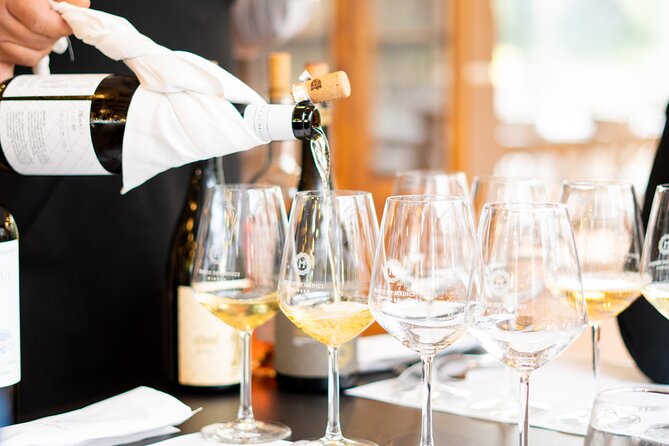
The tasting is built around structure. You sample 4 wines plus 1 sparkling wine, and you do it with an expert-led approach rather than a free-for-all “try whatever you want.” That guided element is the difference between tasting as a casual activity and tasting as a learning experience.
Here’s how you’ll feel it in practice:
- You’ll likely start your palate education early in the cellar area, before the heavier lunch courses.
- As the tasting goes on, you can pick up how flavors shift when paired with different foods (especially once the meal begins).
- The winemaking context you saw—amphorae and barrels—gives your brain a framework. Without that, you’re just describing tastes. With it, you start connecting taste to process.
If you care about wine, this is a nice “on-ramp.” If you don’t care about wine details, it still works because the wines are presented as part of a whole Roman flavor story. And yes, bottled water is included, which means you can taste more than one thing without playing dehydration roulette.
The Food Plan: Ancient Pompeii Lunch, Course by Course

This is where the tour feels most like value. The lunch is included, and it’s not just a sandwich.
It starts with a cellar welcome: DOP olive oil tasting with bruschetta. That’s a smart first move. Olive oil is one of the most practical food lessons you can get in Italy. Once you taste it neat and then with bread, you get a clean baseline for how the meal’s flavors are going to behave—salty, herbal, and bright rather than heavy.
Then you’ll move through a 3-course sequence inspired by Ancient Pompeii recipes:
Starter: Hordeum salad with shrimp
You’ll get Hordeum salad with shrimp, garden vegetables, and a brewed sauce. It’s a seafood-first entry that keeps the meal from turning too fast into “just meat and starch.” The brewed sauce also suggests layered seasoning rather than plain toppings, which helps this salad feel designed for the Roman theme.
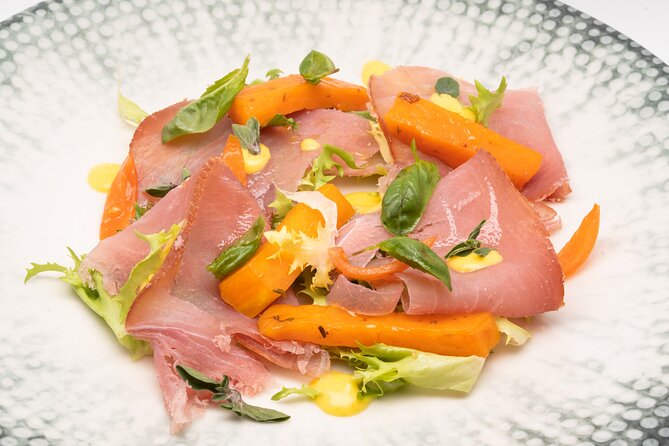
First course: Smoked tuna with citrus and pumpkin
Next comes smoked tuna with mesclun, citrus sauce, and pumpkin in bittersweet. The interesting part is the pairing: smokier fish with citrus and bittersweet elements. That kind of contrast is exactly what makes old-style cooking recipes feel alive today. You’re getting flavors that don’t just repeat themselves—they play against each other.
Second course: Suckling pig with wild herbs
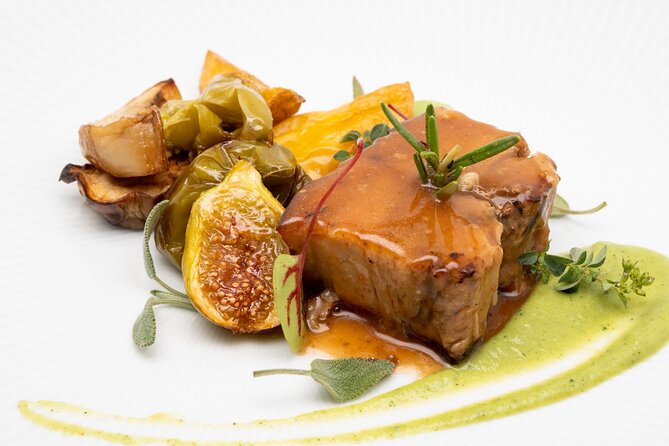
Then you’ll get suckling pig with wild herbs and seasonal vegetables. This is the course where the tour leans fully into tradition and richness. If you’ve ever eaten Italian pork at a celebration meal, you’ll recognize the vibe: hearty, herb-driven, and meant to be shared.
One consideration: if you don’t eat pork, you should check dietary options when booking. The only explicitly stated option here is vegetarian, so it’s best to flag needs clearly at the time of reservation.
Dessert: Ancient wheat cake with wild fruits
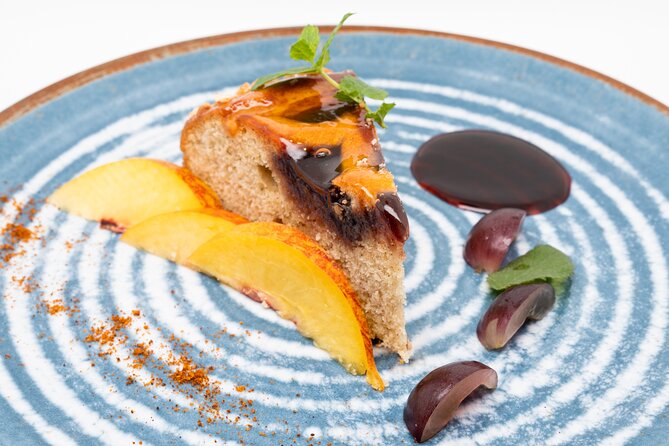
Dessert is an ancient wheat cake with wild cherries, blackberries, and black currants. Wheat-forward sweets are an easy way to keep the whole menu coherent. The fruit selection also helps—tart berries and dark currant notes keep it from being just sugary.
Price and Value: Is $78.10 Worth It in Pompeii?
At $78.10 per person for about 2 hours, the best way to judge this isn’t by the wine alone. It’s by what’s packed together and what’s included.
You’re getting:
- A private tour
- Wine tasting (4 wines + 1 sparkling)
- Food tasting and a full 3-course lunch
- DOP olive oil tasting with bruschetta
- Bottled water
- Gratuities included
What you’re not getting is hotel pickup/drop-off. That matters because the “effective cost” can rise if you need taxis to keep your schedule. Still, if you’re already in the Pompeii area, this price can feel like a bargain compared to paying separately for a winery experience plus a sit-down meal.
The time is also realistic. About 2 hours means you can fit it into a Pompeii day without sacrificing the rest of your itinerary. And because it’s private, you’re not stuck waiting for the slowest group in history.
Logistics that actually help (meeting point and timing)
The tour starts at Via Antonio Segni, 41, 80045 Pompei NA, Italy and ends back at the same meeting point. So you’re not dealing with a one-way transfer to who-knows-where. That’s a small thing, but it makes planning easier.
The listed opening hours show Monday from 11:00 AM to 1:00 PM (within the broader operating dates). English is offered, and you’ll receive confirmation at booking.
Also, you’ll use a mobile ticket, which is convenient when you’re hopping between sites and trying not to misplace paper.
Who This Tour Suits Best (and who should think twice)
This is a great fit if you want Pompeii in a different flavor. I’d steer you here if:
- You like food and wine experiences that come with context
- You want an expert to explain what you’re tasting while you taste it
- You’re planning a Pompeii day and want something structured but not exhausting
It may be less ideal if:
- You only want a history walkthrough and nothing to do with wine or lunch
- You dislike multi-course meals
- You’re looking for a very long experience. Two hours goes fast once tasting and courses begin
Should You Book Sipping History: Discover Ancient Roman Wines?
If your goal is a Pompeii experience that goes beyond ruins and into real sensory culture, I think this is a strong yes. You get private attention, a guided four-wine tasting, and a full Ancient Pompeii–inspired meal all in about 2 hours. That combination is what makes the price feel fair.
One final nudge: because there’s no hotel pickup, make sure you can reliably reach Via Antonio Segni, 41 on time. If you can, book it. If you can’t, you’ll spend more energy on logistics than on wine and lunch—and you didn’t come to Pompeii for that.
FAQ
How long is the tour?
The experience lasts about 2 hours.
What does the $78.10 price include?
It includes the private tour, gratuities, food and wine tasting, bottled water, and admission ticket.
What is not included?
Hotel pickup and drop-off are not included.
Where is the meeting point?
Via Antonio Segni, 41, 80045 Pompei NA, Italy. The tour ends back at the same meeting point.
What language is the tour offered in?
The tour is offered in English. A multi-lingual guide may operate the experience.
Is this a private tour?
Yes. It’s a private tour/activity, and only your group participates.
What do you eat and drink during the experience?
You start with DOP olive oil tasting with bruschetta, then enjoy a 3-course lunch: Hordeum salad with shrimp, smoked tuna with citrus sauce and pumpkin in bittersweet, suckling pig with wild herbs, and an ancient wheat cake dessert. You’ll also taste 4 wines plus 1 sparkling wine.
Is there a vegetarian option?
Yes, a vegetarian option is available. You should advise at booking.
Can I bring a service animal?
Service animals are allowed.
Is the experience refundable or changeable?
No. It’s non-refundable and cannot be changed for any reason.
What are the opening hours?
The listed opening hours show Monday from 11:00 AM to 1:00 PM (within the overall operating dates).