REVIEW · POMPEII
Discover the Ancient Ruins of Pompeii: Day Trip from Rome
Book on Viator →Operated by Greenline Tours · Bookable on Viator
Pompeii hits hard, even in one day. This Rome-to-Pompeii trip pairs big ancient sights with real-world logistics: a coach ride through Campania, guided time inside the UNESCO ruins, and a return to Rome the same day.
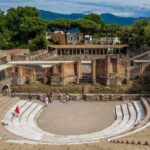
What I like most is the chance to see the city’s layout with an archaeologist guide, including major landmarks like the Teatro Grande (the huge 5,000-seat amphitheater) and the neighborhoods buried under Vesuvius’ AD 79 ash. I also like that lunch is included at a Pompeii-area restaurant, so you’re not scrambling for food halfway through an already long day.
One drawback to weigh is the pacing: this is a multilingual tour and it can slow down when explanations are repeated in more than one language. Add limited time in the ruins (about two hours) plus optional craft stops, and you might feel you spent more time on the coach than you hoped.
In This Review
- Key highlights worth knowing
- From Rome to Pompeii: a long day with a clear payoff
- The morning start: meeting point, timing, and how to be ready
- The drive through Campania: Montecassino, towns, and a Naples detour
- Pompeii ruins: what you’ll actually see in about two guided hours
- Teatro Grande and the AD 79 story
- Physical reality check
- The lunch break in Pompeii: included, but quality can swing
- Craft stops and shopping time: useful if you want it, wasteful if you don’t
- Naples by bus: views depend on where you sit (and what you expect)
- Guide quality and language pacing: the multilingual factor
- My practical advice
- Who this tour suits best (and who should consider alternatives)
- Value for your money: what you’re paying for
- The practical bottom line on logistics
- Should you book this Pompeii day trip from Rome?
- FAQ
- Where is the meeting point for the Pompeii day trip?
- Is Pompeii entrance included?
- How long is the whole tour?
- Is lunch included, and are drinks included too?
- Is the tour in English only?
- How much time do we spend at Pompeii?
- Is pick up and drop off included?
- How large are the groups?
- What if weather is poor?
- What is the cancellation window?
Key highlights worth knowing
- Archaeologist-led Pompeii walk focused on the city’s standout monuments
- UNESCO World Heritage ruins with the AD 79 eruption story as the through-line
- Coach comfort and small-group feel, with a maximum group size stated as up to 25
- Lunch included in Pompeii, but drinks are not
- Scenic Campania route, often with photo stops like the Abbey of Montecassino
- Built-in craft/shops time that some people love and others skip if they can
From Rome to Pompeii: a long day with a clear payoff
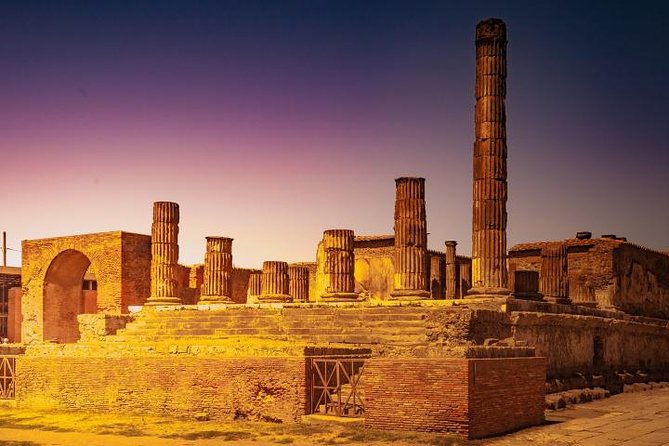
Let’s be honest: day trips to Pompeii are marathon tours, not gentle strolls. You’re leaving Rome early and spending most of the day in motion—then you trade that bus time for the real reason you came: standing inside a Roman city that became a time capsule.
The value here is the mix of structure and convenience. You get a guided visit to Pompeii with an entrance ticket included, and you get lunch arranged so the day doesn’t fall apart after arrival. The coach ride also reduces planning stress. Instead of coordinating rail connections and transfers, you show up, get on the bus, and spend your energy on the ruins.
Just keep your expectations realistic about the time split. You’re not buying a slow, do-it-all Pompeii experience. You’re buying a guided hit of the city’s most important spaces.
You can also read our reviews of more tours and experiences in Pompeii.
The morning start: meeting point, timing, and how to be ready
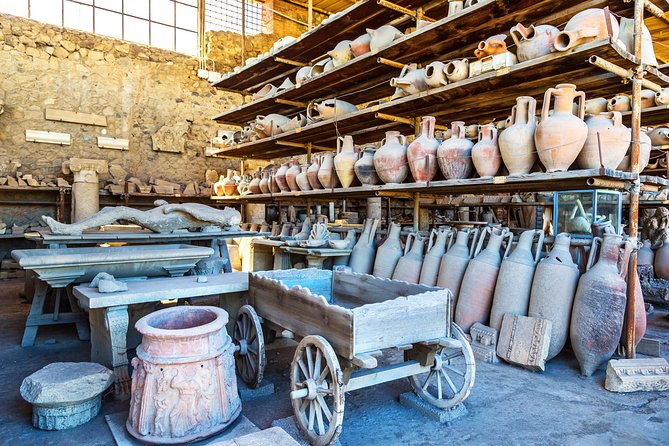
The trip starts early, with a start time of 7:15 am. The meeting point is Via Giovanni Amendola, 32, 00185 Roma RM, Italy. The tour description also notes you can sometimes meet your guide near Rome Termini instead, so it’s worth double-checking what your exact departure includes.
Since you’ll be on a coach for a while, I’d treat the morning like a commute with a mission. Wear shoes that handle uneven ground—Pompeii is not a polished museum floor. And if it’s warm, plan for heat. Even when there’s some shade among the ruins, there are exposed stretches.
If you’re hoping for hotel pickup, don’t assume it’s guaranteed for every departure. The tour features mention convenient hotel pickup/drop-off at select Rome hotels, while the booking details list pick up and drop off as not included. In practice, the safest plan is to be ready to meet at the stated location.
The drive through Campania: Montecassino, towns, and a Naples detour

The route south is part of the experience. On the way, you may stop at the Abbey of Montecassino, perched dramatically on a rocky hill. It’s a good break for photos and legs before the long climb and walk later at Pompeii.
As you go deeper into the region, the day often includes views of places connected to the wider Roman world. You’ll pass towns such as Ercolano (linked to the ancient site of Herculaneum), and you’ll go through areas like Torre del Greco and Torre Annunziata—mostly as passing scenes, not big on-site stops.
Then comes Naples. Many versions of this day trip include some form of Naples sightseeing, but it’s usually limited from the road because you’re traveling by coach and dealing with traffic. Some people end up feeling they barely got to see anything beyond driving by streets, while others are fine with the quick orientation. Either way, it’s a time block you should expect to be “part of the day,” not the highlight.
Pompeii ruins: what you’ll actually see in about two guided hours
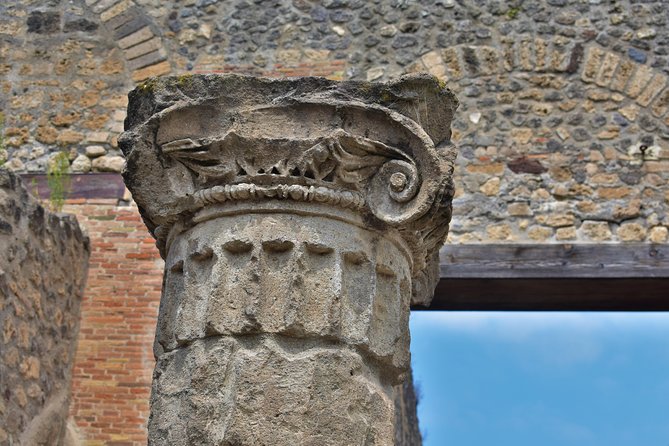
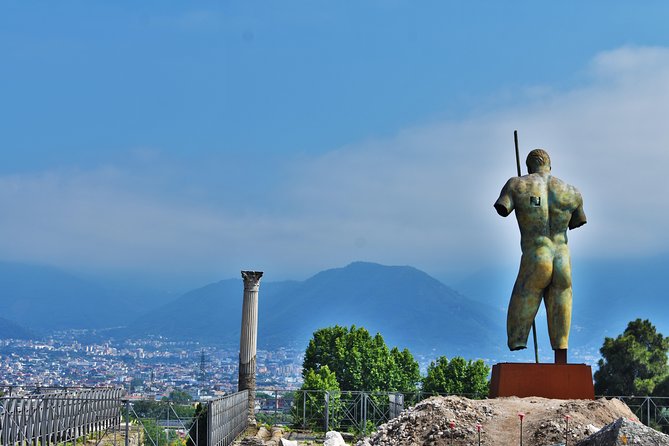
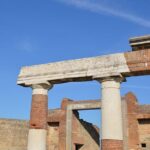
This is the heart of the tour: Pompeii’s archaeological park with a guided focus on the sites most people dream about. The ruins are UNESCO-listed, and the guide connects what you’re seeing with how the city was overwhelmed by Vesuvius in AD 79.
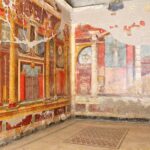
You’ll spend roughly two hours in Pompeii on an included guided visit. That time is short enough that the order and pacing matter. In that window, you can expect highlights like the Villa dei Misteri, the Temple of Apollo, and the House of the Fauno. You also get context for how daily life functioned—streets, public spaces, and the way buildings reveal social rank and wealth.
Teatro Grande and the AD 79 story
One standout detail is the visit’s attention to the scale of public entertainment. The Teatro Grande is the kind of place that makes the disaster story feel real: a space designed for crowds, later preserved under volcanic ash. When the guide ties the eruption timeline to the evidence in the excavation areas, Pompeii stops being a list of ruins and starts feeling like a city that once had noise, schedules, and drama.


Physical reality check
Pompeii requires moderate physical fitness. You’ll walk over uneven surfaces, deal with stairs, and move through outdoor areas with limited shade. In hot weather, it can feel like a long walk even when you’re in “short” guided sections. Bring water if you can (drinks aren’t included), and consider a light layer for dust and wind.
The lunch break in Pompeii: included, but quality can swing
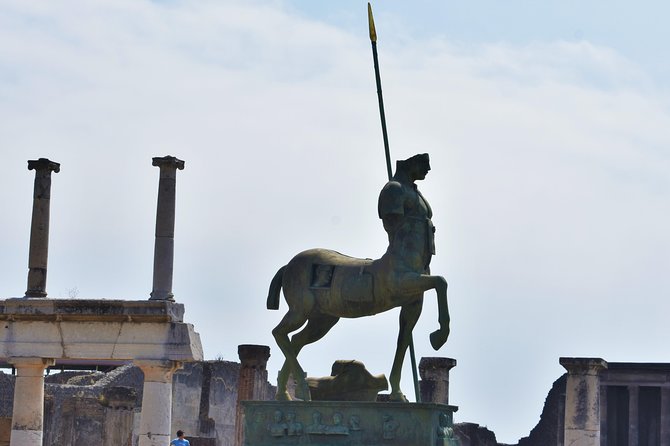
Lunch is included and it happens in Pompeii at a local restaurant. This is a practical win because you’re not searching for a meal with a schedule counting down to your coach time.
The catch is that lunch experiences can vary. Some people describe it as delicious and a genuinely pleasant break. Others call the restaurant experience disappointing, slow, or not worth the time, and a few mention trouble with the lunch menu—especially around seafood.
If you have allergies, this is the moment to be proactive. The day includes a structured meal stop, so don’t wait until you sit down to clarify ingredients. Ask questions early, and if seafood is an issue, raise it before ordering.
Also remember: drinks are not included. If coffee, water, or soft drinks matter to you, budget for them.
Craft stops and shopping time: useful if you want it, wasteful if you don’t
After Pompeii—and sometimes on the broader route—there can be a stop connected to coral or cameo craft. The idea is to show how items are made, and there’s usually time to shop.
Not everyone loves this part of the itinerary. Some people see it as interesting and quick. Others feel it eats into time better spent in Naples or back near Pompeii. If shopping isn’t your thing, treat these stops as optional-value add-ons. You can decide in the moment whether it’s worth browsing or whether you’d rather save your energy for later.
Naples by bus: views depend on where you sit (and what you expect)
If Naples sightseeing is included, it can range from a quick street-level glance to more of a traffic-run with occasional pointers from the guide. From a coach window, you won’t get the kind of close-up sightseeing you’d get on foot.
If your top priority is seeing Naples well, you may feel unsatisfied by this format. If your priority is simply to check the city off while you travel between Rome and Pompeii, you’ll likely be fine.
One practical tip: sit where you’ll have the best chance to see what the guide points out. If the guide is only describing details from the front of the coach, people seated farther back will catch less.
Guide quality and language pacing: the multilingual factor
This is an English-offered tour, but it’s also a multilingual setup. That matters more than people think. When your group shares a coach and the guide delivers information in multiple languages, explanations can take longer and your walking time inside Pompeii can feel tighter.
Guide skill also varies. Some names come up in the past: Guido appears as a guide in some Pompeii/coach combinations, and Nandio comes up as a guide tied to an upbeat, well-managed Pompeii experience. That doesn’t mean every departure matches those outcomes, but it does underline one point: your day hinges on how smoothly the multilingual delivery works.
My practical advice
If you rely heavily on spoken detail, consider bringing your own “Pompeii must-know list.” Even if the guide goes bilingual, you’ll be able to follow the key spaces and facts. And if you’re easily distracted by hearing only part of the narration, know that the pace may feel slower than you expect.
Who this tour suits best (and who should consider alternatives)
This Pompeii day trip suits you if you want a structured, low-planning route with guide-led highlights and included admission. It’s also a good fit if you value coach comfort and a scheduled lunch.
It may not suit you if:
- you want a deep, self-paced Pompeii exploration
- you get frustrated when multilingual explanations slow the group down
- you dislike shopping/craft stops
- you want a lot of unstructured time to roam at the end
If you’re the type who loves going off-script, you might prefer a more flexible arrangement (train + timed site entry) so you control how long you stay inside Pompeii. With this tour, the ruins time is tightly managed.
Value for your money: what you’re paying for
Even without a price listed here, you can judge value based on what’s bundled:
- Transport by air-conditioned coach (stated maximum group size up to 50 in one part, and up to 25 in another detail)
- Local guide
- Lunch included
- Pompeii entrance ticket included
The cost is mostly for convenience, timing, and interpretation. You’re not just buying a ticket to see rocks—you’re buying someone to connect the site to the eruption story and point out where to look.
The trade-off is that included convenience often means included stops, including Naples and sometimes craft shopping. If you accept that trade, this tour can be a strong way to make Pompeii happen without a lot of planning.
The practical bottom line on logistics
Here’s what can make or break the day:
- Time in Pompeii is limited (about two hours guided). You’ll see major sites, not the entire city.
- Heat and walking are real. Pompeii’s outdoors and uneven ground don’t care about schedules.
- Language pacing can make the day feel slower.
- Lunch quality can vary. If you have dietary needs, ask early.
- Naples sightseeing can feel like a bonus or a time filler depending on your expectations.
Should you book this Pompeii day trip from Rome?
Book it if you want a guided, straightforward Pompeii visit that includes entrance and lunch, and you’re okay with a long travel day. It’s an efficient way to see the big hitters and learn the story behind what happened in AD 79.
Think twice if you want lots of free time inside Pompeii, prefer English-only explanations, or don’t want extra shopping stops. In that case, you’ll likely enjoy a more self-directed plan that gives you control over the pace.
FAQ
Where is the meeting point for the Pompeii day trip?
The meeting point is Via Giovanni Amendola, 32, 00185 Roma RM, Italy. The start time is 7:15 am.
Is Pompeii entrance included?
Yes. The admission ticket to the Pompeii ruins is included.
How long is the whole tour?
The duration is approximately 13 hours.
Is lunch included, and are drinks included too?
Lunch is included. Drinks are not included.
Is the tour in English only?
The tour is offered in English, but it is also described as a multilingual tour.
How much time do we spend at Pompeii?
Pompeii includes about 2 hours in the archaeological park with the admission ticket included.
Is pick up and drop off included?
Pick up and drop off are listed as not included in the booking details. The tour features mention convenient pickup/drop-off at select Rome hotels, so it may depend on the departure.
How large are the groups?
The tour states a maximum of 25 travelers. Other details also mention a coach maximum of up to 50 people.
What if weather is poor?
This experience requires good weather. If it’s canceled due to poor weather, you’ll be offered a different date or a full refund.
What is the cancellation window?
Free cancellation is available up to 24 hours in advance of the experience start time for a full refund. Canceling within 24 hours does not provide a refund.