REVIEW · ROME
The ancient aqueducts of Rome
Book on Viator →Operated by Underground Rome · Bookable on Viator
Rome’s water story is written in stone. This tour takes you into Parco degli Acquedotti near the Appia Antica area, where Roman engineers left behind aqueducts you can actually read in the ruins. You’re not stuck in a crowded photo line.
I love that you pass seven aqueducts in a compact park, so the timeline of Roman water feels clear instead of random. I also love the way the guides bring the site to life, with archaeologist-level storytelling and lots of room for questions (I’ve seen guides like Giuseppe, Riccardo, and Liviana turn details into real understanding).
One thing to consider: it’s a walk in an outdoor archaeological park, so you’ll want solid comfortable shoes and good weather. If conditions aren’t great, the experience can be rescheduled or refunded.
In This Review
- Quick hits before you go
- Why Rome’s aqueducts feel different in Parco degli Acquedotti
- Meeting points: Giulio Agricola to Lucio Sestio
- The core experience: seven aqueducts on one walk
- 1) The aqueduct line tied to 144 BC and later reuse
- 2) Pope Sixtus V and the aqueduct built around 1500 AD
- 3) Where underground water still leaks
- 4) The “Water Giant” stretch: height and the healthiest supply
- 5) The Anio Vetus: Claudius and the highest line
- What you learn (and why it sticks)
- The park vibe: quieter Rome, locals in motion
- Walking comfort and pace: what to plan for
- Guide experience: archaeologists, strong English, and real Q&A
- Price and value for a small-group, high-focus tour
- Who this aqueduct walk is best for
- Should you book this tour
- FAQ
- How long is the tour?
- What is the price per person?
- Is the tour offered in English?
- How many people are in the group?
- Where do I meet the tour, and where does it end?
- Do I get a mobile ticket?
- What should I wear?
- Is the experience dependent on weather?
- What is the cancellation policy?
Quick hits before you go
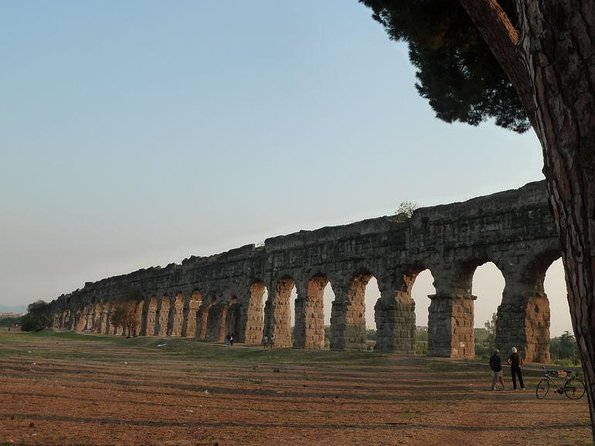
- Seven aqueducts in a few hectares at Parco degli Acquedotti, which makes the park unusually powerful for aqueduct lovers
- Water still has a job here: you can see leaks from the underground portion of a later aqueduct
- Different eras side-by-side from 144 BC reuse to Pope Sixtus V’s later rebuilding using older arches
- Real quiet and local life in a park used by locals for biking, jogging, and relaxing
- Small groups (max 10) so your questions don’t get buried
- Mobile ticket + English guide for an easy, straightforward plan
Why Rome’s aqueducts feel different in Parco degli Acquedotti
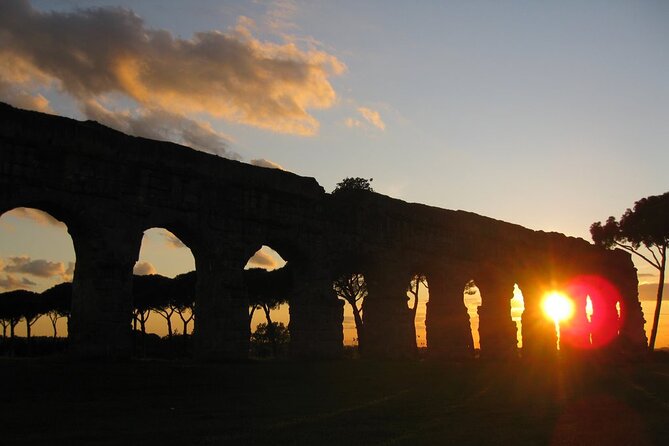
Most Rome tours are built around the big center-and-stone hits. This one takes you to the other side of the story: how Rome kept millions alive with water. In the Parco degli Acquedotti, you’re walking among ruins that were once practical infrastructure, not just monuments.
What makes this area especially satisfying is concentration. You’re not bouncing between scattered viewpoints. You’re moving through a park where multiple aqueduct lines overlap in your field of view, so you can spot how Roman engineering evolved over centuries. And because it’s outside the usual tourist lanes, you get that calmer rhythm—locals moving through the park while you stand in the same sunlight that warmed the ancient stones.
You can also read our reviews of more tours and experiences in Rome.
Meeting points: Giulio Agricola to Lucio Sestio
You start at Giulio Agricola (00174 Rome) at the metro area, and the experience begins with a short snack with the group. That matters more than you’d think. You’re heading into a park walk, and having a quick bit of food before you settle in makes the pacing easier.
The tour ends near Lucio Sestio (00174 Rome). This is handy if you like finishing close to metro connections instead of trekking back through the city. It’s also a nice way to experience the “Roman edge” of the historic area without committing to a full-day excursion.
The core experience: seven aqueducts on one walk
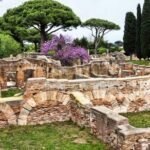
The heart of the tour is Parco degli Acquedotti – Parco Archeologico dell’Appia Antica. Here you’ll pass through a small area where the park showcases multiple Roman aqueducts. That’s rare. It turns what could be a lecture into something you can follow with your eyes.
Expect the guide to pace the group between viewpoints and structure points. You’ll learn how each aqueduct fits into the water supply system, why some were rebuilt or reused, and what the ruins mean in practical terms. You’re walking, but it’s not marathon-style. The goal is to stop, look, and connect the engineering dots.
1) The aqueduct line tied to 144 BC and later reuse
One of the earliest stories you’ll hear centers on an aqueduct built around 144 BC. The interesting twist is that it wasn’t treated like a dead project. Part of it remained in use for a long time, and later it was reused when new infrastructure took over—specifically because it fed into or was supplemented by the Felice aqueduct system.
For you, this kind of timeline is what makes the walk worth doing. Instead of seeing “old bridges” with no context, you start understanding reuse as a Roman habit. Aqueducts weren’t just built once and abandoned. They were maintained, adapted, and repurposed as Rome changed.
2) Pope Sixtus V and the aqueduct built around 1500 AD
Next comes a later chapter. You’ll see an aqueduct linked to Sixtus V, who is often connected with the Pope Felice name in this story. This aqueduct was built around 1500 AD and, crucially, it reused older arches from the Marcio aqueduct.
This is one of those details that makes the site feel real. It shows how later engineers didn’t start from scratch. They worked with what already stood. If you look closely, you’ll often notice how reused arches create a physical “patchwork” effect in the ruins.
3) Where underground water still leaks
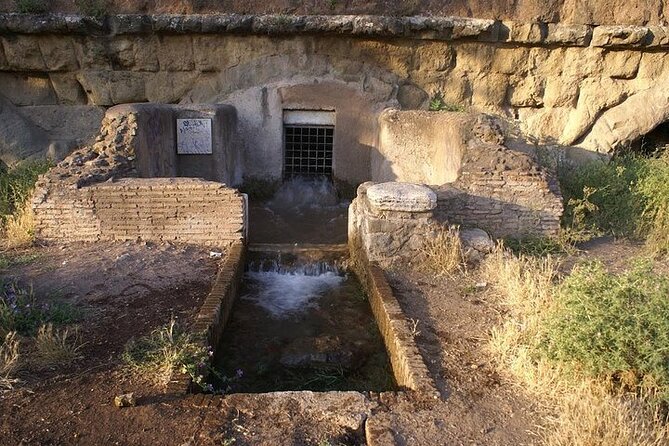
You also get a rare kind of moment: the guide points out the underground portion of this later system that still works. You can see water leaking from the canal. It’s not just a cool photo moment. It’s a reminder that Rome’s water logic kept going after the centuries everyone thinks are the end of the story.
For photographers and curious minds, this is gold. For everyone else, it gives the tour a pulse—this is living infrastructure history, not only archaeology behind ropes.
4) The “Water Giant” stretch: height and the healthiest supply
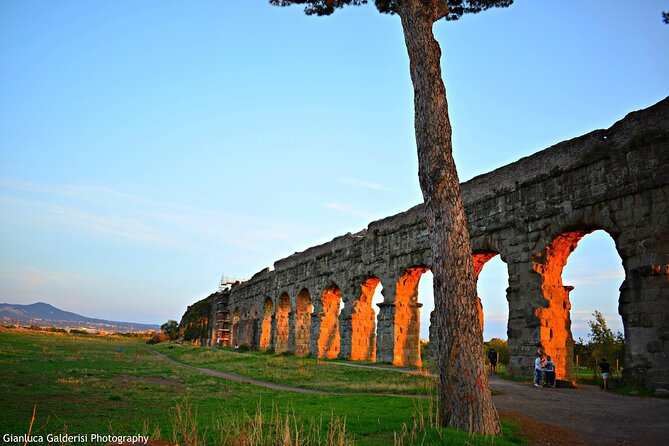
Another highlight is the aqueduct described as having the healthiest water, and also being built at a height that let it supply water across Rome. In the ruins, the guide points out how the arches can rise very high—reported at some stretches up to around 30 meters.
That’s why it earns the nickname Water Giant in the way the story gets told. You’re standing in front of the scale that made distribution possible. In plain terms: height wasn’t just for impressing people. Height was the engineering trick that helped water move where it needed to go.
5) The Anio Vetus: Claudius and the highest line
Finally, you’ll hear about the Anio vetus aqueduct, associated with Emperor Claudius. It’s described as the highest in absolute among the 11 aqueducts that supplied Rome. That ranking changes how you view the ruins.
When you know an aqueduct was at the top of the whole system, you stop looking only at aesthetics. You start reading it like a diagram: how elevation shaped flow, how routes had to fit the terrain, and how this network was a huge logistics game.
What you learn (and why it sticks)
This tour works because the information is tied directly to what you’re seeing. You’re not just hearing a timeline. You’re building a map in your head: 1) where water started, 2) what arches and height made possible, and 3) how later centuries reused earlier structures.
Here are a few learning outcomes you’ll likely walk away with:
- Reuse was normal: early infrastructure didn’t disappear when new aqueducts arrived
- Water quality mattered: the story includes the aqueduct associated with the healthiest supply
- Gravity did the heavy lifting: height and routing are the real stars of the engineering
- Power, politics, and building plans are connected: the later Pope-era rebuilding fits into that bigger story
And the guides tend to explain in ways you can follow on your feet. Some guides use charts, photos, and humor. Others bring an archaeologist’s attention to small construction details—like how stonework, arches, and joins hint at different build phases.
The park vibe: quieter Rome, locals in motion
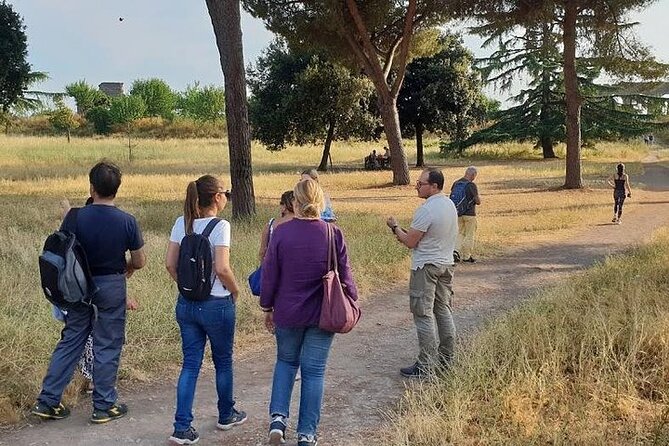
You’re in a natural park where locals cycle, jog, and relax. That local presence is part of the point. You’re not only walking through ancient stones; you’re also seeing how this corner of Rome lives today.
A lot of the best moments come from timing and atmosphere. When the sun drops, the aqueducts look even more dramatic against the open sky. One review-style detail you’ll likely relate to: it can feel peaceful, like you escaped the noise for a couple hours, without actually leaving Rome behind.
Walking comfort and pace: what to plan for
It’s a two-hour experience, and you’ll be on your feet in outdoor areas with archaeological structures. The practical advice is simple:
- wear comfortable shoes
- bring a day-appropriate layer if the weather changes
- plan for an outdoor stop-and-look rhythm
Most people can participate, and the tour has a maximum of 10 travelers. That small group size helps with pace and questions. It also makes the tour feel less like a bus ride and more like a guided walk where you actually notice things.
Guide experience: archaeologists, strong English, and real Q&A
The guides linked to this experience tend to be serious about the subject. You’ll hear names like Joseph, Giuseppe, Riccardo/Ricardo, Liviana, and Mauricio. What connects them is an ability to explain without turning it into a dry lecture.
In particular, I think you’ll appreciate:
- guides who answer questions patiently
- guides who balance big-picture history with practical details
- guides who point out features you’d miss on your own
If you like asking why something was built a certain way, this tour is set up for that. And if you like a guide who can connect engineering to daily life in Rome, you’ll get that too.
Price and value for a small-group, high-focus tour
At $96.38 per person for about 2 hours, you’re paying for more than “a walk in a park.” The value comes from:
- a tightly focused route through multiple aqueduct structures
- a small group size (max 10)
- an English-speaking guide who can explain what you’re looking at
- standout visuals like the height of the arches and the story of ongoing water leakage
Is it the cheapest thing you can do in Rome? No. But it’s not trying to compete with big, crowded sites either. This is a specialized experience that trades “famous crowds” for “deep clarity.” For many people, that feels like better Rome time.
Booking tends to happen in advance (on average about 57 days). If your dates are firm, I’d secure it sooner rather than later, especially since the experience depends on good weather.
Who this aqueduct walk is best for
This tour is a strong fit if you:
- want a Roman experience beyond the classic Colosseum–Pantheon loop
- enjoy engineering, architecture, and how systems worked
- like quieter spots where you can hear yourself think
- travel with kids, curious adults, or history lovers who like hands-on context
- want a guided walk where you can stop often and ask questions
It’s also a great “reset” tour at the end of a Rome week. It’s structured, but it doesn’t feel like one more sprint through another pile of stone.
Should you book this tour
I’d book it if you want Rome’s water system explained in a way you can actually see. The park setting, the concentration of aqueducts, and the guide-led storytelling make it feel like a real education, not a generic sightseeing loop.
Skip it (or at least rethink your timing) if you know you don’t do well with outdoor walking on uneven archaeological ground. And check the weather. This experience requires good weather, and if it can’t run, you’ll be offered another date or a full refund.
If you’re aiming for something that feels authentic, less crowded, and very specific, this one delivers.
FAQ
How long is the tour?
It lasts about 2 hours.
What is the price per person?
The price is $96.38 per person.
Is the tour offered in English?
Yes, it’s offered in English.
How many people are in the group?
The tour has a maximum of 10 travelers.
Where do I meet the tour, and where does it end?
You start at Giulio Agricola (00174 Rome) at the metro stop, and the tour ends near Lucio Sestio (00174 Rome).
Do I get a mobile ticket?
Yes. The tour uses a mobile ticket.
What should I wear?
Wear comfortable shoes since you’ll be walking in the park.
Is the experience dependent on weather?
Yes. It requires good weather. If it’s canceled due to poor weather, you’ll be offered a different date or a full refund.
What is the cancellation policy?
You can cancel for a full refund up to 24 hours in advance. If you cancel less than 24 hours before, the amount paid is not refunded.