REVIEW · MUMBAI
Bombay Fort Heritage Walking Tour
Book on Viator →Operated by Reality Tours & Travel Pvt Ltd · Bookable on Viator
A morning walk that adds up fast. This South Mumbai heritage tour threads together big-name landmarks and everyday street life, with a local guide steering the story as you move. You get free water or a cold drink to keep things comfortable while you’re on your feet.
I especially like how the tour mixes architecture and real city life. One minute you’re looking at iconic waterfront details, and the next you’re standing near spots locals use for daily routines like games at the cricket field.
The one drawback to plan around is simple: there’s no hotel pickup, so you need to show up on time at the Colaba meeting point and be ready to walk for about three hours (including temple stops where dress needs to be modest).
In This Review
- Key things to know before you go
- Why this South Mumbai Heritage walk makes sense
- Your 9:00am start in Colaba (and how to not stress)
- Gateway of India: the waterfront first impression you’ll remember
- Fort and Kala Ghoda: older stone, better context
- Oval Maidan: cricket life, open views, and big institutions
- St. Thomas Cathedral: a UNESCO-level pause and a cool drink break
- Chhatrapati Shivaji Terminus: beauty, global fame, and real-world tragedy
- Markets, temples, and the day’s in-between moments
- Price and value: what $29.21 gets you in real terms
- What to wear, what to bring, and how to get the most out of it
- Who this tour fits best (and who might want another option)
- Should you book the Bombay Fort Heritage Walking Tour?
- FAQ
- What time does the tour start?
- Where is the meeting point?
- How long is the walking tour?
- What is included in the price?
- What should I bring or wear?
- Is there a cancellation option?
Key things to know before you go
- Small-group cap (max 25) keeps it conversational, not lecture-style.
- Free water or a cold drink helps on warm Mumbai days.
- A guide like Chetan brings the landmarks down to street level with clear, friendly explanations.
- A tight route for first-timers covering Gateway of India, Oval Maidan, St. Thomas Cathedral, and CSMT.
- Markets, temples, and back alleys add context beyond the postcards.
- Possible family-home visit can make the experience feel more personal, if it’s part of your day’s plan.
Why this South Mumbai Heritage walk makes sense
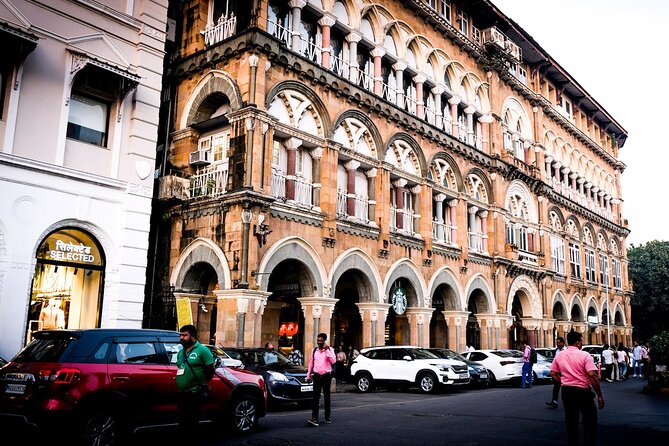
South Mumbai can feel like a mashup of old power and everyday motion. This tour is built for that exact feeling. You’re not just collecting photos of monuments. You’re seeing how the city’s religious, political, and social threads overlap in real neighborhoods.
What makes it work is the format: frequent stops, short pauses to look closely, and time to ask questions. Instead of rushing from one landmark to another, you get a guide who connects what you’re seeing to how people live nearby. Even better, you’re not paying extra for the guide or a drink along the way.
This is also a great “start here” walk if it’s your first time in Mumbai. The route covers the waterfront, the heritage core, and the famous rail architecture in a single morning-long circuit.
You can also read our reviews of more walking tours in Mumbai


Your 9:00am start in Colaba (and how to not stress)
You’ll meet at Regal Cinema, Colaba Causeway, opposite the Chhatrapati Shivaji Maharaj Vastu Sangrahalaya on Apollo Bandar, Colaba, Mumbai. The start time is 9:00am, and the tour ends back at the meeting point.
No hotel pickup means you should treat this like an on-the-ground city stroll, not a “tour bus first, walking later” day. I’d arrive a few minutes early so you can orient yourself and get the mobile ticket ready. It’s also near public transportation, so getting there is usually straightforward compared with tours that dump you in a far-off pocket of the city.
The pace is built for a roughly 3-hour walk. You’ll spend about 20 minutes at each main stop, and then you’ll cover the spaces between them on foot. Bring comfortable shoes, and plan to stay present. Mumbai moves quickly, but the tour gives you reasons to slow down for details.
Gateway of India: the waterfront first impression you’ll remember
The tour kicks off at the Gateway of India, right by the waterfront. This is where Hindu and Islamic architectural styles meet, and it became the first big landmark visitors saw when arriving by boat back in 1924. That arrival-history matters because it explains why the gateway is so emotionally tied to Mumbai’s image of itself.
In a practical sense, this stop is also your setup moment. You’ll orient to the waterfront mood, the scale of the area, and how the heritage zone sits next to modern daily life. It’s a good place to ask your guide what to watch for as you continue.
Potential downside: this is a popular area. If you want the cleanest photos, you’ll do best with patience and timing your shots during pauses, not while everyone is moving at once. The good news is you only need a few minutes to get the angles you care about.
Fort and Kala Ghoda: older stone, better context
Next up is Fort / Kala Ghoda, where you’ll focus on historic architecture and some of the older buildings in Mumbai. This stop is less about one single famous structure and more about reading the neighborhood through the buildings around you.
I like this segment because it shifts you from monument mode into street-and-facade mode. You start seeing how the city’s heritage isn’t just one landmark. It’s built into corners, entryways, and long-established streets.
The tradeoff is that this area rewards close attention. If you’re only skimming for big wow-factor icons, you might feel like you’re seeing “a bunch of buildings.” But if you enjoy architecture and want to understand the shapes of power in the city, this is a strong stop. Your guide’s explanations do a lot of the heavy lifting here.
Oval Maidan: cricket life, open views, and big institutions
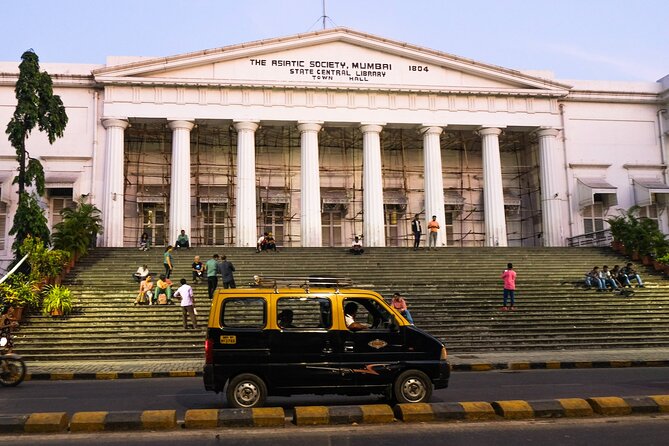
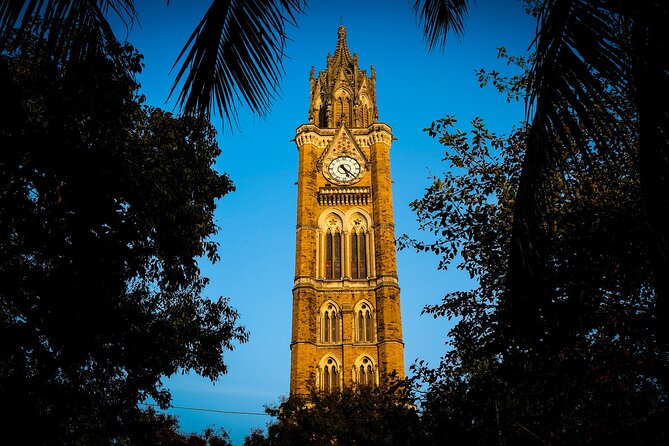
Oval Maidan is where the tour gives you a breather and a sense of scale. It’s the large park where cricket happens at all times of the day, and during the walk you’ll also get viewpoints toward Mumbai University and its clock tower, plus the Rajabhai area and Mumbai High Court.
This is the stop that helps the story click. You’re no longer only looking at heritage structures. You’re seeing how public space runs alongside major institutions. In other cities, plazas are decorative. Here, open ground is part of daily rhythm.
If you like people-watching, this is a good one. You may spot residents relaxing around the cricket maidan and you’ll see how the city uses open space in practical ways, not just tourist ways.
One consideration: it’s a park. On bright days, bring sunglasses and expect strong sun. The tour includes water/cold drink, but your comfort still depends on basic weather planning.
You can also read our reviews of more historical tours in Mumbai





St. Thomas Cathedral: a UNESCO-level pause and a cool drink break
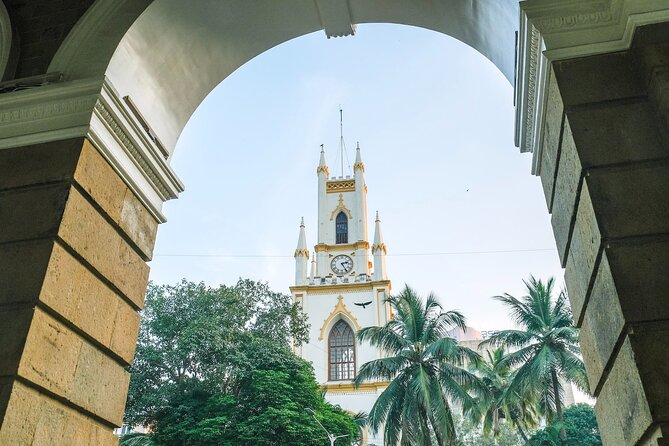
At St. Thomas Cathedral Mumbai, you get a classic church atmosphere with serious age. It’s an Anglican church in use since 1718 and it’s recognized as a UNESCO Heritage Award winning site. This stop gives you a calm beat in the middle of the morning.
Your guide will help you soak up the atmosphere without turning it into a checklist. It also includes time to grab a refreshing lassi nearby, which is a smart move for a warm-weather walking tour.
Temple and church dress rules overlap in spirit even when the faith differs. The overall tour asks you to dress modestly for when visiting temples, so I recommend wearing something you feel good sitting and standing in comfortably during longer pauses. A light layer helps too, just in case.
The only “watch out” here is time. You’re on a set schedule, so if you want longer inside time or you’re photographing heavily, you might have to choose. The stop is about the experience and the story, not an extended visit.
Chhatrapati Shivaji Terminus: beauty, global fame, and real-world tragedy
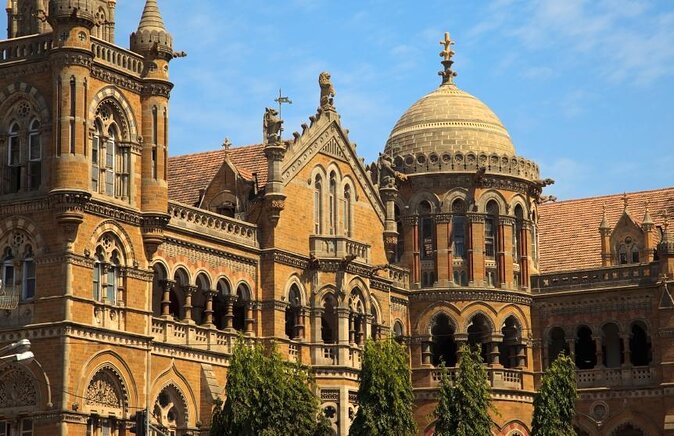
The route ends at Chhatrapati Shivaji Terminus (CSMT), one of Mumbai’s most dramatic railway stations. You’ll hear about its appearance on film and its role during the 2008 Mumbai attacks, when terrorists opened fire at the station.
That sounds heavy, but it’s also part of why the stop hits hard in the best way. You’re not just admiring architecture. You’re learning how a place can carry national attention and difficult memory at the same time.
In architectural terms, it’s a station people compare to famous European rail buildings. But the experience on this tour is more grounded than that. Your guide frames it as a working piece of infrastructure with a layered past. That makes it feel less like a sightseeing object and more like a living city landmark.
If you’re sensitive to difficult history, this is worth knowing ahead of time. The tour gives the context, and you’ll be better prepared for the tone of the stop if you go in expecting something more than postcard admiration.
Markets, temples, and the day’s in-between moments
The main stops are the anchors, but the value comes from what you do between them. The walk goes through Colaba’s local markets, neighborhood temples, and the smaller lanes where you get a real feel for how people move through South Mumbai.
There’s also a chance for a more personal element: you might visit a family home. The wording matters here. It’s a possibility, not a guaranteed promise. If it happens on your day, it’s the kind of moment that can turn a heritage tour into something more human.
You’ll also pause frequently, and the experience includes an opportunity to see residents using public spaces and nearby restaurants. Even the “local life” texture is part of the point: Mumbai’s history lives in daily habits, not in museums alone.
If you’re hoping for nonstop “must-see” stops without any walking between them, note the tour structure. It’s a walking tour through lived-in neighborhoods, so you’ll spend time moving through streets, not only standing at monuments.
Price and value: what $29.21 gets you in real terms
This tour costs $29.21 per person and runs about three hours. For a guide-led experience that covers multiple major heritage landmarks, the price is pretty reasonable—especially because the tour includes a local guide for the full duration and water/cold drink.
Food isn’t included. Still, the itinerary experience suggests pauses that can include snacks and time that lines up with grabbing something to eat after the walking. So you should budget for your own meal or snacks during the day, even if you’re keeping costs reasonable.
The value also improves if you care about explanation. A lot of monument tours give you landmarks with little context. Here, you’re paying for the guide’s storytelling and for the way the route ties together architecture, institutions, and neighborhood rhythms.
Small-group format matters too. With a cap of 25 travelers, you’re more likely to get questions answered and photo pauses that don’t feel frantic.
What to wear, what to bring, and how to get the most out of it
This tour is simple, but it has a few clear rules:
- Wear comfortable shoes for walking.
- Dress modestly when you visit temples.
- You’ll get water/cold drink, but you can still bring a small personal bottle if you prefer.
- Use the mobile ticket when you arrive.
If you’re the type who loves details, bring your phone camera and keep your battery up. If you’re not into tech, bring a small notebook or just bring the attention span. The guide’s explanations are where the value lands.
Also, keep expectations realistic. This is not a bus tour. You’ll want to show up ready to walk, including after the main stops when you’re moving through markets and side streets.
Who this tour fits best (and who might want another option)
You’ll probably love this tour if:
- You want a structured way to learn South Mumbai history and architecture in one morning.
- You like walking routes that include markets and temples, not only monuments.
- You want a guide who can answer questions about the city’s everyday life and big-picture past.
You might consider something else if:
- You hate walking for three hours on mostly city streets.
- You need hotel pickup or full accessibility support beyond what’s described.
- You’re only interested in the single biggest landmark photos and don’t want the slower “neighborhood reading” portions.
Should you book the Bombay Fort Heritage Walking Tour?
If you want a smart introduction to South Mumbai that mixes famous sites with local context, I’d book it. The route hits major anchors like Gateway of India, Oval Maidan, St. Thomas Cathedral, and Chhatrapati Shivaji Terminus, and the guide stops you from treating them like disconnected postcards.
The experience stands out for the way the guide makes the stories approachable, including a friendly, well-structured style you’ll notice with guides such as Chetan. Add the free drink, the manageable three-hour length, and the group size cap, and the overall value feels solid.
Just make sure you’re ready for the key tradeoff: no pickup, real walking, and modest dress for religious stops. If that works for you, this is an excellent way to get your bearings fast and leave with a clearer picture of how Mumbai’s heritage shows up in everyday streets.
FAQ
What time does the tour start?
The tour starts at 9:00am.
Where is the meeting point?
You’ll meet at Regal Cinema, Colaba Causeway, opposite the Chhatrapati Shivaji Maharaj Vastu Sangrahalaya, Apollo Bandar, Colaba, Mumbai.
How long is the walking tour?
The tour lasts about 3 hours.
What is included in the price?
The tour includes a local guide for the entire tour and water or a cold drink.
What should I bring or wear?
Wear comfortable shoes for walking and dress modestly for visiting temples.
Is there a cancellation option?
Yes. You can cancel for a full refund if you cancel at least 24 hours before the experience start time.