REVIEW · VARANASI
Varanasi Half day south and north Heritage walking tour
Book on Viator →Operated by Pintu · Bookable on Viator
Varanasi makes sense on foot. This half-day heritage walk links the Ganges ghats, temple lanes, and everyday street corners with stories from local guide Pintu. I liked how he brings you into the real Varanasi, but one possible drawback is that you’ll also stand near areas connected with Hindu funeral rites.
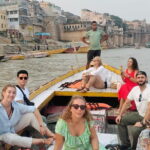
What I really enjoyed is the tight, well-paced route: 3 hours that move through big-name ghats, quiet side streets, and a weaving area for Varanasi saree culture, with a stop for coffee or tea built in. Group size is kept small (max 20), which helps if you want questions answered without a loud crowd pushing ahead.
In This Review
- Key highlights worth your attention
- A 3-hour north-and-south heritage walk with real local context
- Meeting point at Hotel Ganges Grand: where the tour starts cleanly
- Dashashwamedh Ghat and Kedar Ghat: the Ganges, up close and explained
- Harishchandra Ghat: Hindu funeral rituals, handled with care
- Hanuman Ghat and wrestling akhada culture: discipline with spiritual roots
- Kashi Kaamkoteeshwar Mandir and the Shav Shiva Kali Temple lane
- Madanpura and Varanasi saree culture: the craft side of heritage
- Chousatti Ghat and Devi worship: the feminine divine in a street stop
- Lahiri Mahasaya Samadhi: a yoga lineage stop with a quiet tone
- Pintu’s guiding style: how he keeps the walk understandable
- Price and value: what $30 buys you in Varanasi time
- Who this walking tour fits best (and who should be cautious)
- Should you book this Varanasi north-and-south heritage walk?
- FAQ
- How long is the Varanasi half-day south and north heritage walking tour?
- What does the tour cost?
- What language is the guide?
- Where does the tour start, and where does it end?
- What stops are included on the walk?
- Is coffee or tea included?
Key highlights worth your attention
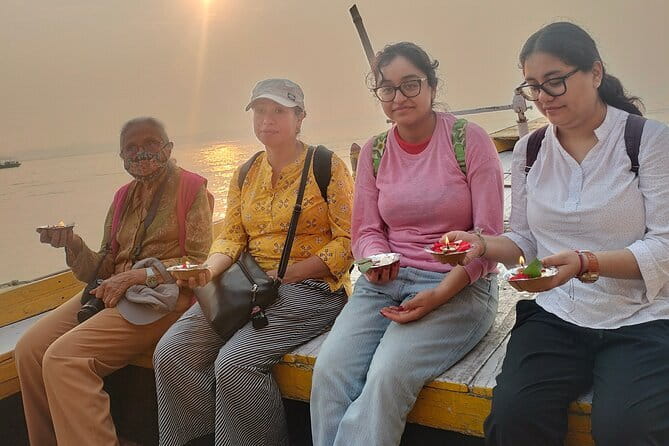
- Local guide Pintu, English and Spanish: the experience is run by a local who explains customs for people from outside India.
- North-and-south Varanasi in one morning: you cover major ghats, temples, and working neighborhood corners.
- Funeral-ghat context at Harishchandra Ghat: you learn what the place means, not just what it looks like.
- Kushti culture at Hanuman Ghat: a wrestling akhada connects sport, discipline, and spirituality.
- Madanpura for Varanasi saree weaving culture: the tour includes a waving/traditional craft focus, not just sightseeing photos.
- A mix of major shrines and quieter stops: Kashi Kamkoteshwar Mahadev Temple, Shav Shiva Kali Temple lane, Chousatti Devi Temple, and Lahiri Mahasaya Samadhi.
A 3-hour north-and-south heritage walk with real local context
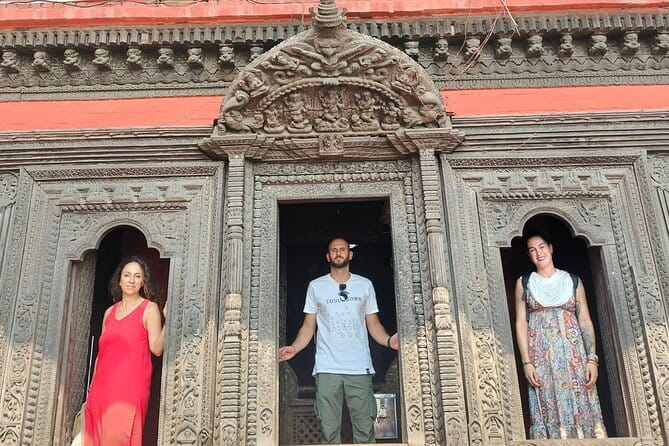
This tour is built for one simple goal: in a place like Varanasi, if you only look, you miss the meaning. The route is designed to connect the riverfront (ghats) to the religious sites and the everyday neighborhood life that keeps the city moving when the cameras pack up.
You start at Hotel Ganges Grand on Dashashwamedh Ghat Road, then walk through the South and North heritage feel of the city in about 3 hours. The pacing matters here. You’re not doing an all-day marathon, but you also aren’t stuck in a quick hit where you barely catch the names of what you’re seeing. You get time to understand why each place matters to worship, family life, and spiritual practice.
And yes, it’s a walking tour. Plan for a lot of looking, turning your head, and paying attention to details you’d usually walk past—like how temples sit inside narrow lanes, or why certain ghats feel different from one another even though they all line the Ganges.
You can also read our reviews of more walking tours in Varanasi


Meeting point at Hotel Ganges Grand: where the tour starts cleanly
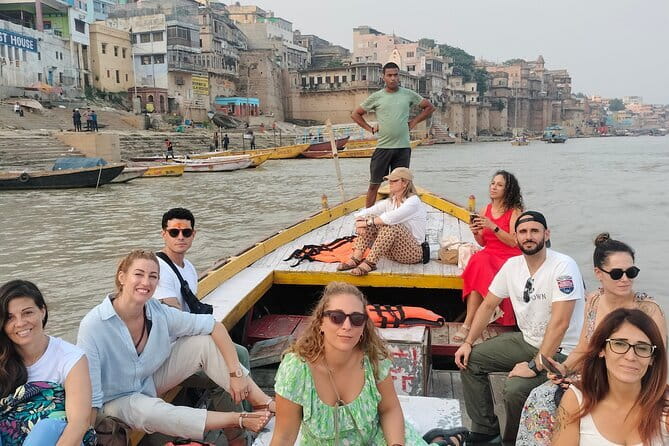
Your meeting point is Hotel Ganges Grand, in front of the Marwari Hospital Building, address listed on Dashashwamedh Ghat Road near Godowlia. It’s an easy anchor point for first-timers because it’s a real landmark hotel rather than a vague street corner.
From a practical point of view, starting there helps you focus right away. You’re not spending your limited time sorting out directions. The tour also notes it’s near public transportation, which can be useful if you’re mixing this with other plans the same day.
You’ll end back at the meeting point. That’s a comfort when you’re building your schedule around a busy city like Varanasi—especially if you want time afterward for a boat ride, aarti, or just wandering on your own.
Tip from experience: wear shoes you trust. Even if the pace is friendly, the route includes ghats and temple lanes, and those surfaces can be uneven and busy.
Dashashwamedh Ghat and Kedar Ghat: the Ganges, up close and explained
Your tour begins at Dashashwamedh Ghat, one of the best-known ghats along the Ganges. This is where the riverfront energy is easiest to grasp. You’re standing where daily ritual meets public life, and it shows in how people move through the steps and along the water.
What makes this stop more than a photo stop is the guidance. A local guide can tell you what different parts of the ghats are for—religious practice, family visits, and community routines. You’re not just seeing a busy riverbank; you’re learning how Varanasi functions around it.
Next is Kedar Ghat, another significant spiritual spot with a distinct feel. The tour doesn’t treat ghats as interchangeable. You get a sense of how places along the same river can carry different associations and traditions, which is a big part of understanding Varanasi the first time.
If you’re the type who likes details, this is a good segment. The short stop format (each stop is timed) keeps the walk moving, but the explanations give you mental hooks so you’re not just collecting names.
Harishchandra Ghat: Hindu funeral rituals, handled with care
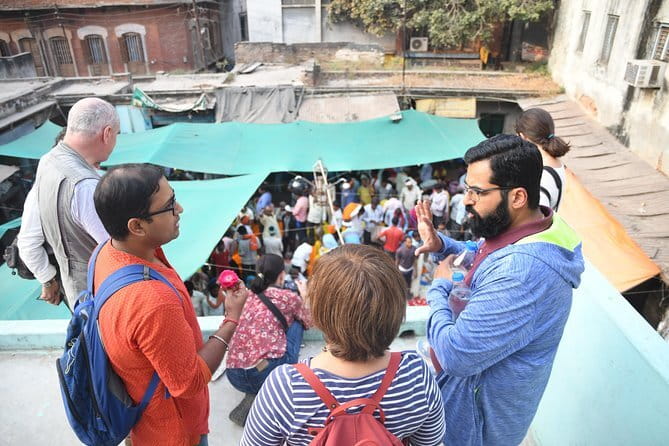
Stop three is Harishchandra Ghat, known for its connection to Hindu funeral rituals. This is one of the most emotionally loaded parts of Varanasi, and the tour’s value is that it gives you context instead of leaving you confused—or shocked.
I appreciated that the tour frames what you’re seeing as a window into local customs. Even if you don’t share the beliefs, understanding the purpose and meaning reduces the feeling of being a spectator. It also helps you notice the human scale: families, routines, and the seriousness people bring to these moments.
That said, I want to flag it clearly: this stop can be difficult for some visitors. If you prefer tours that stay entirely within scenic sightseeing, this portion may feel too direct. But if you’re coming to Varanasi to learn how people live with faith and death side by side, this stop is essential.
A good guide helps you keep your footing—physically and emotionally—by explaining what’s happening and why.
Hanuman Ghat and wrestling akhada culture: discipline with spiritual roots
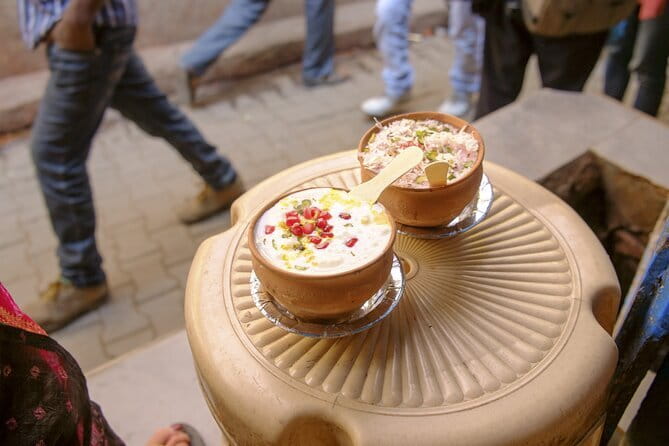
After the funeral-ghat context, the tour moves to Hanuman Ghat. Here you’ll hear about the akha da, a traditional training center for wrestlers (kushti) that also functions as a spiritual space.
This is one of the smartest choices in the itinerary because it breaks a common expectation. People think of Varanasi as only temples and river rituals. Instead, you see that training, discipline, and spirituality can share a space.
Even with a short visit, it adds a layer to the city. It helps you understand that religious life in Varanasi isn’t only about ceremonies by the water—it’s also about daily discipline and a mindset passed down through community institutions.
If you like culture that connects the sacred and the practical, this stop will land well.
You can also read our reviews of more historical tours in Varanasi



Kashi Kaamkoteeshwar Mandir and the Shav Shiva Kali Temple lane
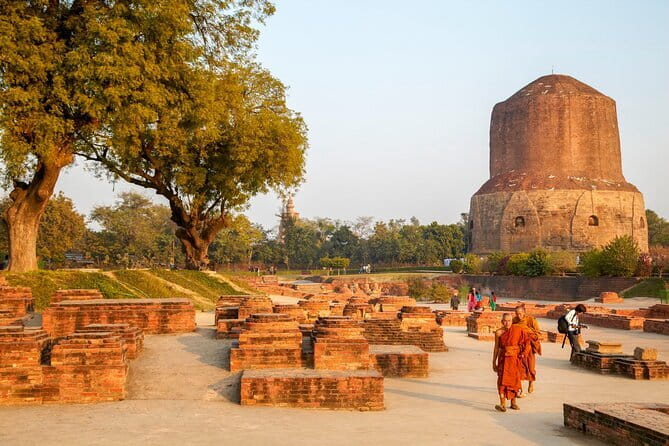
The tour then turns toward the temple world, starting with Shri Kashi Kaamkoteeshwar Mandir, a shrine dedicated to Lord Shiva. Temples like this matter because they’re not just buildings. They’re active places where worship happens and where the city’s identity shows up in architecture and local religious practice.
Next is Shav Shiva Temple Lane (also described as featuring a Shiva Kali Temple). Temple lanes are where you feel Varanasi as a lived-in city. You’re not only moving through open areas. You’re walking tight paths where people go about their day and where deities have a presence close to everyday life.
These stops help you rebalance the tour after the intensity of Harishchandra Ghat. You get spiritual context, visual details, and the sense that faith here is woven into the streets.
Dress and behavior matter in temple areas. Keep it respectful, and follow your guide’s cues on where to stand and when to move on.
Madanpura and Varanasi saree culture: the craft side of heritage
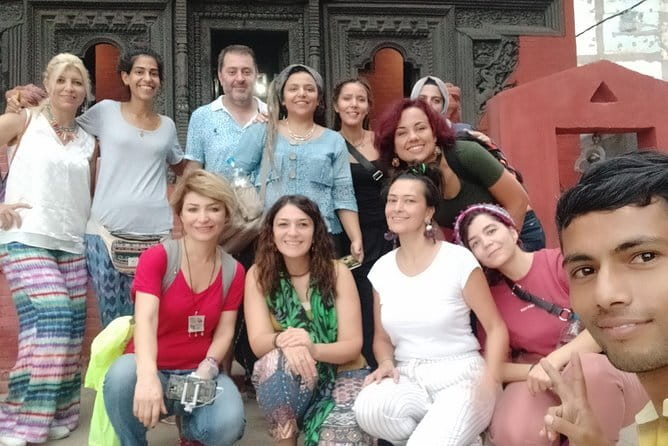
One of the most practical and memorable parts of this tour is the stop in Madanpura, described as a place to explore traditional waving art of Varanasi sarees.
This is where the experience shifts from monuments to making things. If you’ve only heard that Varanasi is famous for textiles, this stop gives you a more grounded sense of the tradition—how craft is a cultural skill, not just a souvenir.
You’ll also notice how commerce and daily life overlap here. The tour may include time connected to shops where people show items like clothing and teas. That can be interesting, but it can also feel like the sales push you’re used to seeing in busy Indian markets.
So here’s the consideration: if you dislike strong sales pressure, go in with a plan. Browse calmly, decide what you want ahead of time, and don’t feel you have to purchase to be polite.
Chousatti Ghat and Devi worship: the feminine divine in a street stop
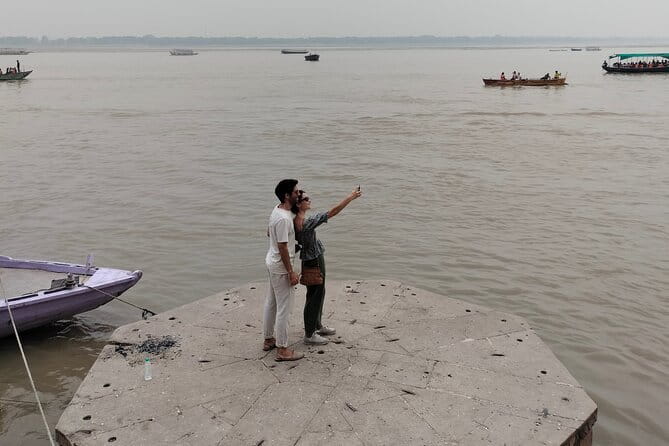
At Chousatti Ghat, you visit Chousatti Devi Temple. This is a different angle on Varanasi spirituality because the focus is the divine feminine energy and related worship traditions.
Even in a short visit, it helps you avoid a one-note view of the city. Instead of only seeing Shiva-centered stops, you get to experience how other deities and traditions shape worship and public religious life.
Ghat-and-temple combinations are especially important in Varanasi. The city’s river presence connects to devotion, and that relationship shows up repeatedly as you move through different sites.
Lahiri Mahasaya Samadhi: a yoga lineage stop with a quiet tone
The final spiritual anchor in the itinerary is Lahiri Mahasaya Samadhi. The site is associated with Lahiri Mahasaya (also known as Mahavatar Babaji) and is tied to the lineage of Kriya Yoga through Babaji.
This stop can feel like a breather compared with some earlier intensity. It’s a different kind of spiritual focus—more lineage and practice than ceremony by the water. You get a sense of how spiritual history doesn’t only live in books or distant places. In Varanasi, it shows up in specific sites people come to understand, respect, and remember.
If you’re into yoga history or want to understand how modern spiritual movements connect to older traditions, this is a good closing chapter.
Pintu’s guiding style: how he keeps the walk understandable
The guide for this experience is Pintu, and the tour is offered with English and Spanish support. The most consistent theme in his approach is clarity. He doesn’t just throw names at you; he explains expectations for visitors from outside India, and he gives context as you walk.
Another helpful element: he’s described as professional and friendly, and his familiarity with the city shows in how he chooses routes and corners. You’re not stuck only in the obvious areas; you visit places that help you understand modern Varanasi, not just its famous face.
He’s also known for pointing out places to shop for practical items like clothing and teas and for sharing advice on where to eat in an authentic way. That can be a big deal when you’re short on time and don’t want to guess your way through the chaos.
Balance point: that same shopping element can come with persistence from sellers, which is common in Indian markets. Pintu seems comfortable handling it, but it’s still something to keep in mind so you don’t feel pressured.
Price and value: what $30 buys you in Varanasi time
At $30 per person, this tour sits in a very reasonable spot for a guided walking experience that covers multiple major sites in a short window.
Here’s what you’re really paying for:
- A local guide who can explain what you’re seeing, including sensitive areas.
- An organized route that saves you from spending your morning trying to figure out which ghats and temples actually make sense together.
- Coffee or tea included, which matters in a long walk day (even if the tour is only 3 hours).
- Two-language support (English and Spanish).
- A small group cap (maximum 20), which makes it easier to ask questions.
What’s not included: breakfast, lunch, and dinner. That’s normal for a half-day tour, but you’ll want to plan your meals around it.
For value, the key question is whether you want explanation. If you’re happy wandering alone and only want pictures, a guide may feel like extra cost. If you want meaning, this is a solid buy.
Who this walking tour fits best (and who should be cautious)
This tour is ideal if:
- It’s your first time in Varanasi and you want a route that mixes major ghats with temples and less obvious corners.
- You’re curious about how faith shows up in daily life, including difficult topics like funeral rituals.
- You like chatting with a guide and learning how locals understand their city.
It may be less ideal if:
- You want a purely scenic walking tour with zero exposure to funeral-related settings.
- You’re easily bothered by persistent sellers in markets or shop stops.
If you can handle serious cultural content with respect, you’ll likely come away with more understanding than you get from a fast checklist tour.
Should you book this Varanasi north-and-south heritage walk?
I’d book it if you want a first-time foundation that feels human. The route hits the big spiritual points—Dashashwamedh, Kashi Kamkoteshwar, Chousatti Devi, Lahiri Mahasaya—while also adding a craft stop in Madanpura and cultural stops like Hanuman Ghat’s akhada connection. Add Pintu’s English/Spanish guidance and the included coffee or tea, and it’s good value for a focused morning.
I’d think twice if you’re not comfortable with funeral-ritual context at Harishchandra Ghat. But if you come to learn how Varanasi works, not just how it looks, this tour gives you that, in a manageable 3 hours.
FAQ
How long is the Varanasi half-day south and north heritage walking tour?
The tour lasts about 3 hours.
What does the tour cost?
It costs $30.00 per person.
What language is the guide?
The guide is available in English and Spanish.
Where does the tour start, and where does it end?
It starts at Hotel Ganges Grand (front of the Marwari Hospital Building) and ends back at the same meeting point.
What stops are included on the walk?
You visit sites including Dashashwamedh Ghat, Kedar Ghat, Harishchandra Ghat, Hanuman Ghat, Shri Kashi Kaamkoteeshwar Mandir, Shav Shiva Temple Lane, Madanpura, Chousatti Ghat, and Lahiri Mahasaya Samadhi.
Is coffee or tea included?
Yes. Coffee and/or tea is included. Breakfast, lunch, and dinner are not included.