Varanasi feels different when you walk it. This 2–3 hour old-city route takes you into narrow lanes where you’ll see ancient temples and heritage buildings, pause at Manikarnika Ghat, and learn what the rituals and sacred sites mean from guides like Suhail and Aman. I like two things most: the way the guide connects the places to Hindu gods, religion, and local traditions, and the relaxed attention to comfort, including help for people who aren’t young or who need to move slowly.
One fair drawback to consider: parts of this walk focus on death rites at Manikarnika Ghat, so it’s not the right vibe for everyone. Also, it’s a walking route through tight lanes and crowded holy areas, so comfortable shoes matter more than you’d think.
In This Review
- What You’ll Notice Right Away
- Key Highlights
- Why This Varanasi Walking Route Works
- Meeting at Man Singh Observatory: Timing, Tickets, and What to Expect
- Meer Ghat: Panoramas of the Ganges (and a Good Orientation Point)
- Vishalakshi Temple: A Shakti Peeth Site in the Middle of Real Life
- Shri Kashi Vishwanath Temple: The Golden Temple from the Outside
- Nepali (Kathwala) Temple: Wood, Carvings, and a Foreign Royal Connection
- Manikarnika Ghat: The Sacred Cremation Ground and Moksha Meaning
- Kashi Khand Connection: Manikarnikeshwar Mahadev Temple
- Ratneshwar Mahadev Temple: A Legend with 18th-Century Roots
- Around the Lanes: Mosques, Old Markets, and a Blue Lassi Break
- What You Get for $28.35: Value That Feels Like a Full Local Guide
- Who Should Book This Tour (and Who Might Want Another Style)
- Should You Book? My Take
- FAQ
- How long is the experience?
- Where do we meet, and where does the tour end?
- What time does the tour start?
- What’s included in the price?
- Is Shri Kashi Vishwanath Temple visit inside the temple?
- What’s the group size?
- What happens if weather is bad?
What You’ll Notice Right Away
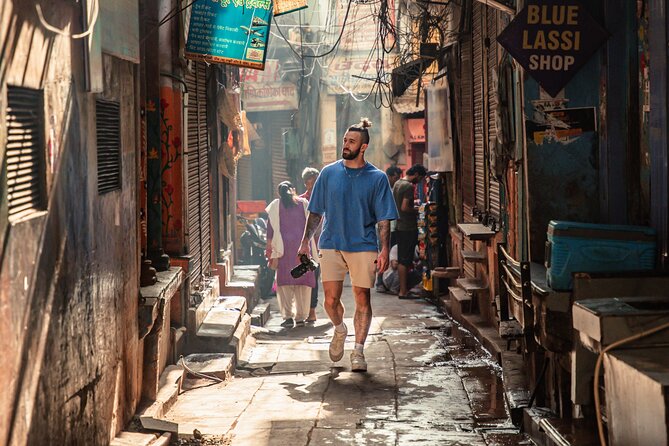
The tour keeps the group small (max 10), so the guide can explain without turning the whole experience into a rush-hour herd. You start at Man Singh Observatory near Dashashwamedh Ghat Road at 9:30am, and you end back at the same meeting point.
You’ll get entrance fees covered for the stops that require them, plus complimentary water bottles and tea. Just note: you’ll view Shri Kashi Vishwanath Temple from outside only, not inside.
Key Highlights
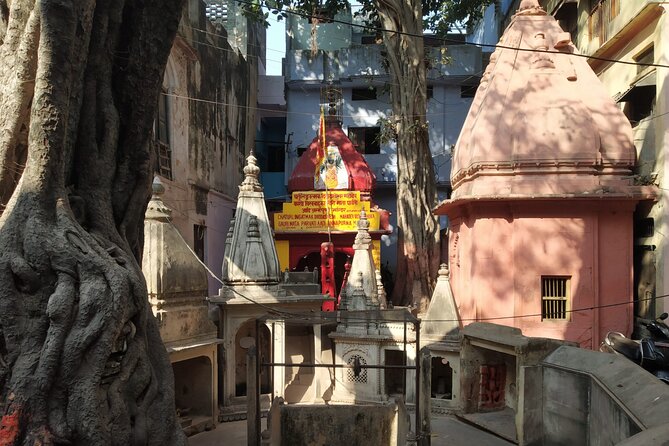
- Narrow-lane old city walking route with cultural explanations, not just sightseeing
- Meer Ghat panoramas in a short, focused stop with included ticket time
- Vishalakshi Temple linked to Shakti Peeth tradition (Vishalakshi as a form of the divine feminine)
- Kathwala (Nepali) Temple with 19th-century wooden architecture and intricate carvings
- Manikarnika Ghat with clear context about moksha and sacred cremation rites
- Blue lassi stop along the way, built into the route for a classic Varanasi break
You can also read our reviews of more tours and experiences in Varanasi.


Why This Varanasi Walking Route Works
Varanasi is one of those cities where the biggest sights can feel confusing fast. The lanes twist, the landmarks repeat, and it’s easy to miss the meaning if you’re only looking at buildings. This walk is designed to keep you oriented while you move from ghat viewpoints to temples and back into the old markets area.
The biggest value is how the guide explains religion and tradition as you go. You’re not stuck with a lecture at the start. Instead, the guide brings up Hindu gods and the stories tied to each stop, then you see the places in the right light.
Another smart choice is the pacing. A small group helps. And in the real world, you’ll want flexibility—especially in a city where crowds and foot traffic can change quickly. The guide’s attention to comfort shows up in how the tour is run.
Meeting at Man Singh Observatory: Timing, Tickets, and What to Expect
You meet at Man Singh Observatory (Man Mandir Ghat, Dashashwamedh Ghat Rd) at 9:30am, and the experience ends back at the meeting point. The tour uses a mobile ticket, so it’s easy to keep things simple on your phone rather than hunting for paperwork.
The provider notes that the tour works in good weather, so plan for it to depend on conditions. If weather cancels it, you’ll be offered another date or a refund.
What I’d bring: light layers (temples and ghats can still feel warm even in the morning), respectful clothing that covers shoulders/knees, and shoes you’re comfortable walking in for a few hours. You’ll also be using restrooms where needed, but the tour itself doesn’t promise any specific facility stops—so keep that in mind with the cremation ghat portion.
Meer Ghat: Panoramas of the Ganges (and a Good Orientation Point)
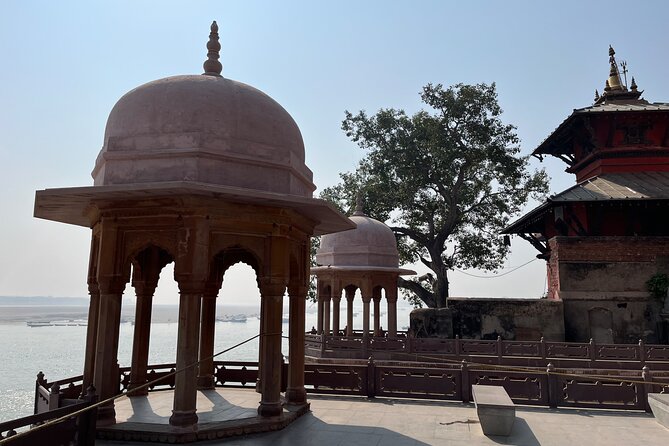
Your first major stop is Meer Ghat for about 20 minutes with an admission ticket included. This is the kind of pause that helps you “get your bearings” in Varanasi fast.
From here, you’re positioned to appreciate how the riverfront ghats shape the city’s daily life. Even if you’ve seen Varanasi photos before, the angle and scale feel different in person because you’re seeing how the steps meet movement on the water.
A practical note: this stop is short on purpose. If you love photography, give yourself a little extra patience for people crossing in front of you. The guide will help you find workable spots, and the time is enough for a couple of calm minutes if you pace yourself.
Vishalakshi Temple: A Shakti Peeth Site in the Middle of Real Life
Next you visit Vishalakshi Temple for around 15 minutes, with admission ticket free. The temple is dedicated to Goddess Vishalakshi, understood as a form of the divine feminine, and it’s one of the 51 Shakti Peethas.
This stop isn’t only about looking at a shrine. It’s about understanding why these places are woven into everyday belief. The area around such temples often feels active because people come to pray, not because this is a staged tourist stop.
What to watch: plan for crowds and close space around the entrance areas. Keep your shoulders covered and be ready for a slower shuffle through the busiest moments.





Shri Kashi Vishwanath Temple: The Golden Temple from the Outside
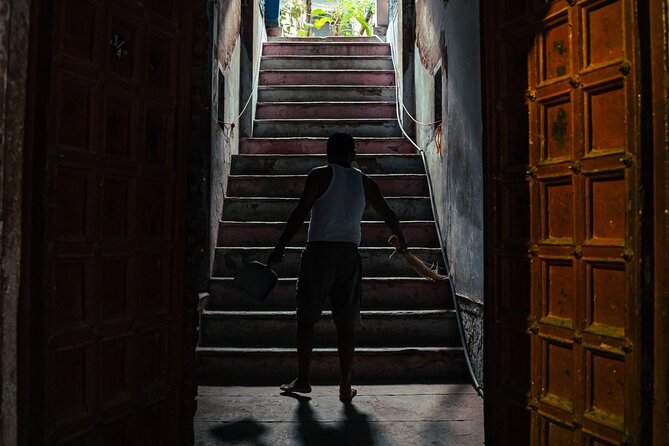
You’ll reach Shri Kashi Vishwanath Temple, often called the Golden Temple, for about 20 minutes. In this experience, you’ll enjoy the outside premises only, so you’re not going inside.
That might sound like a letdown at first. But from a practical standpoint, it can actually be easier. You get context from the guide—what the temple represents and why people come—without the time drain that lines and strict access rules can create.
It also helps you connect this temple to the “corridor” idea the route talks about. Think of it as learning the geography of sacred Varanasi: how spaces connect through processions, devotion, and the city’s layout.
If you’re the type who wants inside access as a must, you’ll need to match this tour with a separate plan. But if you want meaning and flow, outside viewing can still be powerful when your guide explains what you’re seeing.
Nepali (Kathwala) Temple: Wood, Carvings, and a Foreign Royal Connection
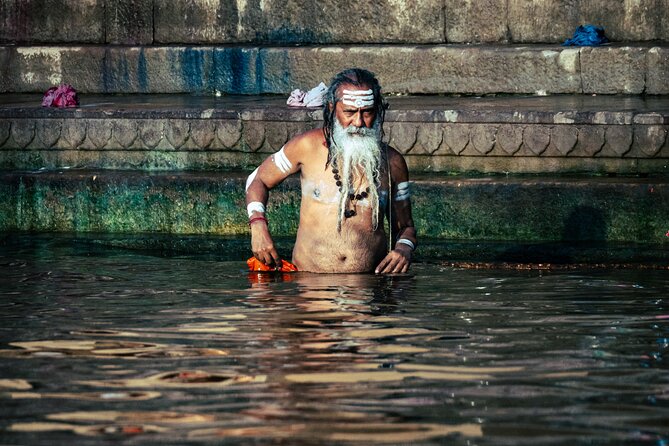
The Nepali Temple (Kathwala Temple) stop takes about 20 minutes and includes an admission ticket. This shrine was built in the 19th century by the King of Nepal, and it’s known for wooden architecture and intricate carvings.
That Nepal connection is part of why I like this stop for repeatable value. It’s not only “another temple.” It’s a reminder that Varanasi has attracted influences and patrons beyond its own region, and the architecture tells the story.
Because the carvings are a big part of the appeal, take your time with your eyes—not just with your camera. The guide can point out what matters to look for, and you’ll get more from the visit if you slow down for the details.
Manikarnika Ghat: The Sacred Cremation Ground and Moksha Meaning
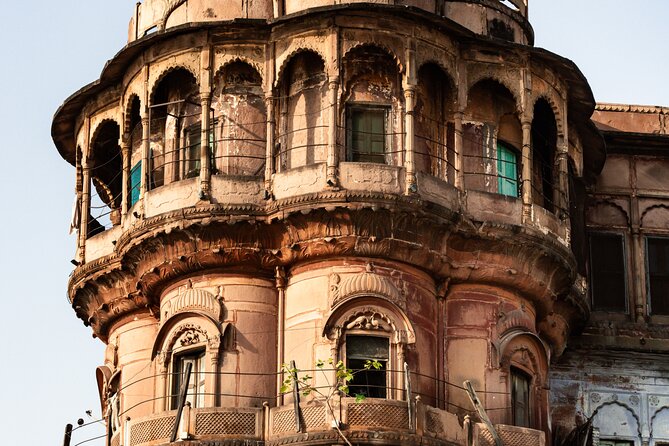
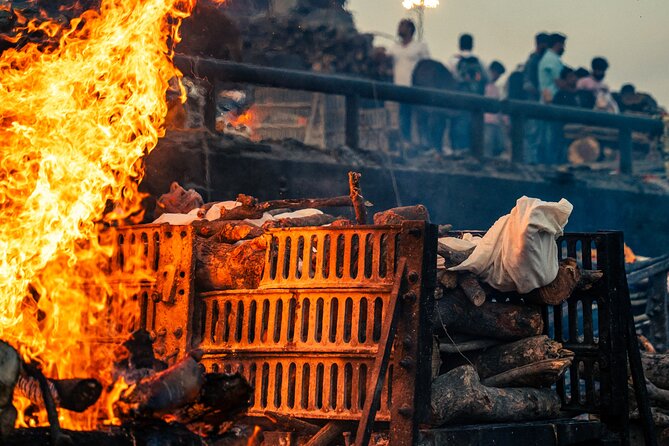
This is the stop people remember. Manikarnika Ghat is one of Varanasi’s most significant sacred cremation sites along the Ganges. You’ll spend about 30 minutes here, and an admission ticket is included.
The guide frames it around moksha—the idea that cremation here helps the soul achieve liberation. In other words, you’re not just watching a ritual. You’re seeing how belief shapes how families face grief.
A couple of respectful tips matter here:
- Stay calm and avoid blocking sight lines.
- Follow the guide’s instructions about where to stand and when to step back.
- If you’re sensitive to death rites, approach this part with emotional readiness—or skip it and choose a different kind of tour.
This stop isn’t designed for shock. It’s designed for understanding. When you let the guide explain the logic behind the ritual, it becomes less “graphic” and more about faith, community, and how life and death are treated as connected.
Kashi Khand Connection: Manikarnikeshwar Mahadev Temple
After Manikarnika Ghat, you visit Manikarnikeshwar Mahadev Temple (Kashi Khand) for about 15 minutes, with admission ticket included. The temple is believed to be linked to Manikarnika Ghat, symbolizing the connection between life and death.
This is a good bridge stop. It helps you move from the intensity of the ghat into the temple-world of meaning and symbolism. Instead of leaving you to process on your own, it gives you a framework: sacred space is not just one location; it’s linked by ideas.
If you find yourself mentally tired, this is still worth it. Short temple stops like this can reset your attention while keeping the story coherent.
Ratneshwar Mahadev Temple: A Legend with 18th-Century Roots
Next comes Ratneshwar Mahadev Temple for about 15 minutes, with admission ticket free. The temple is believed to date back to the 18th century, constructed by a local king as tribute to Lord Shiva.
There’s also a legend attached to it: the temple was built to commemorate a wish fulfilled by the deity. That matters because it turns “old stone” into a human story—someone prayed, something happened, and later a sacred structure preserved the memory.
You’ll likely feel the tour shift into a calmer rhythm here. It’s a smaller stop, but it’s a strong way to end the “life-death-shiva” chain the route emphasizes.
Around the Lanes: Mosques, Old Markets, and a Blue Lassi Break
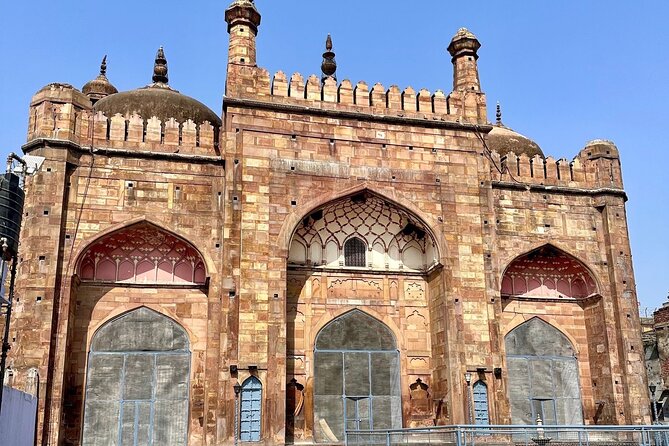
Between major landmarks, the route moves through the old city’s maze where you may see things like the Alamgir Mosque, old markets, and a Nepali-linked temple context that fits the same cultural web. The tour description also includes an underground temple as part of the overall experience, meaning the guide is looking to show you more than just the obvious above-ground stops.
And yes, there’s a food moment: a blue lassi shop stop is part of the walk. It’s a classic Varanasi break because lassi is simple comfort. Also, it gives you a chance to cool down and reset during a day that can feel intense in the ghats area.
If you’re picky about dairy, ask the guide before you buy anything. The tour includes water and tea, but the lassi stop is tied to the route itself rather than being described as a guaranteed included drink.
What You Get for $28.35: Value That Feels Like a Full Local Guide
At $28.35 per person, this tour is priced like a budget experience. But the value comes from what’s actually included and what you avoid.
Included:
- All entrance fees for stops that require them
- Complimentary water bottles and tea
- A guided walk that explains culture, religion, tradition, and Hindu gods
For a city like Varanasi, where sites are spread and access can be time-consuming, a guide with a clear route saves you energy. The small group size (max 10) also matters. You’ll be able to ask questions instead of yelling over the crowd.
One cost note: GST is not included. That’s common in some pricing structures, so you might see a small add-on depending on how the total is presented at booking.
Duration is also a practical selling point. At 2 to 3 hours, you can fit this into a busy day without turning your whole schedule into a single temple marathon.
Who Should Book This Tour (and Who Might Want Another Style)
This is a great pick for you if you:
- Want a guided introduction to Varanasi’s spiritual geography
- Like stories tied to Hindu traditions and sacred sites
- Prefer a small group and a calm pace with breaks when needed
- Are okay with walking through narrow, crowded old-city lanes
It may not fit you if:
- You strongly prefer temple-only sightseeing with no cremation-ritual context
- You’re expecting indoor access at the Golden Temple
- You dislike being around emotionally heavy sights (Manikarnika is central here)
The good news: the guide’s approach—patient, attentive, and helpful—shows up in how the tour is described. If you need comfort support, this route is set up to handle it better than large group tours.
Should You Book? My Take
If you want Varanasi that makes sense—not just Varanasi that looks impressive—this walk is a strong choice. The price is fair for the included entrance fees and the guided storytelling that links temples, ghats, and belief into one route.
Book it if you’re curious about how people live with religion and ritual in the open air. Skip it (or pair it with a lighter day) if you’re emotionally uncomfortable with the cremation ground focus. Either way, wear comfortable shoes and treat this as a cultural orientation as much as a sightseeing tour.
FAQ
How long is the experience?
The walk runs about 2 to 3 hours.
Where do we meet, and where does the tour end?
You meet at Man Singh Observatory, Man Mandir Ghat, Dashashwamedh Ghat Rd, Godowlia, Varanasi. The tour ends back at the same meeting point.
What time does the tour start?
The start time is 9:30am.
What’s included in the price?
Entrance fees are included for stops that require them, and you also get complimentary water bottles and tea. GST is not included.
Is Shri Kashi Vishwanath Temple visit inside the temple?
In this experience, you visit from outside only.
What’s the group size?
The tour has a maximum size of 10 travelers.
What happens if weather is bad?
The experience requires good weather. If it’s canceled due to poor weather, you’ll be offered a different date or a full refund.