REVIEW · VARANASI
Varanasi Walking and Heritage Tour
Book on GetYourGuide →Operated by Praveen Pathak · Bookable on GetYourGuide
Varanasi hits fast, and this walk hits smarter. In just 3 hours, you go temple-to-ghat in a tight loop that brings the city’s spiritual rhythm into focus, from Kashi Vishwanath to the Manikarnika area. It’s built for people who want meaning (not just selfies) and a route that keeps moving through the places that shape Varanasi.
I especially like how this tour balances big-ticket sights with smaller, more intimate stops. You get a guided visit around Shri Vishalakshi Mata Shaktipeeth Temple and Dharmeshwar Mahadev Temple, so you’re not only stuck in the most famous crowd magnets.
One possible drawback: the pace and how the guide delivers info can feel intense. One group noted the guide sometimes walked ahead and stopped repeatedly to talk, which can be tiring if you prefer a slower stroll and more back-and-forth.
In This Review
- Key highlights worth your attention
- Why this 3-hour Varanasi walk makes sense
- Starting point: Bank of Baroda ATM and getting oriented fast
- Vishalakshi and Dharmeshwar: the quieter power stops early on
- Kashi Vishwanath corridor: where architecture guides your steps
- Manikarnika Kund and Manikarnika Ghat: photos, tea, and meaning
- Nepali Temple (Kathwala Temple): variety beyond the main circuit
- Flower market colors: where the city’s art shows up
- Price and what you truly get for $13
- Guide quality: Praveen Pathak and the human factor
- What to do (and not do) while walking this route
- Who this tour is best for
- Should you book the Varanasi Walking and Heritage Tour?
- FAQ
- How long is the Varanasi Walking and Heritage Tour?
- How much does the tour cost?
- Where does the tour start?
- Which temples and sites are included in the tour?
- Are tea and water included?
- Is lunch included?
- What languages are the guides available in?
- Is there free cancellation?
- Can I pay later?
- Do I need to pay entrance fees separately?
Key highlights worth your attention

- A focused 3-hour heritage loop that hits temples and the Manikarnika Ghat/Kund area
- Tea/coffee included, timed right for a quick reset during the walk
- Kashi Vishwanath corridor time, when you see how passageways connect sacred spaces
- Nepali Temple visit (Kathwala Temple) for variety in style and atmosphere
- Small streets and painted temple details, the kind you’d miss if you only ride around
- English, Spanish, or Hindi live guiding, with guided entry at major stops
Why this 3-hour Varanasi walk makes sense
If you only have part of a day, Varanasi can still feel overwhelming. This tour is short on purpose. You trade wandering time for guided direction, so you actually understand what you’re seeing instead of just passing it.
The theme here is heritage as a lived thing. Varanasi is described as older than what most people expect—linked to Lord Shiva and Goddess Parvati, and known as a center of learning and civilization for over 3000 years. When you walk through the temple world and then end up at the ghat area, that age stops being an abstract claim and starts feeling real.
And it’s good value. At $13 per person, you’re not paying just for footsteps. You’re paying for guided entry to multiple sacred sites plus tea/coffee and bottled water, which matters in a place where you can easily spend time and money just trying to keep energy up.
You can also read our reviews of more walking tours in Varanasi


Starting point: Bank of Baroda ATM and getting oriented fast
Meet at the Bank of Baroda ATM. It sounds oddly specific, but in Varanasi that can be a lifesaver. You avoid the classic problem of arriving at the “center” of a neighborhood that’s actually a maze of lanes.
Once you’re matched with your guide, the route works like a guided map you can feel. The tour moves from temples into the older heart of Kashi, then back again, so you’re not constantly reorienting yourself.
Practical note: because the tour is walking-based and includes temple areas, wear comfortable shoes and keep your plan simple. You’ll want to be able to stop for photos and short visits without rushing your body.
Vishalakshi and Dharmeshwar: the quieter power stops early on
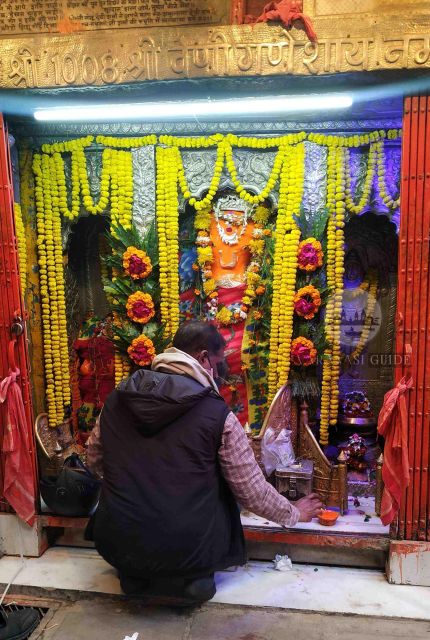
The tour begins with Shri Vishalakshi Mata Shaktipeeth Temple for a short guided visit. Even at five minutes, it sets the tone. You’re introduced to the sacred logic of the area before you hit the more famous temple corridors and the ghat-zone energy later.
Next comes Dharmeshwar Mahadev Temple in Kashi Khand. This is where you start noticing something important about Varanasi: the city doesn’t treat religion as one location. It treats it as a network—temples, lanes, and sacred water spaces that connect through daily movement and belief.
The stop lengths are brief, so the goal is not a long sit-down lecture. It’s more like learning the names and meanings of key places so your time in the city clicks faster.
One thing to consider: because these are compact visits, you’ll get the best experience if you stay present. If you’re hoping for lots of free time to wander alone inside each site, this route may feel structured.
Kashi Vishwanath corridor: where architecture guides your steps
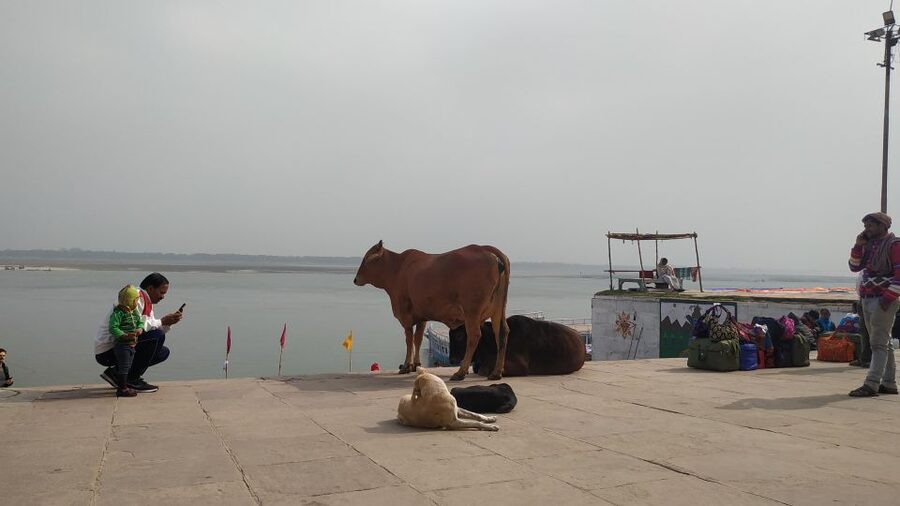
You get to Shri Kashi Vishwanath Temple and walk through the corridor area. Corridors in temple complexes aren’t just hallways—they shape how crowds move and how you absorb the space. This is the kind of place where architecture does the talking.
A major highlight here is that you’re not only seeing the entrance or the main temple from outside. You’re moving through that connective route, so you understand how these sacred spaces relate to the surrounding lanes.
This also helps with crowd reality. Temple-famous places can feel chaotic if you show up cold. Having a guide helps you keep track of what matters and what you’re looking at while you’re surrounded by other motion.
If you dislike tight pacing, you may want to communicate that early. One piece of feedback pointed out that some guides can walk slightly ahead and talk while stopping at each point. If you like steady conversation while walking, it’s worth asking your guide to pace with the group.
Manikarnika Kund and Manikarnika Ghat: photos, tea, and meaning
The route centers on Manikarnika Kund twice, with a first stop that includes a photo moment, a visit, and tea. That tea break is more than a perk. It’s a practical pause that keeps you steady when you’re stepping through an intense environment—spiritually, visually, and emotionally.
This is also where the tour delivers on one of its big promises: the ghat atmosphere. Varanasi is known for Ganga Ghats, and this part of the walk is the heart of that theme. You get entry to the ghat-related areas, and the included admissions cover key points in the Manikarnika zone.
The itinerary includes guided time and walking through the area, plus additional included admissions such as Manikarnikeshwar Temple, Ratneshwar Temple, and Chakrapushkarni Kund. Even if you can’t absorb every detail in one pass, having access to these spaces with an informed guide means you’re not just looking at steps. You’re learning how the sacred water landscape is treated as part of the city’s spiritual identity.
One thing to know before you go: this is not a “museum quiet” experience. If you’re sensitive to strong atmosphere, plan to go with an attitude of respect and patience. You may see activity that doesn’t feel tourist-friendly, even if the tour itself is designed for visitors.
Also, about Ganga Aarti: at least one experience described a guide making it part of the visit. If seeing Aarti matters to you, ask your guide how timing is handled on your departure.
You can also read our reviews of more historical tours in Varanasi




Nepali Temple (Kathwala Temple): variety beyond the main circuit
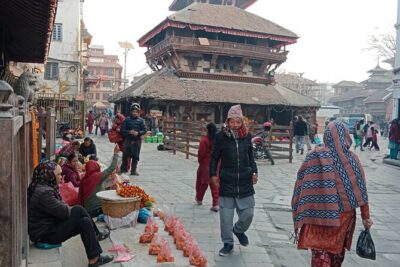
After the Manikarnika focus, the tour heads to the Nepali Temple, also noted as Kathwala Temple. This stop adds variety in style and mood. It breaks the “temple corridor then ghat then temple corridor” pattern and gives you a second lens on what sacred space looks like in Varanasi.
The guided visit here is longer than some of the early ones, giving you time to ask questions and slow down. It’s also a good chance to catch your breath after the more intense ghat-zone energy.
From a value perspective, this is one of the smarter additions. Famous destinations often repeat the same sights across tours. A Nepali Temple stop helps make the walking circuit feel like a real cultural sample, not a checklist.
Flower market colors: where the city’s art shows up
The highlights include the flower market, which is exactly the kind of detail that makes Varanasi feel visual and alive. Even if your time there is brief, flower markets connect directly to worship rhythms—offerings, decoration, and color that you’ll see moving through everyday life.
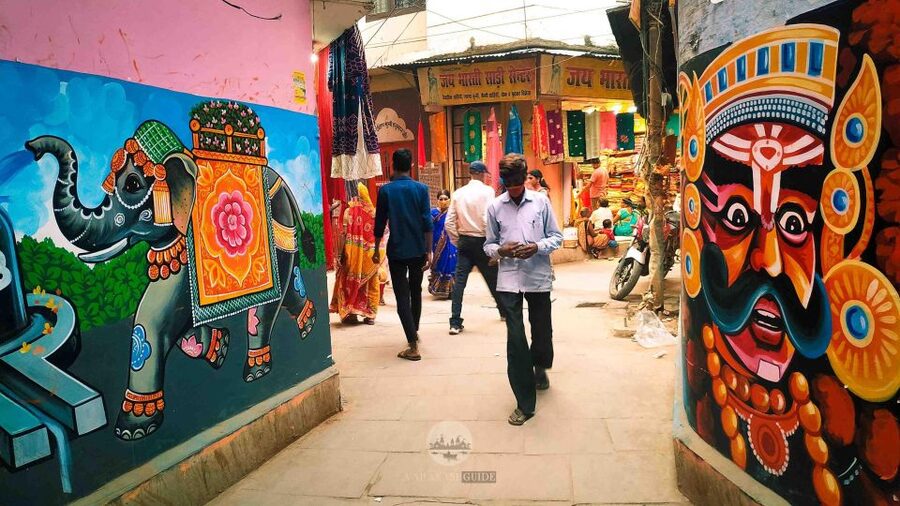
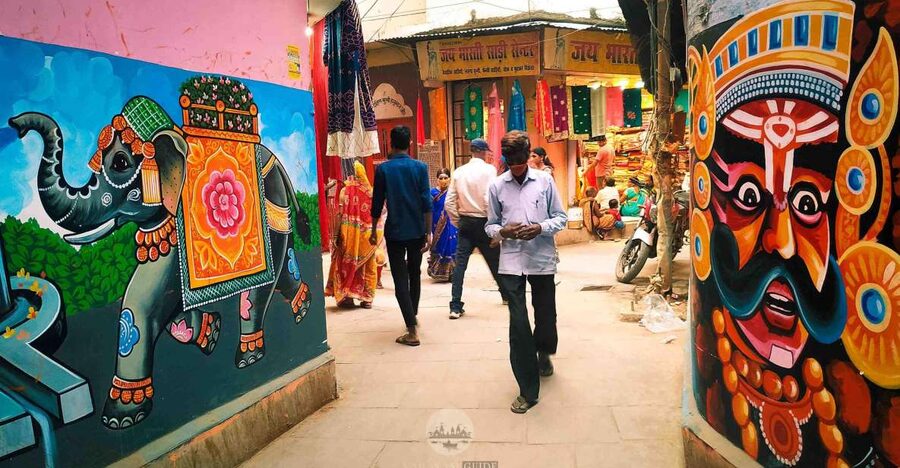
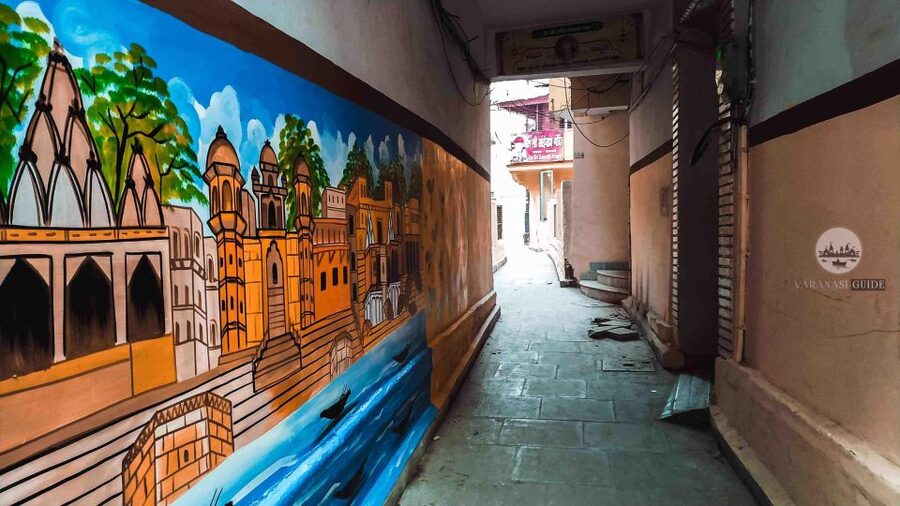
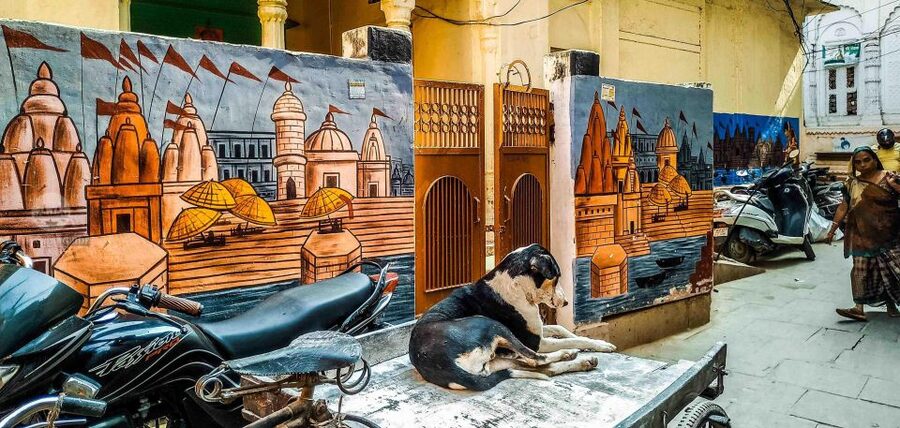
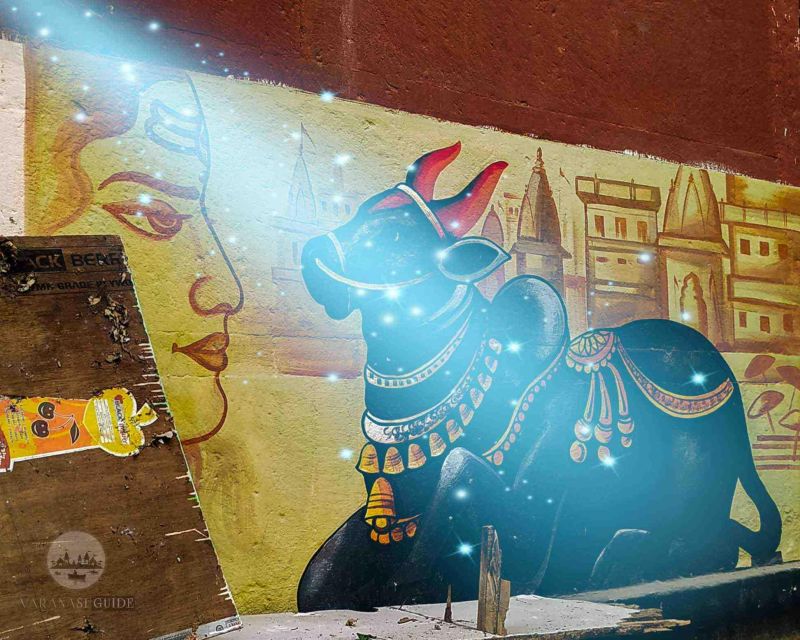
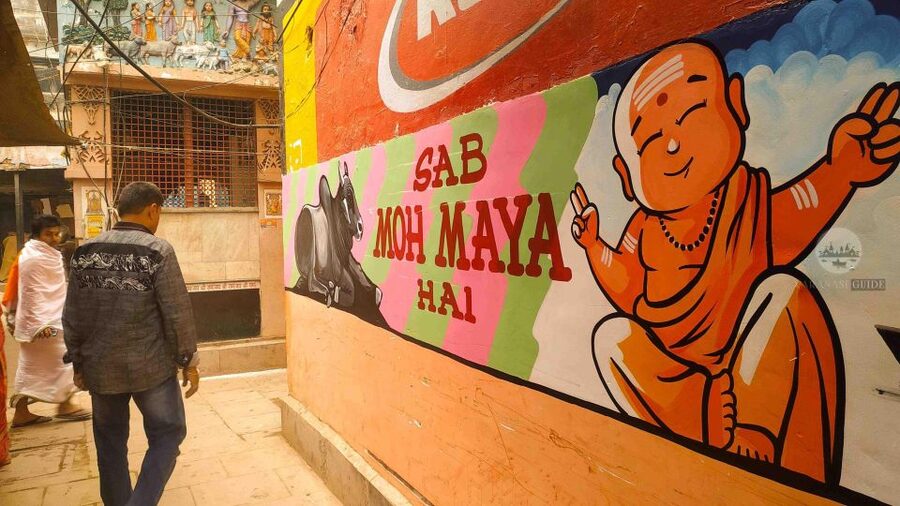
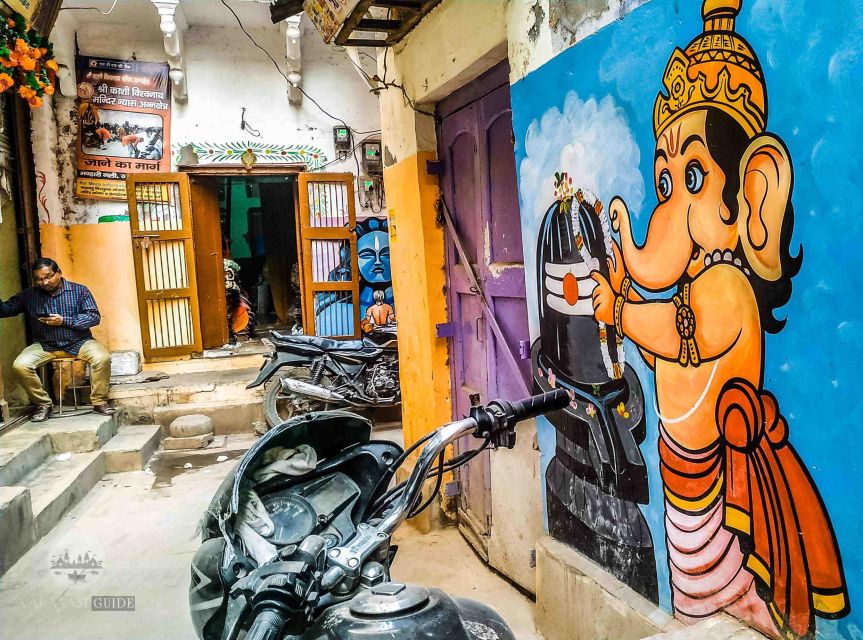
You also get a chance to notice those small streets with painted temple details and art. The tour emphasizes the “tiny street” feel, with hundreds of temple colors in the way walls and facades are decorated.
This matters because Varanasi’s beauty isn’t only about grand landmarks. It’s about repetition at human scale—design choices you notice more when you’re walking slowly enough to actually look.
Price and what you truly get for $13
Let’s talk value without pretending it’s a bargain you can’t beat. $13 for three hours isn’t a low-cost snack—it’s priced like an organized walking heritage tour with real admissions.
Included in the package are:
- Tea/coffee and bottled water
- Entry/admission to multiple sites, including Vishalakshi Mata Shaktipeeth Temple, Nepali Temple (Kathwala Temple), and the Manikarnika Ghat area
- Additional admissions tied to the Manikarnika complex (like Manikarnikeshwar Temple, Ratneshwar Temple, and Chakrapushkarni Kund)
What’s not included: drinks and lunch. That’s fair. You’ll likely want to buy a drink on your own, and you’ll need to plan lunch around your day.
Here’s the practical benefit: admissions and a guided route save you time. Instead of spending your mental energy figuring out what’s open, what requires entry, and what to focus on, you’re guided to the right places and given context to understand them.
Guide quality: Praveen Pathak and the human factor
The experience is led by Praveen Pathak. In Varanasi, the difference between a good and great tour is often the human element: whether the guide understands questions, whether they can explain meanings clearly, and whether they help you move with the crowd without feeling lost.
Feedback also mentions guides with names like Pintu showing up in the experience, which suggests the guiding team can be strong and capable.
If you want this tour to feel more like a conversation than a speech, pick a departure where your guide style matches your preference. If you’re sensitive to a guide walking ahead and talking intensely at each stop, tell them early that you’d prefer to walk together and cover details at a steadier pace.
What to do (and not do) while walking this route
You’re dealing with temples, sacred water spaces, and dense streets. Your job is to make it easy for your guide to guide you.
Do bring:
- Comfortable shoes for short walks and crowded passages
- A light layer for temple visits and crowded indoor areas (you’ll know once you’re there)
- A phone for photos, because the tour includes photo moments near Manikarnika Kund
Don’t expect:
- Long free time at each stop
- A slow, fully flexible agenda
And if you care about specific moments like Ganga Aarti, don’t wait until the last minute. Ask during the walk how your timing works. A guide who can plan around schedules makes a big difference.
Who this tour is best for
This is a great fit if:
- You want a guided heritage walk that covers multiple key sacred sites in limited time
- You like structured context, not just sightseeing
- You want the Manikarnika area without trying to navigate it on your own
It may be less ideal if:
- You hate walking with a group through crowded areas
- You need lots of downtime to rest between stops
- You dislike tours where explanations happen at fixed points rather than while moving
If you’re traveling solo, it can still work well because the guide-led structure helps you avoid feeling stuck in the chaos. If you’re with family, you may want to manage expectations about pace and the intensity of ghat-zone atmosphere.
Should you book the Varanasi Walking and Heritage Tour?
I think you should book this if you want a time-efficient way to understand why Varanasi matters—starting at the temple world, then connecting to the Manikarnika Ghat spiritual landscape, with tea/coffee included to keep you going.
Skip it or think twice if you know you need a slower, more conversational walk without lots of stop-and-talk moments. The route is designed to cover many sites in a short window, so your comfort with structured pacing matters.
If your dream is to see major sites like Kashi Vishwanath and spend real time in the Manikarnika area, this tour is one of the more practical ways to do it in three hours—and at $13, that’s strong value for an experience that includes guided entries.
FAQ
How long is the Varanasi Walking and Heritage Tour?
The tour lasts 3 hours.
How much does the tour cost?
It costs $13 per person.
Where does the tour start?
The meeting point is the Bank of Baroda ATM.
Which temples and sites are included in the tour?
The tour includes guided visits and/or entry for Shri Vishalakshi Mata Shaktipeeth Temple, Dharmeshwar Mahadev Temple, Shri Kashi Vishwanath Temple, Manikarnika Kund/Manikarnika Ghat area (including Manikarnikeshwar Temple and Ratneshwar Temple), Nepali Temple (Kathwala Temple), and Chakrapushkarni Kund.
Are tea and water included?
Yes. Tea/coffee and bottled water are included.
Is lunch included?
No. Lunch is not included.
What languages are the guides available in?
The live guide is available in English, Spanish, and Hindi.
Is there free cancellation?
Yes. You can cancel up to 24 hours in advance for a full refund.
Can I pay later?
Yes. You can reserve now and pay later, keeping travel plans flexible.
Do I need to pay entrance fees separately?
No. Entry/admission is included for the listed sites.