REVIEW · VARANASI
Explore Varanasi’s heritage
Book on Viator →Operated by The Heritage Walk By Manjeet · Bookable on Viator
Varanasi clicks when you walk it. This private heritage walk is built around the ghats, temples, and street corners that locals actually use, with Manjeet Sahani guiding you using his family roots in the city. You’re not doing a quick stamp-collecting loop.
I love two parts most: first, the way Manjeet connects big, sacred places to daily life, street routes, and practical temple moments. Second, the route mixes iconic ghats with human-scale stops like the flower market and Madanpura weaving area, so you see Varanasi as a working city, not a postcard.
One drawback to think about is costs and sensitivity. Several temple/ghat entries are marked as not included, and places like Manikarnika Ghat are tied to Hindu death rituals, which can feel intense for some travelers.
In This Review
- Key things that make this tour work
- Why a private heritage walk beats a quick Varanasi checklist
- Meet Manjeet Sahani: the local connection that changes everything
- Dashashwamedh Ghat: start where Varanasi makes its case
- Vishalakshi Temple and the old Kashi bylanes
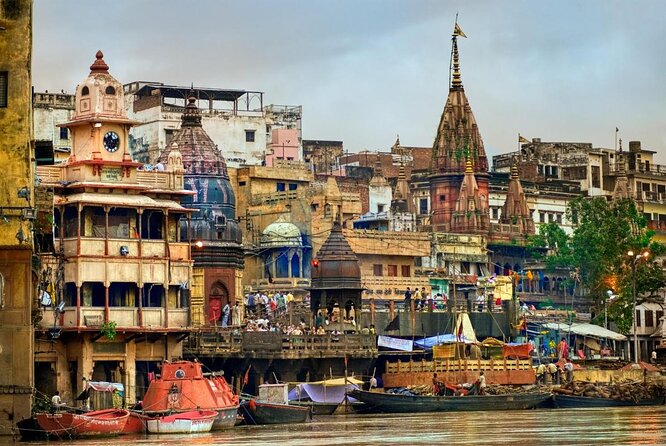
- Meer Ghat: panoramic views of the 84 ghats of Kashi
- Nepali (Kathwala) Temple: teak wood and erotic carvings
- Manikarnika Ghat: the heart of death rituals
- Panchganga Ghat and the Alamgir mosque from the Mughal era
- Shri Kashi Vishwanath Temple: the Golden Temple experience
- Bhans Phatak (Chowk Godowlia): the flower market side of Varanasi
- Madanpura artisans: weaving that stretches back
- Manmandir Ghat: sages of Kashi and a calmer finish
- Price and value: what $20.69 gets you in practice
- Timing, walking comfort, and weather reality on the ghats
- Should you book this tour
- FAQ
- How long is the Varanasi heritage walk?
- Is this tour private?
- Where does the tour start and can I change the ending point?
- Do I get pickup, and is there a mobile ticket?
- Which stops include admission fees and which do not?
- What is the cancellation policy?
Key things that make this tour work
- A real local guide (Manjeet Sahani) with deep family ties to Varanasi
- A private format for your group, not a shared cattle-car walk
- Ghat-to-temple-to-market routing so you get more than just sights
- Flexible ending point depending on what’s best for you
- Weather-aware planning, including smart alternatives when ceremonies change
- Practical temple help, including getting to the right gates inside the Kashi Vishwanath complex
Why a private heritage walk beats a quick Varanasi checklist
Varanasi can be overwhelming at first. Crowds, noise, and the sheer number of ghats make it easy to wander without understanding what you’re seeing. A private walk solves that by slowing your pace and giving you a story-thread you can follow.
What makes this experience especially useful is the mindset: you’re here to understand the city the way you would if you lived there. That means you’ll be walking by lanes and river edges with context, not just standing in front of monuments. And because it’s private, Manjeet can shape the route to your questions as you go.
The guide also emphasizes pride in the city, not performance. His family has lived in Varanasi for over 500 years, and that shows in the way he explains why particular corners matter. I like that this tour isn’t trying to turn Varanasi into a packaged script.
You can also read our reviews of more historical tours in Varanasi



Meet Manjeet Sahani: the local connection that changes everything
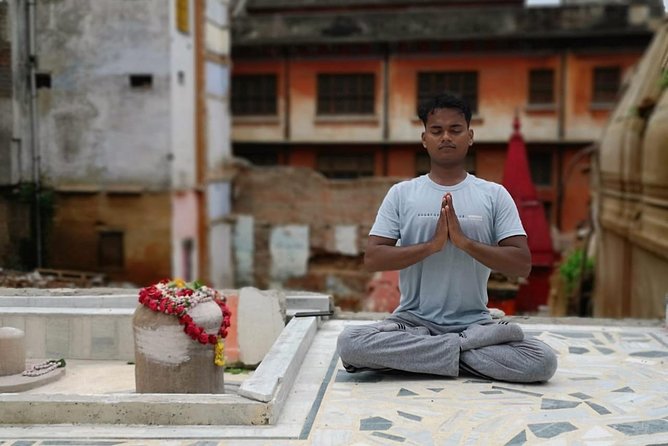
Manjeet is the key ingredient. He doesn’t outsource your day to another guide, so you’re not dealing with the usual handoff where the personality and approach change mid-route. In a place where details matter, that consistency is a big deal.
You also benefit from his on-the-ground fluency. Reviews highlight how he gets people to the right gates inside major temple areas like Shri Kashi Vishwanath, which can save you time and frustration in crowds. If you want to do the sacred stuff without turning it into a logistics puzzle, this matters.
Then there’s the flexibility side. One review describes a trip during heavy rains when ghats were under water and a daily Aarti ceremony was suspended. The guide still worked to secure front-row access from a rooftop Aarti viewpoint. That’s the kind of problem-solving you want in Varanasi, where weather can change what’s happening on the river.
Dashashwamedh Ghat: start where Varanasi makes its case
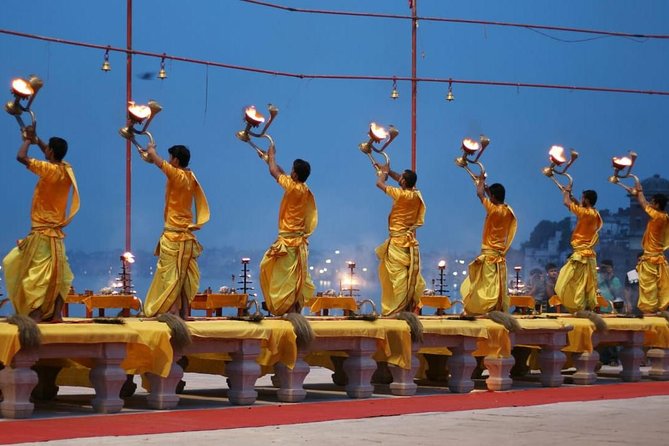
Your walk begins at Dashashwamedh Ghat Rd, in the Dashashwamedh Ghat area. This is a strong opening because it puts you immediately on the pulse of the riverfront—where daily routines, ceremonies, and river life sit close together.
From here, Manjeet frames what you’ll see later. He helps you understand the logic of the city’s sacred geography, so stops don’t feel random. Even if you’ve seen photos of ghats before, starting at Dashashwamedh gives you a better sense of why people come to specific steps and not just any riverside spot.
This first stretch is also a good pace-setter. The tour is about walking for roughly 2 to 4 hours total, so you’ll want that first block to feel guided and organized. Starting at Dashashwamedh helps you get bearings fast.
Vishalakshi Temple and the old Kashi bylanes
Next you move on foot to Vishalakshi Temple. The route takes you through the bylanes of old Kashi town, which is where Varanasi often feels most real. Instead of only looking at grand spaces, you get the texture: everyday movement, neighborhood rhythms, and street-level context.
The temple stop is short (about 10 minutes), but it’s timed well. You’re not asked to stand forever; you’re guided to what matters and then moved along. Admission is marked as included for this stop, so it’s one less cost to calculate mid-tour.
A good consideration: temples are sacred spaces, and you may need to adjust your expectations for quiet. This is not a museum mood. It’s active, and that can be part of the value if you like authentic, on-the-ground travel.
Meer Ghat: panoramic views of the 84 ghats of Kashi
Then comes Meer Ghat, with a big visual promise: a panoramic look across all the 84 ghats of Kashi. Whether you’re religious or not, the view helps you grasp Varanasi’s scale. You’re seeing the river like a system, not just a series of separate steps.
This stop is about 15 minutes, and it’s best treated as a reframing moment. After Meer Ghat, you’ll likely understand why different ghats play different roles. That understanding makes later stops, especially the major ritual sites, land with more meaning.
Admission is marked as included here too. Still, keep in mind that viewpoints can be affected by crowding and weather. If you want photos, plan for a bit of waiting for a clear sightline.
Nepali (Kathwala) Temple: teak wood and erotic carvings
The Nepali Temple (Kathwala Temple) is one of the most intriguing stops on the list. It was built by the King of Nepal and uses teak wood, and the standout feature is the intricate erotic and historical carvings.
This is a stop you’ll either love instantly or approach with some caution, and that’s okay. If you’re into art history, it’s a fascinating reminder that sacred architecture often includes human themes, not just solemn faces and straight lines. If you prefer strictly traditional religious sights, you may want to spend your energy on the craftsmanship rather than the subject matter.
Admission for this temple is marked as not included. If you’re cost-conscious, factor that in before you commit to the full route.
Manikarnika Ghat: the heart of death rituals
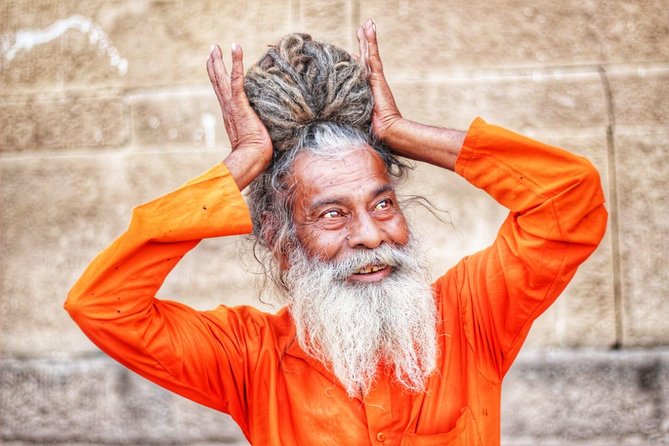
One of the most important stops is Manikarnika Ghat, described as the main ghat for Hindu death rituals for thousands of years. This is not a comfortable postcard stop. It’s a place where faith, tradition, and grief intersect.
The tour gives you about 20 minutes here, which is usually enough to understand the significance without turning it into a long stare. This kind of stop can be emotionally heavy, so having a guide who can explain what you’re seeing is a big advantage.
Admission is marked as included for Manikarnika Ghat. Still, keep in mind that this area may not feel like a sightseeing zone in the usual sense. If you’re sensitive to death-related rituals, plan your mental space ahead of time and lean on the guide’s explanations.
Panchganga Ghat and the Alamgir mosque from the Mughal era
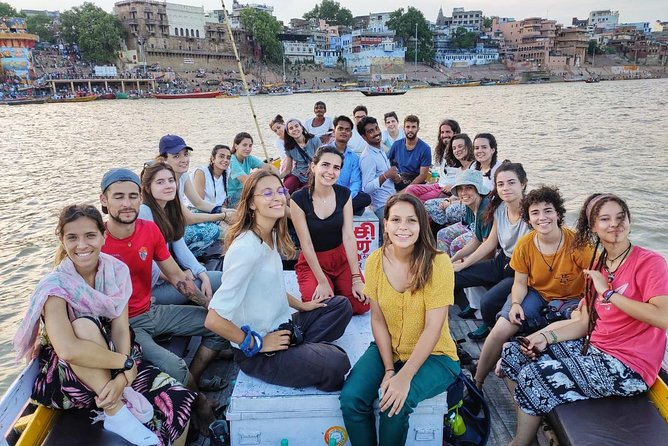
At Panchganga Ghat, the focus shifts to the Mughal past, with a visit to the Alamgir mosque. This is a helpful counterbalance to the strictly Hindu framing you’ll get at other points of the day.
The stop is about 15 minutes and admission is marked as not included. It’s shorter, so the value comes from what you connect it to: how Varanasi’s religious landscape is layered, not isolated. Even if you only remember one thing from this stop, it should be the idea that history in Varanasi is stacked in real time.
If you enjoy architecture and cultural intersections, you’ll likely find this moment surprisingly rewarding.
Shri Kashi Vishwanath Temple: the Golden Temple experience
Then you reach Shri Kashi Vishwanath Temple, often called the Golden Temple. It’s presented as one of the most sacred Hindu temples and a must visit when you’re in Varanasi.
This part lasts about 30 minutes, and in practice that’s long enough to see what makes the complex feel intense and important without rushing through. Also, the tour includes practical help for navigating the temple area, and reviews specifically mention Manjeet helping visitors to the right gates and getting oriented inside.
Admission for this temple is marked as not included. If you like to know costs upfront, it helps to remember that major sacred sites often add fees.
A consideration: temple areas can get crowded fast. If you don’t enjoy tight spaces, tell Manjeet early so he can manage your pace within the complex.
Bhans Phatak (Chowk Godowlia): the flower market side of Varanasi
After the big sacred stops, the tour takes you to Bhans Phatak, Chowk Godowlia, described as a famous flower market. This feels like a reset in tone. You go from ritual heaviness to color, fragrance, and the practical supply chain behind ceremonies.
This stop is about 10 minutes and admission is free. It’s short, but it’s exactly the kind of detail that makes Varanasi feel lived in. Flower markets are where you can sense what’s being prepared for the next offering.
If you’re thinking about souvenirs, this is not marketed like a generic shopper stop. Instead, it’s a way to understand how the city keeps moving.
Madanpura artisans: weaving that stretches back
Next you’ll visit Madanpura, an artisans market connected to the centuries-old weaving industry. This is a great choice because it adds an economic layer to the day. You see that Varanasi isn’t only about temples and river steps; it’s also about craft and work.
The stop is about 30 minutes and admission is free. That longer time is useful because you’ll have room to watch processes and ask questions. Even if you don’t buy anything, you’ll likely leave with a better sense of what kinds of skills keep families busy across generations.
As with many markets, you might find that prices vary widely depending on what you’re looking at. Go slowly, compare if you’re shopping, and treat your first visit as learning what’s available.
Manmandir Ghat: sages of Kashi and a calmer finish
The walk ends at Manmandir Ghat, with time to see the sages of Kashi there. This final stop works as a softer landing after the intensity of the earlier ritual site and the busy market segments.
You’ll have about 10 minutes here, and admission is free. I like that it’s not tacked on as an afterthought; it’s used to close the story with spiritual imagery tied directly to the geography.
Your starting and ending point is listed as the Dashashwamedh Ghat Rd area, but the end location is flexible. If you’d rather finish closer to your hotel or a transport connection, tell Manjeet beforehand.
Price and value: what $20.69 gets you in practice
At $20.69 per person, this tour is priced like a budget-friendly way into Varanasi’s core. What makes it feel like good value is the mix of access and interpretation: you’re paying not only for movement between sites, but for someone who can explain how they fit together.
Also, it’s private. In a city where shared tours can turn into a herd line, private guidance helps you slow down without paying boutique-level prices.
Do watch the fine print on entry costs. Some stops include admission (like Vishalakshi Temple, Meer Ghat, and Manikarnika Ghat), while others are marked as not included (like the Nepali Temple and major temple complex areas such as Kashi Vishwanath). If you want to budget tightly, ask Manjeet how you should plan for optional paid entries on your specific day.
Timing, walking comfort, and weather reality on the ghats
The tour runs about 2 to 4 hours. That’s a workable duration for first-timers because you can get a lot of Varanasi highlights without turning the day into an endurance test. It’s also long enough for meaningful explanations at each stop.
Pickup is offered, and the meeting point is described as near public transportation. The practical advantage is simple: you’re less likely to waste your time fighting local transit or trying to find your guide in a dense area.
Weather matters here. The experience is described as requiring good weather, and that’s not just a line. In heavy rain, riverfront conditions and ceremony schedules can change. The good news is that Manjeet’s flexibility can help when plans shift, including rerouting to alternatives.
For comfort, wear shoes you can walk in for a few hours and plan for uneven surfaces near ghats. If you want photos, remember that lighting and crowd flow can vary more than you expect along the river.
Should you book this tour
Book it if you want Varanasi with context. If you’re trying to understand the city beyond the obvious temples and ghats, a local guide who stays with you end to end is exactly the right approach.
Skip it or choose a shorter plan if you feel strongly about avoiding death-ritual sites. Manikarnika Ghat is part of this route, and it can be emotionally intense.
If you’re cost-sensitive, budget for the stops that don’t include admission. And if weather is iffy on your dates, consider carrying your plan lightly and relying on the guide’s ability to adapt.
If you want a day that feels like a meeting with the city instead of a checklist, this Heritage Walk by Manjeet is a smart pick.
FAQ
How long is the Varanasi heritage walk?
The tour lasts about 2 to 4 hours.
Is this tour private?
Yes. It’s a private tour/activity, and only your group will participate.
Where does the tour start and can I change the ending point?
It starts at Dashashwamedh Ghat Rd, Ghats of Varanasi, Godowlia, Varanasi, Uttar Pradesh. The finish point is flexible; you can request a different ending location.
Do I get pickup, and is there a mobile ticket?
Pickup is offered, and you’ll receive a mobile ticket.
Which stops include admission fees and which do not?
Admission is free or included for some stops (for example, Dashashwamegh ghat and Vishalakshi Temple and Meer Ghat and Manikarnika Ghat are listed with free or included admission). Other stops like the Nepali Temple, Panchganga Ghat, and Shri Kashi Vishwanath Temple are marked as admission not included.
What is the cancellation policy?
Free cancellation is available up to 24 hours in advance for a full refund. If you cancel less than 24 hours before the start time, the amount paid is not refunded. The experience requires good weather, and if it’s canceled due to poor weather, you’ll be offered a different date or a full refund.