REVIEW · CAIRO
6 Days Majestic Luxor Tour Through Ancient Wonders
Book on Viator →Operated by Egypt Paradise Tours · Bookable on Viator
Luxor changes when you see it from above. This private 6-day circuit pairs a hot air balloon ride with temple touring on both banks, so you get big moments and smart context in one plan.
I love how well the day flow mixes the headline sites with deeper stops, especially the Egyptologist guide who can explain what you’re looking at (not just where to stand for photos). I also like that the tour is private, with hotel pickup and drop-offs so you spend less time guessing and more time watching the monuments.
One consideration: the schedule is packed early, and it also calls out one site where entry may not be included (Medinet Habu), plus tipping for the guide and driver is not covered.
In This Review
- Key highlights that make this Luxor plan work
- A private Luxor tour that balances big sights with meaning
- Price and value: what $1,400 per person really buys
- Day 1: Karnak Temple and Luxor Temple as one connected story
- Day 2: Hot air balloon over the Valley of the Kings, then the tombs themselves
- Day 3: Ramses II, Medinet Habu, and Deir el-Medina’s real workers
- Day 4: Luxor Museum and the Mummification Museum for context
- Day 5: Dendera and Abydos for Hathor and Osiris
- Day 6: Edfu’s Horus temple and Kom Ombo’s double meaning
- Why the guide makes this tour feel smoother (Hosni Zahran is mentioned by name)
- How to decide if this Luxor plan fits you
- FAQ
- Is this a private tour?
- What’s the tour duration?
- When does the tour start?
- Does the tour include hotel pickup and drop-offs?
- Is a hot air balloon ride included?
- What temples and tomb sites are included?
- Are entrance fees included?
- What’s included in the price?
- Do I need to budget for tipping?
- Is cancellation free?
Key highlights that make this Luxor plan work
- Hot air balloon over the Valley of the Kings for skyline views before you hit the tombs on the West Bank
- Karnak + Luxor Temple in the same overall rhythm, so the religious story makes more sense
- Royal and non-royal West Bank stops: Kings, Queens, Hatshepsut, artisans at Deir el-Medina
- Real day trips to Dendera (Hathor) and Abydos (Osiris) rather than only staying inside Luxor
- Edfu and Kom Ombo by the Nile to round out the Ptolemaic-era temple story
- Guide support named in reviews: Hosni Zahran is specifically praised for patient help and clear communication
A private Luxor tour that balances big sights with meaning
If Luxor is on your list, you’re probably expecting temples. Good news: you’ll get the famous ones—Karnak, Luxor Temple, the West Bank giants—and you’ll also get stops that explain how the Egyptians organized power, work, religion, and the afterlife.
This tour leans into the East Bank/West Bank split. That matters because Luxor isn’t just one theme. The East Bank temples feel like the present-day heartbeat of worship, while the West Bank sites focus on the world beyond, with tombs and mortuary temples doing the heavy lifting.
What makes the plan feel practical is the way the route is built around geography. You’re not bouncing randomly. You’re moving along logical clusters: East Bank first for Karnak and Luxor Temple, then West Bank tombs and mortuary sites, then museums for added context, then day trips north, and finally the Nile temples farther along.
A few more Cairo tours and experiences worth a look
Price and value: what $1,400 per person really buys
At $1,400 per person for roughly 6 days, this isn’t a budget shuttle tour. The value comes from three things the itinerary actually uses:
1) Private pacing with pickup and drop-offs
You’re not sharing time with strangers at each stop in a way that makes your schedule feel chaotic. Pickup and drop-offs also matter in Luxor, where distance between sites can add up quickly.
2) Entrance fees + bottled water + an expert Egyptologist guide
Entrance fees are included, and bottled water is included too. That’s not a small detail when you’re spending long hours moving between sites.
3) It’s built around expensive-to-coordinate moments
The hot air balloon ride over the Valley of the Kings is a major highlight, and it’s listed with admissions included. Balloon logistics can be hard to line up on your own, so paying for it inside a prepared schedule is usually less stress.
Two small “watch-outs” on value:
- Tipping is not included for the guide and driver, so plan extra spending for that.
- Medinet Habu is marked as admission ticket not included in the stop list, so you may have to cover that entry separately even though most other entrances are included.
Day 1: Karnak Temple and Luxor Temple as one connected story
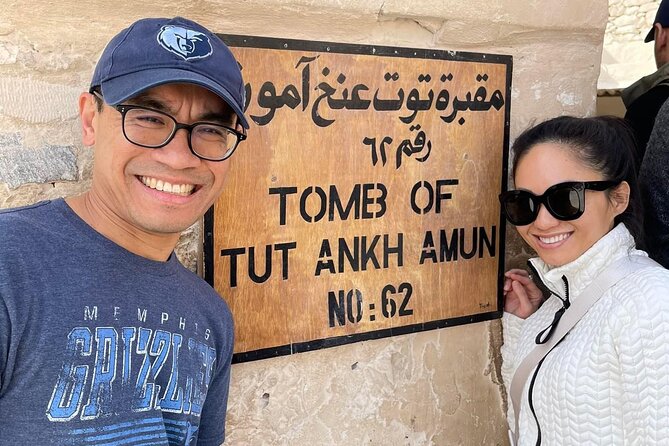
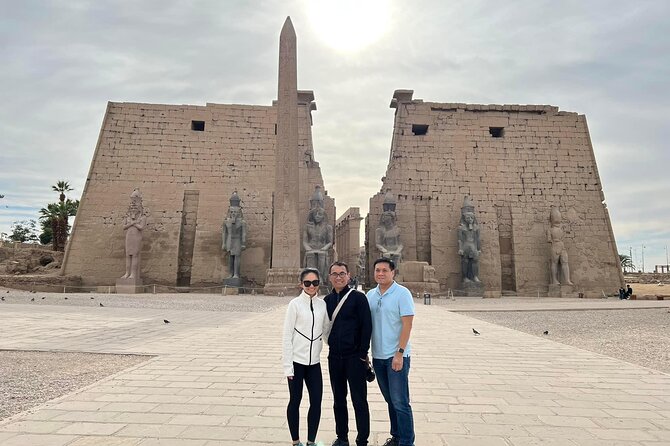
Day 1 is about getting your bearings fast—big time. You start at Karnak Temple, the massive complex dedicated primarily to Amun-Ra (and also associated with Mut and Khonsu). It covers over 200 acres and was expanded for thousands of years by more than 30 pharaohs. The scale is the point, but the guide explanation is what turns that scale into something you can actually understand.
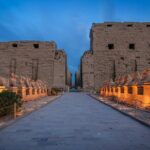
Karnak’s Hypostyle Hall is the headline: 134 colossal columns packed with hieroglyphs. Even if you’ve seen photos, being inside the hall changes how you feel about Egyptian architecture. The Sacred Lake, the Great Pylon, and the Avenue of Sphinxes help connect what would otherwise feel like scattered ruins into a temple “system.”
Later you move to Luxor Temple, located in the heart of Luxor along the Nile. This temple is tied into the Opet Festival, a festival connected to divine renewal, and it’s linked to Karnak through the sphinx-lined avenue. That connection is why this day works: you’re not just visiting two random temples. You’re walking a bridge between how the Egyptians organized worship space.
If you like your monuments with atmosphere, this is the day to aim for timing. The itinerary notes that Luxor Temple at sunset or with night illumination can be especially memorable.
Day 2: Hot air balloon over the Valley of the Kings, then the tombs themselves
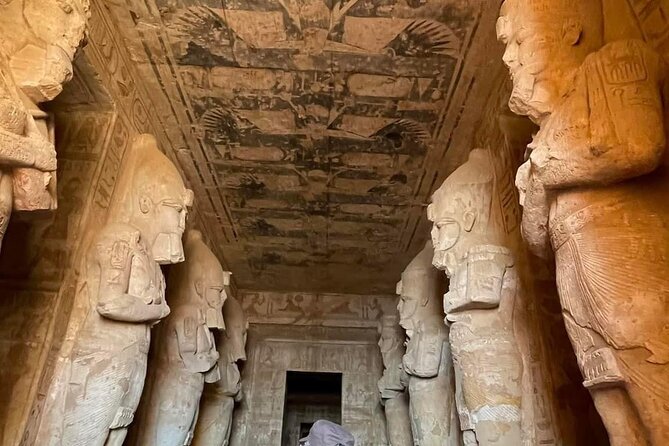
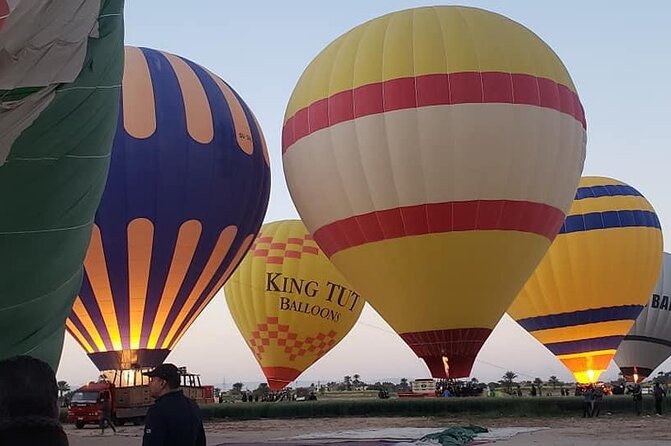
Day 2 starts with one of the most dramatic upgrades you can make to a Luxor trip: a hot air balloon ride over Luxor. From the air, you get sweeping views of the Nile and the ancient wonders below, and then—this is the key move—you return to the ground to visit the sites that you just saw from above.
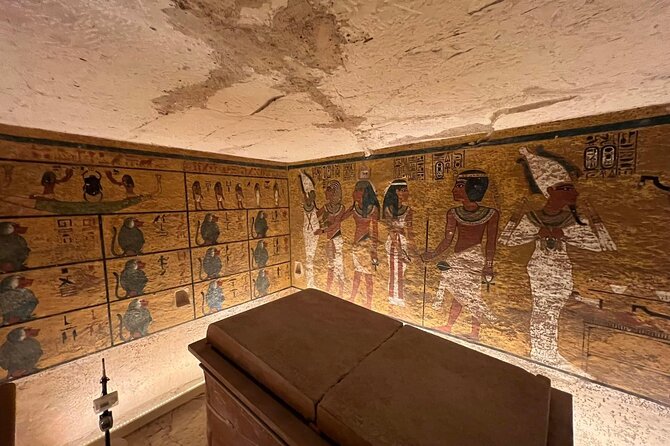
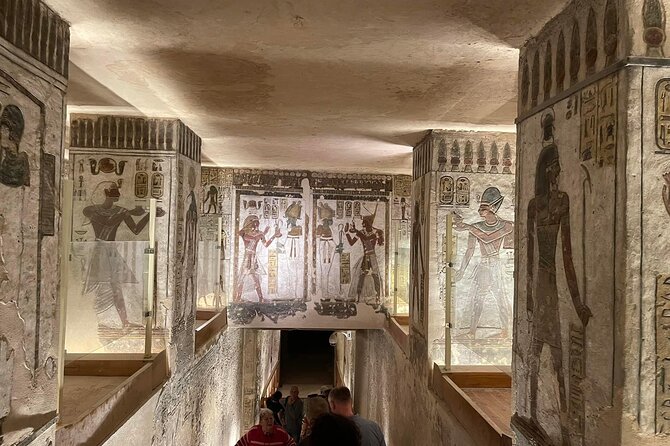
After landing, you go straight into the Valley of the Kings, the famous burial place for Egypt’s pharaohs. The itinerary highlights two standout tombs you can access during this day: the Tomb of King Seti I and the Tomb of Tutankhamun. If you’re the type who likes “why this matters,” focus on the fact that these tombs are decorated with artwork and treasures tied to New Kingdom beliefs about the afterlife.
Next comes Tomb of Queen Nefertari in the Valley of the Queens. This stop is worth placing after the Kings sites because it shifts your perspective. You’re still seeing royal burial art, but the setting is quieter and the focus is on queens and royal family roles. Nefertari’s tomb is presented as a crown jewel, with vivid artwork portraying her afterlife journey guided by gods and goddesses.
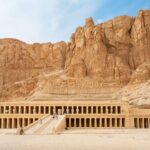
Then you wrap the day at Temple of Hatshepsut at Deir el-Bahari. This is one of those places where the stones look planned, even now. Hatshepsut was the only female pharaoh of the New Kingdom, and her temple’s terraces and cliff backdrop give it strong visual impact. The reliefs covered in the tour description include her divine birth story and her trade expedition to Punt, which helps explain that her reign wasn’t only about monuments—it was also about power, economy, and legitimacy.
Day 3: Ramses II, Medinet Habu, and Deir el-Medina’s real workers
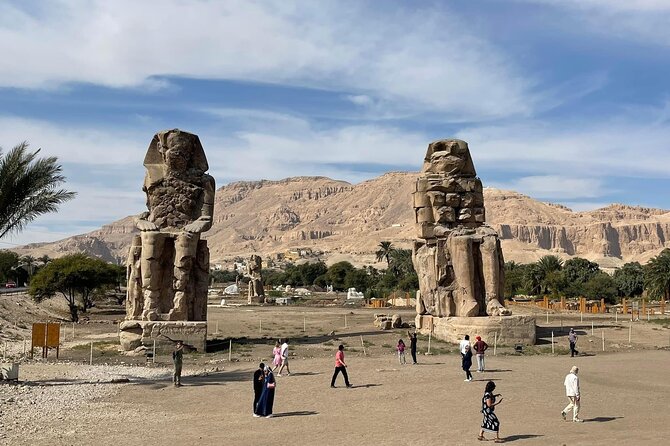
Day 3 is West Bank heavy, and it’s also where the tour starts showing its depth. You begin at the Ramesseum, the mortuary temple of Ramses II. This temple is known for colossal statuary, including a fallen statue of Ramses II described as about 57 feet. The walls and reliefs tie back to military victories and divine offerings, so you get a sense of how a pharaoh built his legend in stone.
From there you go to Medinat Habu (Medinet Habu/Medinet Habu), described as one of Luxor’s best-preserved temple complexes and a strong stop for history-focused visitors. It’s associated with Ramses III and dedicated to Amun. The stop description calls out the pylon gate, massive Hypostyle Hall, courtyards, and chambers, plus well-preserved frescoes.
Here’s the practical note: Medinet Habu is marked as admission ticket not included in the stop list. In other words, you may have an extra cost on this day, even though many other entrances are covered.
The final stop is a different kind of magic: Valley of the Artisans (Deir el-Medina). This site is dedicated to the tombs of workers and artisans who built royal tombs in the Valley of the Kings. That’s a major shift from the pharaohs. The itinerary description stresses that these tombs show scenes of daily life, work, and spiritual beliefs, and it highlights the Tomb of Sennedjem as one of the best-preserved examples.
If you want one reason this day feels meaningful, it’s this: you leave with a broader idea of who held the project together. The Valley of the Kings tells you what the elite wanted. Deir el-Medina shows who made it happen.

Day 4: Luxor Museum and the Mummification Museum for context
After three intense days of temples and tombs, Day 4 slows down the pace with two museum stops. That’s not a “break day.” It’s a strategy.
First is the Luxor Museum on the East Bank. The tour description frames it as a treasure chest of artifacts ranging from the early dynastic period to the New Kingdom. It calls out statues of Amenhotep III, statues of Thutmose III, and the Royal Mummy of the 18th Dynasty. Even if you’ve been admiring carvings all week, museum artifacts give you a clearer sense of craftsmanship and everyday details that don’t always come through in temple walls.
Then you visit the Mummification Museum, focused on the art and process of mummification for afterlife beliefs. The stop description mentions exhibits like mummified animals, embalming tools, and displays tied to the spiritual roles of priests and embalmers. You also get human mummies and explanations of how Egyptians preserved bodies.
This day is useful because it helps you interpret what you saw earlier. Tomb decorations, royal burials, and the focus on the afterlife aren’t random themes. They connect to how Egyptians imagined the journey beyond death.
Day 5: Dendera and Abydos for Hathor and Osiris
Day 5 is where the tour stretches outside Luxor proper with two major day trips.
You start at the Dendera Temple Complex, dedicated to Hathor. The tour description highlights how well-preserved the temple is and calls out a Hypostyle Hall with richly decorated columns. One signature highlight is the Ceiling of the Goddess Hathor, featuring the Zodiac of Dendera, presented as one of the famous astronomical charts in Egyptian history.
The distance matters here: Dendera is about 60 kilometers north of Luxor. That’s a real chunk of travel time, but it’s also why this tour earns its “majestic wonders” name. You’re not just staying in one area and ticking off the easiest-to-reach monuments.
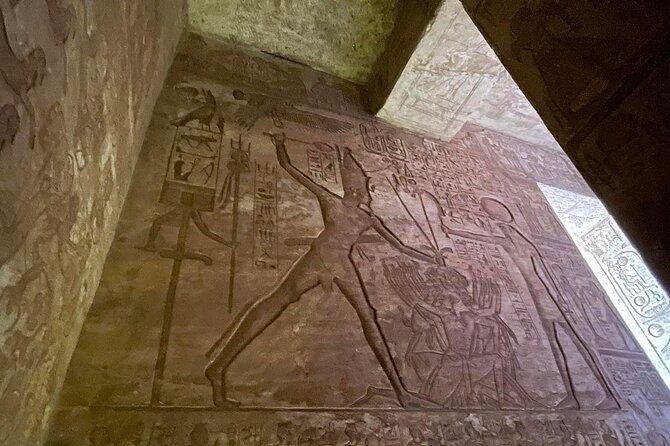
Next is Temple of Seti I at Abydos, dedicated to Osiris, the god of the afterlife. The itinerary description notes exquisite architecture and detailed reliefs, plus the Osireion, a subterranean feature believed to represent Osiris’s tomb. It also calls out the Abydos King List, a relief showing names of past pharaohs, which makes the site feel like both a sacred space and an identity archive.
Abydos is about 170 kilometers north of Luxor, which is why this day can feel long. Still, if you like seeing Egyptian religion at different scales—from regional worship at Dendera to Osiris-focused sacred geography at Abydos—this is a day that delivers.
Day 6: Edfu’s Horus temple and Kom Ombo’s double meaning
Day 6 returns to the Nile corridor with two of the Ptolemaic-era temple stars.
First is the Temple of Horus at Edfu. The description emphasizes that it’s one of Egypt’s best-preserved temples. It includes a towering pylon gate and detailed reliefs illustrating the mythological battle between Horus and Set, framed as triumph of good over evil. Inside, you move through courts and ritual spaces toward sanctuaries and the holy of holies. The overall effect is that the temple doesn’t just show religious symbols—it stages the religion as a story you can walk through.
Then you go to Temple of Kom Ombo, a double temple dedicated to two gods: Sobek (crocodile god tied to fertility and creation) and Horus the Elder. The symmetrical design is the hook here: two entrances, two sanctuaries, and separate altars. The wall reliefs cover rituals and medical instrument references, plus the mention of crocodile mummies connected to Sobek.
The itinerary also points to the temple’s surgical stone carvings, giving this stop a different flavor than the purely myth-and-ritual temples. It’s still religious, but it also signals how the Egyptians tied knowledge and practice to sacred belief.
Why the guide makes this tour feel smoother (Hosni Zahran is mentioned by name)
The reviews are unusually consistent on one thing: the guide matters. Several people mention Hosni Zahran specifically—his patience, his communication, and his local guidance. One reviewer even described him helping with a problem in Luxor, with a calm, helpful attitude and clear help in a real-world moment, not just during scheduled stops.
That kind of support matters more on a tour like this than you might think. When the schedule moves from balloon to tombs, from museums to long day trips, you want a guide who can manage timing and explain what you’re seeing without leaving you lost.
If you book this, look for a guide experience that feels like conversation. The value here isn’t only in entry fees and major sites. It’s in making the monuments intelligible.
How to decide if this Luxor plan fits you
This tour is a strong match if you want:
- A full Luxor and West Bank hit with the balloon and major tomb temples on Day 2
- Temple lovers’ variety, from Karnak and Luxor Temple to Hatshepsut, Deir el-Medina, Edfu, and Kom Ombo
- Extra context days, with the Luxor Museum and the Mummification Museum
- Two big religious day trips to Dendera and Abydos, even though it means longer days
It might not be your best fit if you prefer:
- A slower pace with fewer moving parts per day
- A plan without any possible extra entry cost (Medinet Habu is marked as not included)
- Minimal early mornings (the tour starts at 7:00 am, and Day 2 includes the balloon ride)
If you’re the kind of traveler who likes your history organized into a journey—where the West Bank tombs connect to afterlife beliefs, and the temples connect to festivals and gods—this is built for you.
FAQ
Is this a private tour?
Yes. It’s listed as private, so only your group participates.
What’s the tour duration?
It’s approximately 6 days.
When does the tour start?
The start time is 7:00 am.
Does the tour include hotel pickup and drop-offs?
Yes, hotel pickups and drop-offs are included.
Is a hot air balloon ride included?
Yes. Day 2 includes a hot air balloon ride over Luxor, with admission ticket included.
What temples and tomb sites are included?
The itinerary includes Karnak Temple, Luxor Temple, the Valley of the Kings, Tomb of Queen Nefertari, Temple of Hatshepsut, the Ramesseum, Medinet Habu, Valley of the Artisans (Deir el-Medina), Luxor Museum, the Mummification Museum, Dendera Temple Complex, Abydos (Temple of Seti I), Temple of Horus at Edfu, and Temple of Kom Ombo.
Are entrance fees included?
Entrance fees are included overall, but Medinet Habu is specifically marked as admission ticket not included in the stop list.
What’s included in the price?
Included items are entrance fees, bottled water, hotel pickups & drop-offs, and an expert Egyptologist guide.
Do I need to budget for tipping?
Tipping and gratuities for the guide and driver are not included.
Is cancellation free?
Yes, free cancellation is available up to 24 hours in advance for a full refund.