REVIEW · JODHPUR
Blue City Heritage Walks Jodhpur
Book on Viator →Operated by Blue City Heritage Walks Jodhpur · Bookable on Viator
Jodhpur turns blue before the city wakes. This private Blue City Heritage Walk is built around intimate storytelling—hidden blue lanes, everyday street moments, and a close look at Jodhpur’s water systems and devotion, all led by the city’s only female guide. The day ends with homemade vegetarian breakfast at a local family home.
I love two things most. First, the stop at Toorji Ka Jhalra (Toorji’s Step Well) gives you a photogenic structure in rose-red sandstone, plus context for why stepwells mattered in daily life. Second, Navchowkiya is less about monuments and more about how the old city actually hums—sights, sounds, and smells you wouldn’t catch from a quick photo stop.
One drawback to consider: you start early, and the walk depends on good weather. If you dislike mornings or you don’t like tight lanes and a bit of walking (including stairs around old structures), plan accordingly.
In This Review
- Key highlights worth knowing
- Starting at Clock Market: why the meeting point matters
- Toorji Ka Jhalra stepwell: more than a quick photo stop
- Ranisar Padamsar Lakes: the city’s water system story
- Shri Gangshyam Ji Maharaj Mandir: Krishna devotion in an 18th-century setting
- Navchowkiya crossroads: where you actually feel old Jodhpur
- Sardar Market: a bazaar you can navigate with a guide
- The homemade vegetarian breakfast that makes the morning feel complete
- Price and value: what $32.62 gets you (and why it’s not just a bargain number)
- Who should book this Blue City walk in Jodhpur?
- Is the guide really the star here?
- Should you book Blue City Heritage Walks Jodhpur?
- FAQ
- What is the duration of the Blue City Heritage Walk in Jodhpur?
- What time does the tour start?
- Where does the tour begin?
- What’s included at the end of the walk?
- Are there admission tickets for the scheduled stops?
- Is this a private tour?
- What happens if the weather is bad or I need to cancel?
Key highlights worth knowing
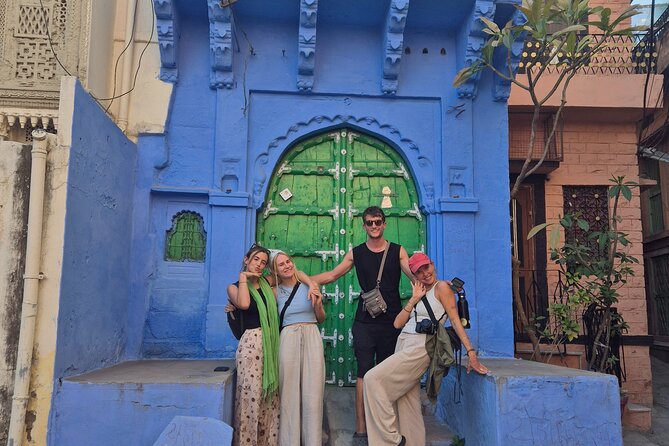
- Only female guide with a storytelling style that focuses on ordinary life, not just royal legends
- Toorji Ka Jhalra stepwell: rose-red sandstone and easy sunrise/sunset vibes
- Ranisar and Padamsar lakes: old water-conservation design still visible today
- Temple visit at Shri Gangshyam Ji Maharaj Mandir: Krishna worship in an 18th-century setting
- Navchowkiya: a real crossroads feel, not a staged attraction
- Breakfast with a local family: simple vegetarian food that closes the experience warmly
Starting at Clock Market: why the meeting point matters
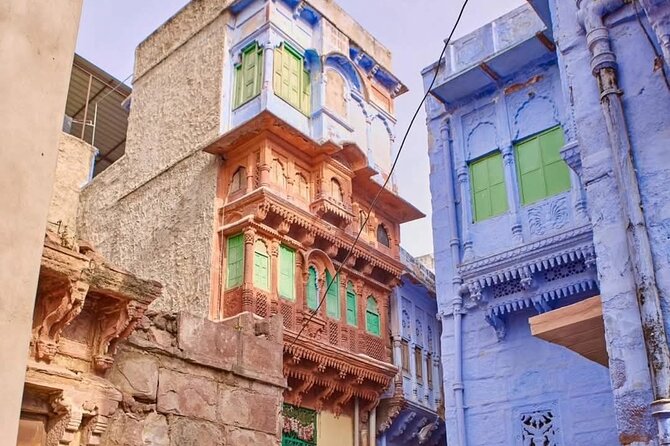
You’ll begin in the old heart of Jodhpur at Clock Market near the Ghantaghar Clock Tower area. That location is practical because it puts you close to the lanes and bazaars you’re actually going to walk through, instead of making you cross the city first.
The tour starts at 7:00 am, which is a huge plus for two reasons. One, you beat the worst of the daytime heat. Two, Jodhpur’s “blue city” look often feels most believable in softer morning light—especially around the older streets where the color sits on walls, not just in a single viewpoint.
Because this is a private tour (your group only), you’re not getting shoved into a big crowd that moves at one speed. It’s easier to ask questions, slow down for photos, or pause when the guide explains how a place fits into the neighborhood’s daily rhythm.
You can also read our reviews of more city tours in Jodhpur



Toorji Ka Jhalra stepwell: more than a quick photo stop
The walk’s first heritage stop is Toorji Ka Jhalra, a carefully designed stepwell built from rose-red sandstone. It’s a classic Jodhpur “heritage shape,” but the value here is how the guide frames it as infrastructure for real people.
Stepwells are more than pretty geometry. In a city shaped by sun and dry months, a structure like this historically supported household water storage and cooling. When you’re standing inside or near the steps, it becomes obvious why this kind of building mattered.
It’s also the kind of stop that works well at different light levels. The site is photogenic for sunrise or sunset shots, and starting early means you get a calmer moment before the area fills in later.
Practical tip: this is the sort of place where you may end up looking up, looking down, and walking a few uneven steps. Comfortable shoes help. And if you’re sensitive to stairs, take your time—your guide will likely pace you.
Ranisar Padamsar Lakes: the city’s water system story
Next up are Ranisar and Padamsar Lakes, two adjacent historic lakes in old Jodhpur. These weren’t built as ornamental ponds; they were part of a royal-era water conservation system. That single detail changes how you see them.
Instead of treating them as scenery, you start connecting them to daily survival—where water was stored, how it was managed, and why the city developed water structures alongside religious and residential spaces. That’s one of the strongest “heritage walk” ideas: the city’s engineering and its beliefs are not separate topics.
The time here is short (about 15 minutes), so you won’t get lost reading every stone detail. But you do get enough to understand the purpose and spot the way the lakes sit inside the old-city layout.
Possible drawback: because the stop is brief, you’ll want to pay attention to what your guide points out. If you’re the type who likes to roam slowly, you may want to budget extra independent time after the walk.
Shri Gangshyam Ji Maharaj Mandir: Krishna devotion in an 18th-century setting
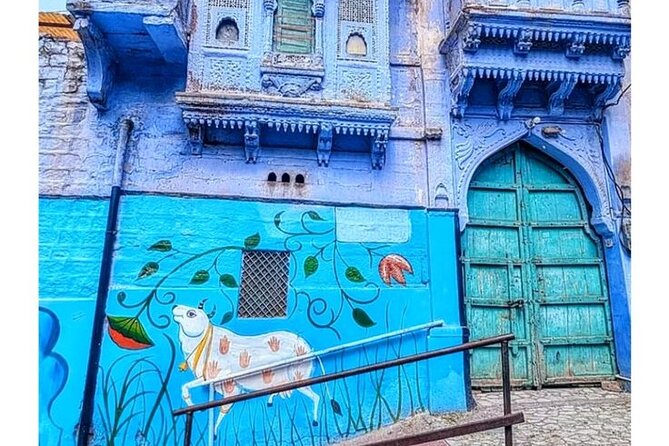
Then you’ll visit Shri Gangshyam Ji Maharaj Mandir, a historic Krishna temple dedicated to Lord Krishna worshipped as Gangshyam. The temple was built in the 18th century, and it has long been a center of Vaishnav devotion.
This stop is valuable for two reasons. First, it adds the spiritual layer that gives the old city its texture. Jodhpur isn’t only blue walls and bazaars—it’s also devotion in everyday life. Second, a guide can help translate what you’re seeing so the visit doesn’t feel like just another religious stop.
Keep your expectations realistic: you’re not there for a long service. The visit is about 15 minutes, likely more focused on introduction, context, and a respectful look around.
Practical note: when you visit temples, dress matters. Use the “cover up” rule—shoulders and legs covered where needed—and plan to move quietly through active spaces.
Navchowkiya crossroads: where you actually feel old Jodhpur
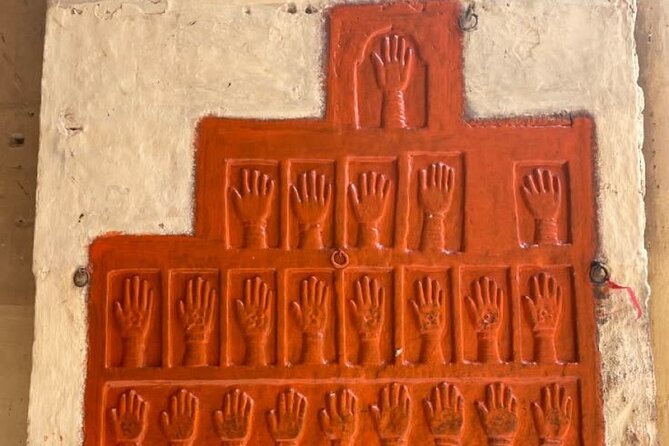
After temples, the walk shifts into street-life storytelling with Navchowkiya. The big idea here is that it’s more than a crossroads—it’s a microcosm of old Jodhpur’s rhythm.
This is where the tour moves away from “listed sights” and toward the places where local life continues. You’re likely to notice the smells from food stalls, the sound of everyday bargaining, and the flow of people moving between shops and homes. For a lot of visitors, that’s the moment the city becomes personal.
The time here is generous compared to the heritage stops—about 1 hour. That extra time matters because you can pause and actually observe, instead of getting rushed through. It also makes this stop a good anchor for photos: you’ll get shots of street texture, not only famous buildings.
One consideration: old-city lanes can be busy and uneven. If your priority is low-effort sightseeing, this part may be a little more intense than you expect. On the other hand, if you want real Jodhpur over postcard Jodhpur, this is the payoff.
You can also read our reviews of more historical tours in Jodhpur



Sardar Market: a bazaar you can navigate with a guide
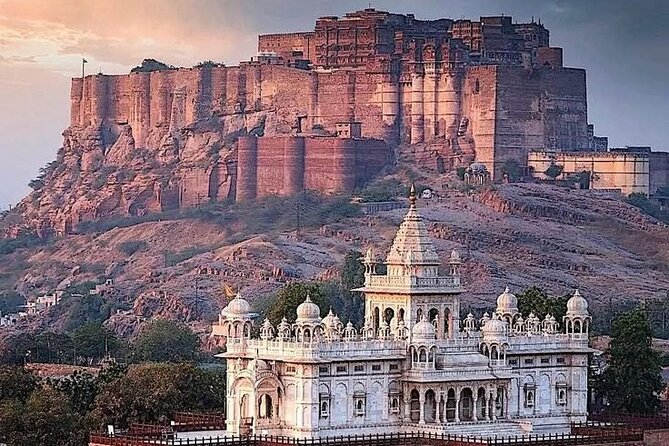
The final main stop is Sardar Market, one of the oldest and busiest markets in Rajasthan. It was built during the reign of Maharaja Sardar Singh, and it remains an atmospheric place where the old city’s trading energy continues.
Markets like this can be overwhelming if you go in alone. With a guide, you’re not just walking down a lane—you’re learning how the market works: what areas sell, what to notice, and how the neighborhood connects commerce to community life.
This stop is also about 1 hour, which is long enough to browse without feeling like you’re being dragged. If you like to shop for small souvenirs—textiles, spices, crafts—this is where your time is most useful.
Balanced expectation: a market stop is not a museum. You’ll see plenty of visual noise. That’s normal. Your guide’s job is to help you focus on what’s meaningful and what’s worth your money and patience.
The homemade vegetarian breakfast that makes the morning feel complete
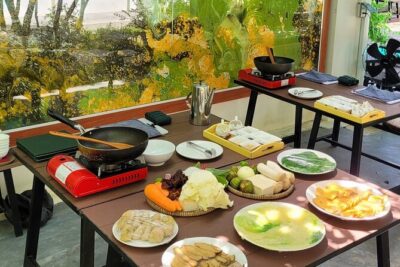
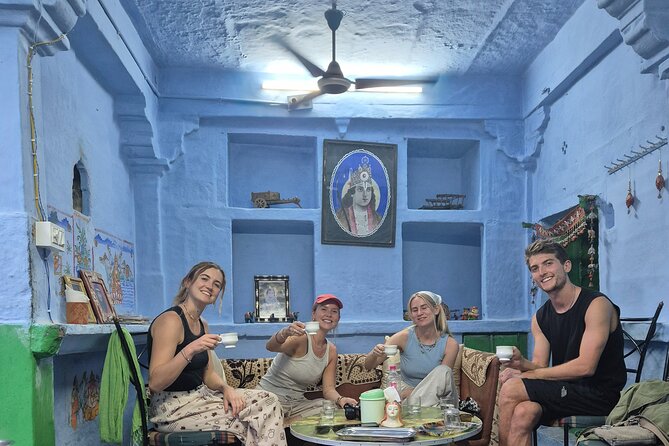
Here’s a detail I really like: the walk doesn’t end at a monument. It ends with simple homemade vegetarian breakfast at a local family home.
That kind of finish can sound casual, but it’s actually strategic. Breakfast gives you a break from walking, and it turns the city from “something you look at” into “something you share.” You also get a calmer setting where local hospitality feels real, not staged.
Because the lunch-like part of the day is built in, you don’t have to scramble afterward to find food in the old lanes. And if you’re worried about what to eat, this is often the easiest way to handle it—someone local has already sorted the basics for you.
What to expect: it’s described as simple and vegetarian. That usually means you should come hungry, but also keep expectations grounded. This is about warmth and cultural connection more than a fancy menu.
Price and value: what $32.62 gets you (and why it’s not just a bargain number)

At about $32.62 per person, this walk is priced like a guided experience, not like a ticketed attraction. The key value point is what’s included in your time.
First, it’s a private tour. You’re not sharing your guide with strangers, which usually makes a big difference in how much you understand and how comfortable you feel moving through tighter old-city streets.
Second, the scheduled heritage stops list free admission tickets. Stepwell, lakes, temple—your money goes toward guiding time and the curated flow, not toward entry fees.
Third, the breakfast at a family home is part of the package. Even if you eat cheaply elsewhere, breakfast on your own typically costs more than you think once you’re factoring in convenience, location, and uncertainty.
My practical take: this price makes sense if you want context and safety while walking the old city, and you care about seeing more than just one famous viewpoint.
Who should book this Blue City walk in Jodhpur?
This is a strong choice if you want:
- a female guide who focuses on stories and daily life, not only royal monuments
- an early start that helps you dodge heat and crowds
- a mix of heritage structures (stepwell, lakes, temple) and street-level life (Navchowkiya and Sardar Market)
- a local, vegetarian breakfast that gives the day a “wrap” instead of an abrupt ending
It may be less ideal if you hate mornings or you want long, slow wandering with zero direction. This walk is structured: you’ll cover several areas in about 3–4 hours, and some stops are intentionally brief.
Also, if you have mobility limits, ask yourself honestly how you feel about old-city walking and steps near heritage sites. The tour says most travelers can participate, but comfort depends on how you handle uneven ground and stairs.
Is the guide really the star here?
In the reviews, the guide experience is repeatedly the main reason people feel happy they booked. Guides are often the difference between seeing a place and understanding it.
Names that come through clearly: Sabiha and Sabiha Sheikh. People describe her as strong on Jodhpur’s history and also on connecting it to everyday life—meaning you’re not only learning facts, you’re learning how those facts shape how people live now.
You’ll also see mentions of English being spoken well, plus a friendly sense of humor and personal attention. One review even highlights that she stayed attentive when someone got sick and helped them through the day.
That doesn’t mean every tour is “one long emergency plan.” But it does tell me the guiding style is relationship-based, not just stopwatch-based.
Should you book Blue City Heritage Walks Jodhpur?
If your idea of a great Jodhpur day is a mix of old-city blue lanes, practical context, and a breakfast finish that feels human, I’d book this. The private format plus free admissions plus the homemade vegetarian meal is a solid combo for the money.
I’d especially recommend it if you’re the type who asks questions or likes to understand why a place looks the way it does. Stepwell engineering, water conservation lakes, and Krishna temple devotion don’t need to be separate stops when a guide ties them into one walking story.
If you’re looking for a long, monument-heavy day with minimal walking, you might be happier with a different style of tour. But for most people who want the “soul” behind Jodhpur’s famous color, this is a smart fit.
FAQ
What is the duration of the Blue City Heritage Walk in Jodhpur?
It runs for about 3 to 4 hours.
What time does the tour start?
The start time is 7:00 am.
Where does the tour begin?
The meeting point is Clock Market (near the Ghantaghar Clock Tower area), Jodhpur.
What’s included at the end of the walk?
The walk concludes with a simple homemade vegetarian breakfast at a local family home.
Are there admission tickets for the scheduled stops?
The listed stops include admission ticket free.
Is this a private tour?
Yes. It’s private, so only your group participates.
What happens if the weather is bad or I need to cancel?
It requires good weather. If it’s canceled due to poor weather, you’ll be offered another date or a full refund. Free cancellation is available up to 24 hours in advance for a full refund; changes within 24 hours aren’t accepted.