REVIEW · JODHPUR
Jodhpur Blue City Heritage Walking Tour
Book on GetYourGuide →Operated by Blue City Adventures · Bookable on GetYourGuide
Jodhpur’s blue lanes feel unreal at street level, and this Blue City Heritage Walking Tour is one of the best ways to see them with context. I love how the licensed guide connects the water history (stepwells and reservoirs) to daily life, and I also love the frequent photo stops that make it easy to frame the famous blue streets. One thing to consider: the walk is not suitable for wheelchair users or people with mobility impairments, so plan for uneven lanes and stairs.
You start near the Clock Tower and move through iconic spots like Toorji Ka Jhalra (an 18th-century stepwell), then along the lanes toward Navchowkiya and the market area. If you’re aiming for “culture plus photos,” this tour keeps both moving without turning into a long, slow sightseeing slog.
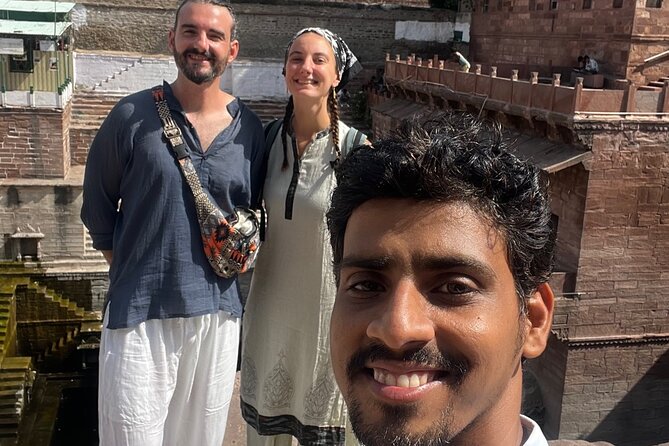
The guide behind the experience is often Imtiyaz (you may hear Imti), and multiple bookings highlight his friendly, professional style and excellent English. In one case, he even made an effort to speak French, which is a nice bonus if you’re not traveling with Hindi.
In This Review
- Key highlights you’ll actually notice
- Start by the Clock Tower: Shahi Samosa and instant orientation
- Toorji Ka Jhalra Bavdi: the 18th-century stepwell that steals the show
- Padamsar Talab: a short break that teaches water logic
- Navchowkiya: blue lanes, easy photo angles, and a sense of place
- Clock Tower Road and the market energy: crafts, crowds, and snack stops
- Temples on the route: calm pauses inside the lane rhythm
- Gulab Sagar: a short visit that lands as a finale
- How much walking is this, really?
- Price and value: $16 for a guided, entrance-included walk
- Who should book this walking tour in Jodhpur
- Should you book the Jodhpur Blue City Heritage Walking Tour?
- FAQ
- How long is the Jodhpur Blue City Heritage Walking Tour?
- How much does the tour cost?
- Where do I meet the guide?
- What languages is the live guide available in?
- What stops are included in the tour?
- Are there any places I pay extra for during the tour?
- What should I bring?
- Is this tour suitable for wheelchair users or mobility impairments?
- What’s the cancellation policy?
Key highlights you’ll actually notice
- Toorji Ka Jhalra stepwell: an early landmark that sets the tone with architecture and history
- Padamsar and Ranisar reservoirs: water design that shaped how the city grew
- Navchowkiya blue lanes: photo stops with guidance on where to stand and what to notice
- Clock Tower Market: chances to browse crafts and taste local snacks around the food scene
- Gulab Sagar: a short but memorable finish near another major water structure
- Licensed guide in English or Hindi: clear explanations that help you make sense of each stop
Start by the Clock Tower: Shahi Samosa and instant orientation
The tour meeting point is Shahi Samosa Arora Namkeen, just outside the Clock Tower. That’s a smart choice because you can orient yourself fast, even if Jodhpur feels like a maze the first time you arrive. It also means you’re already close to the center of activity, so you’re not spending your only two hours traveling across town.
You’ll kick things off with a short setup and then move directly into the first major historical stop. I like that the pace is built for a walk: you get one strong anchor point early, not just a vague stroll where it takes an hour to hit your first wow moment.
If you’re the type who likes to know what you’re looking at, this format helps a lot. The guide isn’t just pointing down the road; you get brief context as you go, so the blue walls start to feel connected rather than random.
You can also read our reviews of more walking tours in Jodhpur



Toorji Ka Jhalra Bavdi: the 18th-century stepwell that steals the show
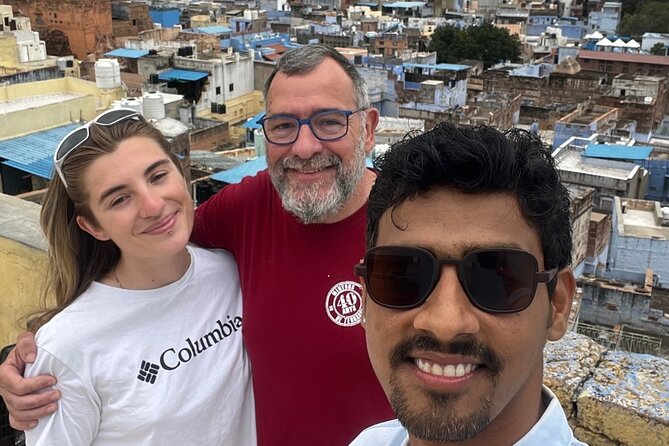
Your first big stop is Toorji Ka Jhalra Bavdi, a stepwell tied to the 18th century. This is the moment where Jodhpur’s design language jumps out at you—stonework, steps, and the sense that water was treated with real engineering respect.
You’ll get time for photos, plus a quick safety briefing before you head around. That’s practical, especially in older stepwell areas where surfaces can be uneven. If you’re traveling with a camera, this is also where you can slow down and get a few clean shots before the crowd energy builds later around the market.
What makes this stop valuable is how it frames the rest of the tour. Jodhpur’s blue lanes don’t just look a certain way because of color; the city’s water infrastructure and architecture shaped where people gathered, how they moved, and how the old neighborhoods functioned.
Practical tip: comfortable shoes matter here. You’ll likely be stepping up and down, and stepwells are not where you want to test your newest sandals.
Padamsar Talab: a short break that teaches water logic
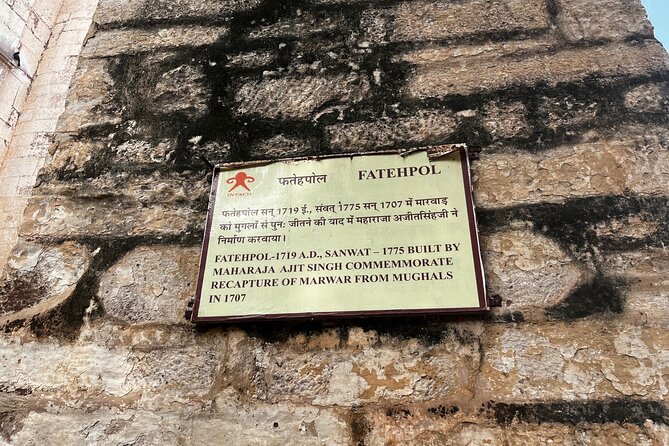
Next up is Padamsar Talab. Expect a short break time and photo stop, then a guided visit. This part of the route works like a breather: you’ve already seen the famous stepwell, and now you shift to another type of water reservoir system.
I like the way this turn changes your viewpoint. Stepwells are dramatic, but reservoirs explain the everyday scale of water management. You start to see how these spaces were planned—where people came for water, how the design supported storage and access, and how the city organized itself around water needs.
The visit is brief, but guided explanations can do a lot in a short window. The goal isn’t to turn you into a water historian; it’s to give you enough background that later, when you see other walls and courtyards, you understand what you’re looking at.
Possible drawback: If you prefer nonstop walking with no breaks, this short stop might feel like a pause. But it’s also a smart moment to reset your energy and pick up details from the guide before you hit the busiest lane sections.
Navchowkiya: blue lanes, easy photo angles, and a sense of place
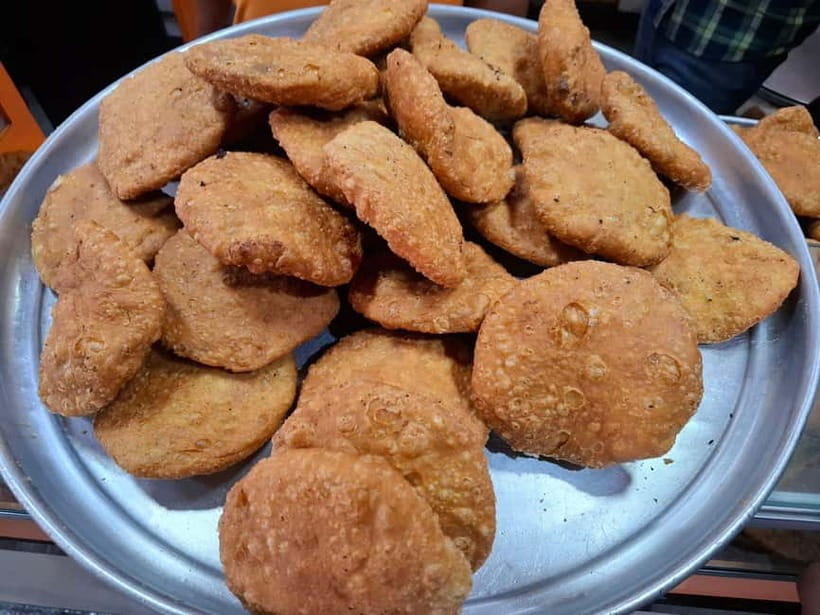
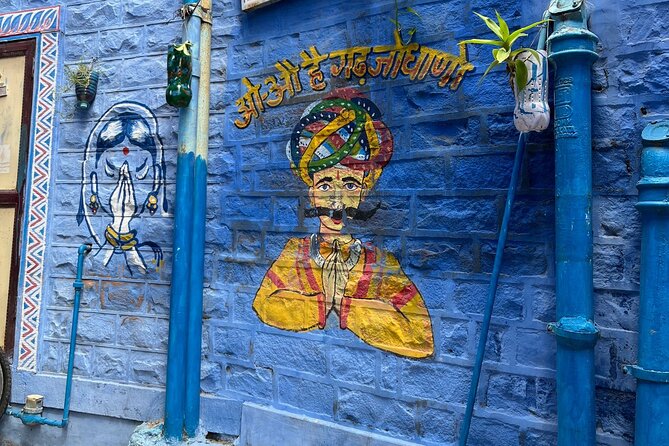
Navchowkiya is where the classic blue city look becomes real at street level. You’ll spend around 30 minutes here with photo stops and a guided walk. This is the section designed for that specific Jodhpur feeling: walls painted blue, tight lanes, and everyday life happening close to you.
What you’ll appreciate is how the guide helps you see composition, not just color. You get direction on where to stand and how to frame the architecture so your photos look intentional. Multiple experiences mention strong photo opportunities here, which makes sense—this is where the tour gives you time, not just a quick pass.
The value is more than Instagram. When you walk with explanations, you start noticing the small architectural patterns that make these neighborhoods work. Even if you’re not a design person, you’ll begin to spot what repeats: textures, doorways, and how lanes funnel light.
Practical note: blue lanes mean small streets. Keep your phone ready, but also keep your feet ready. You’ll want to move carefully, especially if it’s hot or if the pavement is slick.
Clock Tower Road and the market energy: crafts, crowds, and snack stops

From Navchowkiya, you head toward Clock Tower Road and then the Clock Tower Market area. This segment runs about 30 minutes and includes photo time, guided sightseeing, and market browsing.
This is where the tour shifts from architecture and water to daily Jodhpur. The market area is also where your guide’s role becomes extra helpful: you’re not just walking through stalls—you’re learning what the place is and how locals use it.
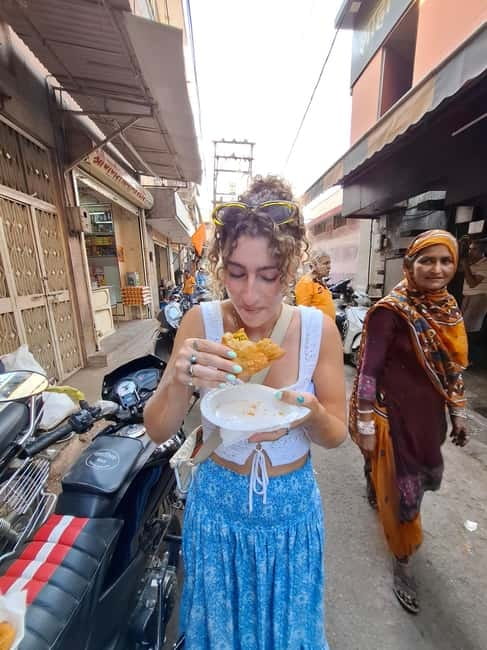
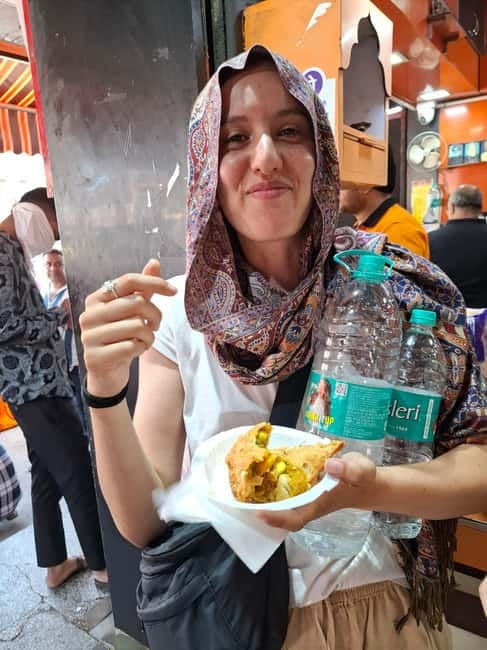
Expect time to interact with artisans and craftsman, plus chances to explore local delicacies and Rajasthani snacks around the market. Just keep expectations realistic: the tour includes access to the places listed, but food itself isn’t listed as included. So if you want to eat, you should plan to pay for what you order.
One detail that pops up in experiences is that people come away with specific recommendations for where to eat near the market. That’s exactly what you want from a guide in a working market area: not generic advice, but practical suggestions tied to what’s fresh and what’s worth the stop.
Possible drawback: markets can feel busy and noisy, especially later in the day. If you’re sensitive to crowds, try to keep moving with the guide rather than stopping randomly, and take photos quickly so you don’t get stuck in foot traffic.
You can also read our reviews of more city tours in Jodhpur



Temples on the route: calm pauses inside the lane rhythm
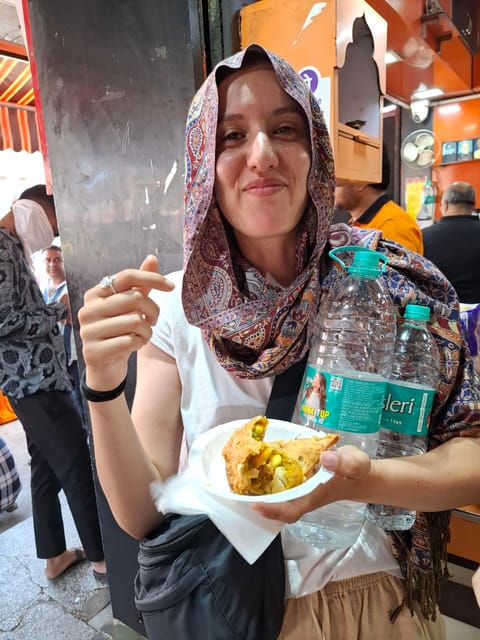
Along the way, the tour also includes visits to couple of beautifully architectured temple spaces. One named temple in the included list is Shri Gangshyam Ji Maharaj Temple.
These temple stops add balance. After lanes and market motion, you get quieter spaces where architecture and devotion shape the mood. The guide’s explanations help you understand why the space matters and what you’re seeing beyond the obvious visual details.
I like including temples in a walking route like this because they slow you down just enough to reset your attention. You start the tour seeing Jodhpur’s famous blue look, but by this point you’re also noticing how spiritual and civic life occupy the same neighborhoods.
Practical tip: dress respectfully if you’re visiting temple areas. Your shoulders and knees should be covered, or you might get turned away depending on the site rules.
Gulab Sagar: a short visit that lands as a finale
Your last named stop is Gulab Sagar. It’s brief—around five minutes—but it still matters because it ties back to the tour’s big theme: water structures as core landmarks.
By the time you reach Gulab Sagar, you’ve already seen a stepwell and other reservoirs, so it’s not just “one more pretty place.” You’ll likely notice similarities in how the city organizes around water access and how major structures function as points of reference.
Then you arrive back at Shahi Samosa Arora Namkeen. Ending near the starting spot is convenient because it means you can pivot immediately to whatever you want next: shopping, a rest, or heading toward your next stop in the city.
How much walking is this, really?
The tour is listed as 2 hours and it’s a walking heritage route. That means you should expect several short stretches of movement plus photo stops, plus a couple of brief breaks. The included stops are close enough to connect by foot, but not close enough to feel like an effortless stroll.
If you bring comfortable shoes, you’ll be fine for most walking styles. But if your mobility is limited, this isn’t a good match; the tour is not suitable for wheelchair users and people with mobility impairments.
A small but real consideration: old-city lanes can be uneven, and stepwells add stairs and footing changes. Even if you’re comfortable walking, go slow in the first historical stop area so your body isn’t adjusting awkwardly later.
Price and value: $16 for a guided, entrance-included walk
At $16 per person for a 2-hour experience, the value is strong if you care about guided context. You’re paying for a licensed guide who explains local life, culture, and heritage as you walk, and you’re also getting entrance included for the listed sites.
That matters because Jodhpur’s main sights can turn into a choose-your-own-adventure of ticket lines, confusing directions, and wasted time. Here, the route is built for a tight schedule: major landmarks early, blue lanes mid-route, and market life before you finish.
Also, the guide’s quality makes a difference at this price. Multiple experiences emphasize Imtiyaz’s friendliness, professionalism, and ability to answer questions at the corners where you’d otherwise be guessing. That kind of on-the-ground interpretation is what you’re really buying, not just the sightseeing.
Food note: since tastings aren’t listed as included, plan to budget a little extra if you want to try snacks in the Clock Tower Market area.
Who should book this walking tour in Jodhpur
This tour is a great fit if you:
- Want the Blue City experience with explanation, not just a self-guided route
- Enjoy photo stops where someone helps you find good angles
- Like walking tours around central neighborhoods where you can continue exploring after
- Want to see water structures like stepwells and reservoirs alongside temples and markets
It may not be the best choice if you:
- Have mobility limitations or need wheelchair-friendly routes
- Hate markets and crowd noise
- Want long, slow museum-style time at a single stop (this route is paced for walking and highlights)
It’s also a solid first or second day activity because it gives you bearings fast. Starting near the Clock Tower helps you understand how Jodhpur’s core connects.
Should you book the Jodhpur Blue City Heritage Walking Tour?
If you’re paying for one guided walk in central Jodhpur, I’d lean toward this one. For the money, you get a real mix: an 18th-century stepwell, reservoirs, temples, blue-lane photography time, and market energy—plus a licensed guide who can explain what you’re seeing as you go.
Book it if you want more than a color-photo hunt. The tour’s focus on water landmarks makes Jodhpur feel understandable, not just pretty. You’ll leave with a better sense of why the city looks the way it does.
Skip it if walking uneven lanes is a deal-breaker, or if you’re hoping for a relaxed, fully accessible experience. If mobility is an issue, you’ll be happier choosing a different format.
FAQ
How long is the Jodhpur Blue City Heritage Walking Tour?
The tour lasts 2 hours.
How much does the tour cost?
It costs $16 per person.
Where do I meet the guide?
You meet at Shahi Samosa Arora Namkeen, just outside the Clock Tower.
What languages is the live guide available in?
The guide offers English and Hindi.
What stops are included in the tour?
Included stops are Toorji Ka Jhalra (stepwell), Padamsar and Ranisar reservoirs, Navchowkiya, Clock Tower Market, Shri Gangshyam Ji Maharaj Temple, and Gulab Sagar.
Are there any places I pay extra for during the tour?
The tour includes entrance to all listed places, but anything not mentioned as included is not covered.
What should I bring?
Wear comfortable shoes.
Is this tour suitable for wheelchair users or mobility impairments?
No. It is not suitable for people with mobility impairments or wheelchair users.
What’s the cancellation policy?
Free cancellation is available up to 24 hours in advance for a full refund.