REVIEW · JODHPUR
Jodhpur: Heritage Walking Tour
Book on GetYourGuide →Operated by Jodhpur Heritage Walk · Bookable on GetYourGuide
Jodhpur’s old lanes have a way of catching you. This Jodhpur Heritage Walk turns the blue city from a photo into a route you can actually follow, with stops built around water, temples, bazaars, and the narrow streets between them. One named guide, Prabhat, is repeatedly praised for story-led guiding and careful attention that helps you slow down and notice details you’d miss on your own.
I especially like the mix of sights that go beyond monuments: Toor ji ka Zhaalra, the stepwell, and the Navchokiya blue houses area give you both engineering-in-the-street and real neighborhood life. The one drawback to keep in mind is that this is still a walking tour through old city lanes, so it is not a good fit if you have mobility limits or need wheelchair access.
In This Review
- Key Highlights You’ll Actually Feel On This Walk
- Entering Jodhpur’s Old City: Why This Walk Works
- Meeting Under the Clock Tower: Fast Orientation, Then Off
- Toor Ji Ka Zhaalra Stepwell: The Water Story Behind the City
- Pachetiya Hill: A Breather Between Lanes
- Navchokiya Blue Houses: Your Best Photographic Route
- Water Bodies Beyond One Photo Op
- Temple Visit and Morning Ritual Atmosphere
- Juni Dhan Mandi: Old Grain Market Reality
- Local Eateries: Eat What Fits Your Budget
- Guide Quality Makes the Difference
- Price and Logistics: $18 That Actually Adds Value
- What to Bring (So the Walk Feels Easy)
- Should You Book Jodhpur Heritage Walk?
- FAQ
- Where does the tour start?
- What is included in the tour price?
- Is food included?
- What languages are available?
- What should I bring?
- Is it suitable for wheelchair users or limited mobility?
- Can I bring luggage or a baby stroller?
- Can I cancel if my plans change?
Key Highlights You’ll Actually Feel On This Walk
- Clock Tower start point: you begin just under the landmark and then get oriented fast.
- Toor ji ka Zhaalra stepwell: a water-harvesting stop that explains why Jodhpur grew where it did.
- Pachetiya Hill: a change of pace from lanes, adding height and air.
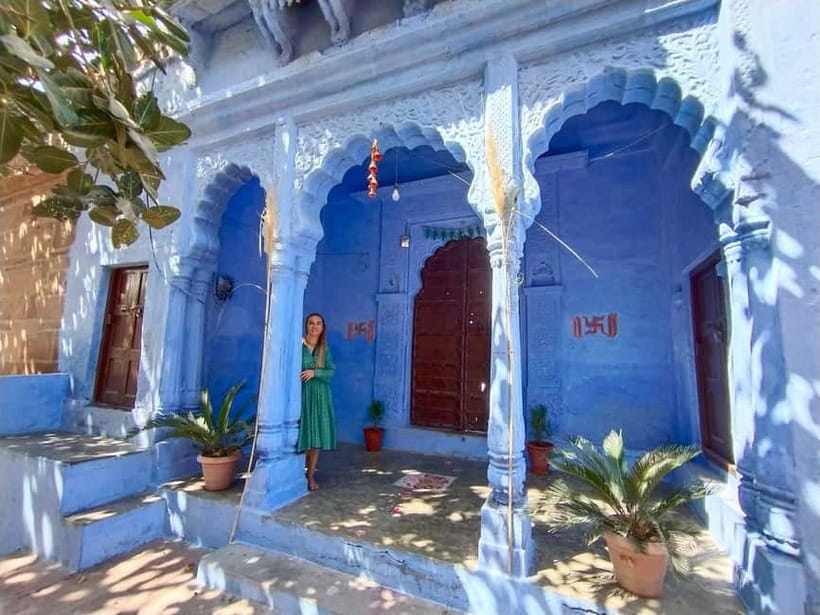
- Navchokiya blue houses: classic Jodhpur colors plus angles that work well for photos.
- Raniser / Padmaser / Jeta Bera water sites: multiple water bodies, not just one quick look.
- Juni Dhan Mandi old grain market: a practical, local-flavored stop tied to everyday life.
Entering Jodhpur’s Old City: Why This Walk Works
If your idea of Jodhpur is mostly the famous blue photos, this tour is a useful correction. You get a guided path through the actual old-city structure: tight streets, household doorsteps, and the mix of public spaces (markets and temples) with water sites that were essential to daily life.
What makes it work is the pacing theme. The walk isn’t just “point to point.” It moves through layers of the city—water systems, religious routine, and the commercial pulse of bazaars—so the places connect in your mind instead of becoming a checklist.
You’ll also get a guide who can adjust. The tour is time bound, but exploration depends on what you care about, which is a big deal on a walking experience. If you lean toward photography, the blue houses and lanes are your main stage. If you’re more into how cities survive in Rajasthan, the stepwell and reservoir stops will be the main story.
And yes, the old city is a little chaotic in the best way. People, sounds, textures, and that early-morning energy around ritual spaces can make you feel like you’re stepping into daily Jodhpur, not just seeing it.
You can also read our reviews of more walking tours in Jodhpur


Meeting Under the Clock Tower: Fast Orientation, Then Off
You start just under the Clock Tower, and you end back there. That sounds simple, but it matters in Jodhpur’s maze-like lanes. It means your “where am I?” stress stays low. The guide can also help you get your bearings quickly before the street geometry starts to blur.
From the meeting point, you’ll transition into the old city’s narrow streets. Expect the kind of walking where comfortable shoes are non-negotiable. If you’re used to wide sidewalks and clean crossings, this will feel tighter, bumpier, and more real.
Practical note: because the tour is walking-heavy, you’ll want to plan for heat and dust. Bring water, wear comfortable clothes, and pack tissues or sanitizer. The tour doesn’t ask you to dress up, but it does ask you to dress for mobility.
Toor Ji Ka Zhaalra Stepwell: The Water Story Behind the City
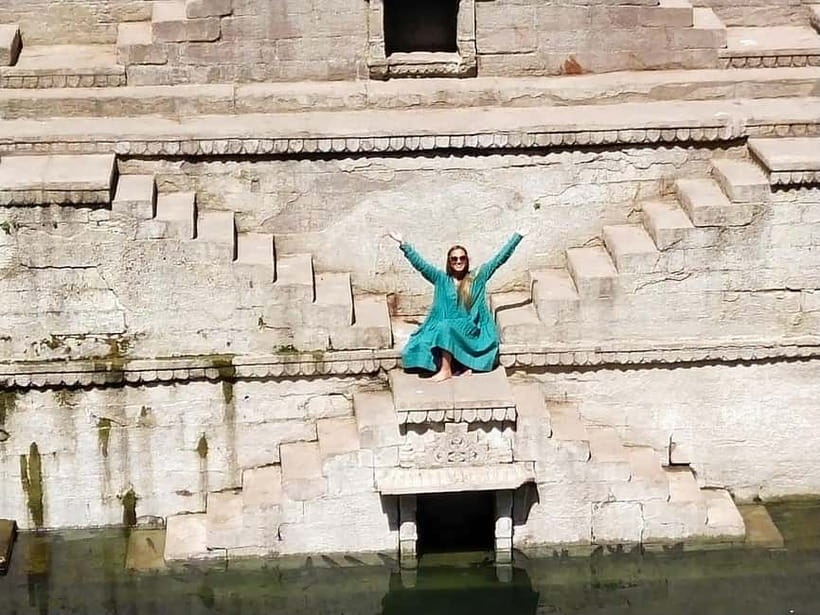
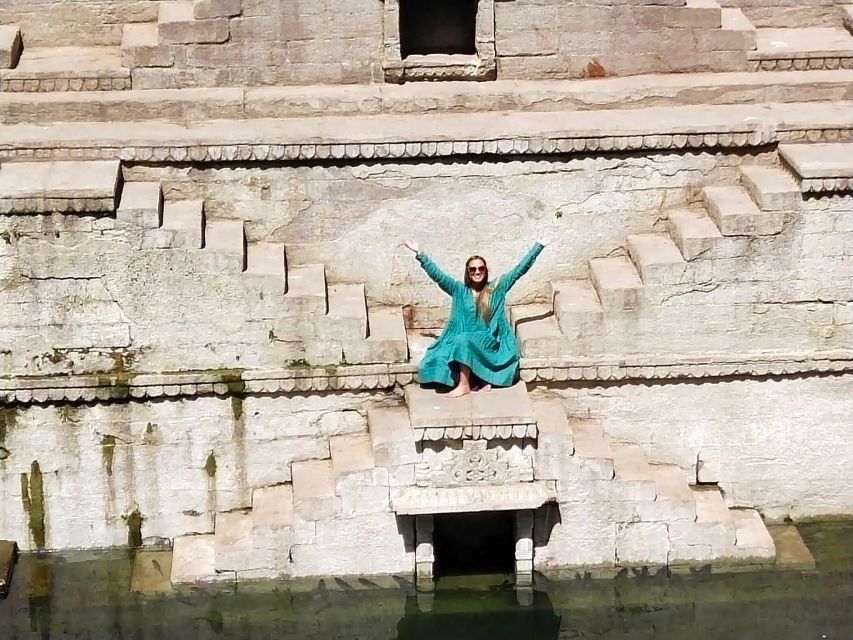
One of the most meaningful stops is Toor ji ka Zhaalra, a stepwell. It’s not just a pretty structure. It’s a window into water harvesting methods used in medieval times, which is exactly the kind of context that makes a city feel alive.
Stepwells are built around a basic problem: water availability. Watching people move through stair-like access points and thinking about how communities managed water over time turns the architecture into practical history.
On this walk, the stepwell also acts like a reset button. After the sensory overload of markets and lanes, you get a calmer, more architectural moment. You can slow down, look for carvings and details, and listen for the guide’s explanations about why this kind of design mattered.
Drawback to consider: you may encounter stairs or uneven footing depending on how the group moves. This walk isn’t described as suitable for wheelchair users or people with mobility impairments, so if that’s you, this stop is likely not the right fit.
Pachetiya Hill: A Breather Between Lanes
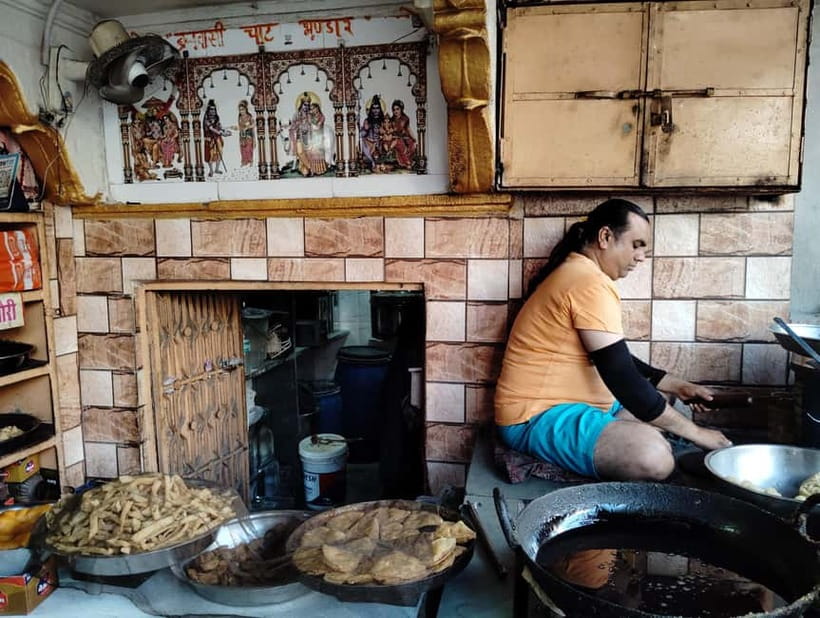
Pachetiya hill gives you a change in landscape and pace. Even without huge museum-style framing, a hill stop helps you break the rhythm of walking narrow streets back-to-back.
Think of it as “movement with meaning.” You’re still in heritage territory, but the hillside setting can help you see how the city sits and how the old and everyday flow together.
What I like about adding a hill on a heritage walk is that it naturally improves your perspective. When you’ve been staring at doorways and signage for a while, a bit of elevation tends to re-center your attention.
If you’re sensitive to stairs or steep stretches, be mindful. The tour isn’t pitched as stroller-friendly or wheelchair-friendly, and hill walking usually means uneven ground and steps.
Navchokiya Blue Houses: Your Best Photographic Route
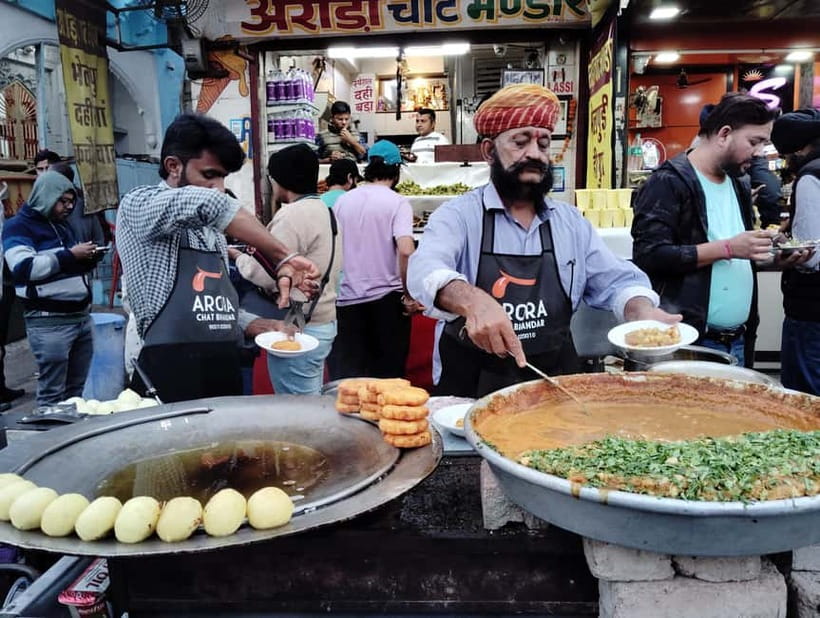
The blue houses area, also referred to as Navchokiya, is a big reason people come to Jodhpur in the first place. But on a guided walk, you don’t just get a single photo stop—you get a route through the streets that shape how the colors appear.
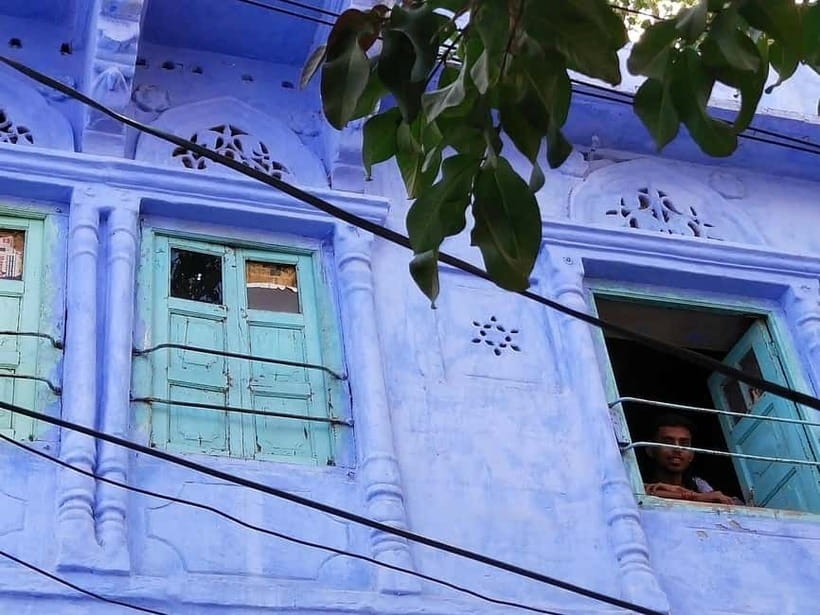
You’ll walk narrow lanes where painted facades, carved details, and everyday door life show up in the same frame. That’s where the blue city becomes more than color; it becomes texture. You get a sense of how residents live next to heritage.
Photography tip: if you’re serious about photos, bring patience. The best angles often come from stepping to different spots, letting people pass, and waiting for light to hit doorways and steps. A walking guide helps you identify where to pause without blocking others.
One small reality check: old city walking usually means insects. In a similar-style walk described by one solo traveler, flies were noticeable, so plan for it with water and a quick tissue/sanitizer routine.
You can also read our reviews of more historical tours in Jodhpur



Water Bodies Beyond One Photo Op
This tour includes multiple water-related stops: Raniser, Padmaser, and Jeta Bera. That is a smart choice. Many heritage walks treat water like a single scenic moment. Here, you get a broader sense of how water sites show up across the city’s landscape.
Even if you’re not an architecture nerd, this structure helps you understand the logic of settlement and design. You start to connect the dots between water management and where markets, homes, and temples sit.
For readers who love practical history, this is the part that can turn your trip from sightseeing into comprehension. You’ll leave with a clearer mental map of how old Jodhpur functioned day to day.
Consideration: like other stops, water sites can mean open spaces, uneven ground, and walking in sun. Take breaks when you can, and don’t treat the tour like a sprint.
Temple Visit and Morning Ritual Atmosphere
A temple visit is part of the walk, and you may encounter early-morning ritual feel. That matters because it’s one thing to see a temple; it’s another to experience the rhythm around it.
The tour includes observation of temples and details like carved houses and even the feel of doorsteps as part of the neighborhood scene. It’s the small design language of old Jodhpur—patterns, workmanship, and the way religious spaces connect to daily life.
This stop is also where the guide’s storytelling becomes especially useful. A good guide helps you understand what you’re seeing and what it likely meant to locals, not just what the structure looks like.
If you’re visiting as a visitor who likes respectful observation, keep in mind that you’re in an active cultural setting. Dress comfortably, be mindful of where you step, and don’t assume everyone wants the camera pointed the entire time.
Juni Dhan Mandi: Old Grain Market Reality
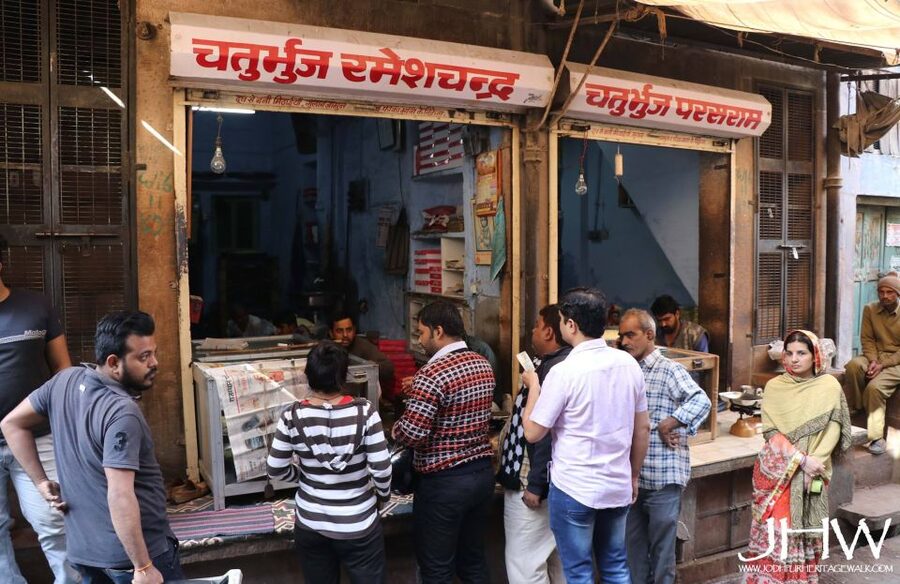
Another included stop is Juni Dhan mandi, described as an old grain market. This is a different kind of heritage. It’s not about a monument. It’s about a working marketplace linked to how people traded essential goods.
Markets are also where the tour becomes “you’re actually here.” Colorful clothing, household commerce, and street rhythm show up in your senses fast. You’ll likely also understand why Jodhpur is known for its colorful turban wear and multi-hued street scenes.
The best approach here is to treat it like a sensory stop. Look at the goods, watch how people move, and let your guide help you pick out what’s meaningful.
Food note: local eateries are included as stops, but you pay directly for what you eat. That’s a good setup for value and choice because you can follow your preferences and budget instead of being forced into a preset menu.
Local Eateries: Eat What Fits Your Budget
You’ll have time for local eateries, with meals paid on your own. That’s not a “free snack tour” model, but it often ends up being better for travelers.
Why? Because Jodhpur food can range from simple tea-and-snack stops to full meals, and you might want something lighter if you’re out in the heat. With this format, you can pick what fits your day.
What to expect from this part of the walk is guidance rather than a mandatory spend. The guide can help you find places aligned with what you like to eat, and you can stick to your comfort level.
Guide Quality Makes the Difference
This walk leans hard on the guide experience. The guide is licensed, and that shows up in practical ways: keeping the group moving, explaining what matters, and building connections to local streets.
I like that there’s evidence of real care. One solo traveler experience described patience when arriving late, plus extra help with safety and transport home. The guide helped arrange a ride back and, if needed, adjusted the plan rather than just leaving the situation in your hands.
Even if you never need transport help, a guide who understands local flow makes the tour calmer. You’ll likely find that you’re not just following a path—you’re being taught how to see.
Also, the tour supports English and Hindi, so you should be able to communicate well even if your Hindi is limited.
Price and Logistics: $18 That Actually Adds Value
At $18 per person, this tour is priced like a short, focused experience. The value comes from what’s included: a licensed guide plus a planned set of heritage stops—Clock Tower, stepwell, Pachetiya hill, blue houses (Navchokiya), water bodies (Raniser/Padmaser/Jeta Bera), a temple visit, Juni Dhan mandi, and walking through narrow lanes.
The parts you pay for separately are the local eateries. That’s normal and fair. It keeps the price down while letting you choose snacks or meals based on what you feel like eating.
If you’re the type who thinks a walking tour is worth it only when it changes how you see a place, this one fits. You’re not paying for a bus ride and a few photos. You’re paying for interpretation of water systems, neighborhood heritage details, and how markets fit into daily life.
Logistics note: the tour is not suitable for wheelchair users and is specifically described as not suitable for people with mobility impairments. Also, the walking environment limits what you can bring—no high-heeled shoes, no oversize luggage, no baby strollers, and no large bags.
What to Bring (So the Walk Feels Easy)
I always tell people: treat heritage walks like a mini hike. Pack like you’ll be outside for a while, moving through tight areas.
Bring:
- Comfortable shoes (no heels)
- Water
- Comfortable clothes
- Hand sanitizer or tissues
Avoid:
- Alcohol and drugs (not allowed)
- Oversize luggage and large bags
- See-through clothing
- Baby strollers or baby carriages
One more small tip: if you’re prone to getting annoyed by insects, plan for it. A solo traveler flagged flies, which sounds small until you’re trying to enjoy a photo moment.
Should You Book Jodhpur Heritage Walk?
You should book this tour if you want Jodhpur to feel like a place, not a slideshow. The combination of stepwell water harvesting, blue houses in Navchokiya, temple atmosphere, and an old grain market gives you a fuller picture than most quick sightseeing plans.
Skip it if mobility is a concern, because this is walking through narrow lanes and includes hill and water-site terrain. Also skip if you hate market noise and street life; this tour is built on that energy.
If you’re on a budget, this is also strong value for $18 because the major sights are included, and food stays flexible. And if you care about staying safe and getting practical help, the guide approach described—patience when someone is late and support with ride planning—signals that the tour doesn’t treat you like just another body in the group.
FAQ
Where does the tour start?
It starts just under the Clock Tower.
What is included in the tour price?
The tour includes a licensed tour guide, a Clock Tower visit, Toor ji ka Zhaalta (step-well), Pachetiya hill, Navchokiya (blue houses), narrow lanes, water bodies (Raniser/Padmaser/Jeta Bera), a temple visit, Juni Dhan mandi, and local eateries on direct payment.
Is food included?
Local eateries are included as part of the walk, but you pay for food directly.
What languages are available?
The tour is offered in English and Hindi.
What should I bring?
Bring comfortable shoes, water, comfortable clothes, and hand sanitizer or tissues.
Is it suitable for wheelchair users or limited mobility?
No. It is not suitable for people with mobility impairments and not suitable for wheelchair users.
Can I bring luggage or a baby stroller?
No. Oversize luggage and large bags are not allowed, and baby strollers or baby carriages are not allowed.
Can I cancel if my plans change?
Cancellation is allowed up to 24 hours in advance for a full refund, and it offers reserve & pay later so you can book your spot without paying right away.