REVIEW · KATHMANDU
Kathmandu Heritage Tour (Full Day)
Book on Viator →Operated by Nepal Guide Sujan · Bookable on Viator
Temples and old squares come fast in Kathmandu. This full-day heritage outing is built around key World Heritage-style sights, with Sujan guiding you through local customs, products, a brief workshop, and even a short healing session.
I like that you get an English/Spanish licensed guide who keeps the day moving but also stays patient when you want to linger. I also like the mix of sightseeing plus hands-on cultural stops where you can taste local food and meet artisans. One drawback to plan for: the price does not include monument entrance fees or your lunch and drinks.
In This Review
- Key highlights worth putting on your radar
- What this Kathmandu Heritage Tour really feels like
- Price and value: what $38.66 includes (and what it doesn’t)
- Getting there smoothly: Thamel meetup and a 9:30am start
- Comfort and transport: AC vehicle plus the solo traveler option
- Choosing your route: three different Kathmandu heritage days
- Kathmandu Durbar Square and Swayambhunath: the morning power combo
- Patan City or the Stupa mix: two ways to see the city’s craft culture
- Pashupati and Boudha: sacred spaces that demand patience
- Bhaktapur Durbar Square: a different pace of heritage
- Changunarayan Temple: when you want something a bit quieter
- The food, workshop, artisan stops, and healing session
- The guide factor: punctual, patient, and really good with Spanish
- Practical planning tips so the day feels easy
- Should you book the Kathmandu Heritage Tour?
- FAQ
- What time does the Kathmandu Heritage Tour start?
- How long is the tour?
- What language is the tour guide?
- Are monument entrance fees included?
- Is lunch included in the tour price?
- How does transport work if I’m a single traveler?
- What happens if the weather is bad or I need to cancel?
Key highlights worth putting on your radar
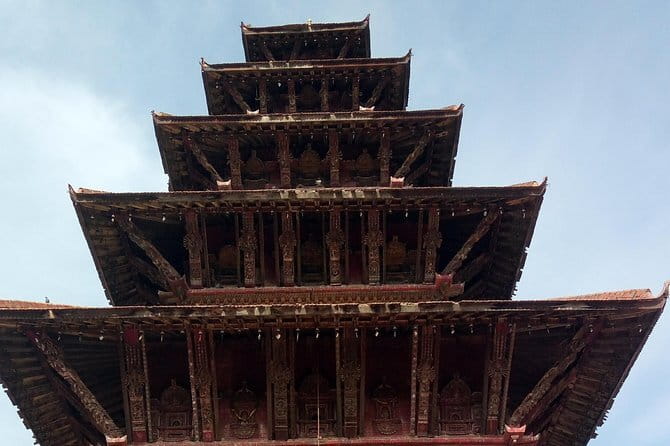
- 9:30am Thamel start with pickup from your hotel or homestay shortly beforehand
- Private AC transport for your group, with a solo traveler motorbike option (or an extra car fee)
- Three heritage routes so you can choose the temples and durbar squares that match your interests
- Local food + short workshop + artisan interaction, not just photo stops
- Healing session included, short but different from a standard checklist tour
- Excellent Spanish and punctual guiding, with time management that still leaves breathing room
What this Kathmandu Heritage Tour really feels like
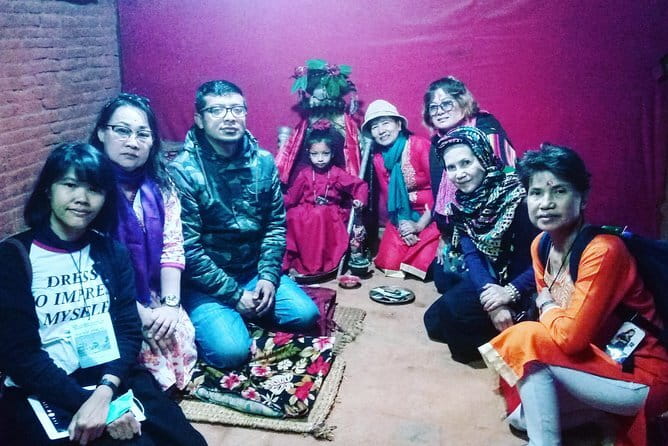
This is the kind of day that helps you get your bearings fast. You start with the big names—durbar squares, stupa areas, sacred temples—then add cultural context you won’t get if you just wander alone.
The best part is the rhythm. You’re not rushing from one gate to the next for the same stock photos. Instead, you’re getting explanation, then a chance to slow down at specific spots, and then you move again while your guide keeps an eye on the schedule.
You also get a cultural day beyond monuments. Along the way, there’s time for local cuisine sampling, a short workshop, interaction with local artisans and products, and a brief healing session. Even if you’re only in Kathmandu for a few days, it makes the city feel less like a highlight reel.
You can also read our reviews of more historical tours in Kathmandu

Price and value: what $38.66 includes (and what it doesn’t)
At $38.66 per person, the headline value is that you’re paying for three things you’d otherwise assemble yourself: a private AC vehicle, a licensed English/Spanish-speaking guide, and structured time at major heritage locations.
What you should budget separately is everything not included. Entrance fees for monuments are not covered, and lunch plus drinks are on your own. Tips and personal expenses are also extra, as is normal.
That means the tour price is a strong deal if you want guidance and smooth transport, but you’ll want to mentally add on some cash for temple tickets and a solid meal. If you already like setting your own route and you’re confident navigating on your own, you might find cheaper options. If you want comfort and clarity with minimal stress, this one hits the sweet spot.
Getting there smoothly: Thamel meetup and a 9:30am start
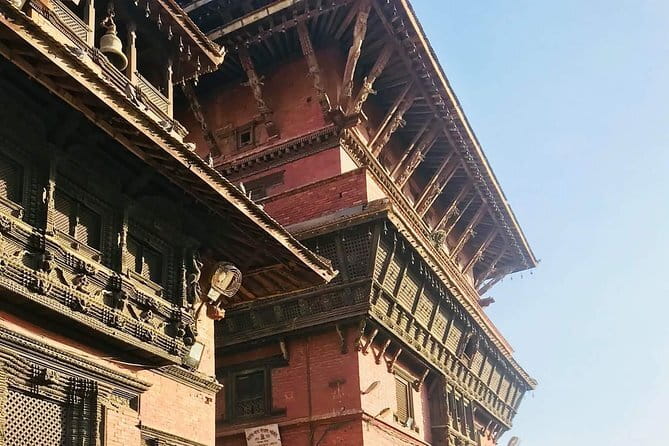
The day kicks off at 9:30am from Thamel (Kathmandu 44600). Pickup is offered, and in many cases the pickup happens about five minutes before the tour starts from your hotel, homestay, or hostel.
If you’re joining a group rather than booking privately, you should expect a meeting and drop point to be advised at booking. Either way, you’ll be returned to your accommodation after sightseeing.
This timing matters. Starting mid-morning helps you avoid the worst midday heat, and it gives you enough daylight for multiple sites. If you’re prone to late starts, set two alarms anyway. The guide is punctual, but Kathmandu traffic doesn’t care about your plans.
Comfort and transport: AC vehicle plus the solo traveler option
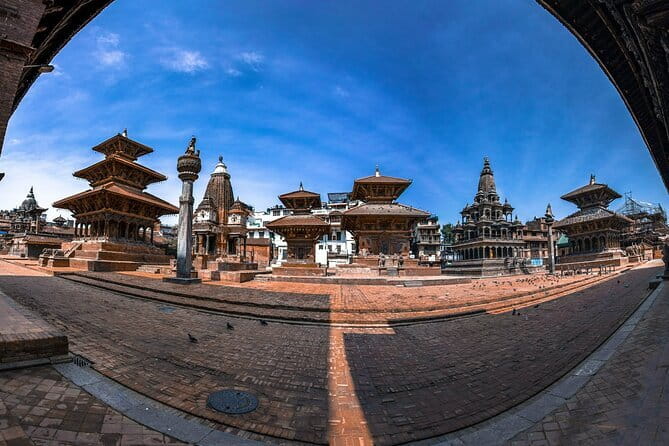
Included transport is a private air-conditioned vehicle for your group. That’s a real quality-of-life upgrade in Kathmandu, especially when you’re hopping between areas that feel very different on foot.
For one person traveling alone, the tour notes a different approach: transfers may be done by motorbike or you can pay a €25 surcharge for a car. Before you go, it’s smart to confirm what you’ll be assigned based on your party size.
The practical takeaway: if you’re traveling solo and you’re sensitive to traffic noise or prefer full seating comfort, the car surcharge might be worth considering. If you’re comfortable with a quicker, more flexible ride, the motorbike option may feel easy and fast.
Choosing your route: three different Kathmandu heritage days
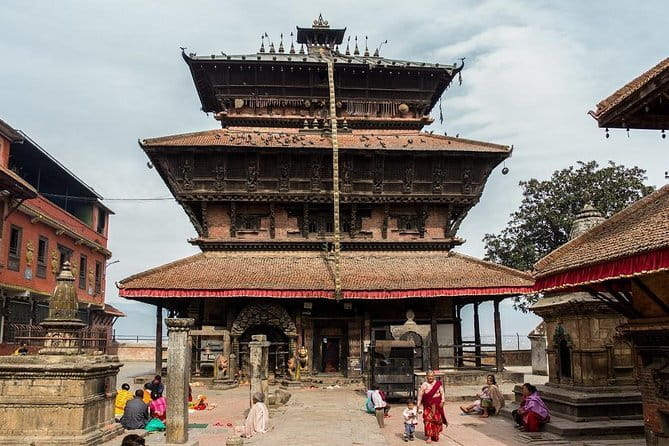
The tour is designed around three full-day heritage routes in Kathmandu Valley. You choose what you want to focus on, and the guide shapes the day around that plan.
Here are the three route options:
- Kathmandu Durbar Square + Swayambhu + Patan City
- Pashupati + Boudha Stupa + Bhaktapur Durbar Square
- Bhaktapur Durbar Square + Changunarayan Temple
Each option gives you a different flavor of Kathmandu Valley. Durbar square areas feel ceremonial and architectural. Stupa zones feel more spiritual and watchful. Patan brings a slightly different craft and city texture.
If you’re deciding between them, I suggest choosing based on your walking tolerance and your interest in sacred spaces. The Pashupati and Boudha combination will feel more devotional and slow-paced. The Durbar square plus Patan route tends to feel more urban and lively.
A few more Kathmandu tours and experiences worth a look

Kathmandu Durbar Square and Swayambhunath: the morning power combo
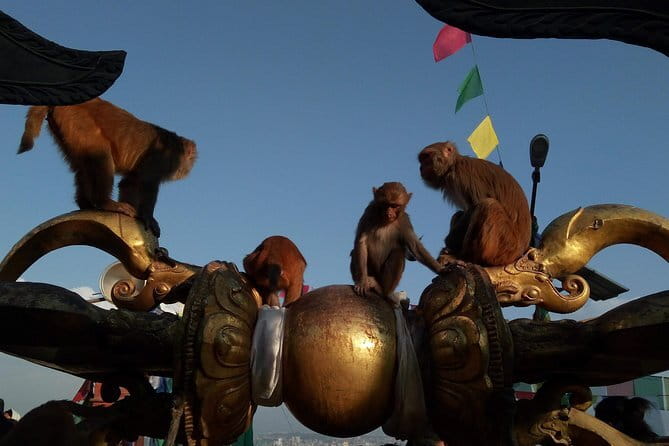
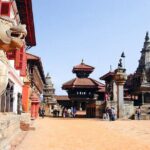
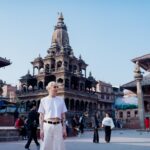
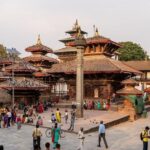
If your day includes Kathmandu Durbar Square, you’ll be in the heart of royal-era architecture and courtyard spaces. Durbar squares in Nepal are more than open-air museums. They’re living heritage—people pass through them, rituals happen, and the layout explains why this area has stayed important for generations.
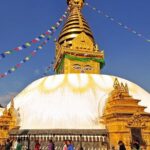
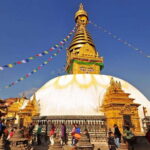
Then you head to Swayambhunath Temple, one of the classic viewpoints in Kathmandu. The stupa area is famous for its elevated setting and its surrounding energy. It’s the kind of place where you’ll notice how the city’s sacred traditions mix with everyday life.
Plan for a few things here. First, expect lots of stairs and uneven surfaces around temples. Second, bring your curiosity for details like iconography and how people move through the space.
This is also where a good guide makes a huge difference. With the licensed guidance, you’re not just looking at buildings—you understand what you’re looking at, which makes the photos mean more later.
Patan City or the Stupa mix: two ways to see the city’s craft culture
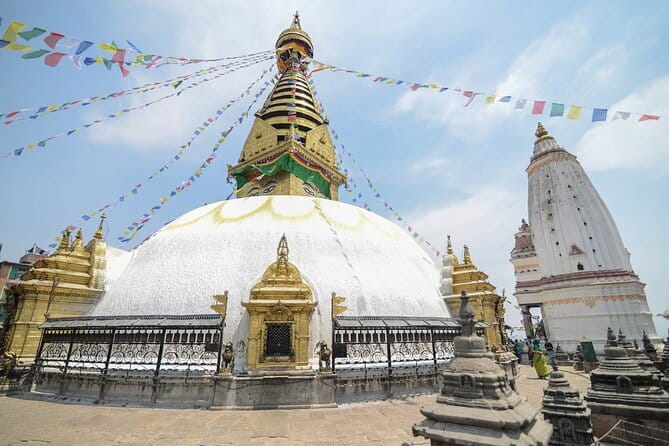
Your itinerary choice determines what you’ll do next.
If you’re on the route that includes Patan City, you’ll get more of the city’s architectural personality and craft feel. Patan can feel slightly different from Kathmandu proper—less about crowds in a single street, and more about texture: courtyards, details, and the way artisans and shops fit into the day.
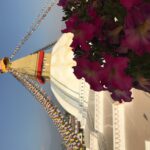
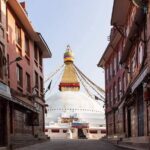
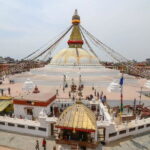
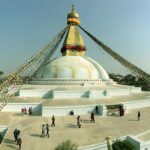
If you’re instead choosing the route with Boudha Stupa, expect a calmer sacred atmosphere with a different rhythm of walking. Boudha is the type of place where time stretches. People pause, circles happen, and the stupa dominates your field of view.
In both cases, I recommend keeping your phone on low power and your attention on the environment. The guide will point out what matters, and you’ll start seeing patterns: how space is designed for devotion, where locals linger, and why certain viewpoints feel meaningful.
Pashupati and Boudha: sacred spaces that demand patience
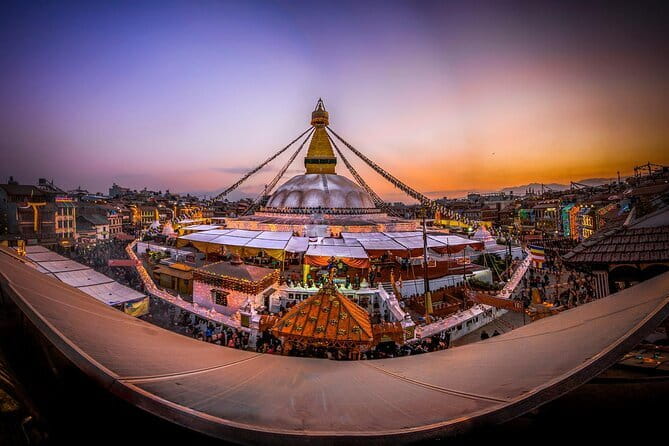
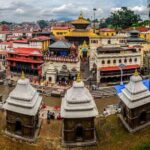
On the route with Pashupati, you’re stepping into one of the most important Hindu pilgrimage areas in the Kathmandu Valley. These places can feel emotionally intense, and they also work like real community spaces.
What I appreciate about having a guide here is practical calm. A good guide helps you understand where to look, when to pause, and how to behave respectfully without turning the experience into a stressful etiquette exam.
Then there’s Boudha Stupa, which can feel quieter and more meditative depending on the time of day and the flow of people. It’s an interesting contrast with Pashupati. Together, they help you see the spiritual spectrum of the valley in one day.
If you’re the type who gets restless in crowded places, this is still manageable. The key is to go slow where the guide asks you to slow down. When you do, the sites stop being noise and become stories.
Bhaktapur Durbar Square: a different pace of heritage
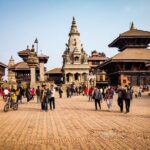
If your route includes Bhaktapur Durbar Square, you’ll feel the city’s rhythm shift. Bhaktapur’s durbar square areas often feel more grounded in daily life—less like a stop you rush through, more like a place where you can watch how people live around heritage.
Architectural detail matters a lot here. The shapes, carvings, and courtyard geometry aren’t just decoration. They guide movement and frame the sense of ceremony.
This is also a good place to use the guide’s explanations actively. Ask questions about materials, design elements, and what different parts of the space were traditionally used for. A licensed guide like Sujan tends to explain with patience, and that makes a big difference when you’re trying to connect the dots.
Changunarayan Temple: when you want something a bit quieter
The route option that includes Changunarayan Temple gives you a different mood. Compared with the busiest durbar square areas, this can feel more focused on sacred architecture and the feeling of entering a composed space.
What you’ll likely enjoy here is the sense of stepping into a place that feels set apart. A temple stop like this works well if you want balance—one part major-city energy, one part calmer reverence.
If you enjoy photography, you’ll get angles and texture without needing to sprint between viewpoints. But still, expect uneven ground and some stairs depending on where you pause and how the crowd moves.
The food, workshop, artisan stops, and healing session
This tour isn’t just monuments. It includes time for local cuisine tasting, a short workshop, interaction with local artisans and products, and a healing session.
That combination is valuable because it helps you understand culture as something made and practiced, not only something preserved. Eating local food during the day also keeps energy steady, and it prevents the usual problem where you end up staring at temples while hangry.
The workshop and artisan interaction are the most human part of the experience. You get to ask questions about what people make and why. You may also see products you can’t easily find elsewhere.
The healing session is brief, so don’t expect it to replace any medical care. But it is a cultural element you can experience with curiosity. If you’re open-minded, it adds a layer of meaning that a standard driving tour rarely includes.
The guide factor: punctual, patient, and really good with Spanish
If you want one reason this tour scores so well, it’s the guide experience. Sujan comes up repeatedly for being punctual and organized, and for staying patient when you want extra time at a sight.
People also talk about his strong communication in Spanish, which matters more than you might think. When you can understand the explanation clearly, the day doesn’t feel like random sightseeing. It becomes a coherent story.
He also tends to manage time with care. That’s important because Kathmandu can shift quickly with crowds and traffic. A guide who knows how to keep the day moving, while still letting you stop when you want, is the difference between a tour that feels rushed and one that feels satisfying.
If you book, bring a few questions in your head. For example: what makes this site important, what should you notice first, and what’s the one respectful way to behave in this space. You’ll get more out of the day that way.
Practical planning tips so the day feels easy
To make the day smooth, I’d plan for these basics:
- Bring cash or a way to pay for monument entrance fees since they’re not included
- Eat a light breakfast so you’re not starving during the main sights
- Wear shoes you’re comfortable with on uneven temple paths
- Keep a light layer for weather changes, because your day can shift outdoors
Also, remember the schedule is built around about 6 hours of sightseeing including a 1-hour lunch break. That’s enough time to see a lot, but it’s not endless. If you want to spend a long time in one place, ask your guide how to adjust without losing the rest.
Finally, consider the “good weather” requirement. The experience expects decent conditions, and you may be offered a different date or a refund if weather interferes.
Should you book the Kathmandu Heritage Tour?
Book it if you want a guided, structured day that covers the big Kathmandu Valley highlights without turning your schedule into chaos. The combination of AC private transport, a licensed English/Spanish guide, and cultural add-ons like food sampling, a workshop, artisan interaction, and a healing session is good value.
Skip it or think twice if you’re only interested in monuments and you’re happy paying your own way with no guide. Also consider the extra costs: entrance fees and lunch will come on top of the tour price.
If you’re deciding between the three route options, pick the one that matches what you want most: city energy and Patan craft, or the more spiritual contrast of Pashupati and Boudha, or the calmer, detail-focused feel of Bhaktapur plus Changunarayan.
FAQ
What time does the Kathmandu Heritage Tour start?
It starts at 9:30am in Thamel, Kathmandu. Pickup is offered from your hotel or homestay shortly before the tour begins.
How long is the tour?
The tour runs about 6 hours including a 1-hour lunch break, with an overall estimate of 6 to 7 hours.
What language is the tour guide?
The guide speaks English or Spanish.
Are monument entrance fees included?
No. Admission ticket and monument entrance fees are not included.
Is lunch included in the tour price?
No. Lunch meals, drinks, and beverages are not included.
How does transport work if I’m a single traveler?
For one person, transfers may be done by motorbike or you can pay a €25 surcharge for a car.
What happens if the weather is bad or I need to cancel?
The experience requires good weather. If it’s canceled due to poor weather, you’ll be offered a different date or a full refund, and you can cancel up to 24 hours in advance for a full refund.