You can skim Rome’s highlights without the usual walking grind. This 2.5-hour golf cart tour mixes close-up views of big icons with short, well-timed stops where your guide turns sights into stories you’ll actually remember.
I love the wraparound views from the cart. It’s a comfortable way to get near the action and build your photo reel fast, especially for first-timers.
One thing to plan around: some photo moments (like at Trevi) depend on traffic, so timing can affect how long you get at the curb.
In This Review
- Key things to know before you ride
- Why this golf cart format makes sense in Rome
- Getting on board: where you meet and how the ride feels
- Stop-by-stop: how the tour brings Rome to life
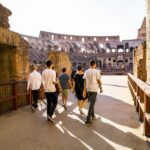
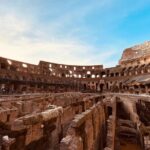
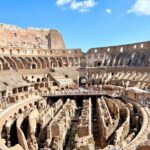
- Colosseum views first: more than a famous photo
- “Birthplace of Rome” area ride: panoramic views and emperors’ details
- Circo Massimo: chariot racing you can almost feel
- A Roman theater up close: a quick look at architecture and performance life
- Pantheon stop with a visual explanation (no interior visit)
- Trevi Fountain: big energy and sharper photo timing
- Spanish Steps: people-watching plus film and Roman throwbacks
- Piazza Navona: Bernini’s fountains and a street-show moment
- A panoramic garden finish: slow down above the noise
- What makes the guiding feel different (and why small groups matter)
- Photo strategy: how to leave with the shots you actually want
- Price and value: what you’re paying for (and what you’re not)
- Who should book this tour
- Quick practical tips to make it smoother
- Should you book this Golf Cart Tour of Rome?
- FAQ
- How much does the Rome golf cart tour cost?
- How long is the tour?
- How big is the group?
- Where do I meet, and where does the tour end?
- Is the tour offered in English?
- What major landmarks do you see?
- Do you go inside the Pantheon?
- What’s included in the price?
- Is there free cancellation?
Key things to know before you ride
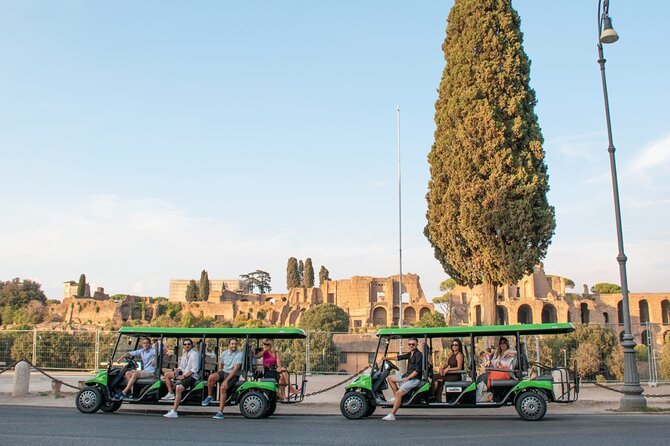
- Max group size of seven keeps it cozy and easier for your guide to tailor pacing.
- External views only, so you’re not stuck in long entry lines at most major stops.
- Short, focused photo stops keep momentum without turning the tour into a marathon.
- Guides with Colosseum roots, including a story-driven approach tied to their early guiding careers.
- Pantheon angle is visual, with a private video explaining why it stays dry inside rather than a full interior visit.
- Trevi photo time may shift when traffic allows, so expect a little flexibility.
Why this golf cart format makes sense in Rome
Rome can be hard on your legs, hard on your schedule, and hard to “figure out” on Day 1. This tour is built to solve all three. In a small cart, you glide from place to place with closer sight lines than you’d get from a bus—and with less fatigue than you’ll feel doing it all on foot.
The best part is the rhythm. You’re not just “passing landmarks.” Your guide times quick stops to match what you can realistically enjoy in a short window: a view, a photo, a story, and then you move on.
You can also read our reviews of more tours and experiences in Rome.
Getting on board: where you meet and how the ride feels
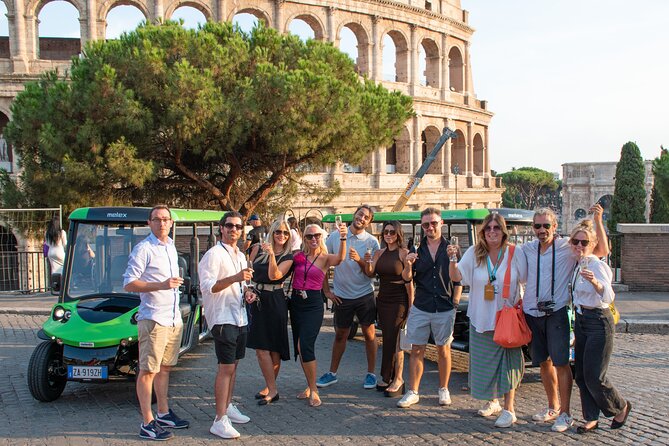
You start at Largo Gaetana Agnesi and end at Piazza Campo de’ Fiori. That ending point matters. It drops you right in an area where you can keep going on your own—wander for dinner, grab gelato, or link up with other sights without needing a complex return plan.
The cart experience itself is simple but smart. Wraparound windows and seating give you broad angles, so you’re not always stuck staring out one side. And with a maximum of seven travelers, the guide can keep the pace smooth instead of playing conductor for a big group.
Most people can join, and service animals are allowed. You’ll get bottled water, which sounds minor until you’re doing a lot of photo stops in Rome’s heat.
Stop-by-stop: how the tour brings Rome to life
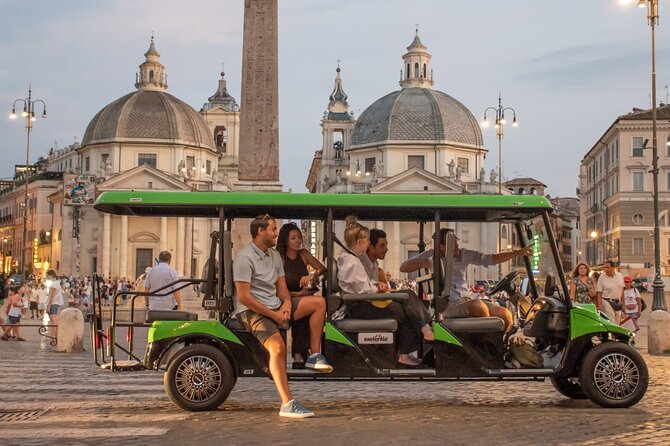
The itinerary is designed like a sampler plate. Each stop gives you one key visual moment and one “wait, that’s interesting” detail—so you leave with a mental map of the city, not just a list of monuments.
Colosseum views first: more than a famous photo
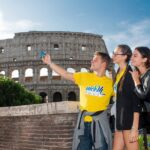
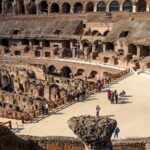
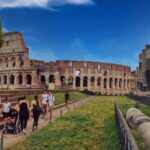
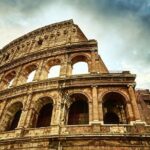
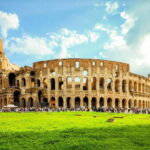
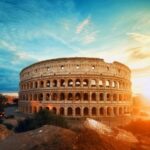
You kick off with a classic: the Colosseum. You’ll get time for a standout picture, plus a quick story that frames what you’re looking at—gladiators, crowds, and the arena’s legendary role in Rome’s public life.
The unique edge here is your guide’s perspective. The guides are described as having started their guiding careers at the Colosseum, so the narration tends to be confident and story-shaped, not textbook. If you want more than the basics—like why the building mattered and how the arena functioned—you’re likely to enjoy this start.
Practical note: admission isn’t the focus because you’re viewing from outside. That’s good if you want the highlight without committing to a longer inside visit.
“Birthplace of Rome” area ride: panoramic views and emperors’ details
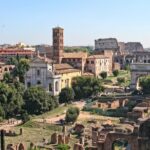
Next you ride past the birthplace of Rome, with panoramic views and a few quick stops for photos. This is where you start to get the spatial feel of the city—how hills, palaces, and older Rome relate to what you see today.
You’ll hear anecdotes about early Rome and references to emperors’ palaces. Even when you’re not dismounting for long, it helps you connect neighborhoods to themes. If you later visit sites on your own, you’ll recognize the landscape more quickly.
Circo Massimo: chariot racing you can almost feel
At Circo Massimo, you’ll drive along the ancient chariot racing track. The stop is timed for a photo moment and imagination work: where the action would have been, where crowds would have pressed in, and how finish areas might have felt from different angles.
There’s also a fun twist connected to a fountain lesson—a quick guide on how to use a fountain like a true Roman. It’s short, but it gives your brain something active to remember, not just a passive view.
A Roman theater up close: a quick look at architecture and performance life
You’ll also admire a historic Roman theater from a close perspective. The emphasis here is architectural logic—how the building works, and what the space was built for when performances mattered.
You’ll pause for photos in front of impressive arches and get a prompt to imagine how life would have flowed around the theater. There’s also a specific curiosity your guide is meant to answer: why this kind of ancient building includes windows.
Pantheon stop with a visual explanation (no interior visit)
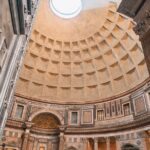
The Pantheon is one of those places where, even from the outside, you instantly get why it’s famous. You’ll see the building close up, spot the oculus, and get a short story on how it has lasted.
Important: you won’t have time to go inside. Instead, your guide shares a private video that explains a fascinating phenomenon tied to rain staying away from the interior. You’re still getting the “inside” idea, just in a quick, digestible format.
This is a good trade if your goal is to see many sites in one outing and keep moving, rather than locking yourself into long interior logistics.
Trevi Fountain: big energy and sharper photo timing
Then it’s Trevi Fountain. You’ll have time to make a wish (coin toss included) and take photos. Your guide also explains the traditions around it and helps you work the angles so you get more than the usual postcard shot.
One detail to know: the guide’s strongest photography advantage includes extra photo time, but it’s possible only when traffic allows. That means you might get quicker or longer depending on Rome’s day-to-day flow. Don’t stress it—your guide still plans around it—but build in the idea that the timing is conditional.
Spanish Steps: people-watching plus film and Roman throwbacks
At the Spanish Steps, you’ll either climb a few steps or simply pause to admire the square. This is where Rome feels alive—street rhythm, crowds, and that classic “you’re in the middle of something” sensation.
Your guide adds layers: stories drawn from Hollywood films, plus Roman history and local life. And since it’s also a photo hotspot, your guide points out spots for more interesting angles than the obvious ones.
If you’re the type who likes to know why landmarks got iconic in the first place, this stop is a good payoff.
Piazza Navona: Bernini’s fountains and a street-show moment
Next up: Piazza Navona. You’ll explore the elegance of Bernini’s fountains and soak up the energy of the square, including street performers. You’ll be encouraged to spot the river gods that decorate the fountains, which is a small detail—but it’s exactly the kind you miss when you just rush through.
Your guide can also recommend where to eat in an authentic way—right in the heart of the square—if you want a lunch or dinner plan after the tour.
A panoramic garden finish: slow down above the noise
You end with a quieter note: a panoramic garden with views over Rome. This is a nice way to close. After a full sweep of monuments, you get a breath of calm, time for final photos, and a chance to let the city sink in.
Even if you’ve been taking pictures nonstop, this stop gives your brain a different kind of memory—one tied to perspective, not just imagery.
What makes the guiding feel different (and why small groups matter)
The most consistent praise tied to the guides is how personal and present the experience feels. Names like Vladimir, Vitaliy, Federico, Frederico, and Antonio come up as examples of guides who were professional, friendly, and quick with stories that add context without turning the tour into a lecture.
A few things you’ll likely notice:
- The guide keeps things moving at a pace that still feels unhurried.
- You get short narratives that connect monuments to real human life—crowds, performance, power, and rituals.
- You’re given options at landmarks, so you’re not stuck doing one rigid script.
That’s the benefit of the seven-person cap. You can ask questions without feeling like your guide has to shout over everyone.
Photo strategy: how to leave with the shots you actually want
This tour is very photo-forward, but it’s not just “stop here, take picture.” The guide helps you pick angles and times for the best results.
Bring your usual essentials: a charged phone/camera, a cleaning cloth for lenses if you’re using zoom, and a hat if you’re traveling in warmer months. Also, plan to stay flexible around the photo stops where traffic can affect timing—especially at Trevi Fountain.
If you want a smoother flow, use this rule: take your “must-have” shot quickly, then wait for the guide’s timing for the more creative angles. That’s where the cart’s wraparound view becomes a real advantage.
Price and value: what you’re paying for (and what you’re not)
At $163.33 per person for about 2 hours 30 minutes, it’s not a budget activity. But it can be strong value if you factor in time, convenience, and guide quality.
Here’s what you’re getting that helps justify the price:
- You hit multiple top sights and several additional Rome moments in one outing.
- You avoid much of the strain of long walking days.
- You get a guide who adds specific stories—like the Colosseum-related origin narrative tied to the guide’s own start at the site.
- You receive bottled water, and you’re not paying extra for the main viewing segments since stops are described as external.
What you’re not paying for:
- You’re not buying time-consuming entries into major sites during this tour.
- Tips are not included.
For many people, the best value is not the number of landmarks—it’s the fact that you finish with a clearer sense of where everything sits, so you can plan the rest of your trip more efficiently.
Who should book this tour
This is a great fit if:
- It’s your first trip to Rome and you want to get your bearings fast.
- You want a lot of sights without burning your legs.
- You like guided storytelling tied to what you can see outside.
- Your schedule is tight and you want a clean arc from iconic monuments to photo-friendly squares.
It may be less ideal if:
- You’re determined to go inside multiple major sites in one day.
- You prefer long, slow neighborhood wandering as your main vacation style.
Quick practical tips to make it smoother
- Bring a light layer even if it’s warm; city wind can shift near open views.
- Wear comfortable shoes anyway. You’ll move around at each stop, even if most is “less walking.”
- If you’re photo-focused, let the guide know your priorities at the start, since the route is built around timed moments.
- Plan to arrive ready to enjoy short stops rather than expecting long museum-style visits.
Should you book this Golf Cart Tour of Rome?
If you want an efficient, comfortable way to see Rome’s headline monuments and a few extra stops with real storytelling, this tour is a strong yes. The small group size, the close-up views from the cart, and the guide-led photo timing add up to a practical win—especially if Rome days are already crowded with bookings, museums, and dinner reservations.
Book it if you’re optimizing for: less walking, faster orientation, and memorable context. Skip it only if you’re mainly chasing deep interior experiences, because this outing is built for external viewing with guided explanation, not long stays inside major sites.
If you do book, choose a departure time that suits your day plan so you can roll smoothly into the next part of your Rome itinerary after you finish near Piazza Campo de’ Fiori.
FAQ
How much does the Rome golf cart tour cost?
The price is $163.33 per person.
How long is the tour?
It runs about 2 hours 30 minutes.
How big is the group?
The tour has a maximum of 7 travelers.
Where do I meet, and where does the tour end?
You start at Largo Gaetana Agnesi and end at Piazza Campo de’ Fiori.
Is the tour offered in English?
Yes, English is available.
What major landmarks do you see?
You view major landmarks externally, including the Colosseum, Trevi Fountain, and the Spanish Steps.
Do you go inside the Pantheon?
No. There is not time to go inside the Pantheon, but your guide shares a private video explanation during the stop.
What’s included in the price?
You get the 2.5-hour golf cart tour, an expert guide, bottled water, and external visits to major landmarks. Tips are not included.
Is there free cancellation?
Yes. You can cancel up to 24 hours in advance for a full refund.