REVIEW · KATHMANDU
Kathmandu UNESCO World Heritage Site Tour
Book on Viator →Operated by Himalayan Holyland Treks and Expedition · Bookable on Viator
Four UNESCO sites, one very early start. This Kathmandu Valley day tour strings together Hindu and Buddhist powerhouses, from Pashupatinath to Swayambhunath and the big stūpas of Patan and Boudhanath, with a licensed guide and private transport.
I like that the day is built for efficiency without feeling like a conveyor belt. You get a private vehicle, a government-licensed guide who speaks English or French, and even a water bottle to keep the morning and the walks comfortable.
The main trade-off is the start time: meeting at 5:15 am means an early wake-up, and lunch isn’t included, so you’ll want to plan around that with snacks if you think you’ll need them.
In This Review
- Key highlights worth your attention
- How the 5:15 am start shapes the whole day
- Pashupatinath Temple: why Shiva worship here feels so central
- Boudhanath Stupa: the 36-meter landmark that dominates the skyline
- Patan Durbar Square and the Patan Museum: where art gets political and spiritual
- Swayambhunath (Monkey Temple): the shrines on the ridge
- Nepal-style dinner included: a small value win at day’s end
- Price and value: what you’re really paying for
- Logistics that make the day feel less stressful
- What to expect when you’re moving between four UNESCO sites
- Photos you’ll actually want to take (and how to plan)
- Who this tour fits best
- Should you book this Kathmandu Valley UNESCO day tour?
- FAQ
- Where does the Kathmandu Valley UNESCO tour start, and what time?
- Is pickup included?
- Which UNESCO sites are visited during the day?
- Is dinner included in the price?
- What’s included for the price of $128 per person?
- Is lunch included?
- Is there free cancellation?
Key highlights worth your attention
- Private vehicle and guide for a smoother day across crowded temple areas
- Pashupatinath first, so you hit the sacred energy while the city is still waking up
- Boudhanath’s 36-meter Buddha and the stūpa known as Chorten Chenpo
- Patan Durbar Square + Patan Museum in the same run, including Hindu shrines and Buddhist monuments
- Swayambhunath Monkey Temple with shrines, chaityas, and a major Buddha image on a high pedestal
- Nepali dinner included, so you don’t have to hunt for food after the sights
How the 5:15 am start shapes the whole day
This is a one-day itinerary, and the pace is decided for you from the moment you meet at Tribhuvan Airport (starting at 5:15 am). Early starts can sound brutal, but here it matters. You’re visiting places where morning atmospheres feel more human: fewer rushes, more breathing room for photos, and more time to actually listen to your guide’s explanations.
Also, the order is smart. You start with Pashupatinath, then move toward Boudhanath and Patan, and finish with Swayambhunath. That flow helps you stack big landmarks without crisscrossing the valley endlessly.
This is a private tour/activity, so it’s only your group. That matters if you travel with kids, older relatives, or anyone who doesn’t want to squeeze into someone else’s plan. It also makes it easier to adjust the itinerary as your preferences change, since the schedule is flexible.
You can also read our reviews of more historical tours in Kathmandu
Pashupatinath Temple: why Shiva worship here feels so central
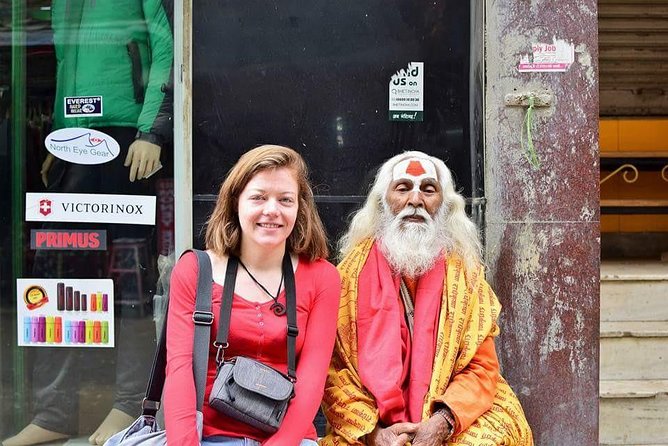
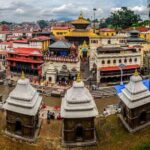
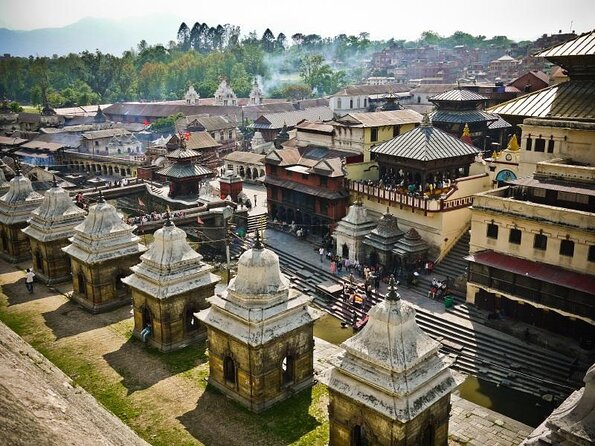
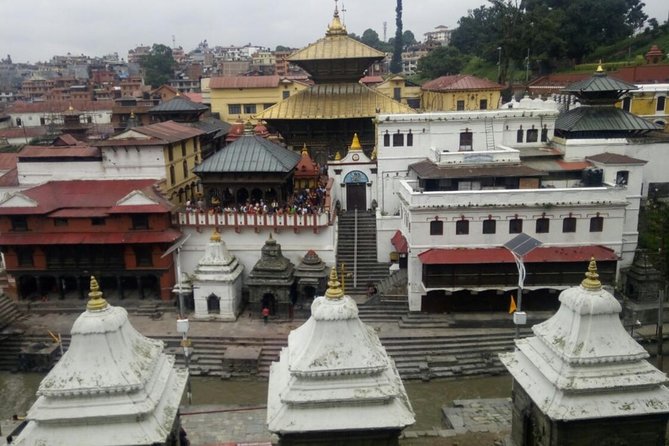
Your day starts at Pashupatinath Temple, one of the four most significant religious sites for devotees and disciples of Shiva in Asia. That’s not small talk. When a temple is that important, you feel it in the crowd, the rituals, and the way people move with purpose.
What makes this stop especially compelling is the mix of religious focus and cultural presence. Even if you’re not a deep practitioner, your guide can help you understand what you’re seeing: how the site functions for worship, and why visitors travel here from across the region.
A practical note: you’ll be outdoors and walking around sacred areas. Comfortable shoes help. And since you’ll be starting so early, it’s worth having a plan for staying warm if the morning air feels chilly.
Boudhanath Stupa: the 36-meter landmark that dominates the skyline
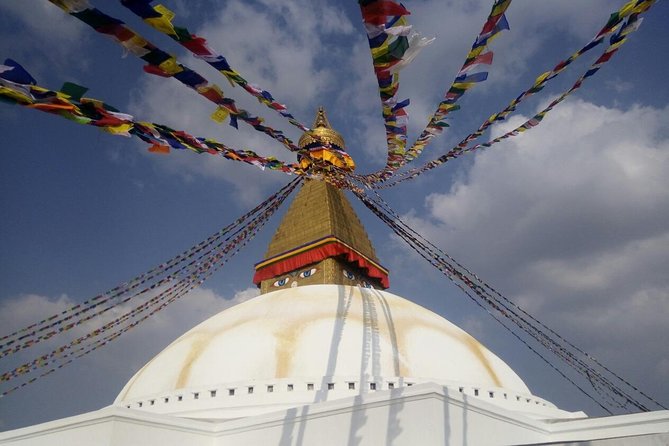
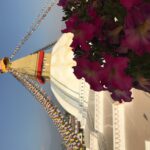
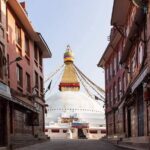
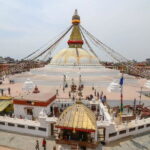
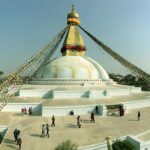
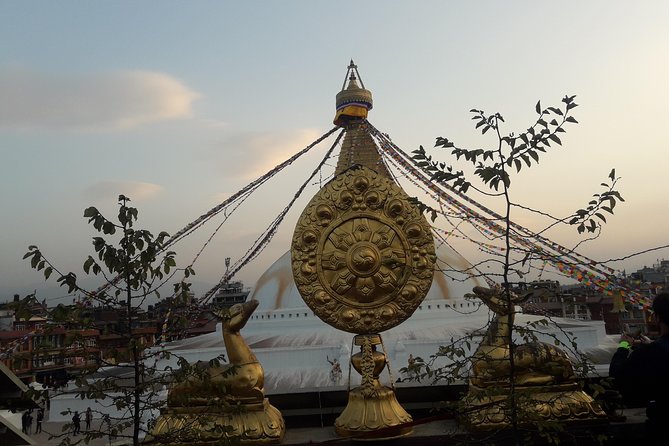
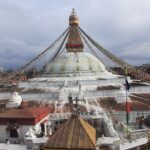
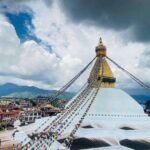
Next comes Boudhanath Stupa, the massive Buddhist monument that dominates the skyline. The tour highlights it as a major center of Buddhist belief, and it even gives you the cultural nickname: it’s also called Chorten Chenpo, meaning Great Tower or Great Stupa.
One detail I really like: your tour focuses on the scale. The Buddha monument here is 36 meters high, and that size changes how you experience the stūpa. Up close, it isn’t just a photo spot. It becomes a whole visual world—architecture, symbolism, pilgrims, and the feeling that the stūpa is the fixed point while people flow around it.
Your guide should also connect the site to the wider Buddhist network. The tour notes that pilgrims from India and China visit for religious ceremonies. That context helps you read what’s happening around you instead of just watching motion.
Patan Durbar Square and the Patan Museum: where art gets political and spiritual
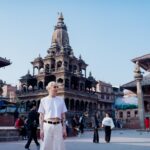
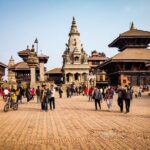
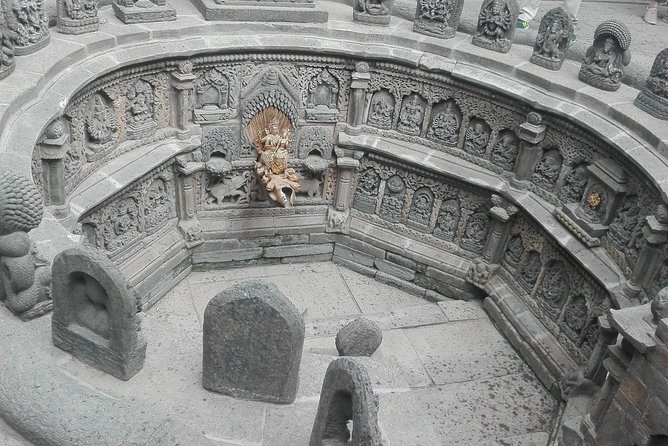
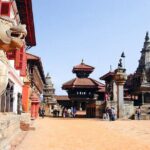
Then you head toward Patan, described as one of the oldest Buddhist cities in the world. From there, the tour targets two major components: Patan Durbar Square and time for the Patan Museum, plus stops that may include the Krishna temple and other nearby monuments.
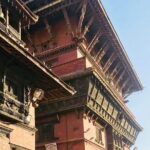
If you like your UNESCO days with both big landmark energy and smaller “look closer” moments, this is the spot. Patan Durbar Square is presented as the sophisticated architectural paragon of Patan—packed with Hindu shrines, Buddhist monuments, and carvings. Translation: you won’t just see one thing; you’ll keep noticing details.
The Patan Museum is a standout on paper. It’s described as one of the best museums in Asia and is said to hold innumerous bronze statues and religious objects. Even if museums aren’t your usual thing, this can be a smart way to understand the visual language of the valley. Seeing objects and art forms explained by your guide can make the later stūpas and temples feel less like random stops and more like part of a system.
One consideration here: Patan sites can mean more walking and more stairs than you expect from a “one-day tour.” Wear shoes you trust, and pace yourself. You’re not just passing through; you’ll be looking.
Swayambhunath (Monkey Temple): the shrines on the ridge
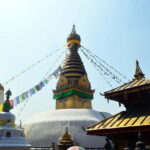
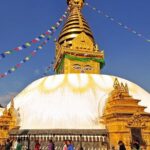
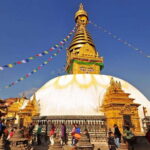
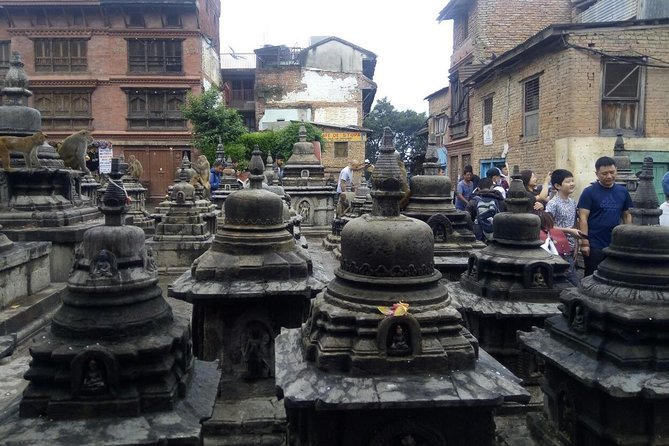
Your final UNESCO stop is Swayambhunath Temple, commonly called Monkey Temple. This is the place that rewards time and curiosity. The tour description calls it a sacred Buddhist stupa teeming with shrines and monasteries.
The most specific detail you get here is about the main Buddha image. You’ll see Nepal’s largest image of Sakyamuni Buddha sitting on a high pedestal on the west side of the stupa. That’s the kind of landmark detail that helps you orient yourself as you climb, circle, and scan.
The stupa complex is also described as being filled by shrines, monuments, chaityas, and statues of Hindu and Buddhist deities like Manjushri and Saraswati. That blend is part of what makes Swayambhunath feel like a living cultural overlap instead of a single-track religious site.
You’ll also get the benefit of having your guide explain what you’re seeing. On a fast day, that explanation turns “I saw a stupa” into “I understand why people treat this like a spiritual home base.”

Nepal-style dinner included: a small value win at day’s end
After your last temple stop, the plan is to return toward your hotel area. You can also end the day with a stroll and shopping in Kathmandu’s colorful bazaar if you still have energy.
One smart inclusion: dinner is included—Nepali cuisine in a Nepali-style restaurant. Since lunch isn’t included, that dinner inclusion becomes more valuable than it sounds. It means you avoid the problem of deciding where to eat while you’re tired and temples are still on your eyes.
If you’re the type who likes to keep energy steady, consider carrying a light snack during the day. The tour doesn’t list snacks or beverages beyond the included bottle of mineral water, and you’ll be on the go from the early morning.
Price and value: what you’re really paying for
The price is $128 per person for a one-day UNESCO circuit. On the surface, that can look either expensive or like a bargain depending on how you compare it—but the real value is in what’s folded in.
Included items:
- Entrance fees for 4 UNESCO heritage sites plus government taxes
- Private vehicle for your destinations
- A government-licensed guide with proper English or French skills
- Bottle of mineral water during the tour
- Dinner with Nepali cuisine
Not included items:
- Tips for guide and driver
- Lunch, beverage, and other snacks during the day
For me, the standout value is the pairing of entrance fees + taxes + private guide + private transport. That combination reduces the usual headache of a day like this: you’re not spending half your mental energy on tickets, timing, and logistics. You’re spending it on the sites.
And the guide piece matters more than most people expect. This tour’s reviews and operator reputation put a lot of weight on guide quality, especially French-speaking guidance. Having the language match your comfort level makes temple symbolism and local history much easier to absorb—without turning your day into homework.
Logistics that make the day feel less stressful
This tour includes a pickup offered option and starts at Tribhuvan Airport (meeting point at 5:15 am). It also uses a mobile ticket, which usually helps you avoid paper ticket chaos.
It’s private, meaning you’re not waiting around for other groups to finish photos. You’re also more likely to get small pacing adjustments when your group needs a breather.
One small “heads up” from a practical angle: tips aren’t included. That’s normal for many tours, but it’s still good to budget a little so you don’t feel awkward at the end of a long day.
What to expect when you’re moving between four UNESCO sites
You’ll be visiting:
- Pashupatinath Temple
- Boudhanath Stupa
- Patan Durbar Square and associated sites like the Patan Museum and Krishna temple
- Swayambhunath Temple (Monkey Temple)
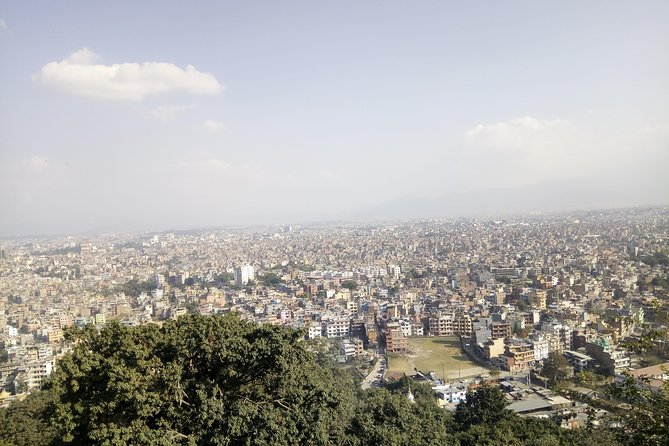
Because it’s a loop, the day is designed to give you a full “valley overview” of spiritual Kathmandu in a single go. You’ll see a lot of sacred architecture and public religious life, not just monuments viewed from the edge of a crowd.
The tours are also positioned as suitable for children through busy adults to delicate elderly—so the intent is a range-friendly format. Of course, you’ll still be walking around religious sites, but the private format and guide support make it easier to cope.
Photos you’ll actually want to take (and how to plan)
You’ll have built-in photo moments at each stop:
- Pashupatinath for the temple complex energy and worship activity
- Boudhanath for the scale of the stupa and the surrounding activity
- Patan Durbar Square for architectural details and carvings
- Swayambhunath for the Buddha image area and the dense shrine feel
To get the best shots, give yourself permission to pause. A rushed photo at a stupa often looks like a quick snapshot. A small pause while your guide explains a detail makes your photo feel meaningful later, not just busy.
Also, since you’re starting early, light can be different than you expect. Don’t wait until midday to grab your angles. The morning can be great for clarity, especially around big stone landmarks.
Who this tour fits best
This is a strong pick if you:
- Want a one-day UNESCO sweep of Kathmandu Valley
- Prefer a private setup over group chaos
- Like religious and architectural sites where your guide can translate symbolism into real context
- Travel with mixed ages and need flexibility
It’s also a decent match if you care about balancing Hindu and Buddhist sites in the same day. This route intentionally does that: Shiva worship at Pashupatinath, Buddhist emphasis at Swayambhunath and Boudhanath, and shared cultural layering in Patan.
If you’re the kind of traveler who hates early starts or needs long breaks between stops, you might find the schedule tight. The tour is packed for a reason—it’s designed to fit four UNESCO highlights into one day.
Should you book this Kathmandu Valley UNESCO day tour?
I’d book it if you want maximum UNESCO value with minimal logistics stress. The biggest reasons are the inclusions and the guide-led structure: private transport, four UNESCO entrance fees handled, dinner included, and a guide who can communicate clearly in English or French.
Skip it—or at least consider alternatives—if you know you don’t handle early wake-ups well, or if you strongly prefer lunch included with no extra planning. That’s the main friction point in an otherwise well-structured day.
If you want a day that feels like Kathmandu Valley has a single story you can follow—Hindu worship, Buddhist devotion, and the architecture that ties it together—this tour fits the bill.
FAQ
Where does the Kathmandu Valley UNESCO tour start, and what time?
The tour starts at Tribhuvan Airport, Kathmandu, Nepal with a 5:15 am start time.
Is pickup included?
Pickup is offered, and the tour starts from Tribhuvan Airport.
Which UNESCO sites are visited during the day?
You visit Pashupatinath Temple, Swayambhunath Stupa, Patan Durbar Square (including time such as the Patan Museum and Krishna temple), and Boudhanath Stupa.
Is dinner included in the price?
Yes. Dinner is included as Nepali cuisine served in a Nepali style restaurant.
What’s included for the price of $128 per person?
Included are entrance fees of 4 UNESCO heritage sites and government taxes, a private vehicle, a government licensed guide (English or French), bottled mineral water, and dinner.
Is lunch included?
No. Lunch, beverage, and other snacks are not included.
Is there free cancellation?
Yes. You can cancel for a full refund up to 24 hours in advance of the experience start time. If you cancel less than 24 hours before, it won’t be refunded.