REVIEW · KYOTO
Kyoto Heritage Run – Venture through historical Kyoto landmarks
Book on Viator →Operated by Kyoto Fitness · Bookable on Viator
Jogging through Kyoto beats bus lines. This 3-hour city run combines guided history with light exercise bursts, so you see more of central Kyoto than a slow stroll. You’ll meet at Nijojo-mae Station and move through major sights and quieter corners with a fitness pro and a tour guide.
I like the way the route is structured for momentum: you cover about 10 kilometers without feeling like you’re stuck on a treadmill. I also love that the guides (for example, Francis and Areo) focus on practical details, plus the kind of “look here” moments that help you get your bearings fast.
One consideration: this is still a running tour. You’ll need moderate physical fitness, and you won’t have unlimited time for slow, repeat photo stops at every location.
In This Review
- Key things to know before you go
- Getting going at Nijojo-mae: the run setup that makes it work
- From the castle area to the Imperial Palace Park: history on the move
- Crossing Kamogawa to Heian Shrine: the route’s “reset” section
- Shirakawa River jog: willows, bridges, and the best “picture while moving” stretch
- Maruyama Park and Yasaka Shrine: a smooth wind-down that doesn’t feel like a finish line
- Ending near Gion and Kamogawa: set up your next move
- Price and value: $97.55 for 3 hours of guided exercise plus major landmarks
- Who this tour is best for (and who should skip it)
- Small-group pace: what the guide team actually changes
- Weather and comfort: your real “make or break” factor
- Should you book Kyoto Heritage Run?
- FAQ
- How long is the Kyoto Heritage Run?
- How far will I jog?
- Where do I meet and when does it start?
- Is bottled water or lunch included?
- What fitness level do I need?
- What happens if the weather is bad?
Key things to know before you go
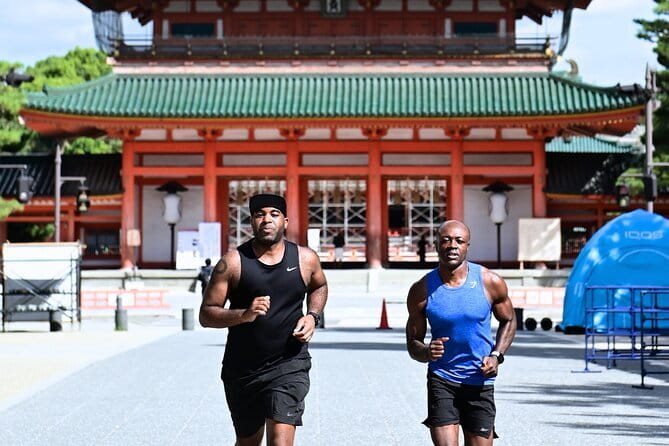
- Warm-up plus history at the start so you’re not just running blind in a new city
- About 10 km in roughly 3 hours—designed to cover Kyoto’s sights efficiently
- Tabata-style exercise moments inside the run, not only at the beginning
- Shirakawa River scenery along weeping willows and small stone bridges
- A smart end in Gion/Kamogawa so you’re positioned for your next stop
- Small group size (max 12) which helps the pace feel manageable
Getting going at Nijojo-mae: the run setup that makes it work
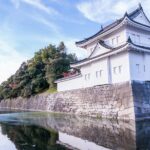
The tour starts at Nijojo-mae Station, directly by the area opposite Nijo Castle. It’s a good launch point because you’re already in the Kyoto you came for: historic structures nearby, clear transit access, and no “dead zone” before the sightseeing starts.
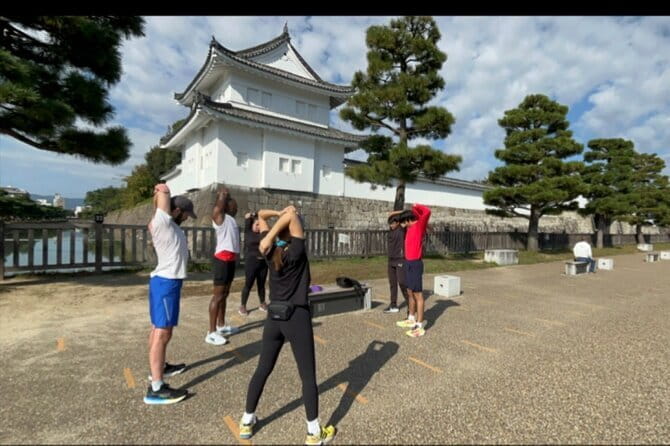
Before you head out, you’ll do a warm-up led by a fitness professional, with an experienced tour guide joining in for context. This part matters more than you might think. A lot of “active sightseeing” tours fail because participants aren’t warmed up, then the whole group spreads out and people start struggling. Here, you get motion, pacing, and basic guidance upfront—so you can keep up without turning the day into a workout injury story.
If you’re worried about holding a steady pace, the group size helps. With a maximum of 12 travelers, it’s easier for guides to manage spacing and adjust the rhythm if someone needs a slower beat.
Practical tip: go with running shoes (or at least shoes you can jog in comfortably). Kyoto sidewalks can be a mix of smooth areas and uneven patches, and you’ll cover enough distance that blisters become a real risk if you wear the wrong footwear.
You can also read our reviews of more historical tours in Kyoto

From the castle area to the Imperial Palace Park: history on the move
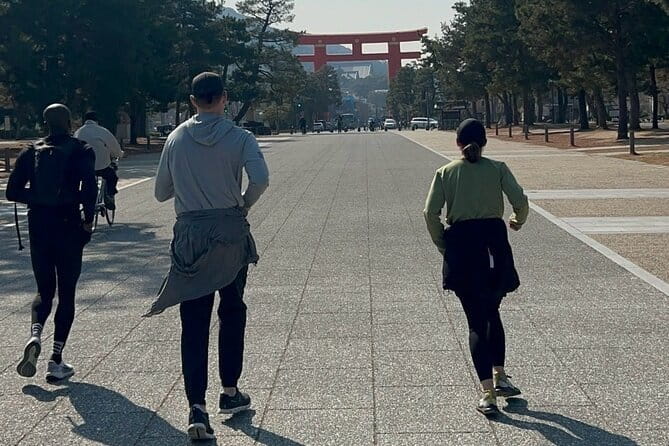
After the warm-up and a brief orientation about Kyoto City, you jog east toward Kyoto Imperial Palace Park. This is your first major “wow” moment because the scale and setting instantly shift you from busy city streets to a more ceremonial space.
What I like here is the combination of classic Kyoto landmarks with an active pace. You’re not stuck only watching the sights from the outside. You’re also doing short bursts of exercise and learning what you’re seeing as you pass through the area.
One of the tour’s signature elements shows up around here: Tabata-style exercises. The idea isn’t to turn your vacation into a training camp. It’s short, structured movement that breaks up the jog and gives your body a change of rhythm—helpful both physically and mentally. You get a more varied experience than “run, stop, run, stop.”
Also, the guides point out elements that don’t feel like generic postcard viewing. The tour description emphasizes lesser-known, quieter moments around the palace grounds. That’s valuable because Kyoto is crowded enough at ground level. When your guide helps you notice smaller details, your photos end up feeling more personal, not just copied from everyone else’s camera roll.
Potential drawback: because you’re moving fairly continuously, you won’t have the freedom to wander slowly the way you would on a self-guided day. If you prefer to linger for long stretches inside every site, you might feel rushed. But if your goal is to see a lot and keep energy up, this part delivers.
Crossing Kamogawa to Heian Shrine: the route’s “reset” section
Once you leave the Imperial Palace grounds, you cross the Kamogawa—a change of scene that helps reset your pace. The river corridor is a natural break in the route: it’s open, scenic, and it gives your body a different feel than narrow streets.
Next you head to Heian Shrine, with a brief stop focused on what matters most about the place. Heian Shrine is known for architectural impact, and you’ll get that “there it is” moment without a long detour. The tour also includes crossing experiences that make Kyoto feel like one connected city rather than scattered attractions. That’s a big deal on a short trip.
Why this stop works: it’s a calmer pause in the middle of the run. You’re still active, but you’re not sprinting from one landmark to the next. You’re getting a short cultural break so the day stays fun instead of exhausting.
Another highlight is what you do later around the tour’s key gates, but you can already feel the theme forming here: Kyoto’s religious and ceremonial architecture is a major part of the story, not an add-on.
Shirakawa River jog: willows, bridges, and the best “picture while moving” stretch
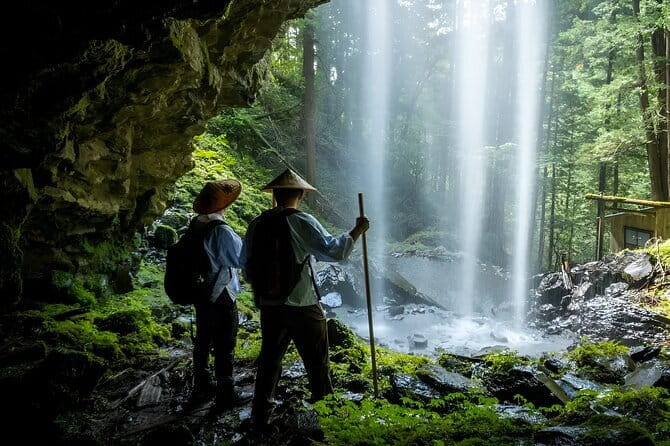
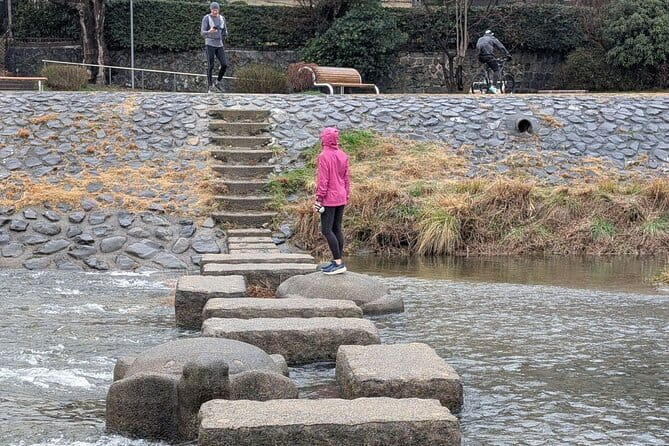
After Heian Shrine, the route pushes you through the impressive torii gate and then along the Shirakawa River. This is one of the most scenic segments, especially in the way it supports photos without making you stop for long periods.
The Shirakawa River area is described as lined with weeping willows and dotted with small stone bridges. That matters for your enjoyment because the scenery is broken into sections. Even while you’re jogging, your eyes get a sequence of “set pieces” instead of one long stretch of similar scenery.
In plain terms: this part helps you enjoy the movement. A jogging tour can sometimes feel like you’re rushing through everything. Here, the river corridor naturally slows your attention and pulls you toward the views, even while you keep moving.
If you’re sensitive to cold or humidity, watch your timing. Early morning can be pleasant for running, but Kyoto weather can shift. This tour depends on reasonable conditions, so check the forecast and dress accordingly.
Tip: take advantage of your brief pauses for photos on the river. If you try to step out and stop abruptly, you’ll disrupt the group rhythm. Instead, use the moment when the guide slows down near natural viewing points.
Maruyama Park and Yasaka Shrine: a smooth wind-down that doesn’t feel like a finish line
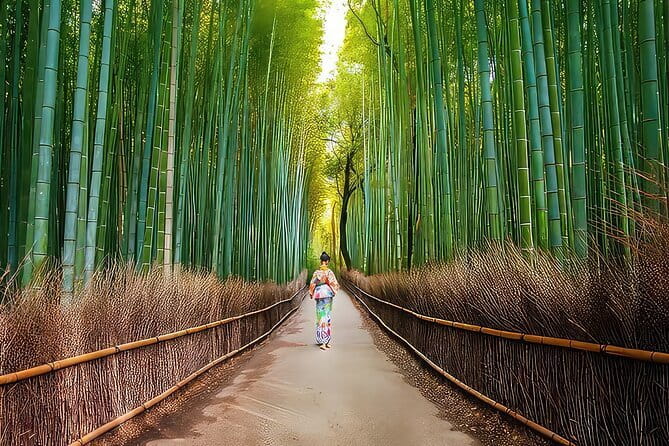
Next, the route leads to Maruyama Park and Yasaka Shrine. This is where the tour blends “big Kyoto moments” with park space that gives you a breather.
Maruyama Park provides a gentle change from the river segment. You’re moving from a linear scenic corridor into a broader space where the environment feels more like a destination than a route.
Then comes Yasaka Shrine. The tour’s design keeps this from becoming a frantic sprint-to-the-main-attraction. Instead, you’ll approach it as part of the flow of the day. That’s one of the reasons the overall experience feels efficient but not chaotic. You’re building up to the shrine area rather than dropping into it at full speed.
When the tour winds down, it includes stretching to help you transition out of running mode. This is smart. I’ve done other active tours where everyone finishes immediately and then awkwardly stands around trying to decide what to do with their sore legs. Here, you get a more graceful landing into normal sightseeing mode.
Ending near Gion and Kamogawa: set up your next move
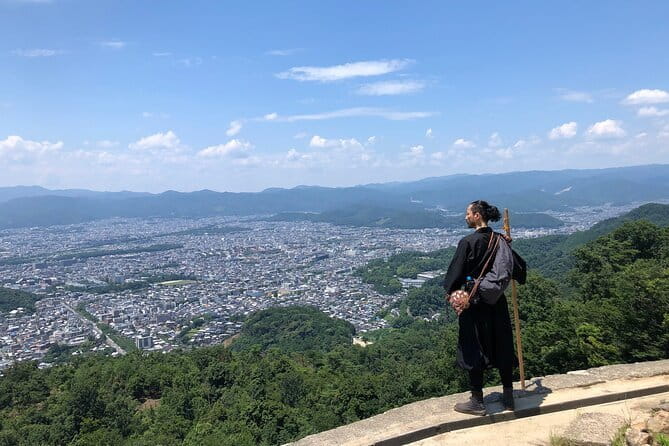
The experience ends in the Gion area, with the description pointing to the eastern side of the Kamogawa and the conclusion at Gion Shijo Station. That’s a helpful finish because Gion is where a lot of visitors want to be later in the day anyway.
Finishing away from the starting point also makes sense. You’re not backtracking to do the same streets twice. You end closer to where you can explore more casually after your run—shops, tea stops, and neighborhood wandering.
One practical advantage: you’re likely to start your day at 8:30 am and finish with enough energy (and enough daylight) to keep going. If your Kyoto schedule is tight, ending in/near Gion can be the difference between “we tried” and “we actually fit everything in.”
Price and value: $97.55 for 3 hours of guided exercise plus major landmarks
The listed price is $97.55 per person, for about 3 hours and roughly 10 kilometers of running, plus guided history, warm-up, and structured exercise breaks. Included in the price are all fees and taxes, which removes a common travel annoyance.
Is it expensive? Yes, compared to a self-guided morning jog. But the value is in what you’re paying for:
- You get an experienced guide handling the pacing and route flow.
- You get short history and “look here” context instead of guessing what each area means.
- You get the exercise portion organized (warm-up, Tabata-style bursts, and stretching) so you don’t have to build that plan yourself.
It’s also a better value if you’re trying to “get your bearings” quickly. Kyoto is spread out enough that one efficient guided walk/run can help you understand how the city pieces connect. Then later, you can plan your slower explorations with more confidence.
Two things not included are lunch and bottled water. If you sweat during the run (and you probably will), plan to buy water on your own. Also consider bringing a small snack for right after, especially if you’re the type who feels hungry after exercise.
Who this tour is best for (and who should skip it)
This tour is built for people who want a vacation that includes motion. It’s ideal if you:
- Like doing exercise while sightseeing, rather than treating them as separate days
- Want to see central Kyoto landmarks without spending your whole morning in traffic or transit hopping
- Prefer a small-group experience with a guided pace
It’s not ideal if you:
- Want a slow, gallery-style visit where you spend a lot of time inside each site
- Struggle with running or brisk walking for 3 hours (even with breaks)
- Have injuries or limitations that make jogging hard
The tour description asks for moderate physical fitness, which is reasonable. You don’t need to be a marathon person, but you should be able to keep moving steadily and comfortably.
Small-group pace: what the guide team actually changes
The tour experience tends to feel smooth because the guides manage the flow. One guide brings the historic and cultural explanation. Another fitness professional keeps the exercise part safe and structured.
From the reviews shared elsewhere, names like Francis and Areo show up in a positive way, and that lines up with what you should look for: clear guidance, friendly energy, and the ability to keep people together without ignoring individual pacing needs.
That balance is hard to pull off. Too much structure can feel stiff; too little structure can feel messy. Here, the warm-up and organized exercise moments do a lot of the heavy lifting.
Weather and comfort: your real “make or break” factor
This experience depends on good weather. If conditions are poor, you’ll be offered a different date or a full refund. So check forecasts for your travel window.
For comfort, dress for early morning conditions. Even if the day later warms up, your run starts at 8:30 am, and you’ll be moving enough to generate warmth while still being exposed during jogging intervals. A light layer you can tie around your waist can be a good plan.
Also, because water isn’t included, bring a strategy:
- Buy water before the start if you run better with hydration
- Or plan to grab it soon after finishing
Should you book Kyoto Heritage Run?
If you want a fast, active, guided way to see major Kyoto landmarks without spending the whole day switching between transit and ticket lines, I think this is a strong pick. The route through Imperial Palace Park, Heian Shrine, the Shirakawa River, Maruyama Park, and Yasaka Shrine gives you a strong cross-section of Kyoto in a single morning, and the finish near Gion puts you in position for the rest of your day.
Skip it if you’re in “slow and lingering” mode or if jogging for a few hours is not your idea of a good time. But if you like the idea of covering about 10 km with history notes and organized exercise breaks, book it. It’s a smart use of limited time, and it can make Kyoto feel surprisingly easy to navigate.
FAQ
How long is the Kyoto Heritage Run?
The tour runs for approximately 3 hours.
How far will I jog?
The route is described as covering around 10 kilometers.
Where do I meet and when does it start?
You meet at Nijojo-mae Station (opposite Nijo Castle) at 8:30 am.
Is bottled water or lunch included?
Lunch is not included, and bottled water is not included.
What fitness level do I need?
The tour is best for people with moderate physical fitness, since it includes jogging and exercise segments.
What happens if the weather is bad?
The experience requires good weather. If it’s canceled due to poor weather, you’ll be offered a different date or a full refund.