REVIEW · KYOTO
Kyoto Highlights: Half Day Customized World Heritage Walking Tour
Book on Viator →Operated by TripGuru · Bookable on Viator
Kyoto can feel like a blur of temples. This private 4-hour custom walking tour turns the UNESCO sites into a clear plan you control, with a guide who helps you pick what matters most. I like the flexibility (you choose attractions and the start time) and I like how the stops are designed to mix showpieces with quieter sacred spaces. The main drawback to consider: entrance fees and transport aren’t included, so your day can cost a bit more once you add tickets.
If you enjoy walking with purpose, you’ll get a much better Kyoto flow here than doing it all on your own. In particular, one guide named Zied is praised for connecting what you see to Japan’s history and for working around the places you want to prioritize. Still, since it’s a 4-hour window, you’ll want to choose carefully so you don’t end up rushing from one big sight to the next.
In This Review
- Key Highlights You’ll Feel Right Away
- A Private, 4-Hour Kyoto Plan You Actually Control
- Picking Your Route: Northern Shrines vs Central Classic Kyoto
- Your Start Hour in Kyoto: Get Oriented, Then Walk With Purpose
- Kyoto Botanical Garden: A Soft Reset Between UNESCO Stops
- Kamigamo Shrine: Old Shinto and UNESCO-Caliber Atmosphere
- Ota Shrine: Iris Garden Energy (Season Dependent)
- Gion: Traditional Streets, Historic Homes, and Cultural Context
- Kiyomizu-dera: The Wooden Stage and City-View Payoff
- Nijo Castle and the Nightingale Floors
- Price and Value: What $125 Covers (and What to Budget Next)
- What to Wear and Bring for a Smooth 4-Hour Walk
- Who This Tour Fits Best (and Who Might Want Something Else)
- Should You Book This Kyoto World Heritage Walking Tour?
- FAQ
- How long is the Kyoto highlights walking tour?
- Is this a private tour?
- Can I choose the attractions and the start time?
- Are entrance fees included?
- What’s included in the tour price?
- Is transportation provided?
- Can I get a refund if I cancel?
Key Highlights You’ll Feel Right Away
- Private and customizable: Only your group, with help shaping a route and setting the start time.
- Two route styles: A northern shrine/park feel or a central classic-Kyoto route.
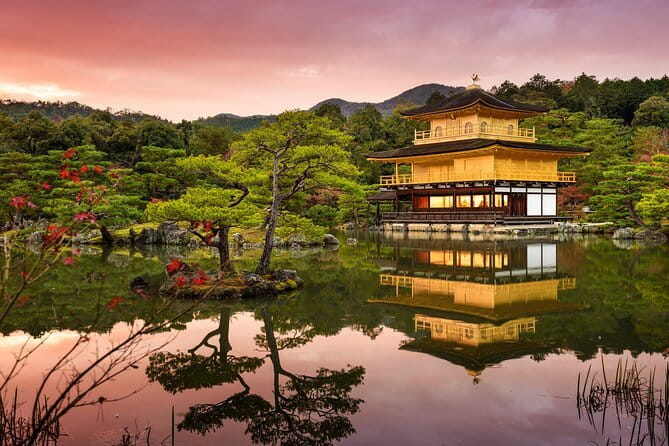
- UNESCO-grade stops: Nijo Castle, plus world-heritage Shinto sites like Kamigamo Shrine.
- Gion + temples in one half-day: Traditional streets plus major views from Kiyomizu-dera.
- Guide storytelling that adds meaning: Especially noted around Japan’s history context.
- Mobile ticket for a smooth start: Less hassle on the day.
A Private, 4-Hour Kyoto Plan You Actually Control
Kyoto is famous for big sights. The trick is making those sights fit your pace. With this tour, you’re not stuck with a rigid loop. You choose the attractions, and you can set the start time so the walk works with your hotel schedule and your energy level.
You’re also not guessing how long things take. Your guide keeps the flow realistic for a half-day. That matters because Kyoto can swallow time fast—one extra side street, one wrong turn, and suddenly you’re behind schedule. Here, the goal is to make the walking feel intentional.
Price-wise, $125 per person for a 4-hour private guide can be good value if you’re aiming for multiple major sites plus at least one quieter stop. The catch is that the tour price covers the guide and the guided time—not entrance fees, meals, or transportation. So think of it as paying for guidance and time management, then budget for site tickets separately.
You can also read our reviews of more walking tours in Kyoto
Picking Your Route: Northern Shrines vs Central Classic Kyoto
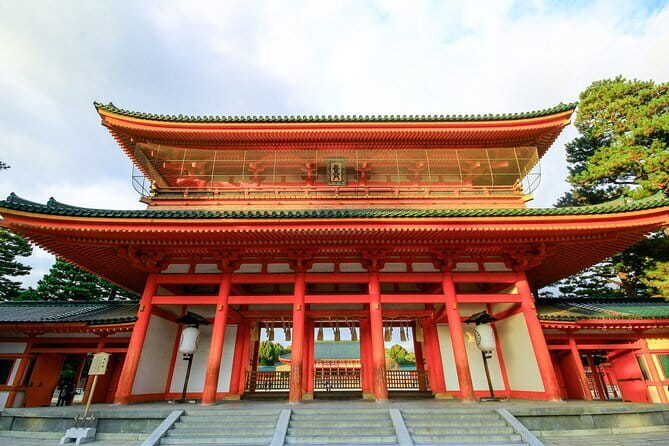
One smart thing about this tour is that it effectively offers two “styles” of Kyoto within the same 4-hour framework.
Northern-style suggested stops focus on nature and shrine calm:
- Kyoto Botanical Garden (garden time, seasonal blooms)
- Kamigamo Shrine (one of Kyoto’s oldest Shinto shrines and a UNESCO World Heritage Site)
- Ota Shrine (known for its iris garden, especially during blooming season)
Central-style suggested stops lean into Kyoto’s most photographed heritage:
- Gion (traditional machiya houses and the geisha culture you associate with this district)
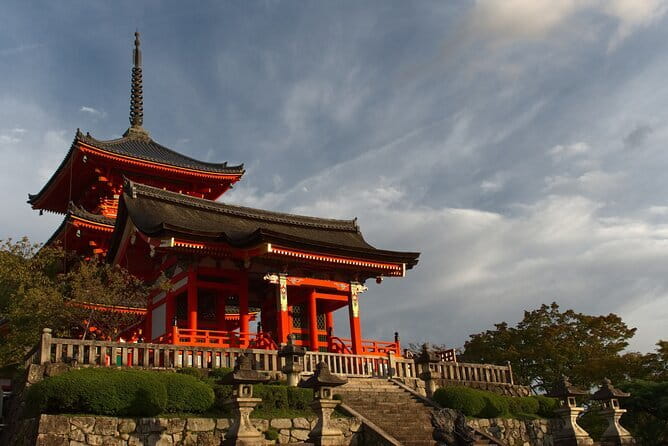
- Kiyomizu-dera (the iconic wooden stage with city views)
- Nijo Castle (feudal architecture and the famous nightingale floors)
Even if you don’t follow the suggestions exactly, they give you a clear decision point. If you want a temple-and-views afternoon, go central. If you want a calmer, more reflective morning or mid-day break, go northern.
Your Start Hour in Kyoto: Get Oriented, Then Walk With Purpose
The tour begins with an hour in Kyoto before you settle into specific heritage sites. That first block is valuable because it sets the tone: you’re not just being led from one spot to another. You’re also getting help shaping the day and making smart choices.
In practice, this is the part where you can benefit most from the customization. If you know you want, say, strong architectural sights, or you prefer quieter shrine atmosphere, you can steer the route. This is also a good moment to ask your guide how the day will “feel” on foot—where to slow down, where you might need to plan for crowds, and what’s worth swapping if your priorities change.
Tip: since the time window is short, come with at least 2 must-do targets. Then let your guide help you pick the best supporting stops around them.
Kyoto Botanical Garden: A Soft Reset Between UNESCO Stops
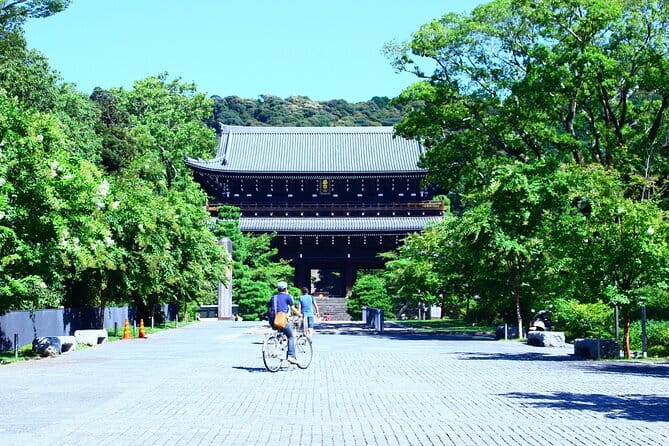
Kyoto Botanical Garden is a peaceful counterweight. It’s not a “temple from every angle” experience. It’s more of a reset—plants, seasonal blooms, and a slower rhythm in the middle of the city.
You get about 30 minutes here, which is enough time to wander without feeling trapped in a long museum-style visit. The garden is especially worth it if you’re mixing a more ceremonial or architectural route with something gentler. It also helps when the rest of your half-day includes longer lines or view-focused steps at major sites.
Budget note: botanical garden admission isn’t included. That doesn’t make it a bad add-on—it just means you should factor it into your total cost. If you’re traveling in a season where the garden’s highlights are in bloom, it can feel like a high-return stop for the time you spend.
Kamigamo Shrine: Old Shinto and UNESCO-Caliber Atmosphere
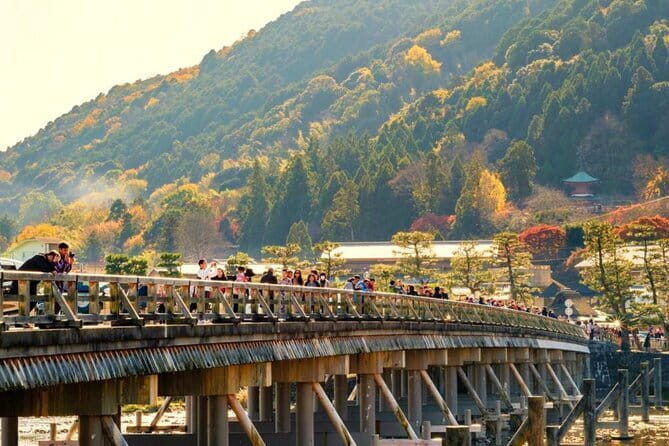
Kamigamo Shrine is one of Kyoto’s oldest Shinto shrines and carries UNESCO World Heritage status. That combination matters. You’re not just seeing a pretty shrine. You’re stepping into a place with deep cultural continuity.
The experience here tends to be about atmosphere: traditional shrine setting, a sense of calm, and the feeling that the space is meant for reverence rather than tourism photo ops. You’ll have around 30 minutes, which is a good length for taking in details without rushing through sacred space.
Important consideration: the shrine is a religious site. Keep your tone respectful. Also, since this is a walking tour, wear footwear that handles uneven ground if you wander a bit beyond the most direct paths.
You can also read our reviews of more historical tours in Kyoto

Ota Shrine: Iris Garden Energy (Season Dependent)

Ota Shrine is known for its iris garden, with strong interest during blooming season. That means the experience can vary by the time of year, but it usually works as a scenic, relaxing shrine stop.
If you’re visiting during iris season, this is the kind of place you’ll remember because it’s sensory: colors, paths, and that “slow down” effect. If you’re not in peak bloom, you’ll still get the wooded, tranquil vibe—but the floral wow factor may be reduced.
You’ll spend about 30 minutes here. That’s perfect for shrine browsing plus a quiet walk. It’s also a nice break before you shift back into big-name Kyoto icons later in the day.
Gion: Traditional Streets, Historic Homes, and Cultural Context
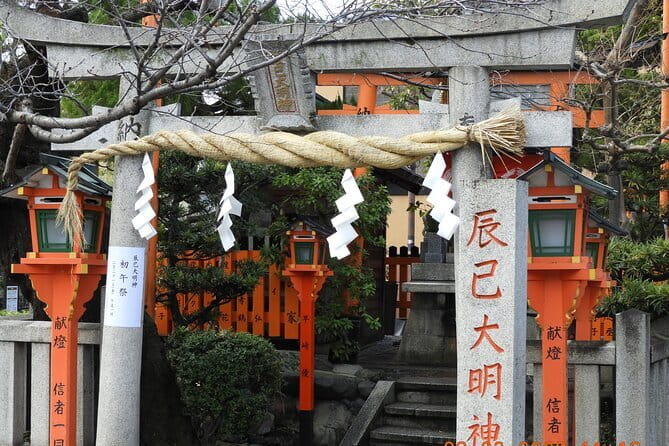
Gion is where Kyoto’s visual identity gets extra sharp. You’re in a district known for traditional machiya houses and the geisha culture that often comes up when people talk about Kyoto.
Your time here is about 30 minutes, which is enough to walk the streets, look at the architecture, and get oriented to the district’s layout. The key is to use this stop as a cultural bridge. Don’t just treat it like a photo checklist. Ask your guide what to notice—how the neighborhood’s character links back to older Kyoto life, and what kind of street scenes you’ll see around teahouses and shops.
Practical tip: Gion can feel busy at certain hours. If you’re sensitive to crowds, your ability to set the start time is a real advantage. Use that customization power to reduce the “rush hour” feel.
Kiyomizu-dera: The Wooden Stage and City-View Payoff
Kiyomizu-dera is famous for its wooden stage and panoramic views of the city. This is a stop built for wow moments. Even if you’ve seen images before, standing near a major viewing area changes the scale. You also get a strong sense of why this site is such a Kyoto icon.
You’ll have about 30 minutes, so treat it as a “go and look” stop: walk the key areas, pause for the views, then move on. If you try to slow-wander every side path, you’ll risk cutting your time short at the castle or Gion.
Also, plan for stairs and walking. Kiyomizu-dera is not a flat stroll. Solid shoes help you enjoy the views instead of thinking about your feet.
Nijo Castle and the Nightingale Floors
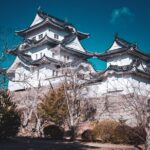
Nijo Castle is a UNESCO World Heritage Site and a prime example of Japanese feudal architecture. One detail that makes it especially memorable is the nightingale floors—wooden floors designed to chirp when you walk.
That’s not just a clever gimmick. It connects you to the idea that the building was created with purpose and security in mind. When you hear those subtle sounds, it makes the architecture feel like more than scenery.
You’ll spend about 30 minutes here. Use that time to slow down for the interior feel and pay attention to the layout. Castle visits can go fast, and you’ll miss the “why it’s designed this way” story if you treat it like a quick photo stop.
If you’re choosing between central and northern styles, Nijo Castle is a strong reason to pick central. It adds an architectural punch that pairs well with Gion’s street history and Kiyomizu-dera’s iconic viewpoints.
Price and Value: What $125 Covers (and What to Budget Next)
At $125 per person, this tour can be a good deal when you want a private guide plus time-efficient heritage hopping. You’re paying for:
- a guide in your selected language
- about 4 hours of customized walking and planning
You’re not paying for:
- transportation
- entrance fees
- meals and other drinks
- personal expenses
Some stops can have free admission (your itinerary lists at least one stop as free and Gion time as free), but the overall rule is that entrance fees aren’t included. For example, Kyoto Botanical Garden admission isn’t included.
So do this budgeting math before you commit:
- Start with $125.
- Add whatever you expect to pay for site tickets you choose.
- Add one simple meal plan (or decide you’ll eat before/after the tour).
If you’re traveling with a small group, keep an eye out for group discounts. That can drop the effective cost per person if the operator offers it for your booking setup.
What to Wear and Bring for a Smooth 4-Hour Walk
This is a walking tour, and the stops are spread across areas that reward comfortable movement. You’ll feel the difference between arriving in good shoes and arriving in “pretty but risky” footwear.
Bring:
- comfortable walking shoes
- a small water bottle or plan to buy drinks nearby (meals and drinks aren’t included)
- a light layer for changing weather
Also, since transport isn’t included, plan your arrival and departure around public transit. The tour is listed as near public transportation, so you shouldn’t need a car to make it work.
Mobile ticket note: since a mobile ticket is provided, make sure your phone battery is healthy before you head out. It’s a small thing, but it prevents stress when you’re trying to meet your guide smoothly.
Who This Tour Fits Best (and Who Might Want Something Else)
This tour fits you if:
- you want major Kyoto heritage sites without building a complicated route
- you like having a plan but still want flexibility
- you prefer walking with a human guide who can explain what you’re seeing and adjust to your wish list
It may feel less ideal if you want a fully long, slow “everything at once” Kyoto day. Four hours is great for focus, not for trying to cover every neighborhood and temple. If that’s your style, you’ll likely want a longer tour or multiple shorter ones.
One more factor: because admission fees aren’t bundled, you should be comfortable paying site tickets individually. If you prefer one fixed price that includes everything, this setup might feel a bit add-on heavy.
Should You Book This Kyoto World Heritage Walking Tour?
I think it’s a strong choice if you want a private half-day that’s genuinely tailored. The combination of custom route planning, UNESCO-level sites, and a guide who brings context to what you see makes it worth considering—especially if you care about choosing the right mix of big sights and quieter spaces.
Book it if:
- you want Gion + Kiyomizu-dera + Nijo Castle (central-style) or you want the northern quiet trio feel (garden + shrine calm)
- you want your start time to match your day
- you’re ready to budget for entrance tickets and transport
Skip it or consider another option if:
- you’re hoping every admission fee is included
- you want a full-day “see everything” itinerary with no tradeoffs
FAQ
How long is the Kyoto highlights walking tour?
It’s about 4 hours.
Is this a private tour?
Yes. It’s private, so only your group participates.
Can I choose the attractions and the start time?
Yes. The tour is customizable, and you can select attractions and set the start time.
Are entrance fees included?
Entrance fees are not included. Some stops are listed as free in the plan, but paid entries like Kyoto Botanical Garden are not included.
What’s included in the tour price?
Your tour includes a guide in your selected language and the 4-hour customized tour.
Is transportation provided?
No. Transportation isn’t included, though the meeting area is near public transportation.
Can I get a refund if I cancel?
Yes. Free cancellation is available up to 24 hours in advance for a full refund.