REVIEW · NEW DELHI
Temples, Bazaars & Food Tasting in Old Delhi with Female Guide
Book on Viator →Operated by THE LOST COMPASS · Bookable on Viator
Old Delhi moves fast, and your guide makes it make sense. This 3-hour walk-and-ride through historic lanes is a smart mix of major bazaars and landmark temples, plus a handful of classic bites. What I like most is that the storytelling feels practical, not lectured—especially with a female guide who keeps things clear and comfortable for solo travelers.
I also love the food pacing. You get chai, samosa, pakora, traditional bread, curry, and lassi across the route, so it doesn’t feel like one big stall stop. One consideration: the area is crowded and the streets are tight, so you’ll want to be okay with close quarters and quick transitions (and the tour depends on good weather).
In This Review
- Key things that make this tour worth it
- What you’re really buying with this Old Delhi experience
- Where you start: Lal Qila Metro and a quick orientation
- Chandni Chowk: markets, noise, and first-time sensory control
- Sis Ganj Guru Dwara: Sikh temple culture and the free mega-kitchen
- Red Fort and a Hindu Temple look from outside
- Jain temples at Lal Mandir: peace, details, and a bird hospital
- Dariba Kalan and the silver street moment
- Naughara: nine-house lane plus another Jain temple stop
- Khari Baoli: Asia’s second-largest spice market
- Fatehpuri Masjid: a 375-year-old mosque in the heart of Old Delhi
- The food tasting: chai, samosa, pakora, bread, curry, and lassi
- Rickshaw rides and why they make the 3-hour plan work
- Price and value: what $29 covers and why it feels fair
- Who this tour suits best
- Should you book this Old Delhi temples, bazaars, and food tour?
- FAQ
- How long is the Old Delhi tour?
- Where do I meet the tour?
- Is there a female guide?
- What food is included in the tasting?
- Are rickshaw rides included?
- What is the group size limit?
- What’s the cancellation policy?
- What if there’s poor weather?
- Is there a mobile ticket?
Key things that make this tour worth it
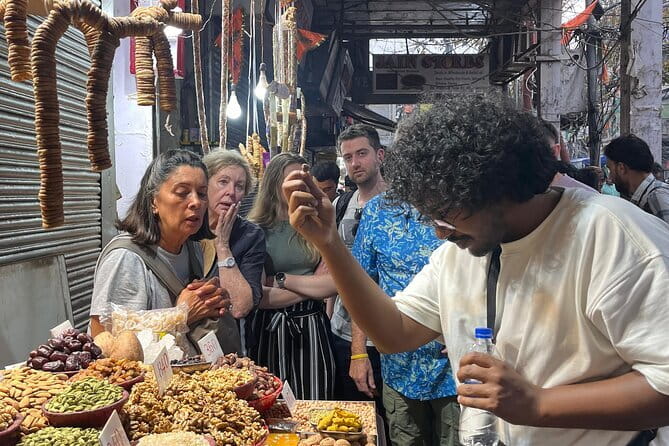
- Female-guided for comfort on the streets of Old Delhi, with a calm, careful approach
- Chandni Chowk plus the spice markets (Khari Baoli is a standout) so you see the trading culture up close
- A real peek at faith in action at places like Sis Ganj Guru Dwara’s massive kitchen
- Jain temples with special details, including a bird hospital inside the complex
- Old Delhi views without wasting time, like Red Fort and the Hindu Temple area from outside
- Rickshaw rides and multiple snack stops that keep the route efficient for 3 hours
What you’re really buying with this Old Delhi experience
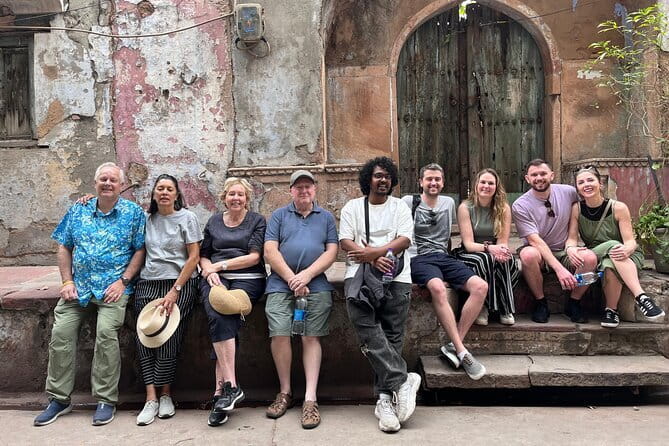
For $29, you’re not just paying for sightseeing. You’re paying for someone to help you move through a maze of lanes and markets without losing time—or patience. Old Delhi can overwhelm you fast, especially if you’re trying to plan temple visits and food tastings on your own.
This tour keeps the structure simple: markets first, then temple stops, then a string of tastings. You get enough variety to feel like you sampled multiple sides of the neighborhood—trade, religion, and everyday food—without turning your day into an all-day sprint.
The best part, for me, is how the guide steers the experience toward what matters: why these places are important, and what you’ll notice when you walk through them.
You can also read our reviews of more food & drink experiences in New Delhi



Where you start: Lal Qila Metro and a quick orientation
You meet at Metro Station Lal Qila, Chandni Chowk. That’s a useful choice because you’re right where the action starts, and you’re not fighting across-town logistics before you even begin. You’ll have a mobile ticket, which helps if you’re already juggling transit and timing.
Because the tour is about 3 hours, you don’t have a lot of room for slow starts. The upside is you’ll get your bearings fast, and you’ll see a lot without dragging through the same street twice.
One small practical note: the route is tightly linked to Old Delhi’s walkable lanes, so comfortable shoes matter. Also, if you’re sensitive to heat or crowds, plan to pace yourself at each stop and take small breaks when you can.
Chandni Chowk: markets, noise, and first-time sensory control
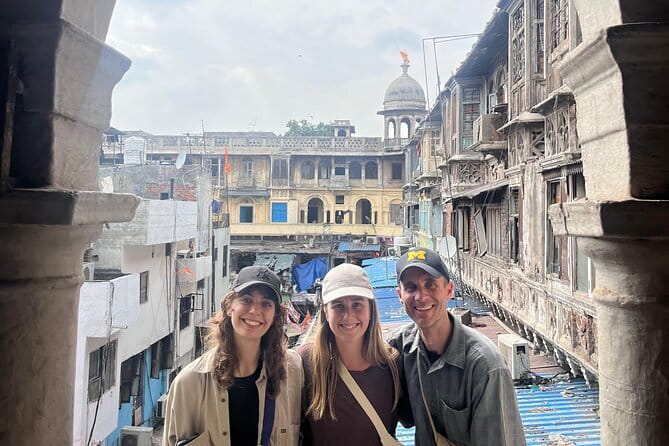
The tour begins in Chandni Chowk, one of Old Delhi’s most famous market areas. This is where the contrast hits you immediately: the chaos is real, but it’s also organized by trade—spices, cloth, jewelry, and everything sold in narrow corridors.
You’ll be there for about 20 minutes, so think of this as your “set the scene” stop. The guide’s value here is helping you interpret what you’re looking at—what’s being sold, how the lanes function, and why the market layout matters.
If you’re the type who gets stressed by crowds, this is a good place to let the guide lead the pacing. The route is designed so you’re not stuck wandering alone in the densest bits longer than needed.
Sis Ganj Guru Dwara: Sikh temple culture and the free mega-kitchen
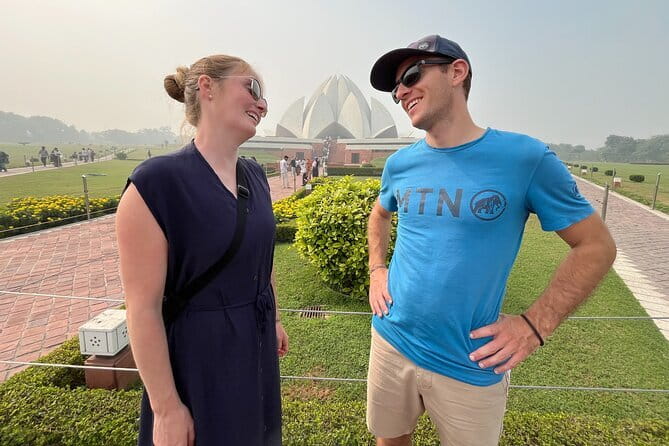
Next comes Sis Ganj Guru Dwara. This stop is about more than photos. You’ll learn about Sikh temple culture and then step into the mega kitchen where 12,000 to 15,000 people are served free every day.
That scale changes how you see the place. It’s not abstract charity; it’s logistics, routine, and service operating at full speed. If you care about how communities actually work—not just how landmarks look—this is one of the strongest stops on the route.
You’ll spend about 30 minutes here, which feels right. Long enough to take in the atmosphere and understand the story, but not so long that it steals time from the rest of the day.
Practical tip: plan to be respectful with your posture and movement, and follow the guide’s directions for where to stand and when to move.
Red Fort and a Hindu Temple look from outside
You’ll pass the Red Fort area and also a Hindu Temple from the outside. This is a quick stop—about 10 minutes—so don’t expect a full visit.
Instead, treat it as a cultural landmark moment: you’re seeing what everyone references when they talk about Old Delhi’s imperial and religious layers. The value is time management. In three hours, you need a mix of full stops and short viewpoints, and this route makes that trade-off thoughtfully.
If you’re hoping for deep interior access here, this may not satisfy you. But if your goal is context and efficient sightseeing with food and markets, it fits the format.
A few more New Delhi tours and experiences worth a look




Jain temples at Lal Mandir: peace, details, and a bird hospital

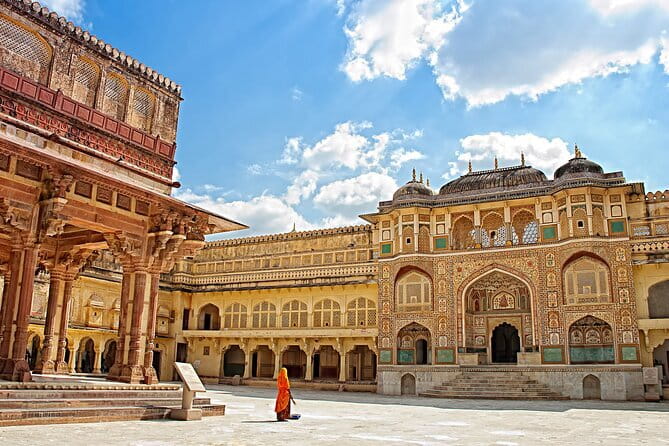
The route then shifts toward quieter spaces with a stop at Lal Mandir Shri Digambar Jain Atishay Kshetra. Jain temples often feel different from the louder market streets—not just because they’re calmer, but because the details are where your attention goes.
You’ll spend about 25 minutes here, and you’ll hear about the story of Jainism. One specific highlight: the stop includes a visit to a bird hospital inside the complex.
That’s a small detail, but it’s a memorable one. It helps explain how values can show up in daily practice, not only in temple art or philosophy. It also gives the stop a human, grounded feeling, which I find makes religious sightseeing more meaningful.
If you like places with craftsmanship—carvings, design, and the way spaces are arranged—this is a good temple stop to anchor your walk.
Dariba Kalan and the silver street moment
After the Jain temple stop, you move through Dariba Kalan, often called the silver street of Old Delhi. This is a passing stop of about 15 minutes, so again: not long, but effective.
This is where the market identity gets clearer. You see how Old Delhi isn’t one generic bazaar—it’s many specialized lanes stacked together. Jewelry, silver work, and trading culture all sit side by side, and the guide helps you understand what you’re seeing as a system.
A useful way to handle a short market stop: look for the craft and the display. Focus on what’s being sold and how the storefronts line up. Don’t try to shop immediately unless it’s your plan—first get oriented.
Naughara: nine-house lane plus another Jain temple stop
You’ll also visit Naughara (Row of Nine Houses), described as one of Old Delhi’s most beautiful lanes. The tour time here is about 20 minutes and includes exploring a Jain temple situated there.
This segment is a good example of why the tour is more than a list of stops. The lane itself matters, and the temple presence there gives the street a layered feel—market rhythm outside, spiritual significance inside.
If you’re into architectural street character, you’ll likely enjoy this part more than you expect. It’s also a nice contrast after Khari Baoli later, since it’s more about calm and detail.
Khari Baoli: Asia’s second-largest spice market
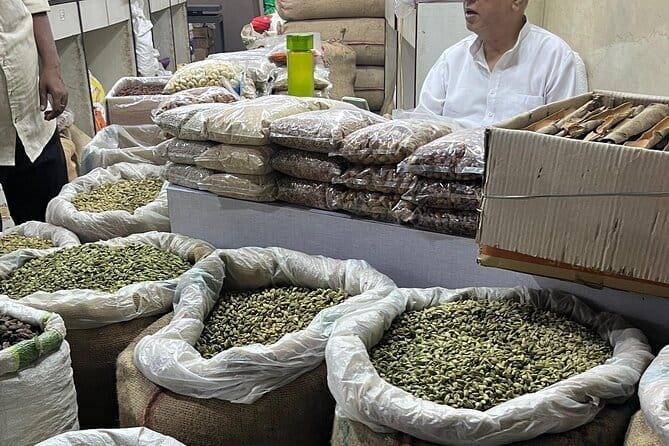
Then you reach Khari Baoli, which the tour describes as Asia’s 2nd largest spice market. You’ll spend about 20 minutes, and the main thing you’ll feel is the smell. The spice density is the point—this is a place where aroma is part of how the market works.
The guide’s job here is important. It’s easy to feel like you’re just standing in front of sacks of spices. You’ll get context that helps you understand what makes it special, and it turns your quick visit into something you can actually remember.
Practical note: if you have strong sensitivities to fragrance or dust, consider keeping your movements short and stepping back when you need air.
Fatehpuri Masjid: a 375-year-old mosque in the heart of Old Delhi
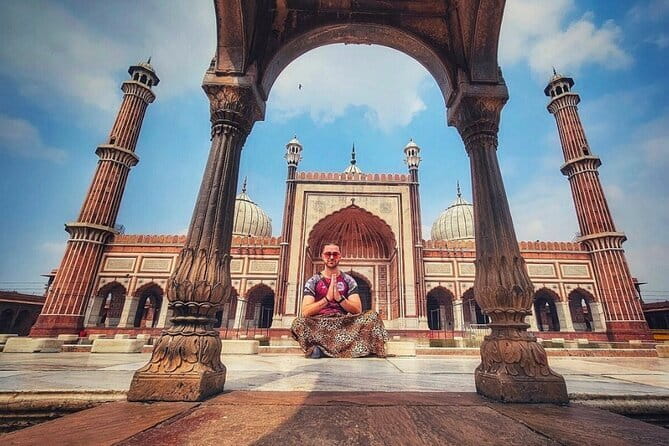
The final major stop is Fatehpuri Masjid, described as 375 years old and the 2nd largest mosque. You’ll have about 10 minutes here.
This is a brief look, so treat it as a concluding landmark. You’ll likely appreciate it most as a “faith in the city” moment—markets earlier, temples and kitchens mid-route, then a mosque that shows another layer of the neighborhood’s religious life.
Short stop, big payoff. The guide will help you focus on what’s worth noticing rather than making you rush through blind.
The food tasting: chai, samosa, pakora, bread, curry, and lassi
This is one of the tour’s biggest selling points, and it’s handled in a smart way. You don’t eat everything at once in a single place. You get 4 to 5 food items, along with bottled water and coffee and/or tea.
The listed bites are classics: chai, samosa, pakora, traditional bread, curry, and lassi. That mix matters because it covers hot, fried, and comforting—not just sweets or just one category.
Here’s how I’d approach it so you enjoy the whole route:
- Start with something light first if you’re sensitive to heavy fried foods.
- Save the curry and bread combinations for when you’re settled at a stop, not while moving.
- Sip lassi when you want a palate reset, especially after spice-heavy market air.
Also, if you have food-related allergies, you’re encouraged to write the team ahead of time. That’s the right move for this kind of tasting-focused tour.
Rickshaw rides and why they make the 3-hour plan work
The tour includes rickshaw rides, which is a practical upgrade in Old Delhi. Even when you’re walking, you’re still moving across lanes that can feel endless. A short ride saves energy and helps you keep your schedule on track.
In a 3-hour format, the rickshaw isn’t a gimmick. It’s a time-and-comfort tool—especially if the crowds get thick or if you want to reduce the amount of road time on rough sidewalks.
Price and value: what $29 covers and why it feels fair
At $29 per person, you’re getting a guide, multiple snack tastings, and transportation support in a compact time window. The tour also includes all fees and taxes, bottled water, and coffee and/or tea.
That bundled approach matters because it reduces the little costs that can creep up when you try to DIY. Even if the temples themselves have free entry at several stops, you’d still pay for guidance, food timing, and navigation help.
You’ll see some places where admission is noted as included (like the Jain temple segments), and many other spots have admission ticket info listed as free. Either way, the key is you’re not handed surprise costs mid-route.
Who this tour suits best
This fits best if you:
- want a short, structured Old Delhi experience rather than a full-day scramble
- like religious sites with real-life context, like the Sikh kitchen service
- care about markets, but you want someone to explain what you’re seeing
- are traveling solo and appreciate the comfort of a female guide
It might be less ideal if you:
- want long temple visits or interior access at every stop
- dislike crowds and strong smells (Khari Baoli is fragrance-forward)
- need a slow pace with lots of free time for shopping
Should you book this Old Delhi temples, bazaars, and food tour?
Yes—if you want a clean, efficient way to experience Old Delhi’s main flavors (markets, temples, and food) in just three hours. The strongest reason to book is the blend: you’re not only ticking sights; you’re getting context and tastings that make the route feel alive.
If you’re a solo traveler, I’d pay extra attention to the fact that the tour is explicitly guided by a female guide. Based on what I’ve seen and heard about guide style in similar bookings, this matters for comfort, communication, and how confidently you can ask questions on crowded streets.
Book this when you’re okay with street-level chaos and short stops. If that sounds like your style, you’ll likely leave with the feeling that you understood Old Delhi—not just walked through it.
FAQ
How long is the Old Delhi tour?
It runs for about 3 hours (approx.).
Where do I meet the tour?
The start point is Metro Station Lal Qila, Chandni Chowk, Delhi, 110006, India, and the tour ends back at the meeting point.
Is there a female guide?
Yes, this experience is specifically with a female guide.
What food is included in the tasting?
You’ll get 4 to 5 food items, including chai, samosa, pakora, traditional bread, curry, and lassi (plus bottled water and coffee and/or tea).
Are rickshaw rides included?
Yes, rickshaw rides are included as part of the experience.
What is the group size limit?
The tour has a maximum of 20 travelers.
What’s the cancellation policy?
You can cancel for a full refund with free cancellation up to 24 hours before the experience starts. If you cancel less than 24 hours before, the amount paid is not refunded.
What if there’s poor weather?
The tour requires good weather. If it’s canceled due to poor weather, you’ll be offered a different date or a full refund.
Is there a mobile ticket?
Yes, the tour includes a mobile ticket. Confirmation is received at the time of booking.