REVIEW · KATHMANDU
Full Day Kathmandu City Sightseeing Tour of UNESCO Heritage Sites
Book on Viator →Operated by Welcome Nepal Treks P.ltd · Bookable on Viator
Four UNESCO stops, one tight Kathmandu day. This is a smooth, full-day way to get the big sights of Kathmandu Valley without wrestling with timing, taxis, and directions on your own. You’ll start in the morning with hotel pickup, then work through UNESCO World Heritage sites with a guide at your side.
What I like most is the focus: Swayambhunath Temple gets a full hour, so you’re not rushed off a hilltop once you reach the best views. The second highlight for me is how the day stays manageable in a small group (max 15), which makes it easier to ask questions and move at a human pace.
One consideration: lunch is not included, and the tour information also flags that entrance fees may be extra depending on what you’ve got covered. Plan on budgeting time and money for that so you’re not stuck deciding last-minute.
In This Review
- Key highlights to know before you go
- Hotel pickup to UNESCO doorways: how the day is paced
- Swayambhunath Temple: that hilltop view and a full hour
- Patan temple trio: Krishna Mandir, Bhimsen, and Taleju Bhawani
- Pashupatinath Temple: a major pilgrimage stop that adds weight to the day
- Boudhanath Stupa: UNESCO spirituality, plus a good reset point
- Time, transport, and the 7–8 hour reality
- Price and value for $50: what you’re paying for
- What kind of guide you’ll get (and why it matters)
- Who should book this Kathmandu UNESCO loop
- Should you book this tour?
- FAQ
- FAQ
- What UNESCO sites does this Kathmandu tour include?
- How long is the tour?
- Is lunch included?
- Are entrance fees included in the price?
- Does the tour include hotel pickup and drop-off?
- What’s the group size?
- Is free cancellation available?
Key highlights to know before you go
- Hotel pickup and drop-off in Kathmandu Valley, so you start from your own door
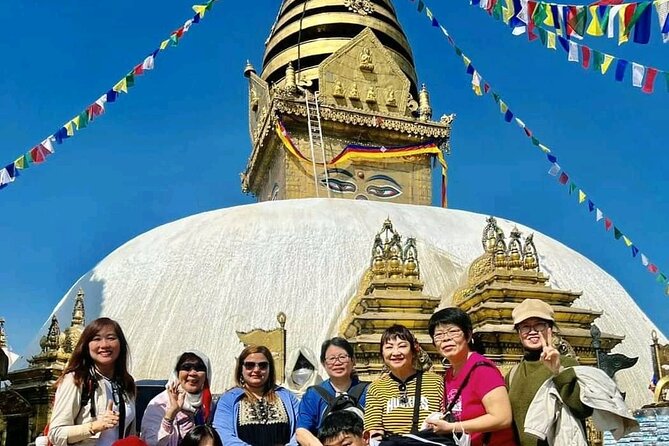
- Swayambhunath Temple as the morning anchor, with about an hour to explore
- Patan temple stops including Krishna Mandir, Bhimsen Temple, and Taleju Bhawani Temple
- Pashupatinath Temple and Boudhanath Stupa to complete the UNESCO day lineup
- Small group limit of 15 travelers, which usually means better pace and questions
- Lunch not included and entrance fees may be extra, so budget realistically
Hotel pickup to UNESCO doorways: how the day is paced
This tour is built for people who want a one-day plan that actually works on the ground. You get pickup and drop-off around the Kathmandu Valley area, plus an air-conditioned vehicle for the drives between sites. That matters because Kathmandu traffic and walking distances can quietly eat your day if you’re doing it independently.
The day starts in the morning, with the start time listed as 8:45am. Other tour notes mention a morning meet-up around 8:00, so in practice, expect an early call and be ready to leave shortly after. The time window is roughly 7 hours on paper, but you should plan for around 8 hours with real-world driving and site time.
This isn’t a “speed through everything” kind of route. The visit sequence is set up so you hit major highlights—Swayambhunath, Patan, Pashupatinath, and Boudhanath—without needing to constantly check maps and transfers. If you’ve only got a day in Kathmandu and you want the most obvious UNESCO hits done properly, the structure is the value.
You can also read our reviews of more city tours in Kathmandu
Swayambhunath Temple: that hilltop view and a full hour
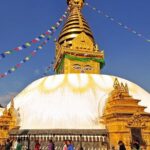
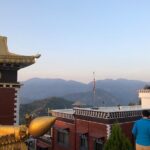
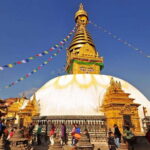
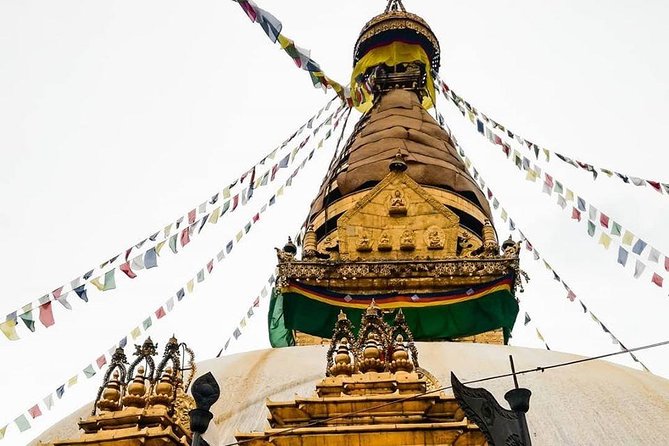
Your morning begins at Swayambhunath Temple, one of the best starting points because it gives you a quick sense of scale for the city. You’ll explore for about one hour, which is a genuinely useful chunk of time. It’s long enough to look, take photos, read the details you’re interested in, and still have a moment to slow down.
This is also the kind of place where having a guide pays off. The tour includes time at Swayambhunath as the “oldest temple of Nepal,” with a focus on the Buddhist elements at the site. The guide should be able to point out what you’re looking at and what the symbols mean, so you don’t just pass through as a camera on legs.
The other practical win is timing. Morning light tends to make the view feel clearer, and starting here also helps spread the day so you don’t end up doing everything at the hottest part of the day. In short: I like that Swayambhunath is treated like a real stop, not a quick photo stop.
What to watch for: you’ll want comfortable shoes. Even if the tour doesn’t specify terrain, temple sites in Kathmandu often involve steps and uneven ground. Bring water, too, because the day’s long and food isn’t included.
Patan temple trio: Krishna Mandir, Bhimsen, and Taleju Bhawani
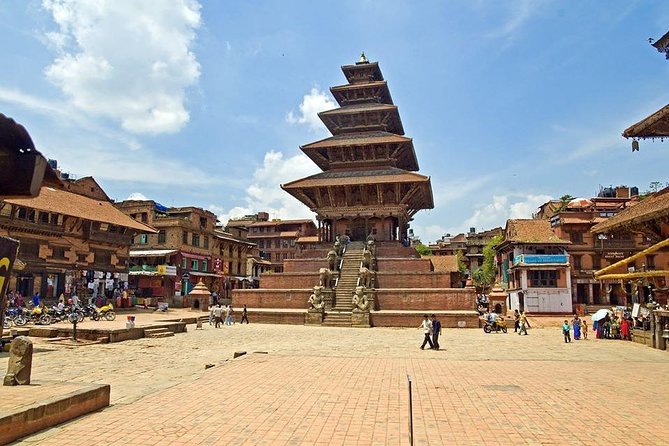
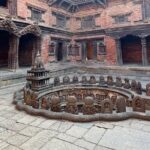
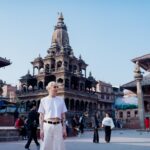
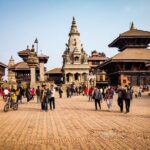
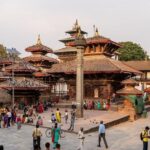
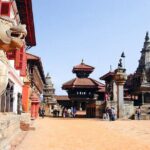
After Swayambhunath, you drive to Patan, often described as a city of arts with strong cultural and architectural character. This stop is where the day shifts from temple views to temple details—what you’re actually seeing in the stonework and the design.
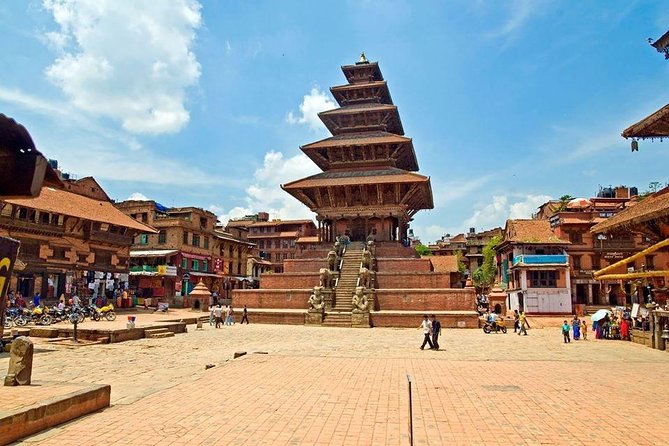
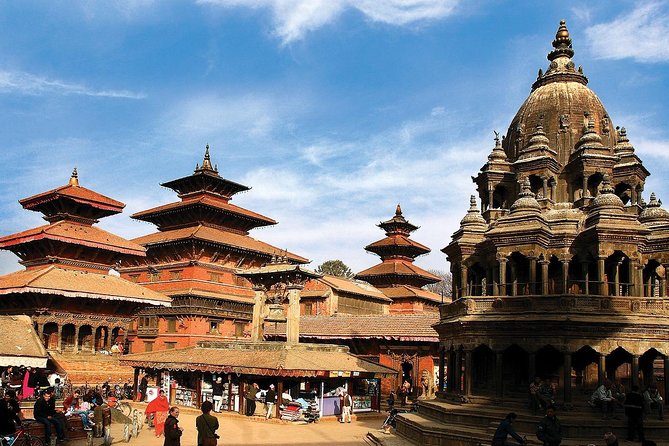
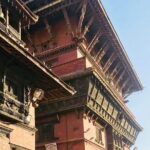
The Patan visit includes a set of named temple highlights: Krishna Mandir, Bhimsen Temple, and Taleju Bhawani Temple. That naming matters because it gives you something concrete to look for. Without it, a lot of sightseeing days become “we walked around and it was pretty.” Here, you’re meant to visit specific sites and connect the visual style to different places of worship.
You’ll also spend time seeing ancient architecture and the older-style houses around Patan. Even if you’re not an architecture buff, this is where you start noticing how Kathmandu Valley cities feel different from each other. Patan often reads as more compact and craft-focused, and that’s a nice contrast after Swayambhunath.
Food reality check: the tour information says lunch is not included, but it also implies there will be time to eat during the day. So think of lunch as something you’ll plan on your own in Patan rather than something handed to you by the operator. If you’re picky about food, bring a simple strategy: decide where you’d like to eat before you get to the area, or ask your guide to point you toward a place that fits your budget.
Pashupatinath Temple: a major pilgrimage stop that adds weight to the day
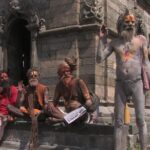
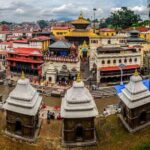
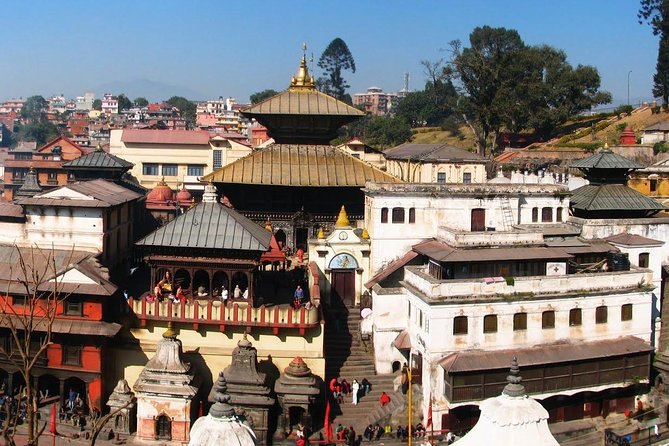
Next up is Pashupatinath Temple. This is one of those Kathmandu stops that feels significant the moment you arrive because it’s a high-profile pilgrimage site. The tour doesn’t frame it as a quick look-and-go; it’s presented as a major attraction in the day’s UNESCO lineup, alongside Swayambhunath, Patan, and Boudhanath.
The guide’s role becomes extra important here. Even if you’re not reading every sign or chant detail, your guide can help you understand what’s going on and what you’re likely to see at different times of day. That turns the visit from a checklist item into an actual cultural experience.
The practical tip is simple: dress appropriately for temples and expect crowd energy. This is not a quiet museum stop, so keep your expectations realistic. You’ll get more out of it if you slow down and let the place set the pace.
Boudhanath Stupa: UNESCO spirituality, plus a good reset point
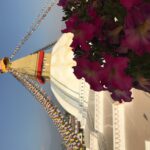
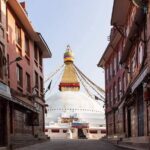
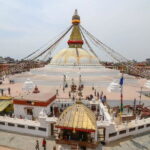
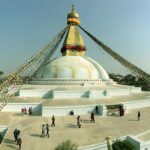
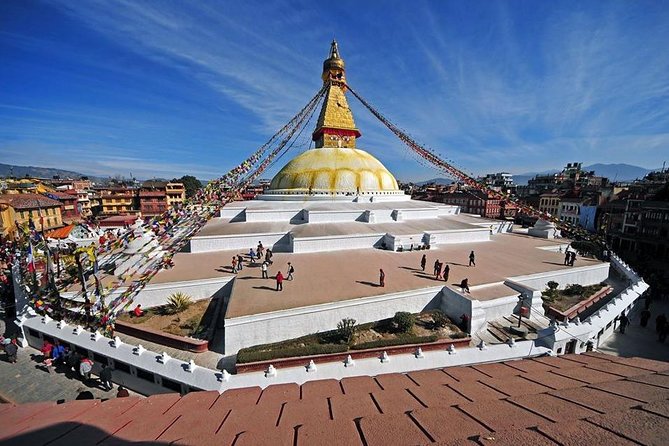
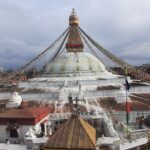
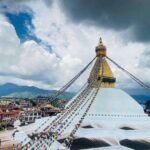
Boudhanath is your late-day anchor: Boudhanath Stupa. This site gives you a different kind of Kathmandu Valley atmosphere than Swayambhunath or Patan. If your morning is full of hilltop views and architectural details, Boudhanath is a place where the energy feels steadier and more ceremonial.
From a planning standpoint, this matters. By the time you reach Boudhanath, you’ve already clocked a lot of walking and driving. A major stupa is a strong choice for the second half of the day because you can take your time with photos, look around, and get that sense of place without needing to sprint to the next stop every five minutes.
Another quiet advantage: being part of a small group tends to reduce the stress of trying to navigate crowds and edges of sacred spaces. Your guide can help you find the best viewing angles and explain what you should treat carefully.
As with the rest of the day, remember you’re likely to be out for hours and food isn’t included. If you haven’t eaten by then, Boudhanath might not be the moment you want to start searching for a meal.
You can also read our reviews of more historical tours in Kathmandu
Time, transport, and the 7–8 hour reality
Even though the tour is listed as about 7 hours, the guidance says to plan for around 8 hours. That makes sense for a day that includes multiple locations and time at each site. It also means you should treat the day like a full commitment, not an easy half-day that fits around lunch plans and shopping.
Transport is handled for you: air-conditioned vehicle, with hotel pickup and drop-off. That’s huge value if your Kathmandu navigation style is less map-scrolling and more comfort. You don’t need to worry about finding the right vehicle or haggling for each hop between UNESCO sites.
One thing to keep in mind: most of your time is “fixed” by the tour schedule, so you can’t freely extend one stop if you discover a detail you love. If you’re the type who wants to linger for hours at one site, you might feel slightly capped by the day’s structure. On the flip side, if you want the entire UNESCO hits done without decision fatigue, this itinerary is set up for you.
Price and value for $50: what you’re paying for
At $50 per person, this is priced like a solid budget-friendly guided day. The real value isn’t just the entrance tickets or the sites—it’s the combination of:
- Professional guide
- Hotel pickup and drop-off
- Transportation in an air-conditioned vehicle
- Access to multiple major UNESCO stops in one day
The tricky part is the entry fees question. Some tour notes say entrance fees are an extra fee, while the included list also mentions an entrance-fee ticket. I can’t assume every version is the same, so here’s the practical move: before you go, confirm which site admissions are covered in your exact booking. That prevents surprise costs right when you reach a ticket counter.
Food and drinks aren’t included either, so you should budget for lunch and snacks. If you’re traveling with a limited stomach tolerance for long days, plan on bringing something small with you.
Bottom line: $50 feels fair if you want structure, transport, and a guide. If you’re comfortable arranging your own rides and tickets, you might spend less independently—but you’ll also spend more time managing logistics.
What kind of guide you’ll get (and why it matters)
The guide is one of the biggest factors behind why this tour earns strong praise. In past tour experiences tied to this exact route, guides such as Ranjit Godar, Kesher, and Rabina have been mentioned as leading the day. The common thread: people seem to appreciate guides who explain what you’re seeing and answer questions without rushing.
Why that matters: UNESCO sites can look stunning and still feel confusing if you don’t know what’s symbolic, what’s important, or why one temple differs from another. A good guide helps you connect the dots fast. Instead of collecting random facts, you start to understand the spiritual and cultural logic of the places you’re walking into.
Also, the tour is designed for a max group size of 15, which helps the guide manage attention. In a big bus scenario, you’d often get one-size-fits-all explanations. Here, smaller groups make it easier to ask the follow-up questions that make your visit stick.
Who should book this Kathmandu UNESCO loop
This is a great fit if you want:
- A single-day plan to see multiple UNESCO sites efficiently
- Hotel pickup and drop-off to reduce hassle
- A guided experience that helps you understand what you’re looking at
- A group size that stays reasonable (up to 15)
It’s also a good choice for solo travelers, because a small group format can make the day feel social without becoming forced. And if you’ve only got one or two days in Kathmandu, this route hits the most famous spiritual and historic areas in a way that’s hard to replicate on your own without planning.
Consider skipping it (or switching to a more flexible option) if:
- You strongly prefer independent travel with free time at your own pace
- You don’t want to deal with possible entrance fees on top of the tour price
- You need lunch included automatically, rather than having to plan your own meal
Should you book this tour?
If your goal is to check off the big Kathmandu Valley UNESCO sites with minimal stress, I think this tour is an easy recommendation. The pricing makes sense because you’re paying for transportation, pickup/drop-off, and a guide, not just sightseeing.
I’d book it if you’re the type who enjoys a curated route and wants context while you’re there. Swayambhunath with a full hour, Patan with specific temple stops, plus Pashupatinath and Boudhanath in the same day is a strong mix of viewpoints and sacred spaces.
Just go in with two smart expectations: lunch isn’t included, and entry fees may require extra budgeting depending on your booking coverage. If you handle those ahead of time, the day should feel like a well-run highlights tour rather than a stressful scramble.
FAQ
FAQ
What UNESCO sites does this Kathmandu tour include?
You’ll visit Swayambhunath Temple, Patan, Pashupatinath Temple, and Boudhanath Stupa.
How long is the tour?
The tour runs about 7 hours (with guidance to plan around 8 hours).
Is lunch included?
No. Lunch is not included, and you’ll need to plan your own food and drinks during the day.
Are entrance fees included in the price?
The tour notes indicate that entrance fees to the sites are an extra fee, even though the included items list mentions an entrance-fee ticket. Confirm what’s covered for your booking before you go.
Does the tour include hotel pickup and drop-off?
Yes. Hotel pickup and drop-off in Kathmandu Valley are included, along with transport in an air-conditioned vehicle.
What’s the group size?
This is a small group tour with a maximum of 15 travelers.
Is free cancellation available?
Yes. You can cancel for a full refund up to 24 hours in advance of the experience start time.