REVIEW · JAIPUR
Cyclin’Jaipur – Pink City Heritage walking Tour
Book on Viator →Operated by CyclinJaipur · Bookable on Viator
Morning lanes. Real Jaipur. Small group.
This Cyclin’Jaipur Pink City Heritage walking tour makes the old city feel readable fast, starting at Hawa Mahal and then moving through the City Palace complex and on to local markets. What I like most is the craft-first route (marble carvers and hands-on artisan district) and the chance to see a Hindu prayer ceremony up close, not from far away. It is a 3-hour walk designed for first-timers and repeat visitors who want the day-to-day Jaipur details.
One catch: this is still a walk. You should have moderate physical fitness, and you will need to plan for crowding and street walking, especially around markets. Also, dress for respect: no short pants or sleeveless attire.
If you land with guides like Viru, Raju, Sid, or Parveen, you’re usually in good hands. Several guides have strong language skills (one review specifically highlights French), and they focus on keeping you safe in traffic-heavy areas while explaining what you’re seeing in plain language.
In This Review
- Key highlights worth getting excited about
- Starting at Hawa Mahal: your orientation without a museum fog
- City Palace complex: royal walls, practical context
- Temple moment: seeing a prayer ceremony as part of the day
- The vegetable wholesale market: where Jaipur’s daily engine runs
- Flower market on the way: a softer pause in the middle of it all
- Artisan district and marble carvers: meet the makers behind Jaipur crafts
- Pacing, group size, and how to dress for a 3-hour old-city walk
- What you actually get for $18.50: value that comes from timing and guidance
- Guides and languages: who you might meet and why it helps
- Tips to make the most of your Pink City Heritage walk
- Should you book Cyclin’Jaipur’s Pink City Heritage walking tour?
- FAQ
- FAQ
- Is the Cyclin’Jaipur Pink City Heritage walking tour only for first-time visitors?
- How long is the tour?
- Do I get to choose a morning or afternoon time?
- What is included in the price?
- Is there a mobile ticket?
- Where does the tour start?
- Do I need to dress a certain way?
- How big is the group?
- Is hotel pickup and drop-off included?
- How soon will I get confirmation after booking?
- What if my plans change and I need to cancel?
Key highlights worth getting excited about
- Hawa Mahal meetup orientation so you know where you are before you start wandering
- City Palace complex visit to connect the modern street life to royal Jaipur
- Hindu prayer ceremony stop to see how faith shows up in daily movement
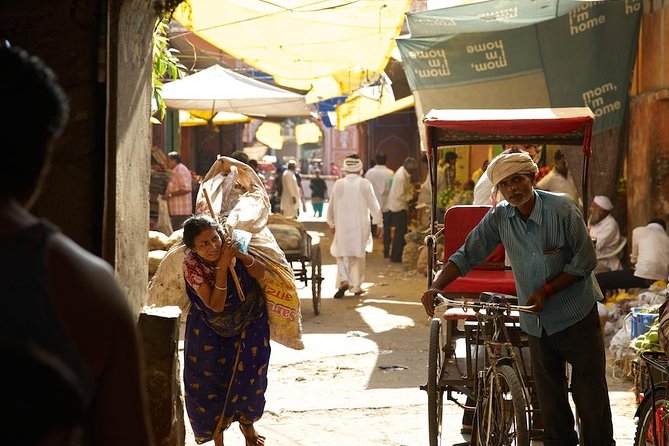
- Vegetable wholesale market + flower market for colors, smells, and real commerce
- Marble carver and artisan district craft work with sculptors, silversmiths, bangle makers, and metal workers
- Tea, snacks, and bottled water included so you’re not budgeting for every break
Starting at Hawa Mahal: your orientation without a museum fog
The tour kicks off with a guide introduction at Hawa Mahal, which is a smart move. Jaipur can look like one big maze of lanes, and without context you end up walking in circles. With a local guide leading the way, you learn how the Pink City sections connect and which streets matter for markets, temples, and workshops.
You’ll spend time early on setting the rhythm of the day: where to look, what to notice, and what questions are worth asking. That matters because many of the most interesting things here are not labeled like museum stops. You have to know where people are working, praying, and trading.
If you booked a morning start or an afternoon start, the setup is the same. The difference is mostly the crowd vibe and light. Morning tends to feel fresher for street walking, while afternoon can bring a different energy to markets and temples. The tour stays around the 3-hour mark, so you’ll still cover a lot without burning your whole day.
You can also read our reviews of more walking tours in Jaipur



City Palace complex: royal walls, practical context
Next up is the City Palace complex. This stop works well even if you’ve seen other major palaces in India, because it gives you a framework for why Jaipur looks the way it does. The guide connects what you see in the palace setting with how the city functions around it.
A good palace visit should answer a simple question: what does this place mean to the living city? Here, the guide’s job is to connect the royalty viewpoint to the streets you’ll walk next—bazaars, artisan areas, and active daily rituals.
Practical note: palace complexes often mean uneven footing, passages that can feel tight, and a bit of standing for photos. If you’re sensitive to crowds, keep your pace steady and take the guide’s lead on where to pause.
Temple moment: seeing a prayer ceremony as part of the day
One of the tour’s most memorable points is the walk up to a prominent Jaipur temple and the chance to witness a Hindu prayer ceremony. This is one of those stops where the value is not just the visuals—it’s the timing. You’re not just observing a building; you’re seeing faith in action in the flow of life.
If you’re respectful and quiet, this tends to be the kind of moment that makes the city feel human. The guide helps you understand what you’re seeing and what to expect so you don’t feel lost mid-ceremony.
Drawback to consider: temple areas can get busy fast, and people move differently than they do in open squares. You’ll want to listen to the guide about where you should stand and when to move. Also, dress rules apply here too—no sleeveless tops or short pants—so bring clothing that already fits the expectation.
The vegetable wholesale market: where Jaipur’s daily engine runs
After palace and temple, the tour turns to commerce with a visit to the biggest vegetable wholesale market in Jaipur. This is where the Pink City stops feeling like sightseeing and starts feeling like you’ve stepped into real routines.
You’ll get the lively ambiance and colorful scenes around produce—exactly the kind of place where colors, prices, and conversations do the talking. It can be overwhelming at first if you’ve never visited a wholesale market. That’s why the guide matters: you get the what, the why, and the small details that make it easier to follow.
Because this is a wholesale space, it’s often more active and practical than decorative. You’ll likely notice how people move, sort, and negotiate. If you love food and how supply chains work at street level, this is one of the best stops on the walk.
If you’re food-sensitive or don’t like intense smells, take it slow and step back when you need space. You’re not expected to stand inside every cluster.
Flower market on the way: a softer pause in the middle of it all
On the route, the tour includes the flower market. It’s a helpful counterweight to the vegetable market. Where produce can feel loud and functional, flowers tend to add color and fragrance, with people shopping for ceremonies and daily offerings.
This stop also makes the next section more meaningful. The city’s craft and religious worlds overlap here. Even without a lecture, you can see how the market supplies the practices you saw at the temple earlier.
Expect the flower market to be photo-friendly, but also crowded. Keep your phone secure and keep a little space between you and the people selling and carrying goods.
You can also read our reviews of more city tours in Jaipur


Artisan district and marble carvers: meet the makers behind Jaipur crafts
The tour finishes with what Jaipur does best: craft work. You’ll walk up to the marble carver’s district and meet local artisans, including sculptors, silversmiths, bangle makers, and metal workers. This is the craft-focused part of the route, and it’s where you can move from simply seeing objects to understanding how they’re made.
This matters for value. A lot of shopping in big cities is about products. A craft district is about process. The guide helps you connect the work you see to traditional methods—how tools, materials, and designs match Jaipur’s identity.
If you like watching skilled hands at work, you’ll probably spend extra time here. If you prefer shopping only, the temptation to buy can be strong, but at least you’ll be able to explain what you’re buying and why.
Practical note: workshops can mean tighter spaces and dust or splashes from materials. Wear closed-toe shoes and expect the ground to be uneven.
Pacing, group size, and how to dress for a 3-hour old-city walk
This is a small-group tour with a maximum of 8 people, which is a big deal in Jaipur. Small groups move faster, stay together, and get more interaction time with the guide. It also helps with safety when streets get crowded.
The duration is about 3 hours, but the pace is not “park stroll.” It’s city-walking with stops. You’ll want to wear shoes you trust, and you’ll want water on hand. Good news: bottled water and snacks are included, plus coffee and/or tea.
Dress code is spelled out for a reason. No short pants or sleeveless attire. That rule doesn’t just keep you compliant; it also makes temple areas and artisan stops easier to enjoy without awkward friction.
If you’re traveling with kids, elderly relatives, or anyone with limited walking tolerance, you’ll need to judge the moderate fitness requirement honestly. One more consideration: markets can be loud and crowded. If you get overwhelmed easily, plan to step back and take breathers when the guide suggests it.
What you actually get for $18.50: value that comes from timing and guidance
At $18.50 per person, this tour is budget-friendly, especially because it includes more than just walking and photos. You get water, snacks, coffee and/or tea, and a guide (listed as a red card guide).
That inclusion matters. In a place like Jaipur, small purchases add up fast. Here, you’re already covered for basic refreshment needs during the walk.
The bigger value is the structure. Markets, palaces, and artisan districts are easy to reach if you’re a confident navigator. If you’re not, you’ll still find your way—but you might miss the reasons behind what you’re seeing. This tour is basically buying you a guide who can translate the city into a route you can understand.
Also, you can pick a morning or afternoon departure, which makes it easier to fit into your itinerary without wasting time.
Guides and languages: who you might meet and why it helps
Names from previous participants show a helpful pattern: the guides tend to be attentive and good at keeping you together. Viru (Viru/Virendra) has been highlighted for making scenery and cultural food stops feel smooth and worthwhile on combined tours. Raju has come up often as a professional guide with strong French ability in at least one walking tour context. Sid and Parveen also appear as caring, practical guides.
You can use this as a decision filter: if you care about language comfort, ask in advance what languages are available. Since French has shown up with at least one guide, there’s a real chance you can get your preferred language support.
Even if your language is limited, the best guides handle the basics well: where to stand, what to look at, and what matters most in each area.
Tips to make the most of your Pink City Heritage walk
- Go with light expectations for sitting. This is a moving tour with short stops, so save longer breaks for later.
- Take the guide’s lead at crowded spots. Markets and temple areas can get tight fast.
- Bring a respectful outfit already planned. You’ll thank yourself at the temple stop.
- Expect to see craft techniques, not just finished items. That’s where the route pays off.
- If you like tea breaks, you’re covered. Coffee and/or tea are included, and chai moments often help people slow down and focus.
Should you book Cyclin’Jaipur’s Pink City Heritage walking tour?
Book it if you want a short, well-paced introduction to Jaipur’s old-city rhythm without spending your day figuring out logistics. It’s a good fit for first-timers who want the classic landmarks plus real market life, and it also works for returning visitors who want craft districts and temple moments instead of only big monuments.
Skip it only if you know you dislike street markets, crowding, and the idea of walking for 3 hours with a modest fitness requirement. If those sound like your nightmare, Jaipur still has plenty of other options—but this one is built for people who enjoy active, human-scale sightseeing.
FAQ
FAQ
Is the Cyclin’Jaipur Pink City Heritage walking tour only for first-time visitors?
It’s described as a good option for first-time or returning visitors. The route mixes major sights with day-to-day market and craft areas, so it works even if you’ve been to Jaipur before.
How long is the tour?
The tour lasts about 3 hours.
Do I get to choose a morning or afternoon time?
Yes. You can choose between a morning or afternoon departure time.
What is included in the price?
Included items are bottled water, snacks, a red card guide, and coffee and/or tea.
Is there a mobile ticket?
Yes, the tour includes a mobile ticket.
Where does the tour start?
The meeting point is listed generally in Jaipur. The tour instructions say you meet the local guide at Hawa Mahal.
Do I need to dress a certain way?
Yes. The tour notes that you should not wear short pants or sleeveless attire.
How big is the group?
This activity has a maximum of 8 travelers.
Is hotel pickup and drop-off included?
Hotel pickup and drop-off is not included unless you select that option.
How soon will I get confirmation after booking?
Confirmation is received within 48 hours of booking, subject to availability.
What if my plans change and I need to cancel?
Free cancellation is allowed. You can cancel up to 24 hours in advance for a full refund.