REVIEW · BERLIN
Private Berlin In a Day History Tour With Expert Guide
Book on GetYourGuide →Operated by Birchy's Berlin Tours · Bookable on GetYourGuide
Berlin history, packed into one walk. This private day tour connects major WWI/WWII sites, the Cold War line, and key landmarks you usually spread across an entire trip.
I like how it starts with hotel pickup on foot, so you spend less time figuring out where to go and more time learning. I also like the way the guide links monuments to the stories around them, including the memorial to the murdered Jews of Europe and the transition from wartime Berlin to division.
One thing to consider: this is still a walking tour through a lot of famous places, and food and drinks are not included, so you’ll want to budget for lunch.
In This Review
- Key Things I’d Zoom In On
- A 6-Hour Private Berlin History Walk That Actually Saves Time
- Brandenburg Gate to Reichstag: Power, Then Consequences
- Holocaust Memorial and Hitler’s Bunker Sites: Getting the Tone Right
- Topography of Terror and WWII-Era Remembrance Stops
- Berlin Wall Memorial and Checkpoint Charlie: Cold War in Real Space
- Museum Island, Humboldt Forum, and the Brainpower Part of Berlin
- TV Tower and Alexanderplatz: Ending with Modern Berlin’s Tempo
- Lunch in the Middle: A Real Break, Not a Token Pause
- Price and Value: Is $247 per Person Worth a 6-Hour Walk?
- Should You Book This Private Berlin In a Day History Tour?
- FAQ
- FAQ
- How long is the Berlin in a Day history tour?
- Is the tour private and does it include hotel pickup?
- Where does the tour start if I’m not doing hotel pickup?
- What are the main stops during the tour?
- Is lunch included?
- What languages will the guide speak?
- Is the tour wheelchair accessible?
Key Things I’d Zoom In On
- Hotel pickup on foot means you can roll right into the day
- A tight 6-hour route that covers WWI/WWII, the Wall, and Cold War Berlin
- Memorials with context, including the Holocaust memorial stop
- Lunch in the middle plus regular chances for snacks, water, and the bathroom
- Private group pacing, so questions don’t get lost in the shuffle
- Guides with personality, with examples like Toby and Steve noted for humor and keeping it enjoyable
A 6-Hour Private Berlin History Walk That Actually Saves Time
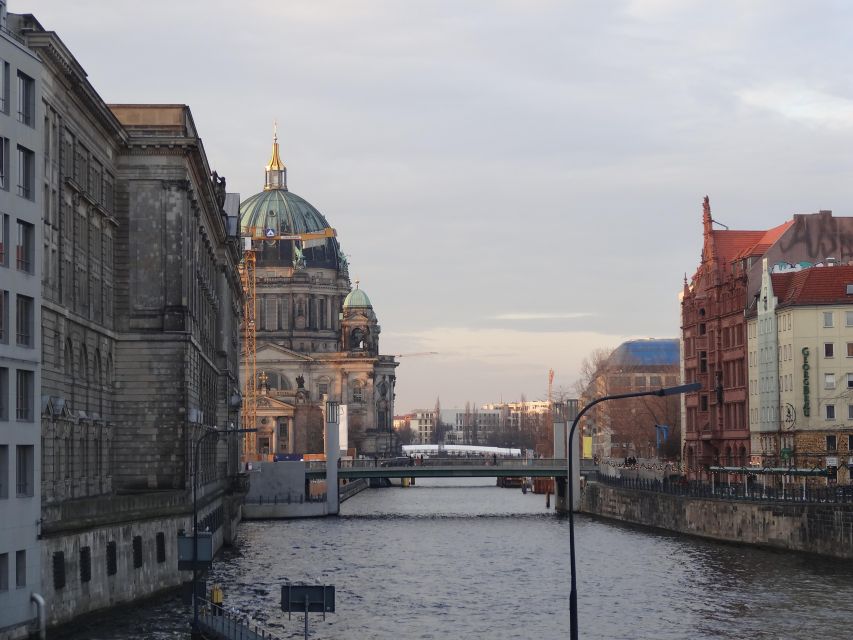
This tour is built for one simple goal: see a lot of Berlin history without spending your whole trip planning routes. It’s private, and you’re with an expert Berlin history guide who keeps the connections clear, so you don’t just collect landmarks—you understand why they mattered.
The day runs for about 6 hours, at an easy walking pace. That pacing matters in Berlin, where distances add up fast. Your guide is there to keep the group moving, but also to give you realistic chances to stop for water, snacks, and bathroom breaks. If you’ve only got a short visit and you want to feel like you actually covered the story, this format works.
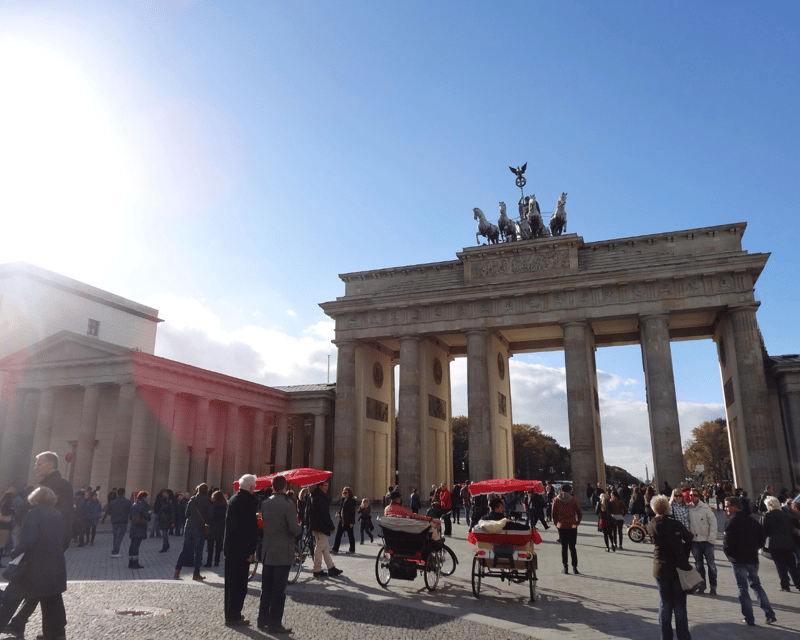
Pickup is also thoughtfully handled. You can arrange hotel pickup on foot, or meet at Ebertstraße 24 (in front of Hopfingerbräu, by the Brandenburg Gate). Either way, you’re not hunting for a bus stop with a tired group.
Language options are English and Polish, and the tour is listed as wheelchair accessible. Since it is a walking tour, it’s still worth being honest with yourself about how long you can be on your feet, but the operator flags accessibility.
You can also read our reviews of more guided tours in Berlin


Brandenburg Gate to Reichstag: Power, Then Consequences
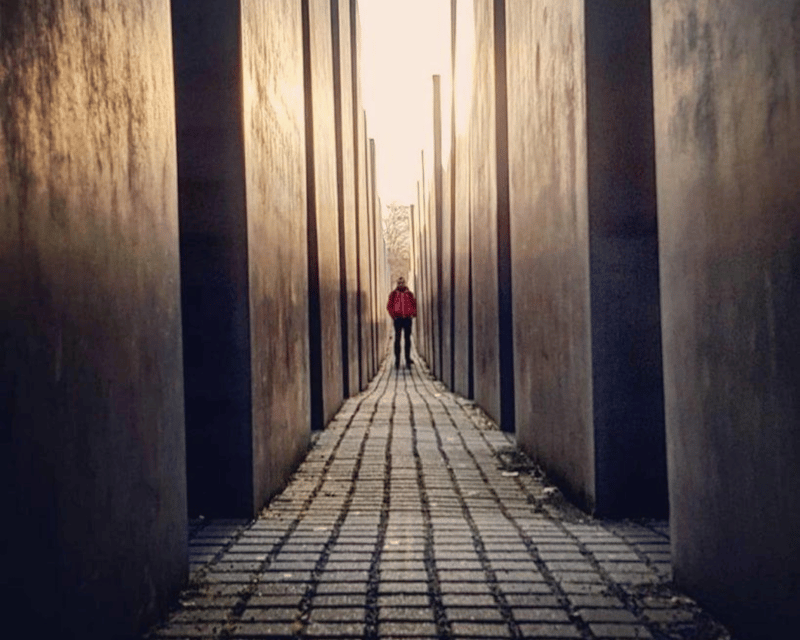
You start near the Brandenburg Gate area. Expect a short sightseeing stop (around 15 minutes) at the Brandenburg Gate. Even if you’ve seen photos, this is where a lot of Berlin’s story starts to click—because the gate isn’t just a landmark. It’s the kind of place a guide can use to show how Berlin shifted from one political moment to the next.
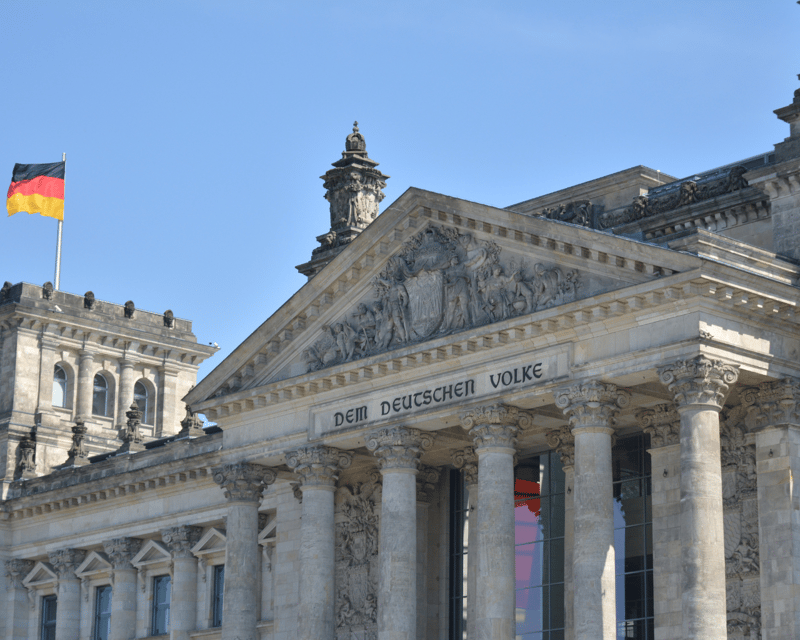
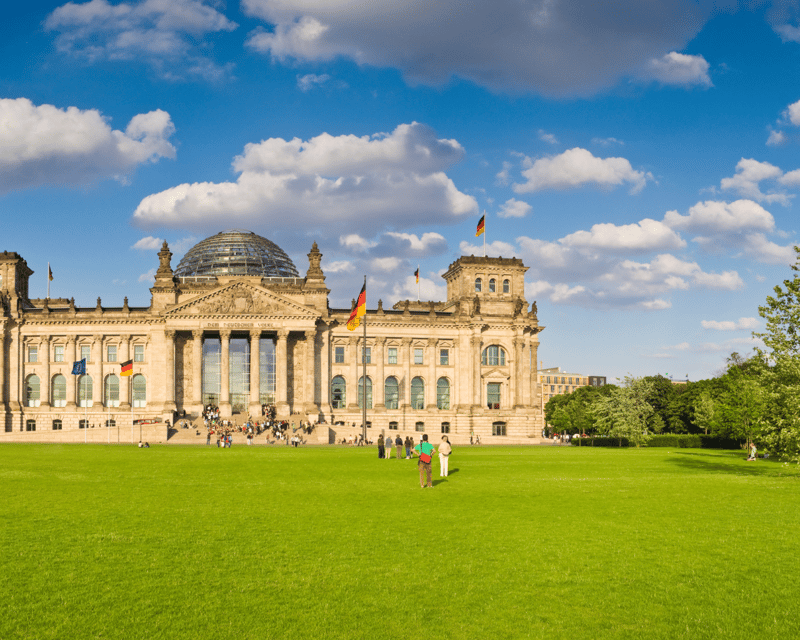
Next up: the Reichstag, again around 15 minutes. This stop is one of the strongest examples of why a guided format helps. You don’t need a lecture. You need someone to point out what to notice, then connect it to the bigger timeline your day is following.
From there, you move through central Berlin toward the Tiergartenviertel (about 10 minutes) and then the Berlin Victory Column (about 5 minutes). The time you spend here is brief by design. Instead of treating these as standalone “photo stops,” the guide uses them to keep your understanding of Berlin’s political and historical mood moving forward.
If you’re the type who gets frustrated by tours that rush past key places, I think you’ll appreciate that this day is structured like a chain. You’re not bouncing around randomly; the stops are ordered so your brain keeps placing events in the right city context.
Holocaust Memorial and Hitler’s Bunker Sites: Getting the Tone Right
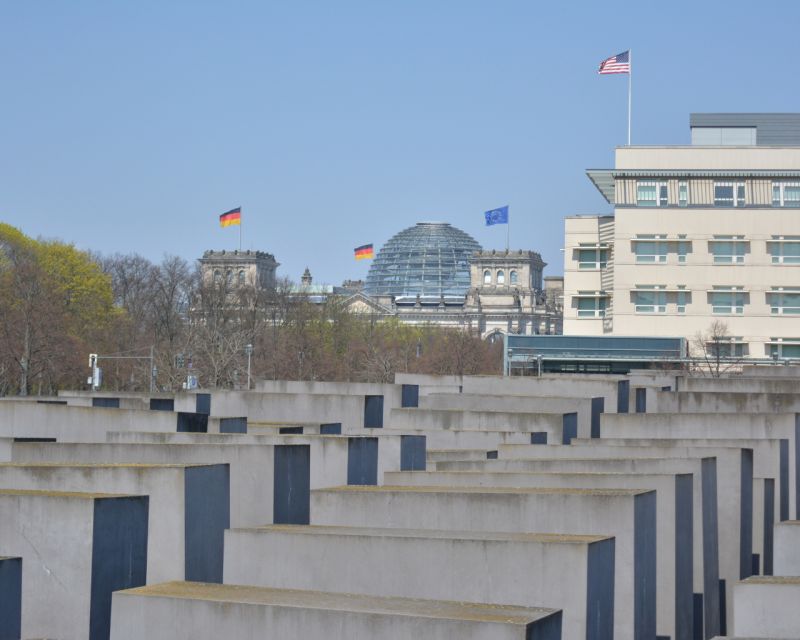
This portion of the day is heavy, and the tour is set up to handle that with care. You’ll stop at the Holocaust Memorial for about 15 minutes. The tour highlights that you’ll learn the importance of monuments and the role they play in remembering. In practice, that means you’re not just standing in a well-known place—you’re getting the human meaning behind it.
Then the route moves toward Hitler’s Bunker (also about 15 minutes). This isn’t framed as spectacle. It’s presented as a historical landmark in the broader story of wartime Berlin, including references to the battle of Berlin and the way those final years shaped the city.
After that comes the Johann Georg Elser Memorial (about 10 minutes). Your guide is set up to tell the stories and legends connected to sites like this, not only the famous ones. That’s an underrated strength of a good history guide: it helps you see that major events aren’t just one moment on a map. They’re made of people, choices, and attempts that ripple outward.
Practical tip: plan for your emotions to lag behind your feet. This part of the day can feel like you’ve hit a wall mentally, so take the small breaks your guide offers. Let the story settle while you move.
Topography of Terror and WWII-Era Remembrance Stops
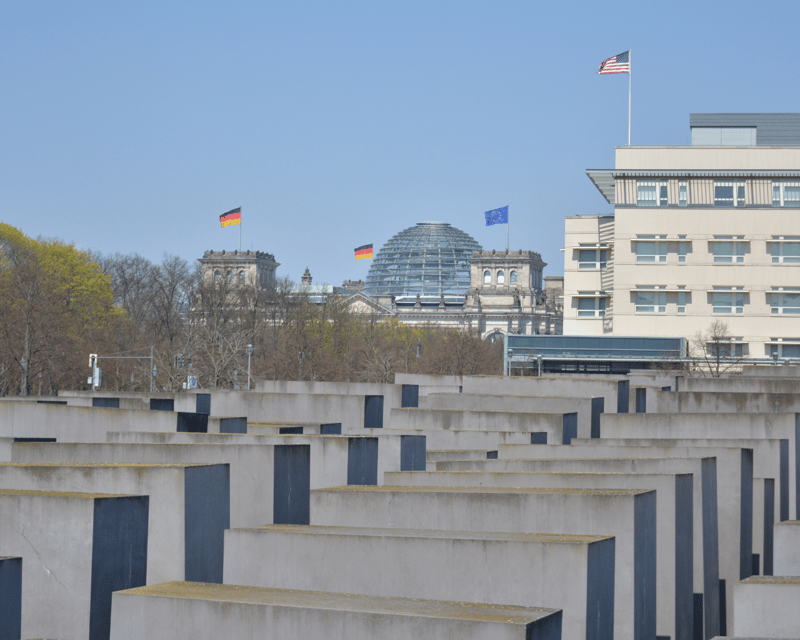
As the day keeps turning pages, you’ll reach Topography of Terror for about 15 minutes. The tour is clearly designed around WWII-era learning, and this stop fits that goal. It’s the kind of place where context matters—because Berlin’s modern self-understanding is directly tied to what happened during the 1930s and 1940s.
Just before that, you’ll also pass by Detlev-Rohwedder-Haus (about 10 minutes). A stop like this can feel “less famous” than the big icons, but it’s often useful. Your guide can use it to explain how Berlin reworks space over time, shifting from old meanings to new ones.
The tour also signals that it includes reminiscence around the battle of Berlin. Even when you don’t spend a long block of time at a single site, it helps to have someone connect the dots so you don’t leave thinking you only learned a handful of isolated facts.
If you’re someone who likes history but gets tired of museum-style pacing, this part may actually be a sweet spot. You get a structured walk and short stops, with story-based guidance to keep it from becoming random sightseeing.
Berlin Wall Memorial and Checkpoint Charlie: Cold War in Real Space
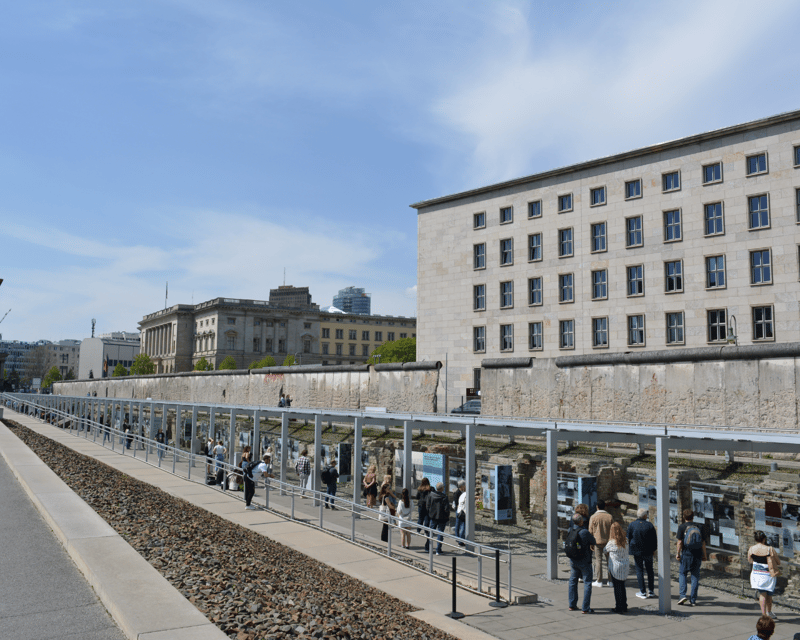
This is the section where Berlin’s history stops being theoretical. You’ll reach the Berlin Wall Memorial (about 15 minutes). The highlights for this tour specifically mention guard towers, ghost stations, and escape stories—and this is where your guide is likely to tie those themes to what you can still see around you.
Next comes Checkpoint Charlie (about 10 minutes). This is one of those places where the “famous name” can make you expect the guide to just point and move on. But the point of a private day is that your guide can focus on the meaning: how division shaped daily life, how lines on maps became hard realities.
After Checkpoint Charlie, the tour includes Deutscher Dom (about 15 minutes). Then you continue through central areas toward your next major history anchors, including Humboldt University of Berlin later in the day.
You’ll also spend time where the tour highlights divided Berlin East vs. West. In a walking day like this, what makes it work isn’t the length at any one point. It’s that the narrative keeps going, so the division theme doesn’t fade between stops.
If you’re worried this will feel like a history greatest-hits tour, I’d say it’s more than that. The strongest value is that the guide is there to keep you oriented in time: what’s WWII aftermath, what’s Cold War policy, and what you’re seeing today.
You can also read our reviews of more private tours in Berlin
Museum Island, Humboldt Forum, and the Brainpower Part of Berlin
After the Cold War anchor stops, the day shifts toward Berlin’s cultural and educational landmarks. You’ll stop at Humboldt University of Berlin (about 10 minutes). This is a good place in the day for a mental reset. Earlier stops asked you to process trauma and political rupture. This one brings you toward the city’s long-running role as a center of ideas.
Then you’ll visit Neue Wache (about 15 minutes). It’s another monument-centered stop, and the tour is built to explain how monuments work as reminders, not just architecture.
Next: German Historical Museum (about 10 minutes). After that comes Museum Island (about 10 minutes). Museum Island is one of those Berlin places where you can easily lose time just wandering. On this tour, you’re not left to wander. Your guide keeps the focus on the historical thread that connects the museums and institutions to the wider story of the city.
Then: Humboldt Forum (about 20 minutes). Finally, you’ll reach Marienkirche (about 10 minutes). These are all stops that can feel different depending on your interests. Some people love them for the architecture. Others love them because a guide can show how Berlin rebuilt identity around its history.
If you like your history with a modern lens, this middle-to-late stretch is where it shows. The tour doesn’t treat the past as a closed chapter.
TV Tower and Alexanderplatz: Ending with Modern Berlin’s Tempo
The route continues toward TV Tower, Berlin (about 10 minutes) and then Alexanderplatz (about 5 minutes). These stops are short, but they do useful work. By the time you reach them, you’ve already seen how Berlin changed through wars and division. Looking up at a modern skyline marker (then walking through a major public square area) helps you feel the city’s present-day momentum.
Also, these quick stops act like a smart landing. If the day has been intense, a brief, view-focused finale can help your brain close the loop.
There’s a good chance the guide also ties these modern anchors back to earlier Cold War and post-reunification themes—keeping your timeline from feeling like a series of separate stops.
Lunch in the Middle: A Real Break, Not a Token Pause
One of the best practical things about this tour is that it includes a lunch break in the middle. You’ll eat at a local partner spot, and the tour notes you’ll get a little bit of insight into local Berlin cuisine.
Food and drinks aren’t included, so you’ll want to bring or budget for your meal. But the reason this still feels like good value is that you’re not forced to scramble for food while your brain is full of history. You get a scheduled break during the day, which helps the rest of the tour stay enjoyable instead of exhausting.
Also, the pace is described as easy for the group, with plenty of chances to stop for snacks, bathrooms, and water. For a long walk, those micro-breaks matter more than people expect.
If you’re doing this on a day with hot weather, pack common sense: water, a light layer, and comfortable shoes. You’ll be glad later.
Price and Value: Is $247 per Person Worth a 6-Hour Walk?
At $247 per person for a 6-hour private history tour, this isn’t a budget add-on. It’s priced like a specialist experience. So the question isn’t just whether you’re paying for a walk. You’re paying for a guide who organizes the day so you don’t waste hours bouncing between sites without meaning.
Here’s where I think the value shows:
- Time saved: starting from your hotel or meeting point and moving site-to-site means you’re not figuring out logistics all day.
- Story structure: multiple time periods in one coherent flow (WWI/WWII, the Wall, Cold War Berlin, and modern-day anchors).
- Private attention: your group stays together, and you’re not squeezed into a large crowd where questions disappear.
- High-demand locations covered: you hit big names and heavy memorial stops without needing to plan a separate museum day.
The price also makes more sense if you’re the type who benefits from a guide’s interpretation. If you just want a list of famous buildings and you’re happy googling on your phone, you might not feel the same pull.
But if you want Berlin history mapped to the sites you see, and you want it done in one day, I’d call this a fair trade.
Should You Book This Private Berlin In a Day History Tour?
Book it if you’re:
- visiting Berlin for a short time and want the major historical arcs covered
- drawn to memorials and WWII-to-Cold-War context, not only classic sightseeing
- traveling as a group that values private pacing and time with an expert guide
- okay with a true walking day that includes a lunch break and small stopovers
Skip or rethink if you:
- hate walking long days and want slower museum time
- prefer to explore memorials completely independently, at your own pace
- don’t want to spend most of the day focused on history topics
My practical take: if you want to get your bearings fast and leave with a connected understanding of Berlin’s past and present, this tour is built for that. And the guide vibe seems to land well too, with names like Toby and Steve showing up in real-world feedback for making it enjoyable without turning history into a joke.
FAQ
FAQ
How long is the Berlin in a Day history tour?
The tour lasts 6 hours.
Is the tour private and does it include hotel pickup?
Yes, it’s a private group tour. Hotel pickup by the guide on foot is available, or you can meet at Ebertstraße 24, 10117 Berlin.
Where does the tour start if I’m not doing hotel pickup?
The meeting point is in front of Hopfingerbräu at Ebertstraße 24, 10117 Berlin, near the Brandenburg Gate.
What are the main stops during the tour?
You’ll visit major sites including the Brandenburg Gate, Reichstag, Holocaust Memorial, Topography of Terror, the Berlin Wall Memorial, Checkpoint Charlie, and several central landmarks such as Museum Island, Humboldt Forum, TV Tower, and Alexanderplatz.
Is lunch included?
No. The tour includes a lunch break at a local partner, but food and drinks are not included.
What languages will the guide speak?
The live guide speaks English and Polish.
Is the tour wheelchair accessible?
Yes, the tour is listed as wheelchair accessible.