REVIEW · NEW DELHI
Private Walking Tour: South Delhi Heritage including Qutub Minar and Mehrauli Archaeological Park
Book on Viator →Operated by GeTS Holidays · Bookable on Viator
South Delhi can feel like a whirlwind—in a good way. I love the door-to-door pickup that makes this easy on day one, and I really like the chance to see Qutub Minar up close with time to read the details. The one drawback to plan for is timing: if you choose a later departure, you may hit more people and hotter walking.
This tour is built like a smart route, not a rushed checkbox list. You get a private English-speaking guide, air-conditioned transfers between stops, and monument fees handled for the sites that are included, plus mineral water to keep you comfortable.
You’ll also need to respect the dress code for worship sites, with knees and shoulders covered. And since it’s a walking tour with moderate walking, bring comfortable shoes that can handle uneven ground around the ruins.
In This Review
- Key highlights you’ll feel on the walk
- South Delhi heritage, tuned for a 5–6 hour day
- Price and logistics: what you’re paying for (and why it can be worth it)
- Yogmaya Temple: the Mahabharata-era link and the Phool Walon Ki Sair
- Qutub Minar: a 73-meter tower with Quran carvings you can actually see
- Mehrauli Archaeological Park: ruins, Balban, and why guidance matters
- Chhatarpur Temple: South Indian influence in a huge Delhi complex
- Food stop: lunch or dinner that actually fits the route
- Timing and comfort: how to avoid crowds and heat
- Your guide and driver: what to look for during the day
- Who this tour suits best
- Should you book this South Delhi heritage tour?
- FAQ
- What’s included in the tour price?
- How long does the tour take?
- Which places does the tour visit?
- Is this a private tour or a group tour?
- Are entrance fees included?
- Is lunch or dinner included?
- What dress code should I follow?
- Is the tour suitable for everyone?
- FAQ
- What’s the walking level?
- Can I cancel for a refund?
- What if I have dietary requirements?
- Do I need to bring anything like tickets?
Key highlights you’ll feel on the walk
- Qutub Minar at human speed: you get close enough to notice the red sandstone and marble details, plus the carved Quran text.
- A guided route through layers of Delhi: start with Yogmaya Temple, move through Qutub Minar, then into the Mehrauli ruins.
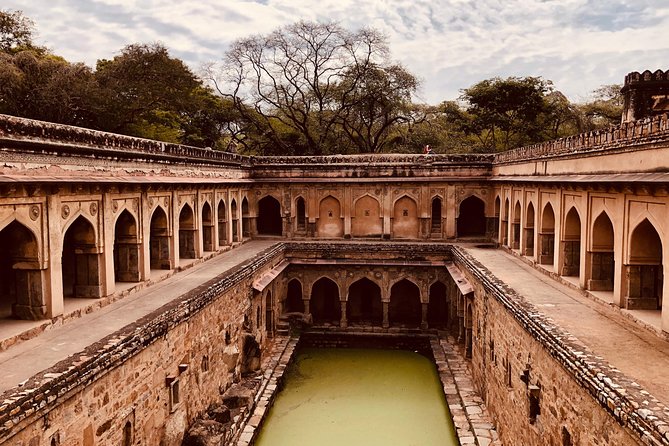
- Mehrauli Archaeological Park’s signature stop: your guide should explain the Tomb of Ghiyasuddin Balban and help you connect the dots.
- A massive Chhatarpur Temple complex: 60 acres, South Indian architectural influence, and shrines explained as you walk.
- Lunch or dinner included: depending on your departure time, you’ll eat at a local restaurant before heading back.
South Delhi heritage, tuned for a 5–6 hour day
This is the kind of tour I think works best for visitors who want “a lot” without spending the whole day in transit. You’re out for about 5 to 6 hours, and the route is compact enough that you can actually enjoy each place, not just survive between them.
The big win is how the stops connect. You’re not only seeing monuments—you’re moving through different faiths and eras of South Delhi in a logical sequence, with short walks between nearby sights. That helps you build a mental map fast.
It’s also a true private experience: only your group participates. That matters because it usually means your guide can pace things to your questions, your speed, and your comfort level.
You can also read our reviews of more walking tours in New Delhi



Price and logistics: what you’re paying for (and why it can be worth it)
At $104 per person, the cost isn’t just for walking and photos. You’re paying for private guiding, hotel pickup and drop-off, air-conditioned rides between each attraction, and monument fees where they apply. On top of that, mineral water is included, and lunch or dinner is part of the package.
If you’d otherwise hire a driver for a few separate half-day trips and then buy tickets and pay entry fees on top, this starts to look like a practical deal. It’s especially valuable if you’re on a tight schedule or if you don’t want to coordinate timing and admissions yourself.
Two practical notes. First, Yogmaya Temple has an admission ticket item noted in the itinerary, so I’d confirm what’s covered versus what you might pay separately before you go. Second, you get to choose a morning or afternoon departure, which can hugely affect the comfort of the day (more on that soon).
Yogmaya Temple: the Mahabharata-era link and the Phool Walon Ki Sair
Your day begins at Yogmaya Temple after a hotel pickup and an air-conditioned ride to South Delhi (about 30 minutes). When you arrive, your local guide meets you at the temple and sets the tone right away.
What I like about starting here is that it’s not the typical “famous only” path. Yogmaya Temple is believed to be one of only five temples remaining from the Mahabharata period. Even if you take that as “legendary tradition” rather than a lab-tested fact, it gives you a powerful story to carry as you move forward.
Inside, your guide explains the goddess Yogmaya and the colorful festival called Phool Walon Ki Sair, held there each year. That festival angle is useful because it reminds you that temples like this aren’t only architecture and stone. They’re living places tied to seasonal ritual and community celebration.
The one thing to watch is the dress code. This is a place of worship, and rules are strict: no shorts or sleeveless tops, and knees and shoulders must be covered. If your outfit isn’t compliant, entry refusal is possible.
Qutub Minar: a 73-meter tower with Quran carvings you can actually see
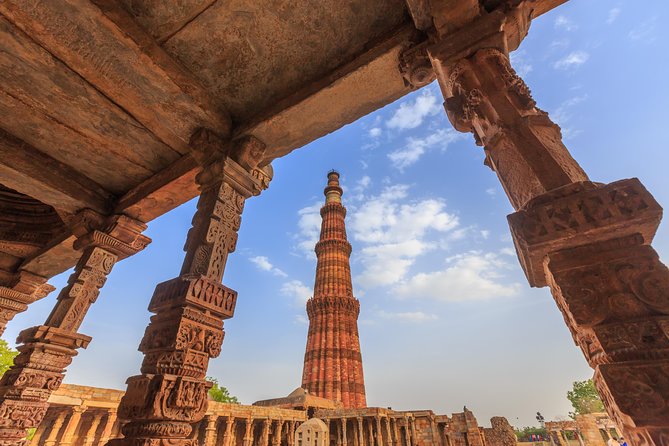
From Yogmaya, you head toward the UNESCO-listed Qutub Minar by combining a short ride with a walk segment. When you reach the site, the scale hits you immediately.
Qutub Minar is nearly 238 feet (73 m) tall and is known for being the tallest minaret in India. It’s a red sandstone and marble mosque structure, and the exterior is covered in ornate carvings, including text from the Quran. Seeing that kind of carving in daylight is where the guided part really helps, because you learn what you’re looking at instead of guessing.
The stop here is about an hour, including guided time. That’s enough to get close for photos, slow down for details, and ask questions about how the design reflects its era.
A small practical tip: plan to bring your attention. This isn’t just “tall tower = done.” The real value is in the surfaces—forms, materials, and the calligraphy elements you notice once your guide points them out.
Mehrauli Archaeological Park: ruins, Balban, and why guidance matters
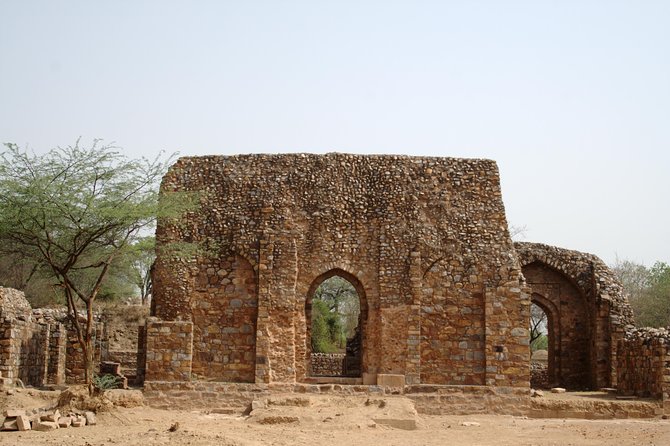
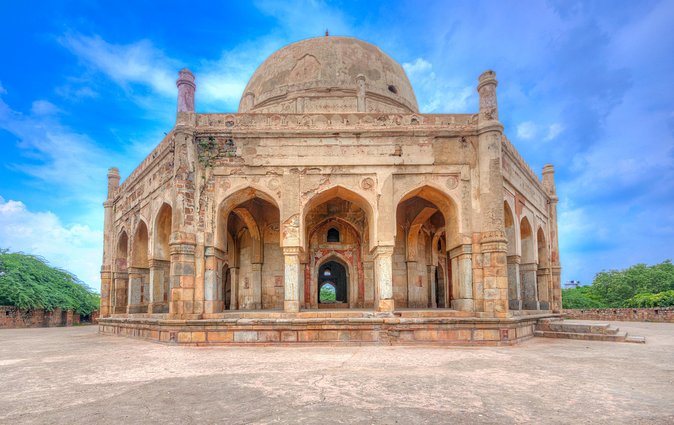
Next comes the best example of why this tour is more than a bus-and-brochure route. You take a 15-minute walk to Mehrauli Archaeological Park, where you’ll explore monuments and crumbling ruins across a large area.
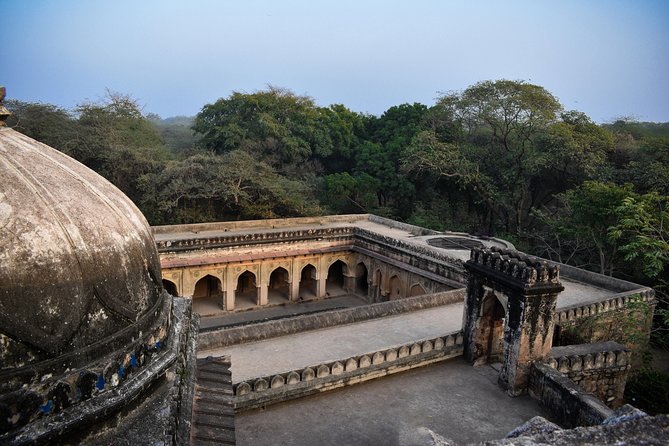
Mehrauli is where the day shifts from landmark sight to lived-in archaeology. Your guided walk helps you connect key points instead of wandering in uncertainty. One major focus is the Tomb of Ghiyasuddin Balban, which your guide should explain so the structures don’t feel random.
The park’s value is in how it turns history into something you can physically trace. You see the remnants of powerful figures, plus excavated ruins dating back to the 1st century BCE (as described in the tour details). That time depth can be confusing if you don’t have a narrative—so lean on your guide to build that story as you walk.
Here’s the consideration I’d flag: in a place like Mehrauli, guide knowledge is not optional. If your guide can’t explain what you’re seeing (and if they don’t seem to have spent time with the park’s key monuments), the experience can feel flatter. I’d handle this by asking early: which monument is the must-see explanation today, and what should I notice first as we walk?
Admission here is listed as free, and that’s great—you get access to the atmosphere without feeling like you’re paying just to stand in a field of ruins. But you’re still paying for the interpretation, and that’s the difference between a stroll and a real understanding.
You can also read our reviews of more private tours in New Delhi




Chhatarpur Temple: South Indian influence in a huge Delhi complex
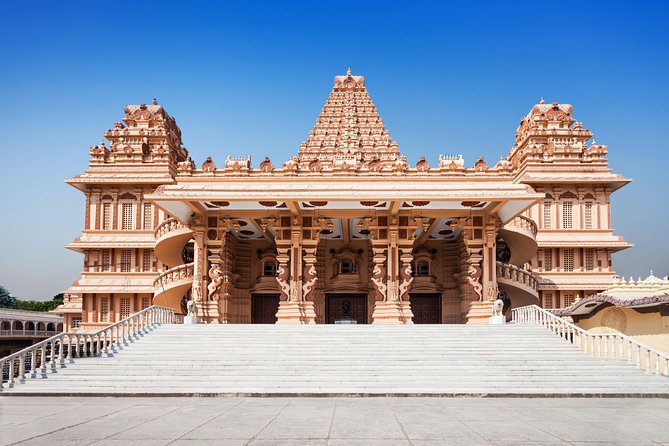
After the Mehrauli walk, you ride in the private vehicle to Chhatarpur Temple. It’s about a 20-minute transfer, which helps you cool down and reset before the next walking segment.
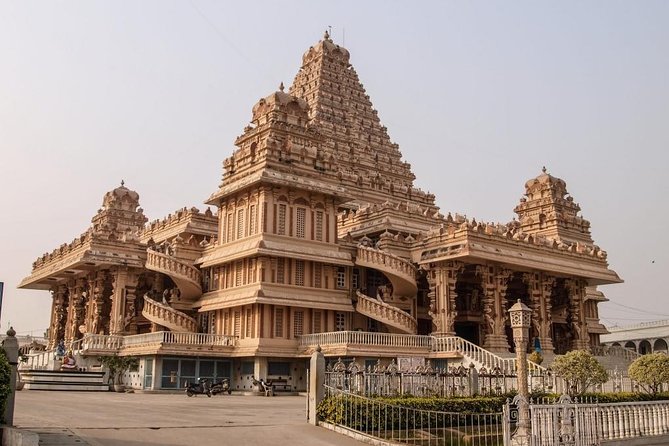
Chhatarpur Temple is spread across roughly 60 acres (24 hectares). It’s described as one of the largest temple complexes in India, and the sheer space changes the feel. You don’t approach it like a single monument. You explore a complex.
The architecture is tied to South Indian influences, which you’ll notice especially in the marble façade and the way the shrines are arranged. Your guide walks you through, explaining the significance of deities like Maha Gauri as you go.
This stop is shorter than the first half of the tour (about time to explore and absorb before dinner or lunch), but it still feels substantial because of the scale. If you’re the kind of traveler who likes to step back and take in the whole design rather than only zooming in on one corner, Chhatarpur Temple will suit you.
Food stop: lunch or dinner that actually fits the route
You’ll enjoy a traditional Indian meal at a local restaurant as part of the experience. The timing depends on your departure: choose a morning tour and you’ll have lunch; choose an afternoon or later slot and you’ll have dinner.
I like that the meal is included. It reduces decision fatigue and keeps you from hunting for food at the exact time you’d rather be sightseeing. It also keeps the day from stretching, which matters when you’re already doing a moderate amount of walking.
One practical reminder: tell the operator about dietary requirements when you book. The tour details explicitly ask you to share dietary needs ahead of time, which is the difference between a pleasant meal and a stressful scramble.
Timing and comfort: how to avoid crowds and heat
This is where your choice of departure time can make a big difference. The tour offers several morning and afternoon departures, so you can shape the day around weather and crowds.
If you start later in the morning, Delhi can feel hotter and busier. You may wish you’d chosen an earlier departure to reduce time in the sun and get more space around the monuments. If you’re sensitive to heat or you hate sharing a walkway with ten other camera queues, aim for a morning slot.
Also, remember the walking realities. The tour includes moderate walking, with short segments on foot—like the walk between Qutub Minar and Mehrauli. Comfortable shoes aren’t a “nice to have.” They’re how you actually enjoy the day.
Your guide and driver: what to look for during the day
A private tour rises or falls on communication. The tour includes a professional English-speaking guide, and many experiences are praised for guides who are friendly, accommodating, and able to answer questions clearly.
In particular, names like Anand and Singh have come up as guides who were easygoing, helpful, and willing to adjust when there’s extra time. If you get that kind of guide, you tend to get more than set-piece explanations—you also get real-world advice like how to move around town and how to avoid uncomfortable situations.
Good guides also help with the practical stuff. If there are entrance issues, ticket handoffs, or moments where you’re not sure what comes next, a calm guide keeps the day smooth. That’s a quiet quality you notice most when you don’t have to think about logistics.
Who this tour suits best
This tour is a strong match if you:
- Want a guided highlights route through South Delhi in one day
- Prefer private, door-to-door service over public transport juggling
- Like architecture and history but don’t want a full-day museum crawl
- Need lunch or dinner handled so you stay on schedule
It may be less ideal if you’re extremely sensitive to heat and you’re set on a later departure. It’s also worth being careful about the dress code and your willingness to cover knees and shoulders.
If you’re traveling with teenagers (minimum age is 12), the pace tends to work well. It’s not a short, superficial walk, but it’s also not exhausting for people who can handle uneven ground.
Should you book this South Delhi heritage tour?
I’d book it if you want an efficient, private route with guides who can turn big monuments into understandable, meaningful stops. The value is in the full package: pickup, private walking guidance, air-conditioned transfers, mineral water, monument fees (where included), and a meal that keeps the day from dragging.
I’d think twice only if you’re very picky about start time and you plan to choose a later departure, since comfort can suffer. Also, if you care deeply about how Mehrauli is interpreted, don’t be afraid to ask your guide to explain the key monument you’re there to see.
If you pick the right departure and you show up dressed for worship sites, this tour gives you a solid day of South Delhi that feels organized, not rushed.
FAQ
What’s included in the tour price?
The tour includes a private walking tour with a professional English-speaking guide, hotel pickup and drop-off, air-conditioned transportation between attractions, mineral water, monument fees, and lunch or dinner depending on your departure time.
How long does the tour take?
It runs about 5 to 6 hours (approx.).
Which places does the tour visit?
You visit Yogmaya Temple, Qutub Minar, Mehrauli Archaeological Park, and Chhatarpur Temple.
Is this a private tour or a group tour?
It’s private, and only your group participates.
Are entrance fees included?
Monument fees are included overall. In the itinerary notes, Qutub Minar is listed as admission ticket included, Mehrauli Archaeological Park is listed as admission ticket free, and Chhatarpur Temple is also listed as admission ticket free. Yogmaya Temple shows an admission ticket not included note.
Is lunch or dinner included?
Yes. You’ll have lunch or dinner based on the timing of your chosen departure.
What dress code should I follow?
You must cover knees and shoulders for both men and women, and no shorts or sleeveless tops are allowed. Entry may be refused if you don’t meet the dress requirements.
Is the tour suitable for everyone?
There’s a minimum age of 12 years, and the tour involves a moderate amount of walking. Comfortable walking shoes are recommended.
FAQ
What’s the walking level?
The tour includes moderate walking, including short walks between stops like the route between Qutub Minar and Mehrauli Archaeological Park.
Can I cancel for a refund?
Yes. You can cancel up to 24 hours in advance for a full refund.
What if I have dietary requirements?
You should advise specific dietary requirements at the time of booking.
Do I need to bring anything like tickets?
You’ll receive a mobile ticket, and mineral water is included. Entrance fee handling is included for listed monument fees, but as noted for Yogmaya Temple, there may be an admission ticket not included item—so confirm coverage when you book.