REVIEW · ROME
Rome: Colosseum, Circus Maximus, Forum & Ancient Rome Tour
Book on GetYourGuide →Operated by Pink Umbrella Tours · Bookable on GetYourGuide
Rome hits hardest at street level. This 2-hour walk strings together Rome’s big sights—Colosseum views outside and Capitoline Hill—with stops that most people skip, like Piazza Cinque Scole. I also like that you’re given a clear storyline across the Roman Forum area and up on the hills. One catch: it stays outdoors for the most part, and it does not include entering the Colosseum.
What makes it work is the human touch. Guides such as Bruno, Gabriel, Francesco, and Sam are the kind who keep the pace lively and answers coming easy in English, even when you ask extra questions. You’ll be on cobblestones and uneven city streets, so comfy walking shoes matter.
If you want maximum payoff from a short window, this is a solid way to orient yourself fast in central Rome. Just expect a walking tour with sights seen from outside or at ruin level—not a ticketed deep-dive inside major sites.
In This Review
- Key Highlights You’ll Care About
- Getting Oriented Fast on Rome’s Ancient Core
- Piazza Cinque Scole: A Start Point With Real Local Identity
- Portico d’Ottavia and Ponte Fabricius: Market Power and an Old Crossing
- Theatre of Marcellus and the Temple of Apollo: Two Stops That Teach You to Look
- Capitoline Hill and Michelangelo’s Square: Power on Top of Power
- Via dei Fori Imperiali and the Forums: The City’s Civic Spine
- Circus Maximus and the Colosseum Exterior: Spectacle Without the Ticket Rush
- Why the Guides Matter: Bruno, Gabriel, Francesco, and Sam’s Style
- Price, What You’re Paying For, and What You Don’t Get
- What to Wear and How to Pace Yourself
- Who This Tour Fits Best (and Who Should Skip It)
- Should You Book This Rome Ancient Monuments Walk?
Key Highlights You’ll Care About
- Piazza Cinque Scole start: You begin by grounding the walk in the Jewish Ghetto area before you head into the ancient monuments.
- Portico d’Ottavia and Ponte Fabricius: You’ll walk past a monumental market gateway and cross Rome’s oldest surviving bridge.
- Theatre of Marcellus: This ancient theater is a frequent Colosseum mix-up, and it’s a great place to learn how to read Roman architecture.
- Capitoline Hill views and Michelangelo’s square: You get the power-and-politics angle, plus a classic Renaissance viewing platform.
- Via dei Fori Imperiali and multiple forums: You’ll connect the social and political life of the past to the spaces where it happened.
- Circus Maximus and the Colosseum exterior: You finish with two of Rome’s most recognizable arenas—seen from the streets.
Getting Oriented Fast on Rome’s Ancient Core
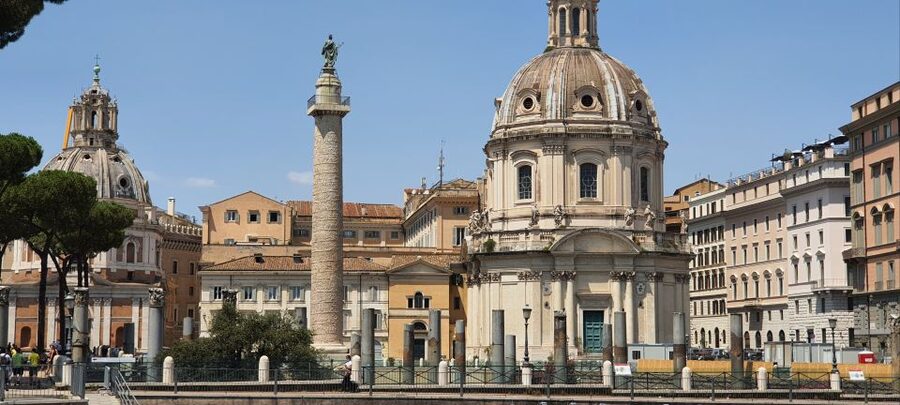
Rome is huge, and Ancient Rome is spread out. This tour is designed for getting your bearings quickly: you start near the Basilica of Sant’Anastasia al Palatino and spend about two hours moving through the city center on foot, with an English live guide. You’ll cover a lot of ground in a short time, but the route isn’t random. It’s shaped around how power, religion, and public life moved through the city.
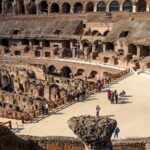
I like tours like this because you’re not stuck staring at one pile of stones. Instead, you keep getting visual reminders of what the Romans cared about—public spaces, crowd events, and civic symbols—so the ruins start making sense. You’ll also see the Colosseum from outside, which is useful even if you plan to do an interior visit later.
The biggest practical consideration is that the Colosseum visit here is exterior only. If your goal is to walk through the amphitheater and spend time inside, you’ll need a separate ticket plan. If your goal is context and orientation, this format is a strong match.
You can also read our reviews of more tours and experiences in Rome.
Piazza Cinque Scole: A Start Point With Real Local Identity
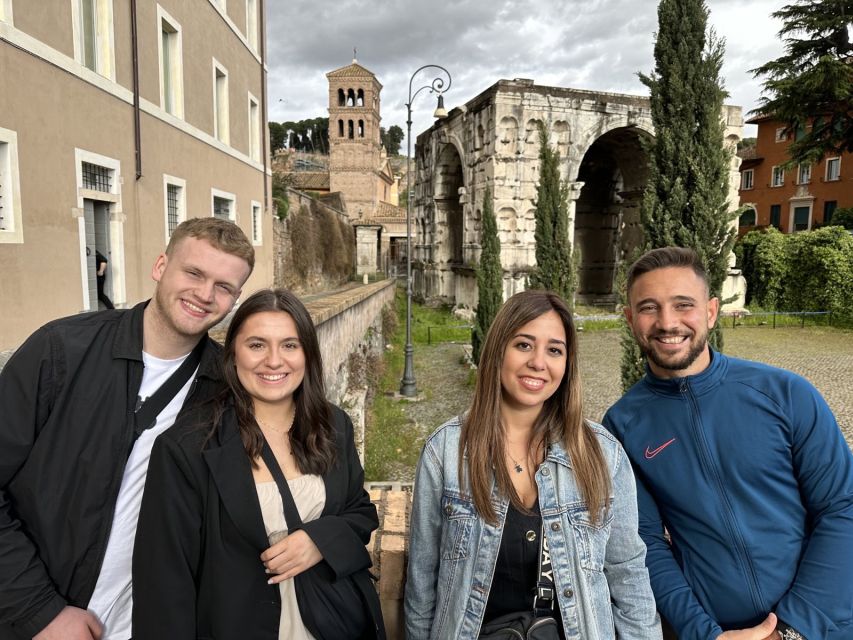
The walk kicks off at Piazza Cinque Scole, right in the atmosphere of the Jewish Ghetto. This matters more than it sounds. Rome’s ancient story is not just marble and emperors. It’s layered neighborhoods, changing communities, and history that still shows up in daily life.
From this starting point, you get a sense of where you are before you head into the Roman monument machine. You’re basically learning to switch gears: from living Rome to the ancient city that sits underneath it. When guides set the tone this way, you tend to pay attention better for the rest of the route.
Expect a lively street-corner rhythm as you gather and get your bearings. Then your guide will start translating what you’ll see next—so by the time you hit the ancient structures, you know what questions to ask.
Portico d’Ottavia and Ponte Fabricius: Market Power and an Old Crossing
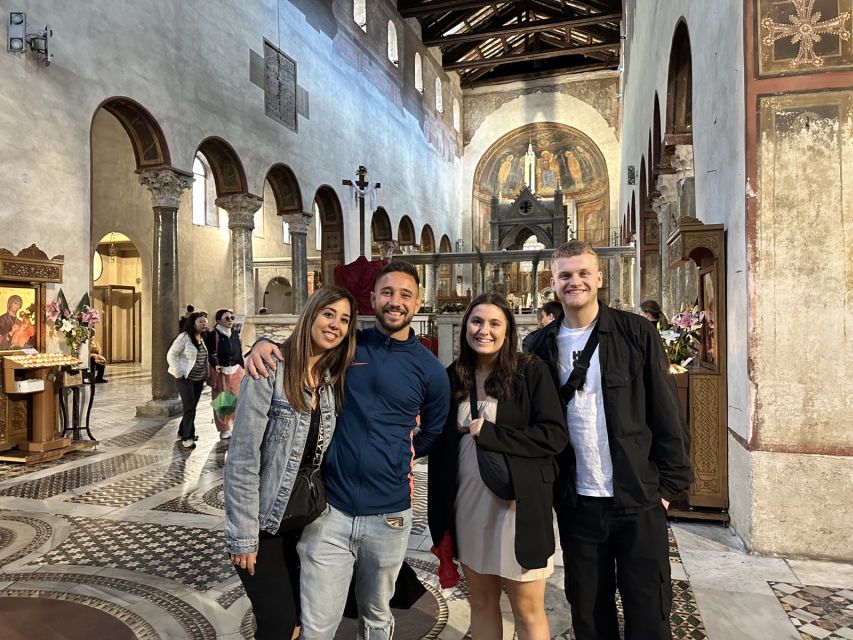
Next up is the Portico d’Ottavia, described in the tour route as a majestic ancient structure that once marked an entrance to a major market area. Even if you don’t know the Roman Forum by heart, you’ll understand the idea fast: Romans built public architecture to manage crowds, commerce, and movement.
I like this stop because it reframes the ancient city. It’s easy to think of Ancient Rome only in terms of gladiators and emperors. But the Romans were also running a city that depended on trade and everyday public life. A market gateway is a perfect reminder of that.
After that, you cross Ponte Fabricius, noted as the oldest bridge in Rome. It’s a simple move physically, but it helps you “feel” the city layout. The Tiber River becomes a real reference point rather than a background detail. When you walk across an ancient crossing, your brain starts measuring distance in the right direction.
Theatre of Marcellus and the Temple of Apollo: Two Stops That Teach You to Look
The route then points you to the Theatre of Marcellus. It’s often mistaken for the Colosseum, and that fact alone is a great teaching tool. A guide can help you spot the architectural cues so you don’t lump every Roman ruin into the same visual category.
Theatre spaces were built for public spectacle—different kind of spectacle than chariot races, but still about drawing people in and giving the city something to gather around. When your guide connects that to what you’ve already seen, the route starts feeling like a chain, not a list.
Nearby is the Temple of Apollo, presented as a place where ruins echo the glory of Rome’s past. Even without interior access, you’ll learn how temples functioned as civic and religious anchors. You’ll also start noticing how the Romans used placement and sightlines to build meaning.
This is one of those stretches where you should slow down with your eyes. If you let the guide’s explanations guide you, you’ll come away with a clearer sense of what was sacred versus what was built purely for shows.
Capitoline Hill and Michelangelo’s Square: Power on Top of Power
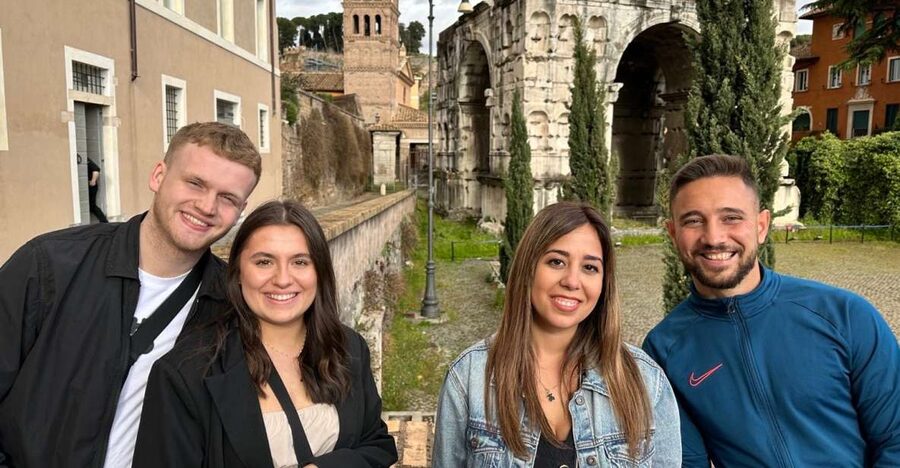
Then you climb Capitoline Hill. This is where Rome’s “who had the authority” story becomes visible. Your guide brings you to the square designed by Michelangelo, which is a key blend of eras: Renaissance design sitting on top of a place Romans once considered politically central.
The climb is part of the point. Even if you’ve seen photos, the height changes how you interpret the city. You start recognizing alignments and how different neighborhoods relate. It’s also a momentum shift: you’re moving from ruin-level details into a broader view of Rome’s layers.
Capitoline Hill is also where guides often excel, because they can connect the hill to the themes you’ve already picked up—public life, ceremony, authority, and how Rome used space to project power. If you pay attention here, you’ll better understand why the route later focuses on the forums and major civic streets.
Via dei Fori Imperiali and the Forums: The City’s Civic Spine
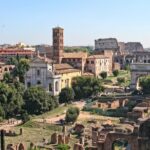
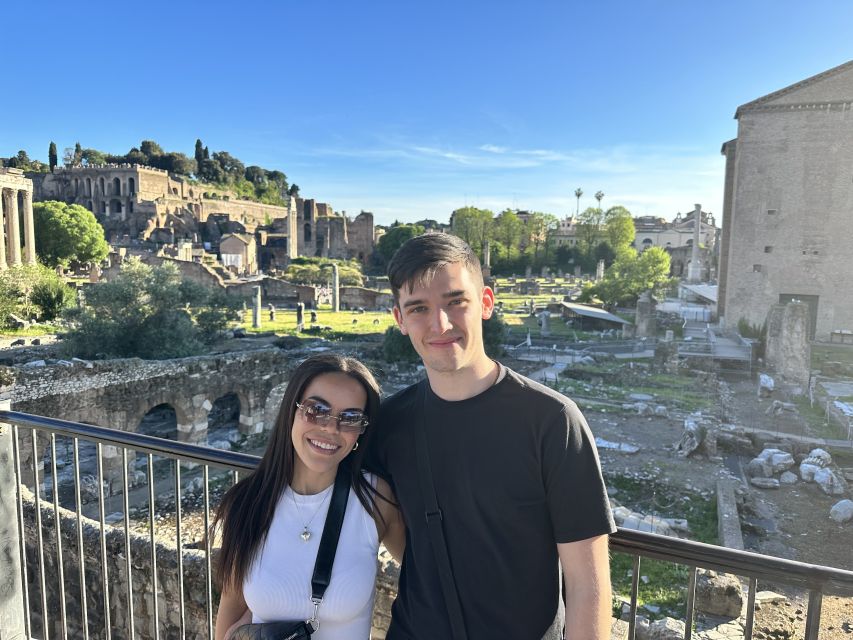
After the hill, the walk brings you to Via dei Fori Imperiali, a street that gives you a direct line into the social and political life of past citizens. This stretch is valuable because it connects the dots between individual ruins and the wider civic system.
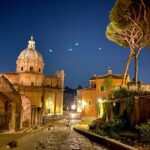
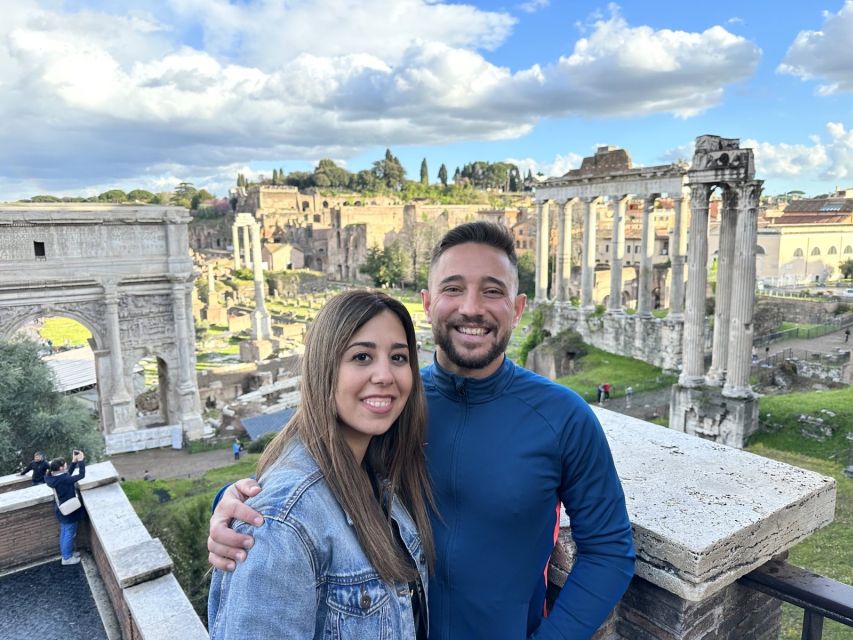
Along the way, you’ll have the chance to know the Roman Forum and multiple specific forums: the Forum of Augustus, the Forum of Caesar, and the Forum of Nerva. That’s a lot of names packed into two hours, so your guide’s job here is crucial: they need to keep it understandable.
Here’s how you can get the most out of this part. Don’t try to memorize everything at once. Instead, aim to learn how these forums represent different periods and different messages of authority. If you keep that framing in mind, each stop feels like another chapter in the same civic story.
One practical note: this area is where you’ll likely want to take a breather for a few seconds between points. You’re moving, listening, and looking all at once. If you pace yourself, you’ll absorb more.
Circus Maximus and the Colosseum Exterior: Spectacle Without the Ticket Rush
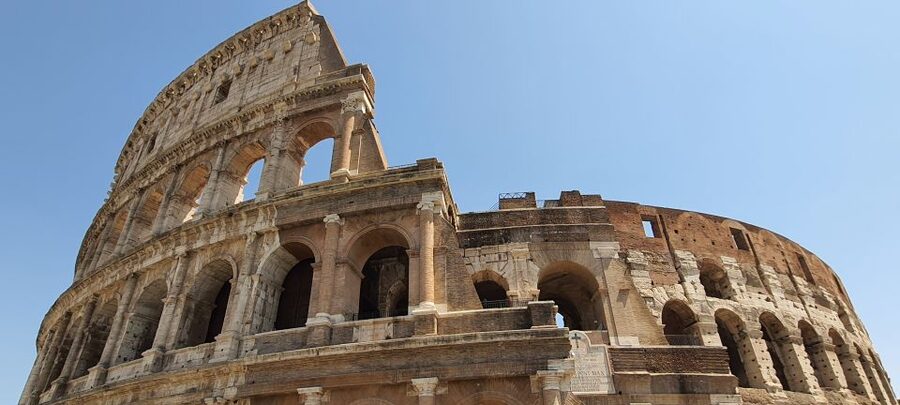
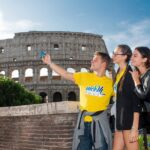
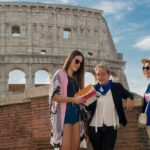
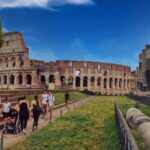
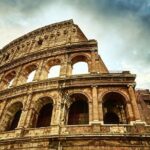
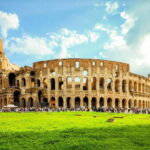
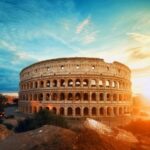
No Rome walk feels complete without Circus Maximus. In this experience, you’ll reach the famous chariot-racing stadium, then finish with the Colosseum from the outside. The difference between an exterior view and an interior one is huge, but exterior views can be surprisingly helpful.
Circus Maximus gives you the crowd-and-competition angle. It’s a reminder that Rome’s entertainment wasn’t only about arenas like the amphitheater. Then the outside Colosseum view acts like a visual anchor for the whole trip: now you’ve seen the context that makes it more than a single photo spot.
Even though you won’t enter the Colosseum here, you’ll likely leave feeling better prepared for any later interior visit. You’ll understand where it fits in the broader system of public spectacle.
If you’re hoping to do everything in one go, keep expectations realistic. This is a guided outdoor orientation across Rome’s key ancient zones, not a ticketed deep tour inside major monuments.
Why the Guides Matter: Bruno, Gabriel, Francesco, and Sam’s Style
A walking tour can only be as good as the guide’s storytelling and pacing. The standout point from the experience is how guides like Bruno, Gabriel, Francesco, and Sam are described as warm and easy to learn from, with a sense of humor and solid answers when questions pop up.
That kind of guide skill matters at places like the Theatre of Marcellus, where people often confuse structures. It also matters in the forum area, where names and eras can blur together if explanations are dry. When your guide keeps it human—friendly, clear, and quick to respond—you end up remembering the big ideas, not just the stop names.
You’ll also appreciate the plain practical rhythm: you’re walking city streets in the center, so the guide becomes your filter. They help you see what’s worth your attention in the flow of Rome.
Price, What You’re Paying For, and What You Don’t Get
At $243.56 per person for a 2-hour guided walking tour, you’re paying for expert interpretation and a tight route through major monuments. You’re not paying for entry tickets or Colosseum admission, since the Colosseum interior is not included.
So the value equation looks like this:
- If you want context and orientation across multiple famous stops in one outing, this price can feel fair.
- If you mainly want time inside the Colosseum, you’ll need to plan a separate ticketed visit, and this tour won’t replace it.
I also like that the format is straightforward: guide plus walking tour. No extra site entries to manage in the middle of your day. That’s useful if you want to keep your schedule flexible.
One more tip: because it’s outdoor and rain-or-shine, factor weather into your day planning. Bring the right shoes and be ready for the realities of walking Rome.
What to Wear and How to Pace Yourself
You should show up with comfortable shoes. That’s not filler advice. Cobblestones and uneven streets can slow you down, especially when you’re also listening and stopping at multiple points.
This tour is not suitable for people with mobility impairments or wheelchair users. If you have mobility concerns, consider alternative Rome options that allow more time indoors or with easier access routes.
Also plan to arrive at the meeting point about 15 minutes early. The tour can’t be joined once it starts, and the guide waits no more than 10 minutes beyond the starting time. In a short tour, being late cuts you out of the story.
The tour ends back at the meeting point, so you don’t need to figure out a pickup or transfer at the end. That makes it easier to plug into a broader day plan.
Who This Tour Fits Best (and Who Should Skip It)
I think this tour is best for you if:
- You want to hit several major Ancient Rome sites in about two hours.
- You prefer guided explanation over wandering alone.
- You enjoy learning how different spaces connected to civic and public life.
It may not be ideal if:
- You’re only interested in an interior Colosseum visit.
- You need wheelchair-friendly access.
- You don’t handle sustained outdoor walking well.
If you’re traveling with limited time and want a strong mental map for later visits, this is the kind of tour that makes the rest of your Rome day easier.
Should You Book This Rome Ancient Monuments Walk?
Book it if your priority is getting oriented quickly and understanding how Ancient Rome’s public spaces fit together. The route covers the Colosseum exterior, Circus Maximus, Capitoline Hill, and multiple forum areas, plus stops like Piazza Cinque Scole and Ponte Fabricius that add real texture to the experience.
Skip it or pair it with a separate plan if your main goal is going inside the Colosseum or if your mobility needs make outdoor walking difficult. Otherwise, for the time you spend, the guided storyline and the range of stops make it a smart, efficient use of a short stay in Rome’s center.
If you do book, show up early, wear good shoes, and come ready to look up as well as around. Rome rewards the extra attention.