Mumbai talks back if you listen. This storytelling walk strings together how Bombay became Mumbai, using colonial landmarks and lesser-walked streets to make the city feel alive. I especially liked the personal narration and the way the route mixes big-photo spots like the Gateway of India with small, lived-in corners. One drawback to consider: in a case I saw reported, the guide arrived over an hour late and the pace turned rushed with some details that didn’t match what was promised.
You’ll start near the Gateway of India, then work your way through Colaba’s heritage zones, old markets, and architectural landmarks linked to trade and power—ending with a quieter, reflective pause along Marine Drive. The tone depends heavily on your guide; when the guide is on form (like the clearly well-liked Nisar), the whole city suddenly makes sense.
In This Review
- Key things you’ll notice on this walk
- Gateway of India: where the story starts (and why it matters)
- The private format: pacing, pickup, and why duration can change
- Colaba Causeway: mercantile Bombay in street form
- Taj Mahal Palace Hotel: grandeur with historical weight
- Royal Bombay Yacht Club area: the city’s coastal power
- Old bazaars and spice-market streets: history that still works
- A secret-style Parsi café stop and chai you can count on
- Courtyards and step wells: when the city gets quiet
- Marine Drive: the reflective finish and why it’s a good ending
- Value for money: what $10 buys (and what to watch)
- Who should book this walk
- The guide factor: when Nisar’s style clicks
- Should you book this Mumbai heritage storytelling walk?
- FAQ
- How long is the tour?
- Where does the tour start?
- Is this tour private?
- What language is the guide?
- What is included in the price?
- Is the ferry ride included?
- Is chai included?
- Does it include the Elephanta caves?
- Is there a ticket-line advantage?
- Is there free cancellation or pay-later booking?
Key things you’ll notice on this walk
- Gateway of India framing: You get context for British arrival and departure, not just a photo stop.
- Colonial-meets-everyday route: Architecture sits beside bazaars, street life, and small café breaks.
- Chai included: A real stop with a drink that helps you reset during the walk.
- Ferry time on the plan: Expect at least one water-journey element as part of the experience flow.
- Private flexibility: Timing can be adjusted, since this is a private group option.
- Guide quality matters: You can have a great session with the right guide, but delays can affect the overall feel.
Gateway of India: where the story starts (and why it matters)
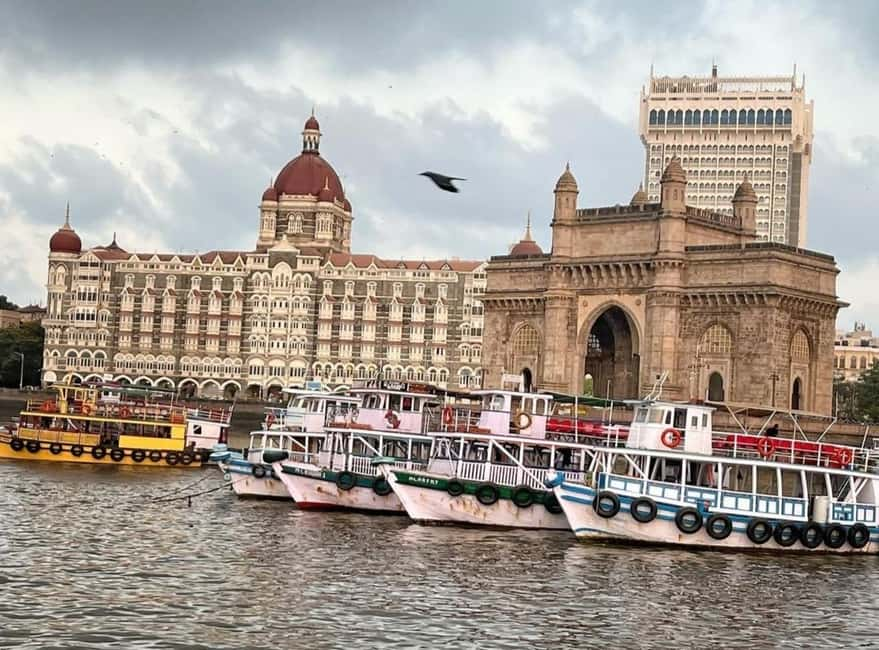
The meeting point can vary by option, but the walk itself starts around the iconic Gateway of India area. This is not just a landmark for postcard photos. It’s the hinge in the larger Mumbai timeline: it marks the moment the British landed here, and later, when they departed—symbolizing the end of colonial rule.
What I like about beginning here is how quickly your brain gets a framework. Before you even move far, your guide’s stories give you a way to read what you’re about to see: who controlled the city, what trade looked like, and how those power shifts still echo in the streets today.
If you’re the kind of traveler who likes to understand why a building exists, you’ll appreciate this setup. It also helps photographers, because you’ll know where to look beyond the obvious angles.
You can also read our reviews of more walking tours in Mumbai

The private format: pacing, pickup, and why duration can change
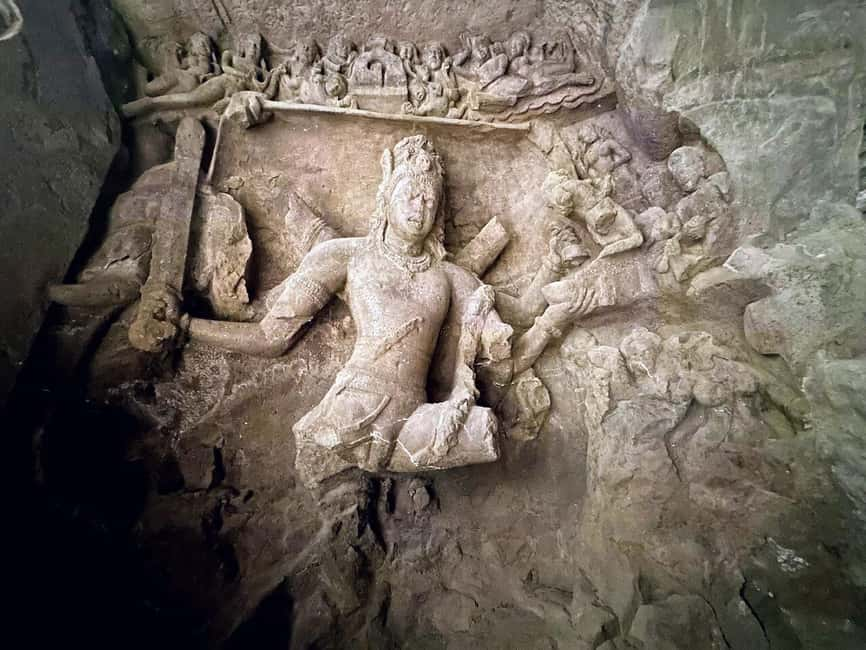
This is a private experience with pickup and drop-off. That matters in Mumbai, where getting from point A to point B can eat up time if you’re doing it yourself.
Duration ranges from 2.5 to 6 hours, depending on the option you choose and how your guide structures the walk. That range is your clue: this isn’t a rigid checklist tour where you’re dragged through stops at high speed. In a best-case scenario, it feels like a conversation with walking breaks built in.
Still, keep one practical caution in mind. In at least one reported booking, the guide arrived more than an hour late, and the tour then felt rushed with wrong information and fewer stops than promised. So if your schedule is tight, you’ll want to manage timing expectations and be ready for the day’s real-world traffic and weather.
Colaba Causeway: mercantile Bombay in street form
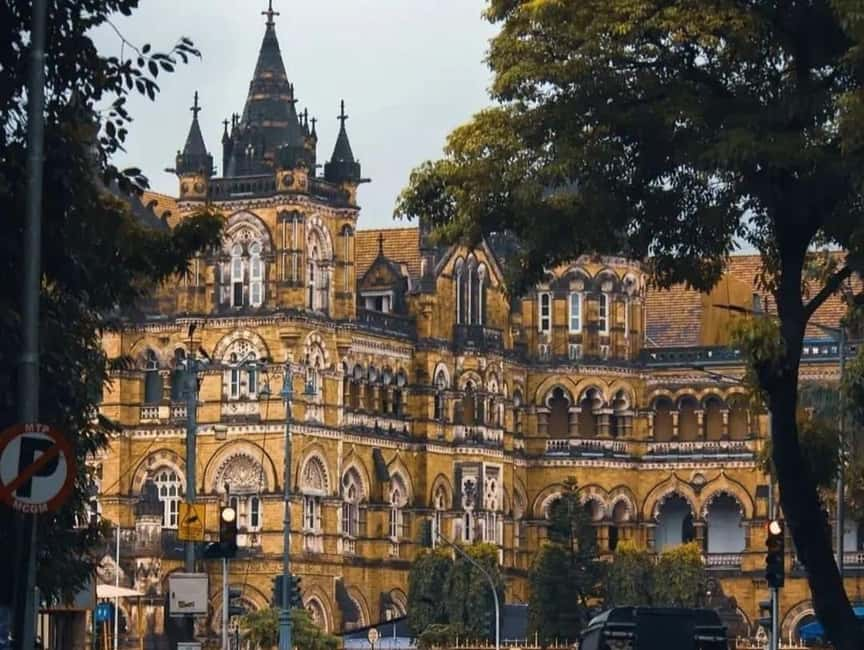
After the Gateway, you’ll drift through the heritage corridor around Colaba Causeway. This is where Mumbai’s past shows up in patterns: where people traded, where goods moved, and how the city’s international links shaped its neighborhoods.
This stretch is especially useful if you want to connect architecture to everyday life. Instead of treating buildings like museum objects, you’ll hear how Bombay’s merchant culture functioned—and how independence-era energy rose out of that same urban network.
For photos, this area is forgiving. You’ll be walking through a mix of façades and street activity, so you can capture wide views and close details without feeling like you’re stuck behind one single monument.
Taj Mahal Palace Hotel: grandeur with historical weight
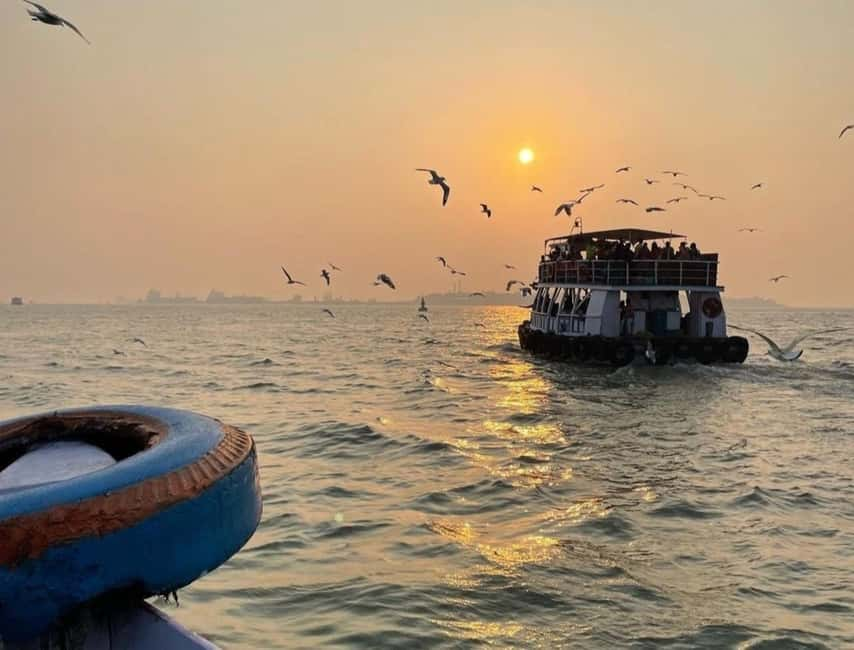
One of the standout landmarks on the walk is the Taj Mahal Palace Hotel area. Even if you’ve seen it from afar before, having a guide interpret its place in the city’s mercantile and colonial-era story changes how you look at it.
The value here isn’t the building alone. It’s the link between elite spaces and the broader economic engine of the city. You’ll hear the kind of context that helps you understand why certain districts developed the way they did.
Practical note: depending on where the group pauses, you may get best views from the street rather than stepping inside. That’s still fine. The goal is the story you’re learning as you move.
Royal Bombay Yacht Club area: the city’s coastal power
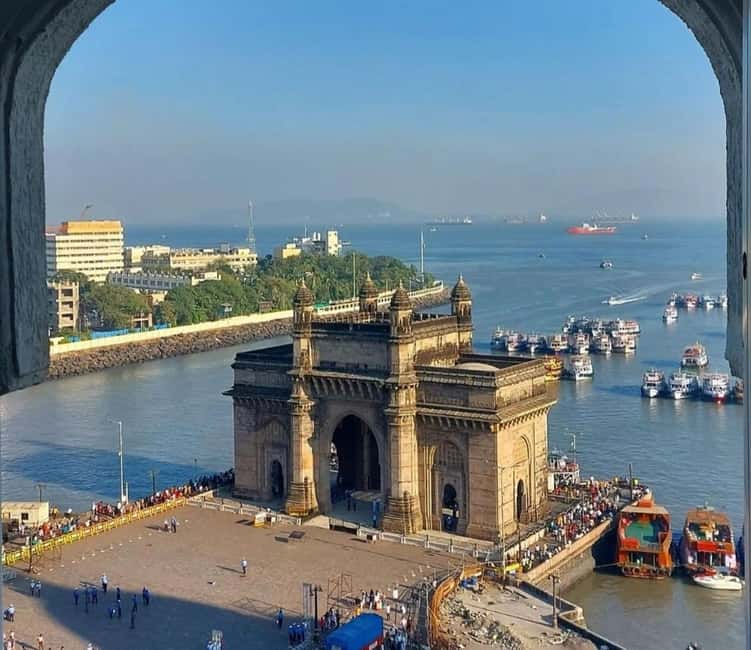
The walk also includes Royal Bombay Yacht Club-area heritage. This is a clue that Mumbai’s history isn’t just about streets and bazaars. The sea mattered—ports, wealthy patrons, and maritime connections all shaped what the city could become.
I like how this stop widens the lens. If you only focus on colonial buildings as stand-alone objects, you can miss the bigger picture: Mumbai’s rise is deeply connected to trade routes and coastal life.
If you’re into photography, this part of the route tends to offer strong lines and interesting contrast between polished edges and daily city movement.
You can also read our reviews of more historical tours in Mumbai





Old bazaars and spice-market streets: history that still works
Where many tours get stuck on famous sights, this walk makes room for the old bazaars and market texture—places where the city still behaves like a working city, not a set.
You might pass through areas with spice-market energy, and you’ll hear stories that explain how older Bombay character still survives in these districts. That’s the big value: you’re not just looking at relics. You’re watching continuity.
For you, this means you’ll get a better sense of how the city’s cultural layers stack. It’s also a great choice if you like cultural photography—signs, street textures, hands at work. Just remember: you’ll be walking, so keep your camera ready but don’t let it slow your pace too much.
A secret-style Parsi café stop and chai you can count on
One of the most enjoyable parts is the planned café moment: chai at a local café. The tour includes this, which is smart value-wise. It gives you a real break during walking-heavy sightseeing, and it helps you experience Mumbai in a small, everyday setting rather than only at big monuments.
The description also points to a Parsi café experience. Even without going inside some formal dining space (details can vary with the route), you’re still getting the most important thing: a local pause connected to one of Mumbai’s distinctive communities.
If you’re sensitive to fatigue, chai is the reset button. If you’re a coffee or tea person, you’ll also probably appreciate having this included so you’re not constantly hunting for a drink while the group is on the move.
Courtyards and step wells: when the city gets quiet
The experience includes stops intended to show older Bombay in forms that many standard tours skip—specifically colonial courtyards and ancient step wells.
In theory, this is one of the best parts of the itinerary. Courtyards can feel like pocket worlds: less noise, more shadow, and a sense that the city’s past had different rhythms. Step wells, too, are instantly visual—practical structures that became part of the cultural fabric.
But here’s the reality check: in one reported booking, the guest said they weren’t taken into any courtyards or “hidden” spots that had been promised. That’s exactly why this walk is guide-dependent. If courtyards and step wells are a must for you, consider asking your operator what those stops look like on the day and how they handle timing.
Marine Drive: the reflective finish and why it’s a good ending
The tour concludes with a quiet moment at Marine Drive. This ending works because it shifts you from “how the city changed” to “how the city feels.”
Mumbai’s coastline is a different kind of story—more mood than monument. Standing there after hours of walking and talking through architecture and markets, you get a clean contrast: old Bombay and colonial eras still matter, but Mumbai’s modern identity is also visible in the same streets and skyline.
For photos, Marine Drive is practical too. It’s the sort of spot where you can take a few wide shots and then stop. You don’t have to keep moving immediately, which makes it less stressful than ending at a crowded, time-pressured attraction.
Value for money: what $10 buys (and what to watch)
At $10 per person, this is priced like a budget-friendly heritage walk. What makes it good value is what’s included: a professional English-speaking guide, pickup and drop-off (private), bottled water, chai, and a ferry component, plus local taxes.
Also, you get a “skip ticket line” promise. The important part is not guessing which sites need tickets—it’s that the operator intends to reduce friction at ticketed moments.
What you should watch for is whether the walk stays close to the storytelling promise. When the guide is strong, the city’s transformation over centuries lands. One case I saw reported the opposite: a late arrival, rushed pacing, and information that didn’t match expectations. That doesn’t mean the tour is always like that—but it does mean you should plan your day with a little slack and ask for clarity on which specific courtyards and step-well stops are included.
Who should book this walk
This is a great fit if you:
- love walking tours that explain why places matter
- want a mix of colonial landmarks, markets, and cultural stops
- take photos and like variety: monument angles, street textures, and quieter corners
It’s also ideal if you enjoy having the itinerary adjusted to your interests, since the private format supports more flexible pacing and personalized narration.
If you hate walking (or you need step-by-step, guaranteed-to-the-minute certainty), you might prefer a shorter, strictly timed tour. This one is designed for stories that unfold as you move.
The guide factor: when Nisar’s style clicks
From the info you shared, the guide name Nisar comes up for good reason. In one detailed positive experience, he’s described as friendly and story-driven, with lots of interesting facts and good recommendations. Another positive note highlights intense walking paired with plenty of information delivered in a way that keeps you engaged.
That matters because Mumbai’s history is layered. A great guide doesn’t just list dates—they show how architecture, trade, and community behavior connect. If you get that kind of guide energy, the tour becomes more than sightseeing. It becomes a way to read the city for the rest of your trip.
Should you book this Mumbai heritage storytelling walk?
I think you should consider booking if you want a story-led Mumbai walk that goes beyond a photo-only loop. The combination of Gateway of India, Colaba heritage streets, market areas, a Parsi chai break, and a calm end at Marine Drive makes for a smart mix of atmosphere and learning.
I’d be slightly cautious if your schedule is extremely tight or if courtyards and specific quieter interiors are your top priority. The experience can vary with timing and pacing, and one reported booking described a late start and fewer promised stops. If that risk would ruin your day, plan buffer time—or message the operator to confirm how the courtyard and step-well portions are handled.
FAQ
How long is the tour?
The duration is listed as 2.5 to 6 hours, depending on the option booked and available starting times.
Where does the tour start?
The tour begins around the Gateway of India area. The exact meeting point may vary depending on the option you book.
Is this tour private?
Yes, there is a private group option, and it includes pickup and drop-off.
What language is the guide?
The tour includes a live guide in English.
What is included in the price?
The price includes a professional English-speaking guide, private pickup and drop-off, local taxes, bottled water, chai at a local café, and a ferry.
Is the ferry ride included?
Yes, a ferry is included as part of the experience.
Is chai included?
Yes, chai at a local café is included.
Does it include the Elephanta caves?
No. Elephanta caves entrance is not included.
Is there a ticket-line advantage?
The experience notes skip ticket line as part of what’s offered (for applicable ticket moments).
Is there free cancellation or pay-later booking?
Free cancellation is available up to 24 hours in advance for a full refund. There’s also a reserve now & pay later option so you can book without paying today.